





Antique Male Bust
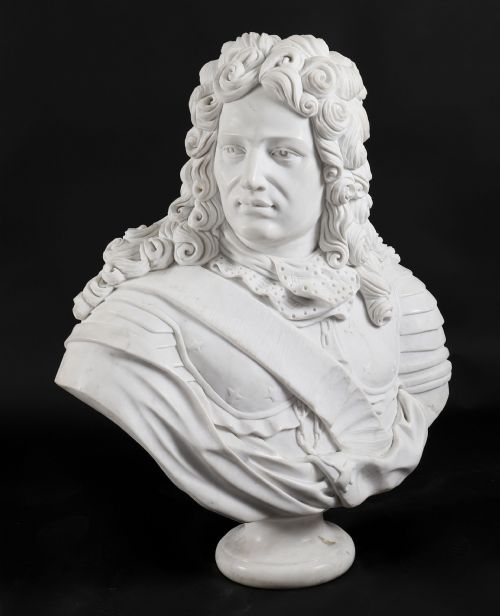
An antique male bust brings the gravitas of classical heroes, historical figures, and gentlemen into a room through carved marble, cast bronze, or moulded plaster.
Antique Male Bust
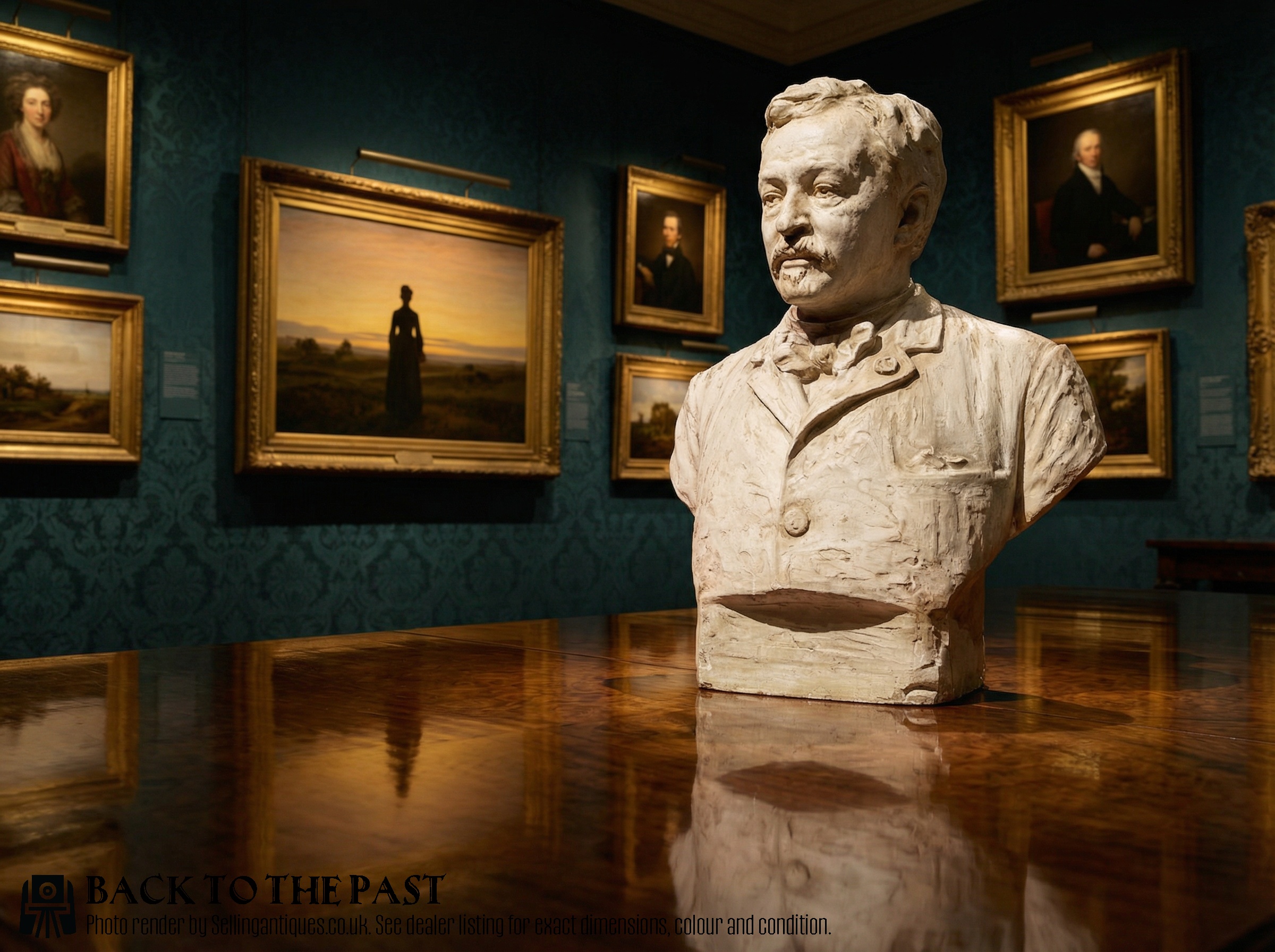
An antique male bust captures the likeness of historical figures, classical emperors, philosophers, and gentlemen in three dimensions. These pieces range from grand Victorian marble portraits and bronze studies to library plaster casts of classical deities and writers.
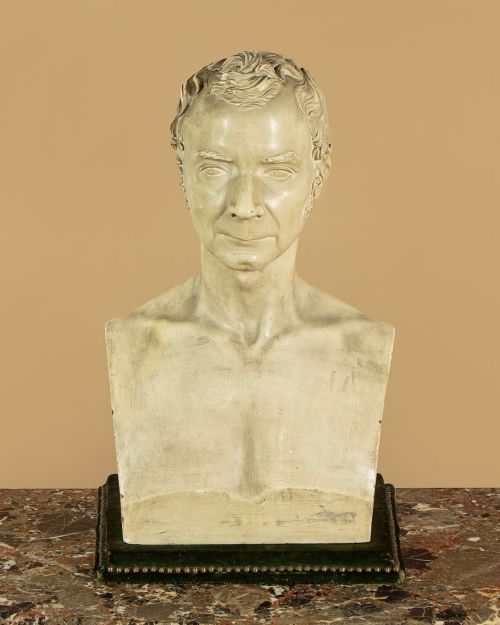
The versions most commonly met on this page are nineteenth-century plaster library pieces, carved marble portraits of unknown gentlemen, and cast bronze renderings of Roman emperors or gladiators. Alongside these sculptural works, the selection occasionally includes oil paintings and watercolours depicting male portraits.
Originating from Grand Tour souvenirs, civic monuments, and academic studies, these sculptures reflect Neoclassical, Victorian, and Baroque tastes. They serve as monumental desktop ornaments, library focal points, or garden statuary.
How they were made
Sculptors utilised traditional materials such as white marble, cast bronze, plaster, terracotta, and carved stone to capture the likeness and musculature of their subjects. Bronze works were typically cast using the lost-wax method and finished with patination, while marble and stone pieces required painstaking hand-carving with chisels and rasps.
Plaster casts relied on moulds taken from classical antiquities or live sitters, often painted or given a simulated stone finish to emulate heavier materials. Painters worked with oil on canvas or watercolours on paper, building up portraits through layered pigments.
Antique Male Bust Retail Price Guide 2026
Typical asking prices for male bust among the pieces listed under this phrase on Sellingantiques today, from the lower quarter to the upper quarter. They describe what is for sale here now, not the wider market.
Several gentlemen depicted carry specific honours, from the Order of the Garter to botanical fellowships.
What varies in quality
Materials also dictate the tier of the piece, with solid carved marble and detailed lost-wax bronze castings sitting at the upper end of craftsmanship. Plaster casts and simulated stone pieces vary considerably depending on the crispness of the mould and the subtlety of the surface finish.
Sir Thomas Brock·Alajos Strobl·Mathurin Moreau·Richard Aurili
The Antique Male Bust Glossary
- Grand Tour
- A cultural journey undertaken by wealthy young Europeans through France and Italy to study classical art. Pieces acquired on these trips often included miniature bronzes and plaster casts of famous antiquities.
- Patina
- The surface sheen and colour developed on bronze or wood over time through age and handling. A rich patina adds depth to sculptural details.
- Herm
- A pillar or pedestal tapering towards the base, surmounted by a carved head or bust. Early nineteenth-century examples often use chestnut or stone.
- Neoclassical
- A Western cultural movement drawing inspiration from the art and culture of classical antiquity. This style heavily influences the proportions and solemnity of many portrait busts.
Antique Male Bust: Frequently Asked Questions
Where should I display a plaster bust?
Plaster library pieces suit bookcases, desks, or mantels where they can be kept away from damp conditions and direct sunlight.
Because plaster is softer than stone or bronze, positioning them out of high-traffic areas prevents accidental knocks and preserves the surface finish.
How do I clean a bronze bust?
Dust bronze sculptures gently with a dry, soft brush to remove surface particles without disturbing the underlying patination.
Avoid using water, chemical cleaners, or metal polishes, as these can strip away the historical finish and damage the metal.
Are garden busts weather resistant?
Pieces made from stone, terracotta, or bronze withstand outdoor conditions when placed on secure garden pedestals.
Plaster and painted compositions remain strictly indoor objects and will deteriorate rapidly if exposed to rain and frost.
How can I tell plaster from marble?
Marble feels cool to the touch, heavy, and exhibits natural veining and crystalline structure under close inspection.
Plaster feels lighter, warmer, and often reveals mould seams or a painted surface layer masking the porous gypsum beneath.