

Antique Mahogany Wine Box
An antique mahogany wine box is a robust vessel designed to hold precious bottles securely in style.
What an antique mahogany wine box is
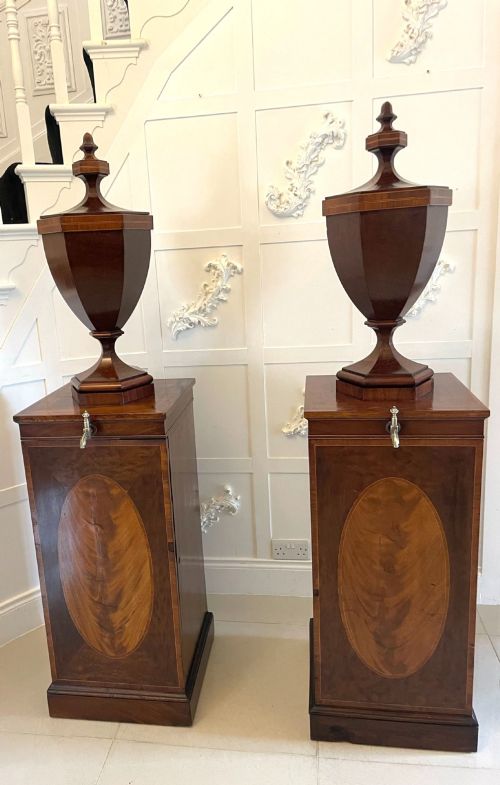
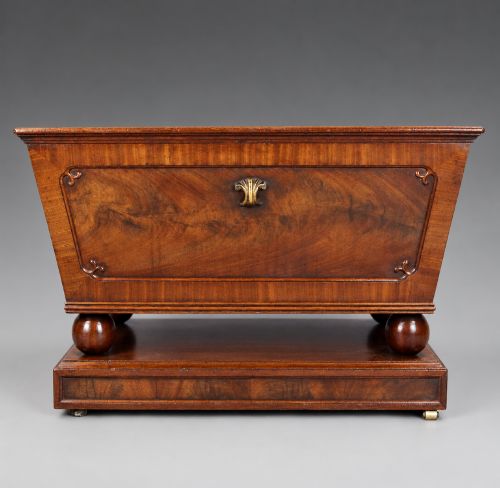
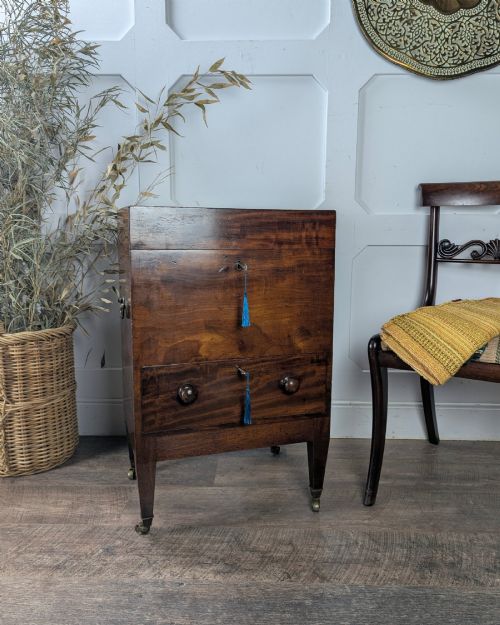
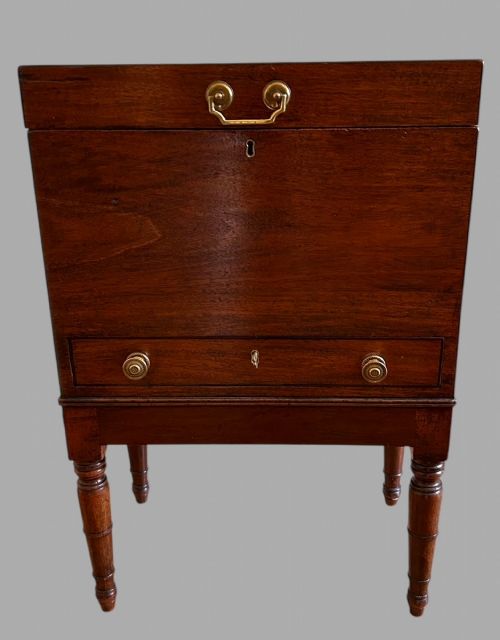
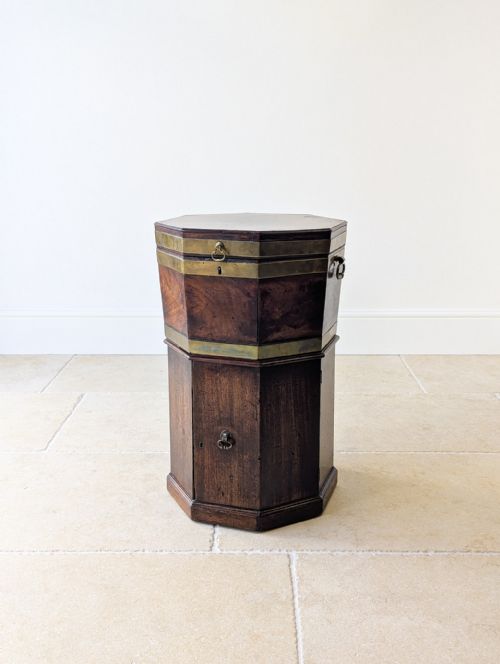
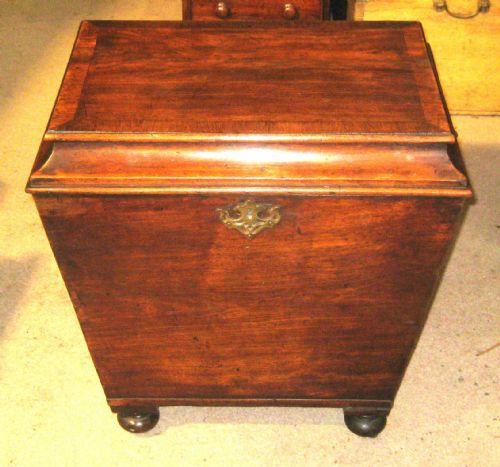
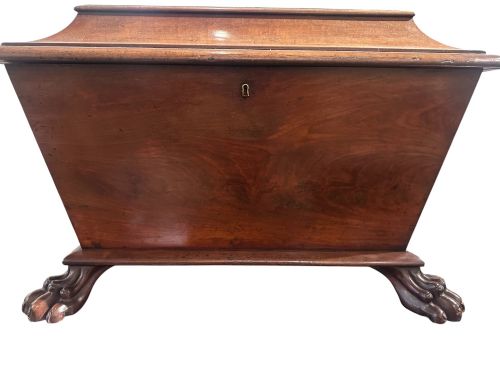
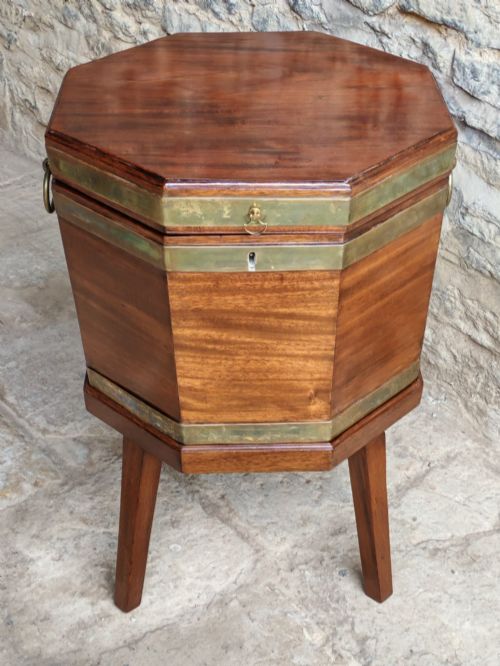
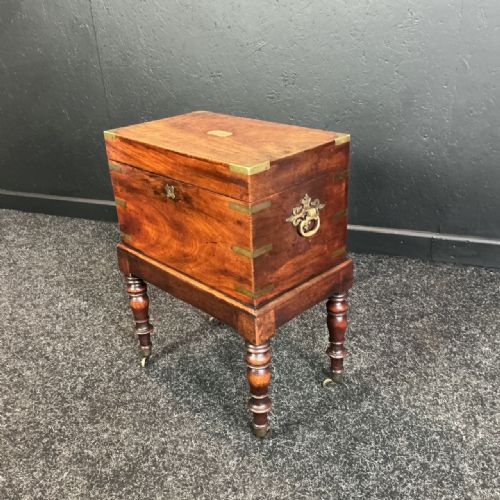
An antique mahogany wine box represents the formal dining traditions of past centuries, housing bottles safely in dedicated compartments. These pieces appear as cellarettes, wine coolers, and wine box forms originating from Georgian and Regency periods.
The most common versions encountered on this page date from the Georgian era through the early nineteenth century. Makers constructed these items to sit beneath sideboards or upon dedicated stands for easy access during meals.
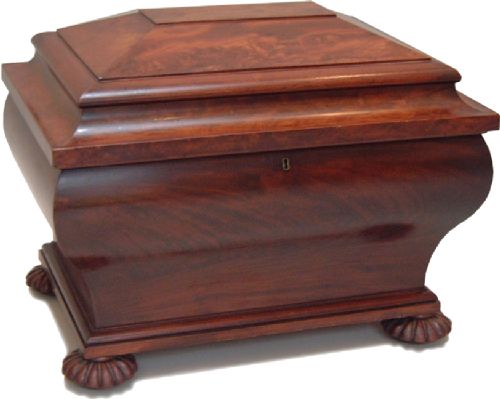
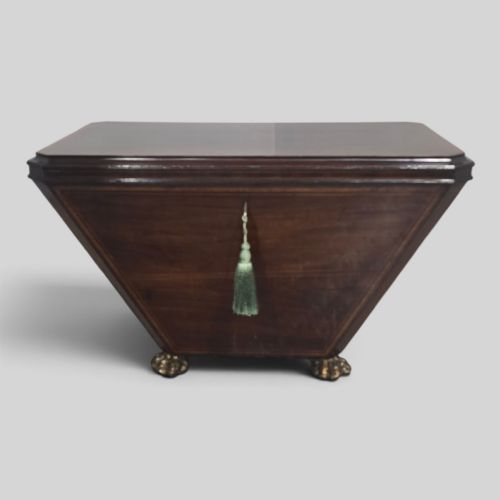
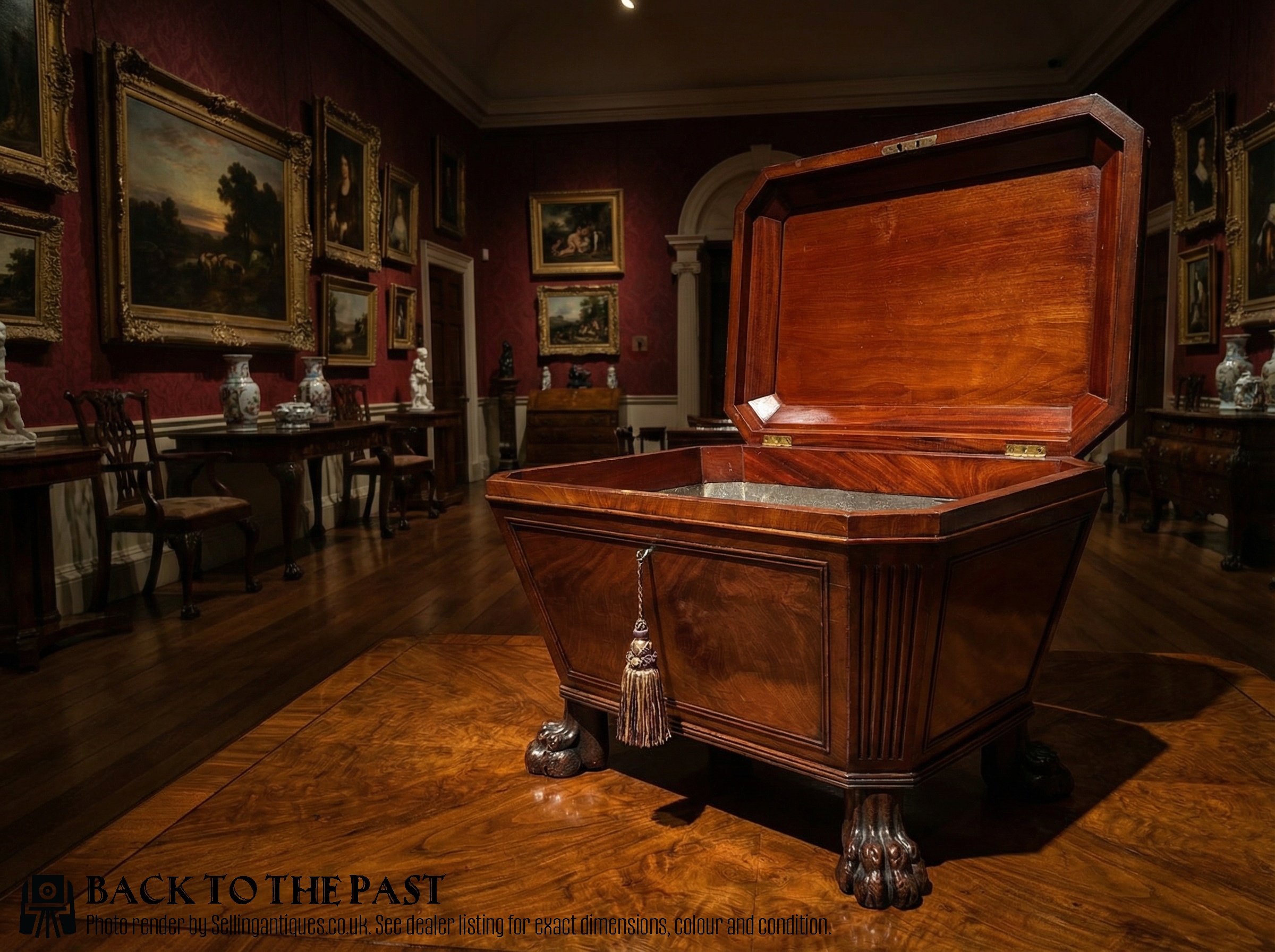
Irish examples and sarcophagus shaped variants demonstrate the regional ambitions of nineteenth century cabinet makers. Each piece reflects the functional requirements of storing heavy glass bottles prior to modern refrigeration.
How they were made
Cabinet makers utilised dense mahogany timber, sometimes selected for highly figured grain patterns. They constructed solid carcasses designed to withstand the heavy weight of liquid-filled bottles and lead linings.
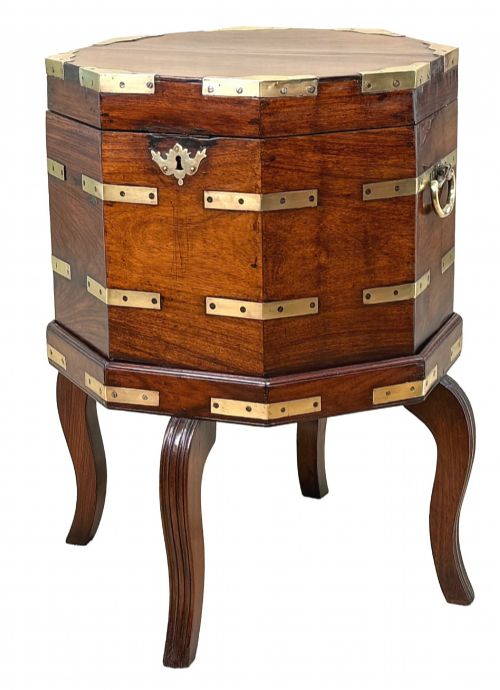
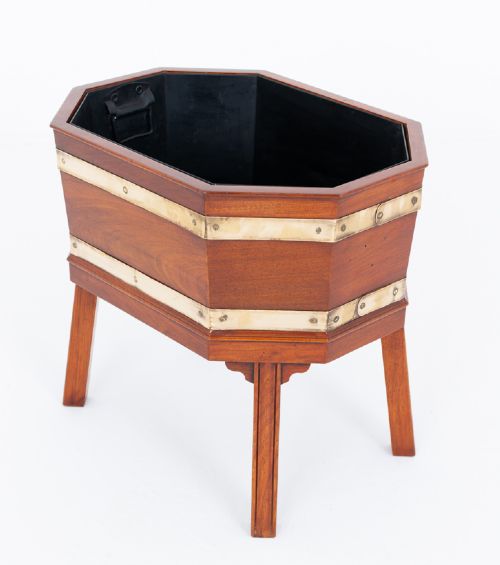
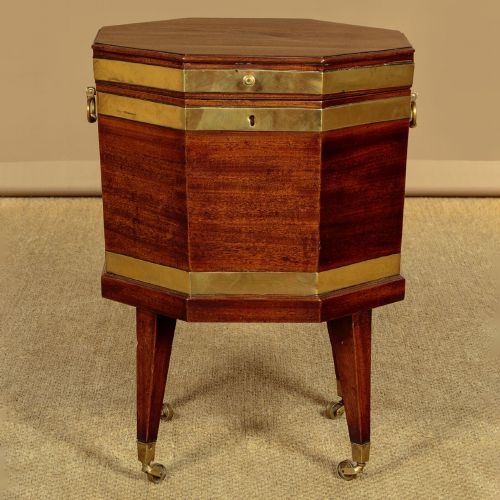
Heavy brass mounts, including carrying handles, binding, and paw feet, reinforce the structural integrity of the box. Lead interiors often provided waterproofing or temperature regulation for cooling wine with ice.
Retail Price Guide 2026
Typical UK retail prices for mahogany wine box, calculated from the Sellingantiques database of over a million retail prices indexed since 2003. This retail price guide relies exclusively on Sellingantiques data; no external sources or auction records are used, so the figures do not describe the wider market.
Listings feature mahogany, brass, and lead materials across Georgian and Regency periods.
What varies in quality
The sophistication of the cabinet work dictates the standing of each piece, from plain geometric boxes to elaborate sarcophagus forms. Figured timber selection and the precision of brass inlay or corner binding reveal the skill of the original workshop.
Original hardware, sound lead linings, and well-executed feet elevate a piece above simpler utilitarian versions. Pieces retaining their structural cohesion and authentic period mounts command greater appreciation from collectors.
The Antique Mahogany Wine Box Glossary
- Cellarette
- A lockable container or box used for holding bottles of wine beneath a sideboard. These containers often feature internal dividers to keep glass bottles separated.
- Sarcophagus
- A coffin-like shape with a domed lid popular for large wine coolers during the Regency period. This architectural form lent an air of classical dignity to the dining room.
- Paw foot
- A carved or cast metal foot shaped like an animal paw, frequently seen on Regency furniture. Such feet lift heavy boxes slightly off the floor.
- Brass bound
- Furniture reinforced at the edges and corners with strips of brass for strength and decoration. This technique protected vulnerable joints from knocks during service.
Frequently Asked Questions
What is an antique wine box?
An antique wine box is a timber container built to store, protect, or cool wine bottles in domestic settings. These items were essential furniture pieces for formal dining rooms before modern cellaring.
Craftsmen built them with internal partitions to prevent glass bottles from striking one another during movement. Wealthy households utilised them to keep vintages close at hand during long meals.
How were cellarettes used?
Servants placed these boxes near the dining table or beneath sideboards to hold multiple bottles of wine. Some versions included lead linings so ice could be added to chill the contents.
Because glass bottles were fragile and valuable, these heavy boxes kept them secure from theft or breakage. Locking lids ensured that expensive vintages remained under the control of the host.
How do I date a wine box?
Dating relies on examining the timber species, construction methods, and stylistic cues such as brass mounts and feet. Georgian and Regency pieces display specific classical proportions and decorative motifs.
Archival examples span from the eighteenth century through the Edwardian period, each era showing shifts in outline. Sarcophagus shapes and paw feet typically point toward the Regency period.
Are these boxes heavy?
These boxes are exceptionally heavy due to dense mahogany timbers, internal lead linings, and solid brass hardware. They were engineered to remain stationary rather than travel frequently.
Side handles allowed servants to reposition the box within the dining room when necessary. The substantial weight ensured stability when holding multiple glass bottles.