



Antique Wine Storage Box
An antique wine storage box brings serious architectural presence and period timber to a room, offering a clever way to keep bottles at hand.
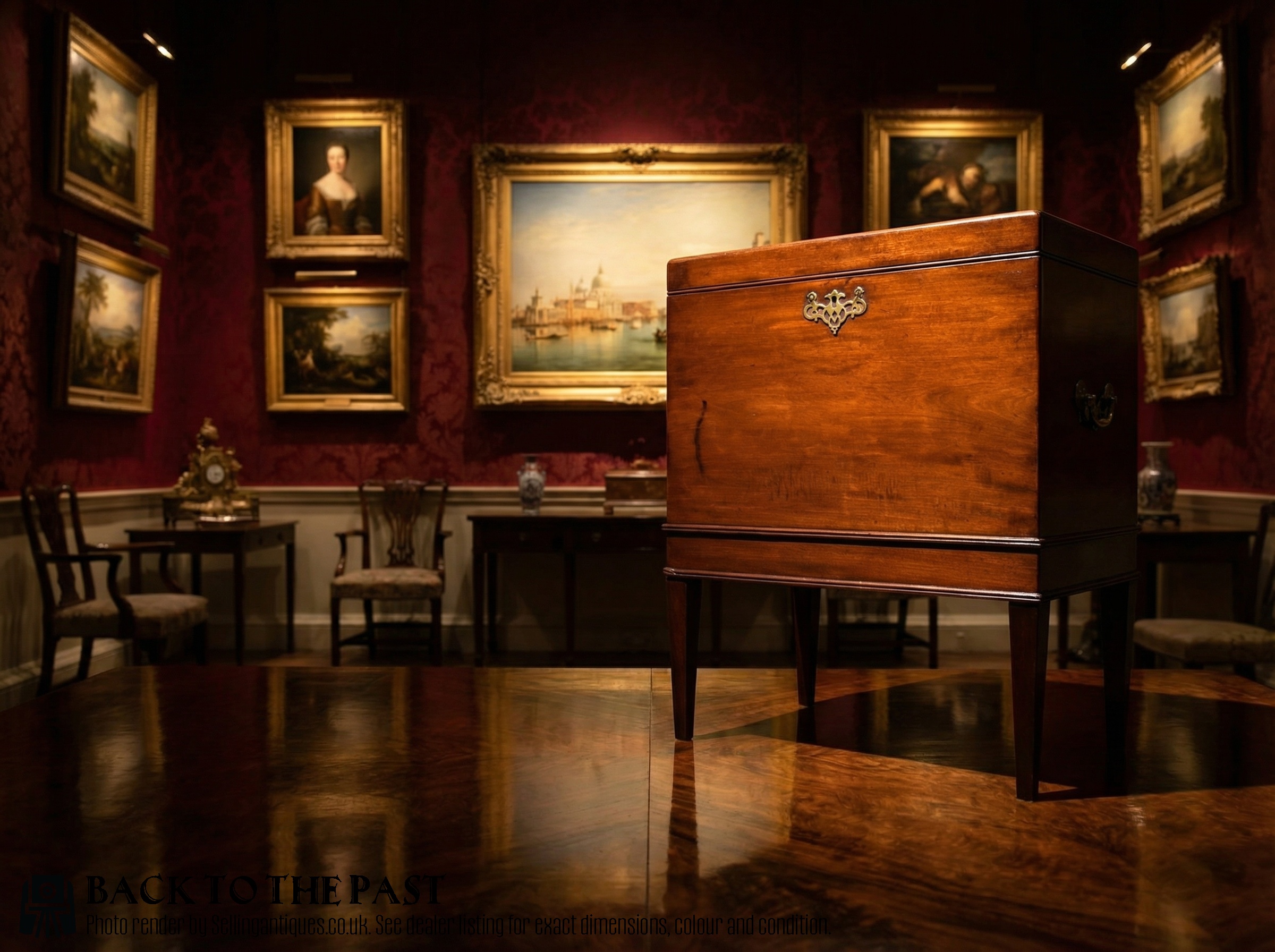
Understanding antique wine storage box examples
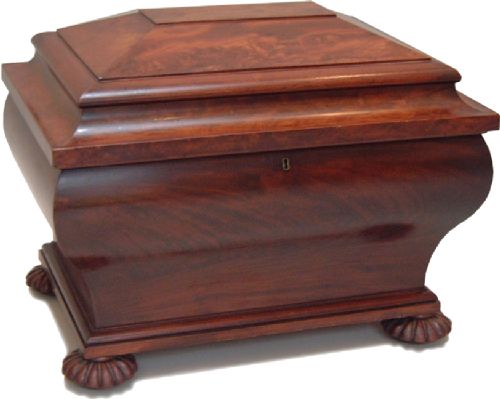
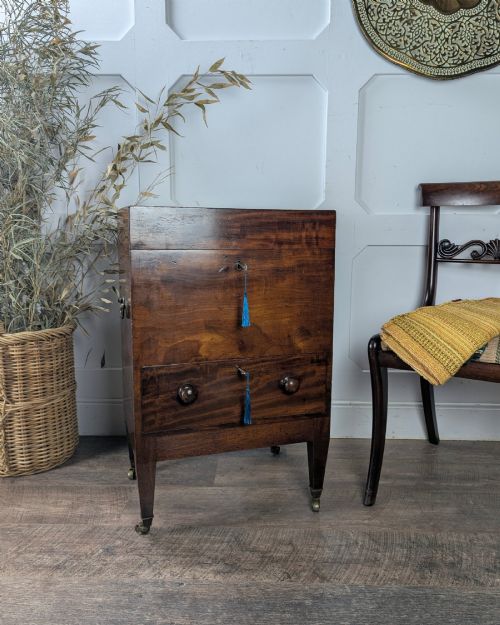
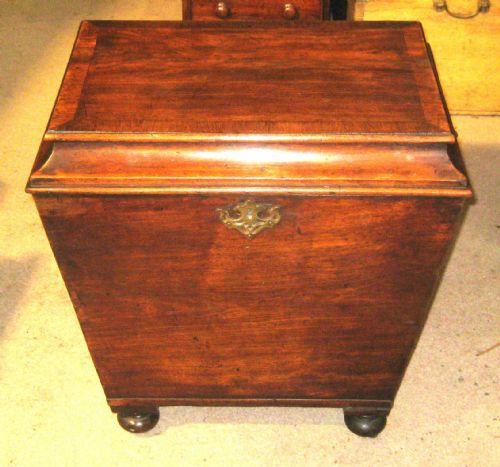
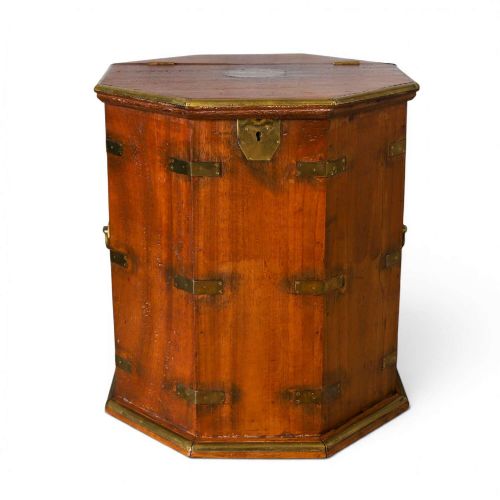
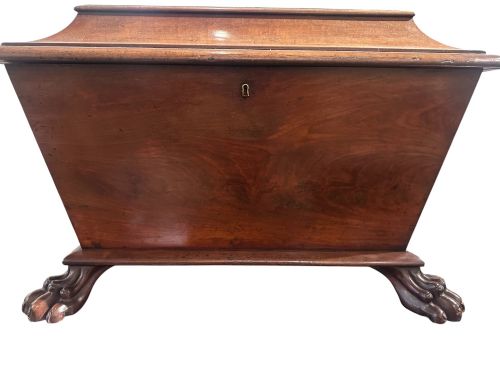
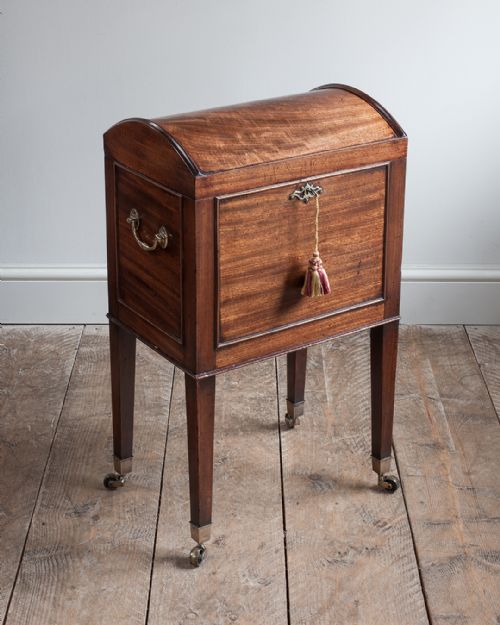
An antique wine storage box typically takes the form of a cellarette or wine cooler designed to hold bottles securely. These pieces emerge primarily from the Georgian, Regency, and George IV periods, reflecting formal dining traditions of the past.
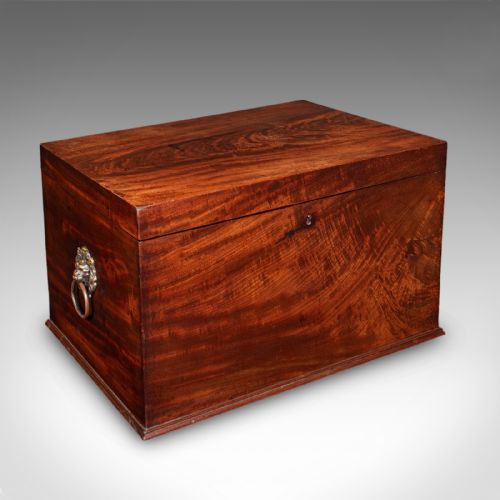
The most common versions encountered on this page are mahogany cellarettes, often built with sturdy timber frames and fitted interiors. Makers of the era shaped these items specifically for wealthy dining rooms where wine was stored close to the table.
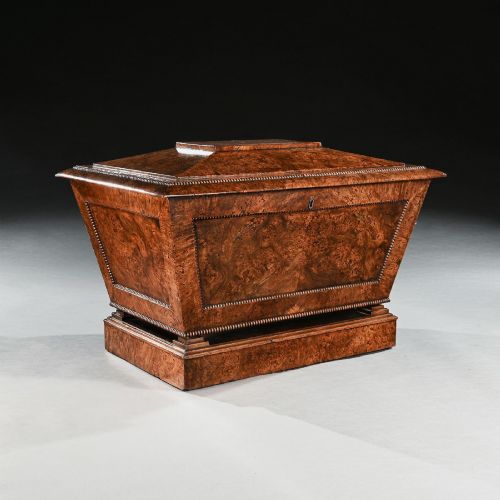
Variations include examples in pollard oak and burr elm, showing that cabinet makers worked with diverse woods depending on what was available. Each piece serves as a direct link to nineteenth-century entertaining and domestic organisation.
Construction and materials
Cabinet makers relied heavily on dense timbers such as mahogany, pollard oak, and burr elm to build these robust storage containers. These woods were selected for their strength and decorative grain patterns, which added visual weight to the dining room.
Metal components such as brass fittings frequently appeared on these containers to reinforce corners, secure lids, and provide handles for lifting. Skilled joinery ensured the heavy wooden structures could withstand the weight of glass bottles and liquid.
Retail Price Guide 2026
Typical UK retail prices for wine storage box, calculated from the Sellingantiques database of over a million retail prices indexed since 2003. This retail price guide relies exclusively on Sellingantiques data; no external sources or auction records are used, so the figures do not describe the wider market.
Factors of quality
Quality in these storage pieces rests largely on the choice of timber and the natural patina developed over centuries of use. Rich colour in the wood and striking grain configurations distinguish the finest examples from standard workshop production.
The sophistication of the joinery and the integration of original brass hardware elevate certain pieces above others. Finer items display careful attention to proportion and surface finish, allowing the natural character of the timber to dominate.
The Antique Wine Storage Box Glossary
- Cellarette
- A lockable container or box designed to hold bottles of wine within a dining room. These vessels often stood on legs or directly on the floor near the host.
- Wine cooler
- A large container used historically to hold ice and bottles for chilling at the table. They share many functional and stylistic traits with cellarettes.
- Pollard oak
- Oak timber taken from a tree that has been pollarded, producing a dense and highly figured grain pattern. Cabinet makers valued this wood for decorative veneering.
- Burr elm
- Timber featuring distorted growth formations that create intricate, swirling patterns across the surface. It was frequently utilised on high-status nineteenth-century furniture.
Frequently Asked Questions
How were these boxes used?
They were positioned in dining rooms to store bottles and sometimes ice during meals. Hosts could access wine easily without needing to leave the dining area.
The inclusion of brass fittings and sturdy wooden construction meant they could support heavy loads of glass bottles filled with wine.
How do I identify a Regency period box?
Regency pieces often feature distinctive timber choices such as burr elm or pollard oak alongside classic mahogany. Look for architectural proportions and period brass hardware.
The style aligns with early nineteenth-century design trends, combining classical restraint with striking wood grains.
How do I care for timber cellarettes?
Keep the wood away from direct heat sources and sudden temperature shifts to prevent the timber from splitting. Regular dusting with a dry cloth maintains the surface.
Avoid applying modern silicone polishes, as traditional beeswax feeds the antique wood and preserves its natural patina over time.