
Antique Mahogany Vanity Glass
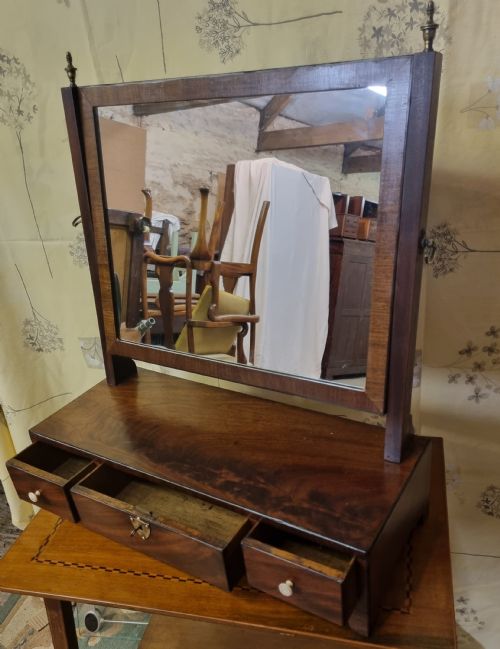
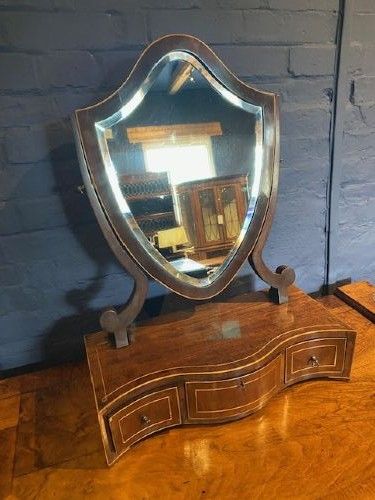
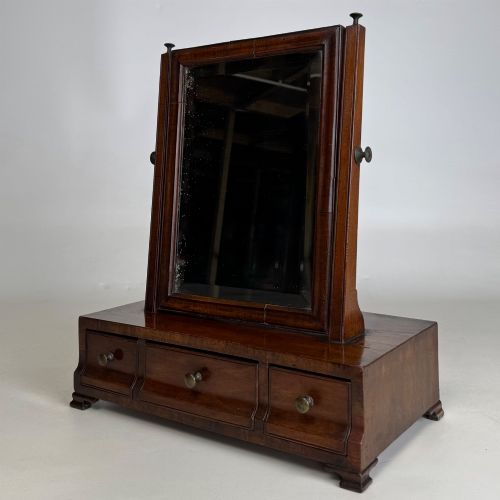
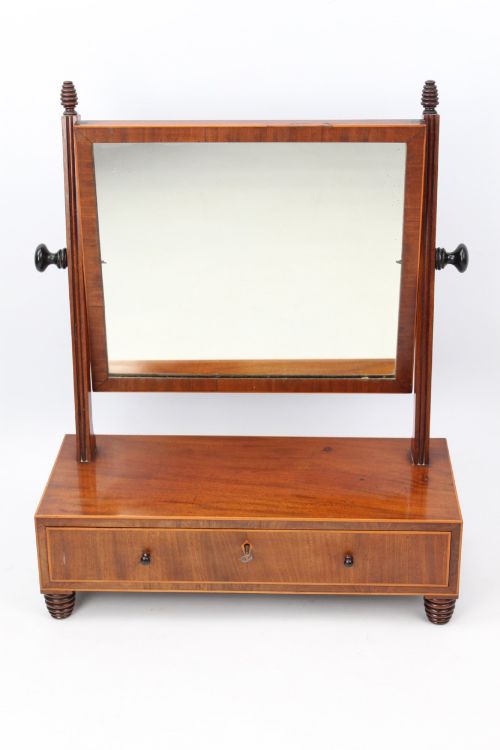
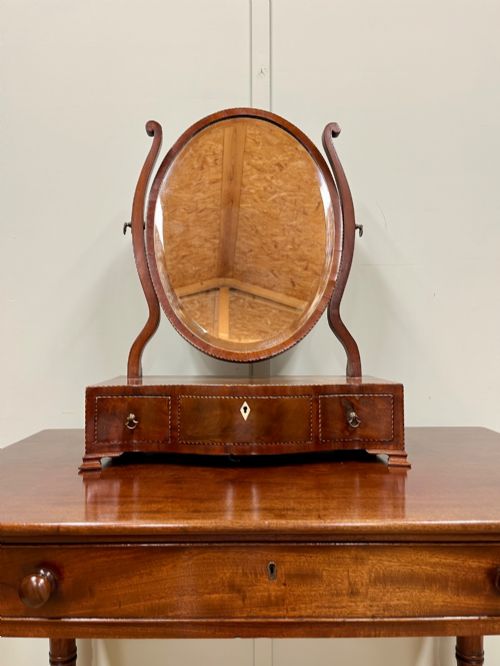
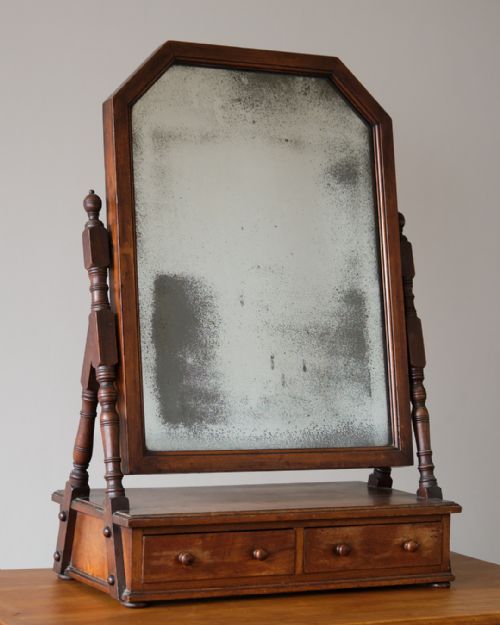
An antique mahogany vanity glass provides a functional surface and a clear reflection, typically resting on a box base fitted with small drawers.
Antique Mahogany Vanity Glass
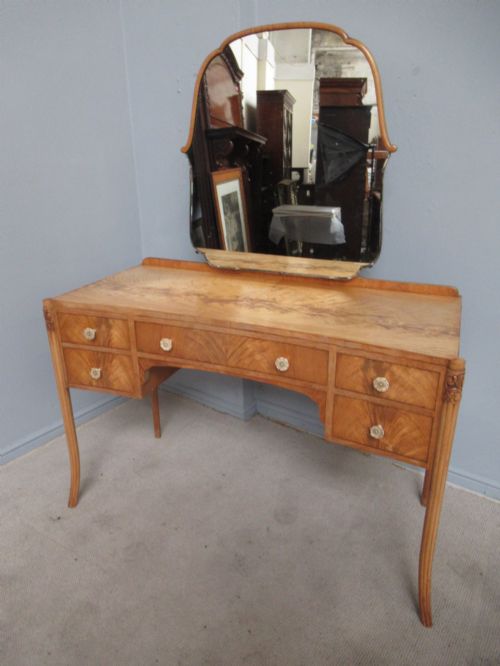
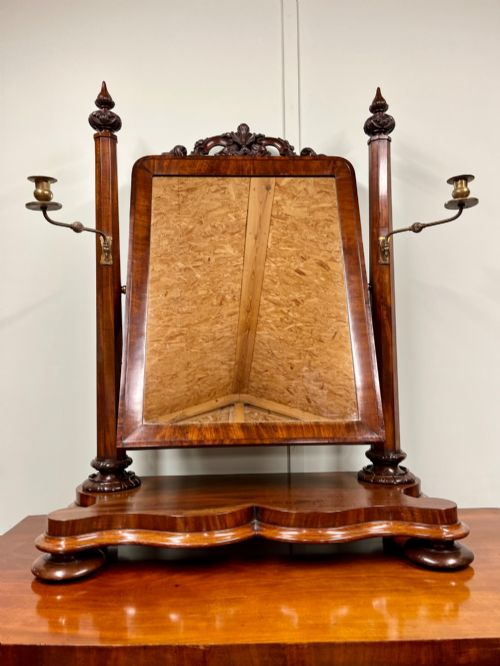
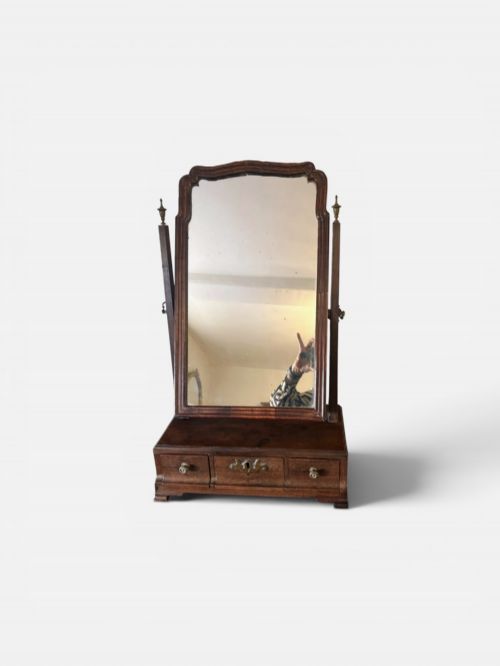
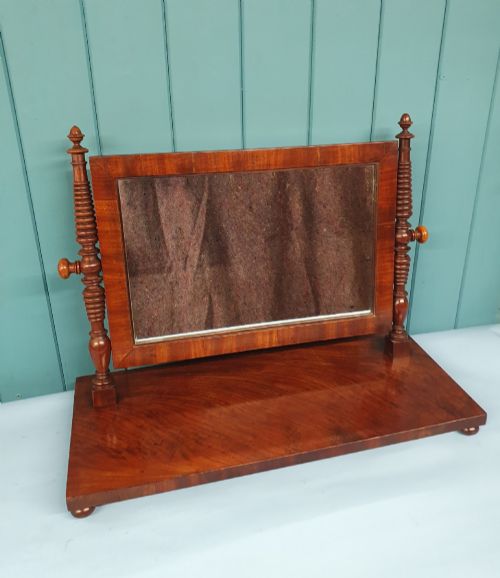
An antique mahogany vanity glass sits on a dressing table or chest, designed to tilt within upright frame supports so the user can adjust the angle. The forms range from simple swing mirrors on boxes to larger table-top cheval mirrors and hand-held glasses.
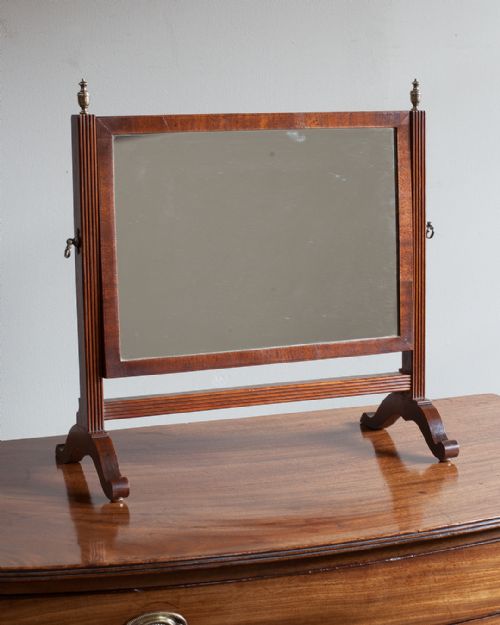
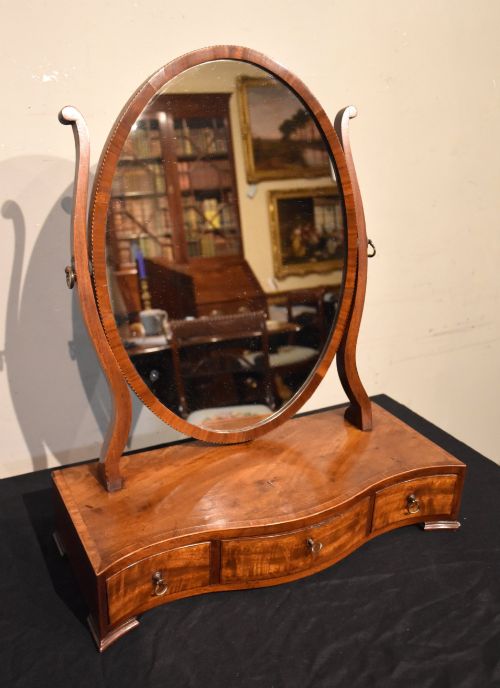
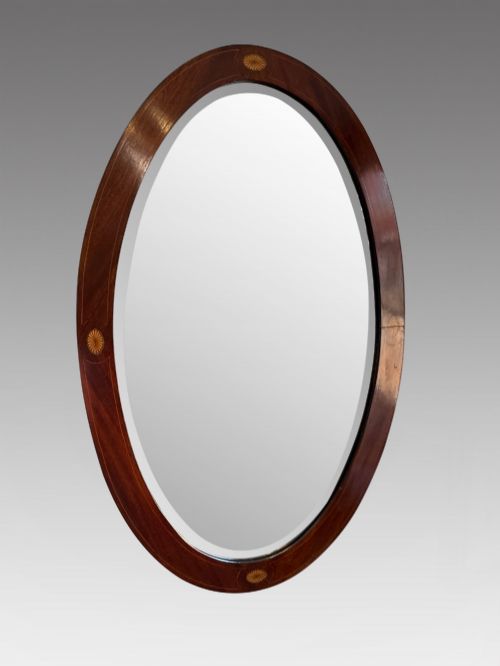
Georgian and Regency pieces dominate the selection, often featuring rectangular or oval mirror plates set into mahogany frames. Makers built these mirrors to accompany dressing tables, combining utilitarian function with polished timber grain.
How they were made
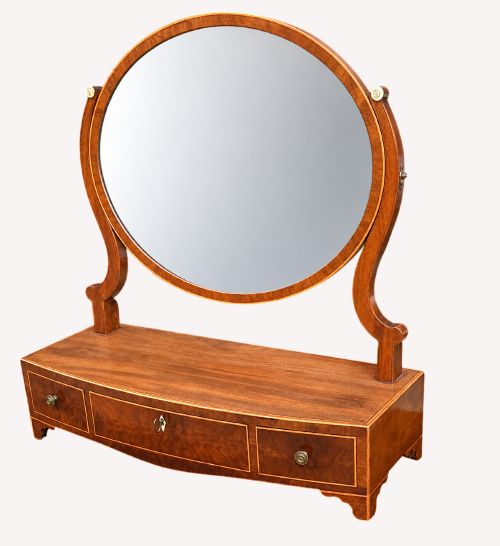
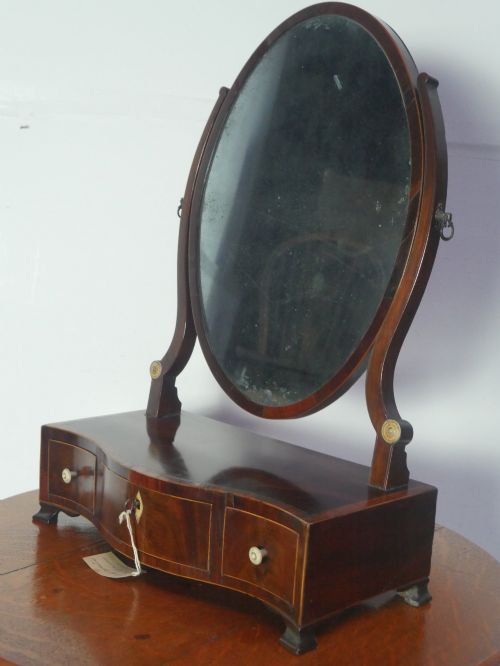
Cabinet makers utilised solid mahogany and veneers, frequently adding satinwood inlay, brass fittings, or bone escutcheons to enhance the visual depth of the wood. Frames and box bases relied on traditional joinery to support the weight of the pivoting glass.
Mirror glass of the period was hand-silvered or cast, producing subtle surface variations distinct from modern plate glass. Parcel-gilt highlights and crossbanded borders frequently complemented the rich brown tones of the mahogany.
The listings span the 18th, 19th, and early 20th centuries, featuring Georgian, Regency, Victorian, and Edwardian periods in mahogany, brass, and glass.
What varies in quality
The refinement of the timber and the subtlety of the woodwork distinguish the finest examples from standard production pieces. Figured mahogany grain, crisp mouldings, and balanced proportions mark out superior work from the 18th and 19th centuries.
Internal construction of the associated drawer boxes also indicates standard, using secondary woods and neat dovetailing. Retaining original mirror plates, brass urn finials, and matching hardware elevates the integrity of the piece.
Heal & Sons·Thomas Rubergall of London
The Antique Mahogany Vanity Glass Glossary
- Mahogany
- A durable tropical hardwood imported for English cabinet making, valued for its deep reddish-brown colour and stable grain. It forms the primary structure of these mirrors.
- Toilet mirror
- A traditional term for a smaller dressing mirror designed to sit on a tabletop or washstand. These pieces often incorporate small drawers in the base.
- Swing mirror
- A mirror plate hung on pivots between two upright posts, allowing the glass to tilt. This mechanism is central to dressing and vanity glasses.
- Cheval mirror
- A full-length freestanding mirror supported on a frame with four legs. Tabletop versions also appear in Edwardian examples.
- Crossbanding
- A decorative border of veneer laid across the grain of the primary wood. It frames the edges of mirror frames and drawer fronts on better pieces.
Antique Mahogany Vanity Glass: Frequently Asked Questions
What is an antique mahogany vanity glass?
An antique mahogany vanity glass is a tabletop dressing mirror framed in mahogany, usually mounted on pivots between two upright supports.
Most examples sit atop a small box base fitted with drawers for storing personal items.
How do I date an antique vanity glass?
Dating relies on stylistic clues such as the shape of the mirror frame, the presence of inlay, and the construction of the base drawers. Georgian pieces often feature serpentine fronts, while Regency versions show simpler classical lines.
Hardware details like brass finials and bone escutcheons also provide helpful chronological markers for the 18th and 19th centuries.
Where were these mirrors placed?
They were designed for bedrooms and dressing rooms, placed upon dressing tables, washstands, or chests of drawers.
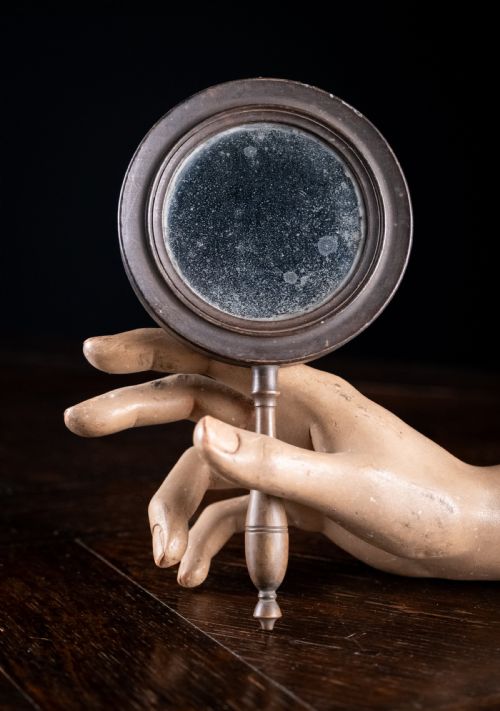
Smaller hand-held or double-sided versions were used for close inspection during grooming.
What is the difference between a toilet mirror and a cheval mirror?
A toilet mirror is a smaller glass designed to sit on top of a piece of furniture, typically incorporating a drawer base. A cheval mirror is a taller glass, often full-length, supported on a floor-standing or large tabletop frame.
Both types utilise pivoting mechanisms to adjust the angle of the reflection.