
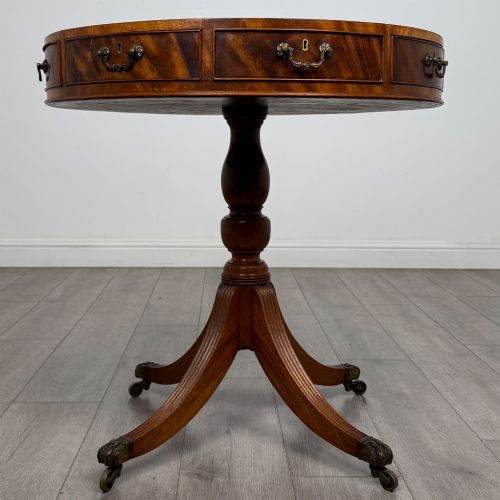
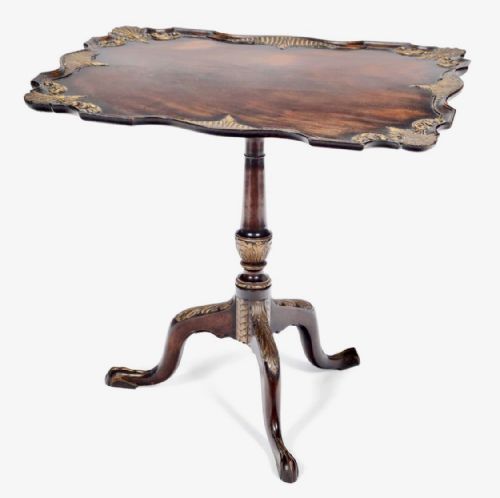
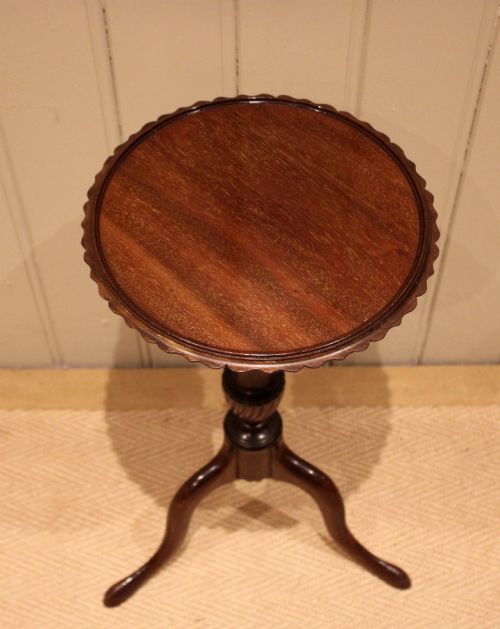
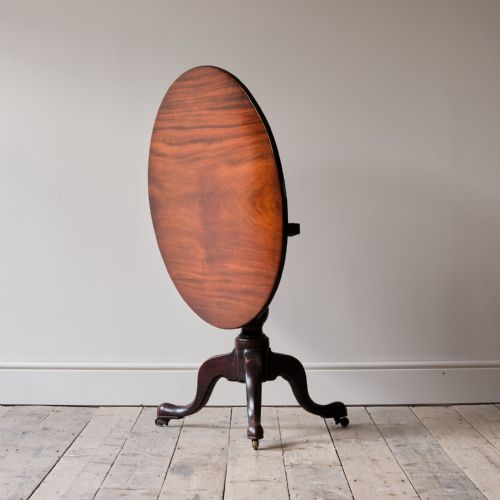


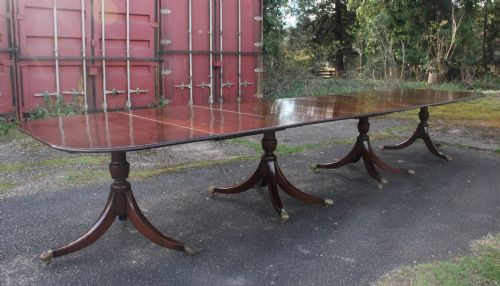
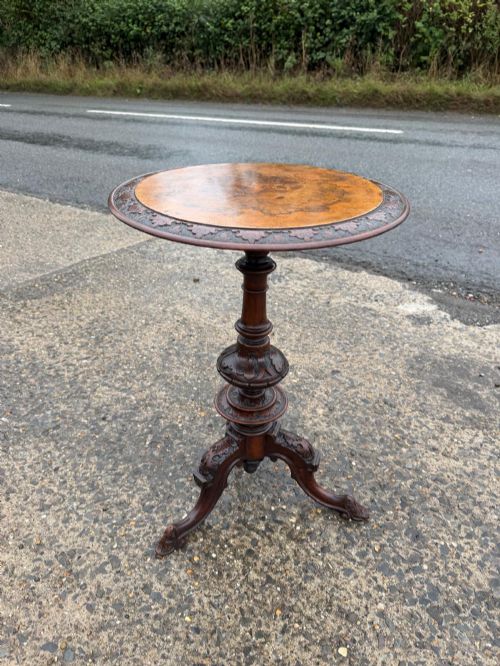
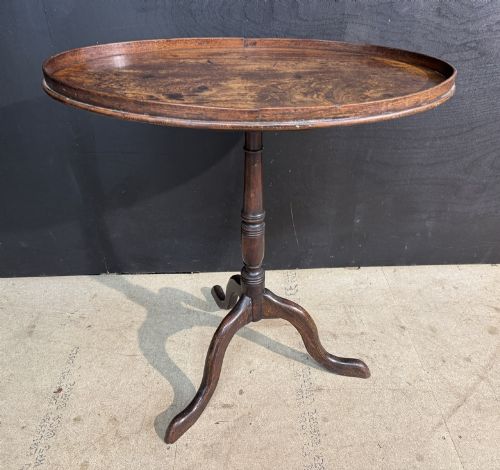
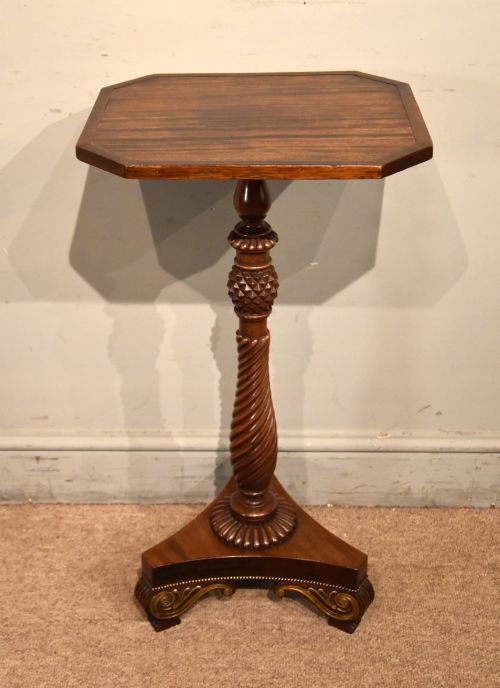
Antique Mahogany Tripod Table
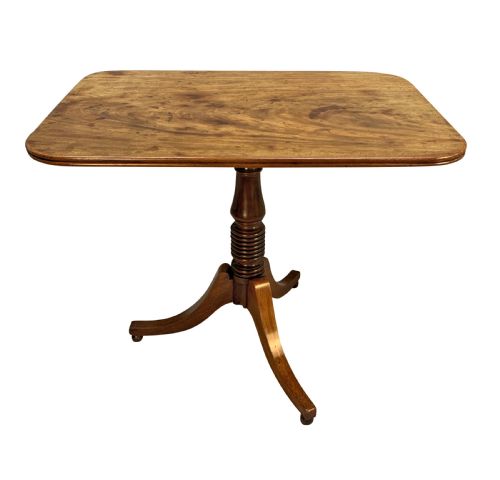
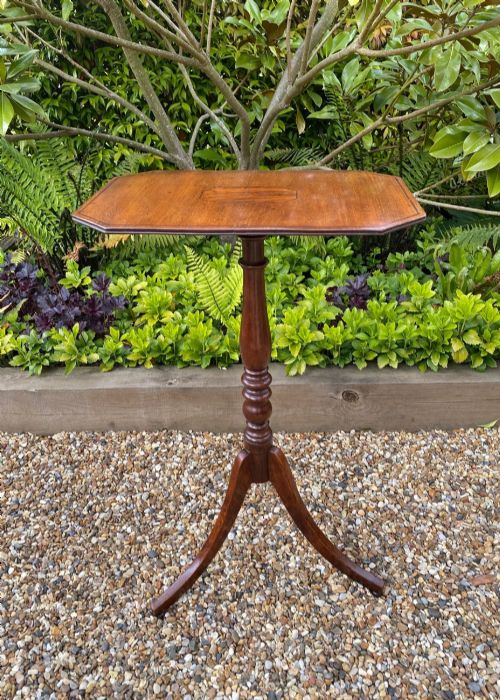
An antique mahogany tripod table offers a versatile surface supported on three cabriole or turned legs, prized for its elegance and utility in period interiors.
Understanding the antique mahogany tripod table
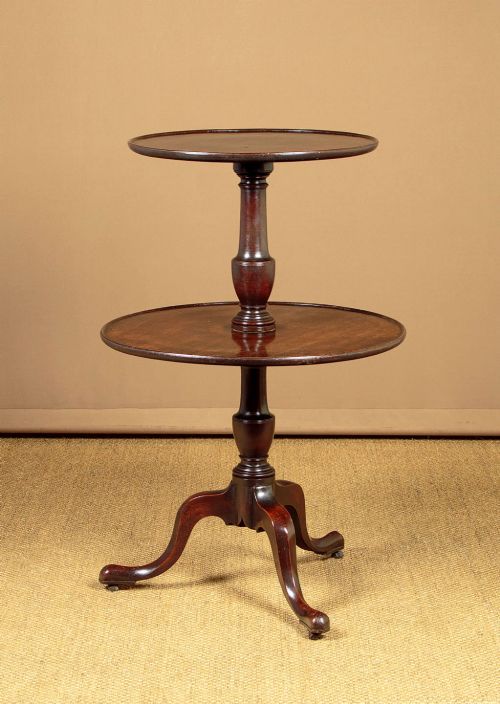
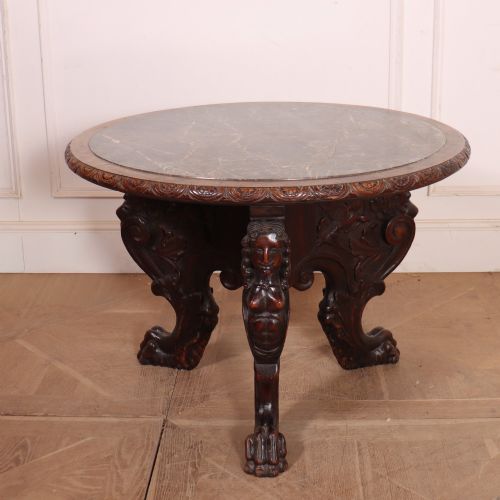
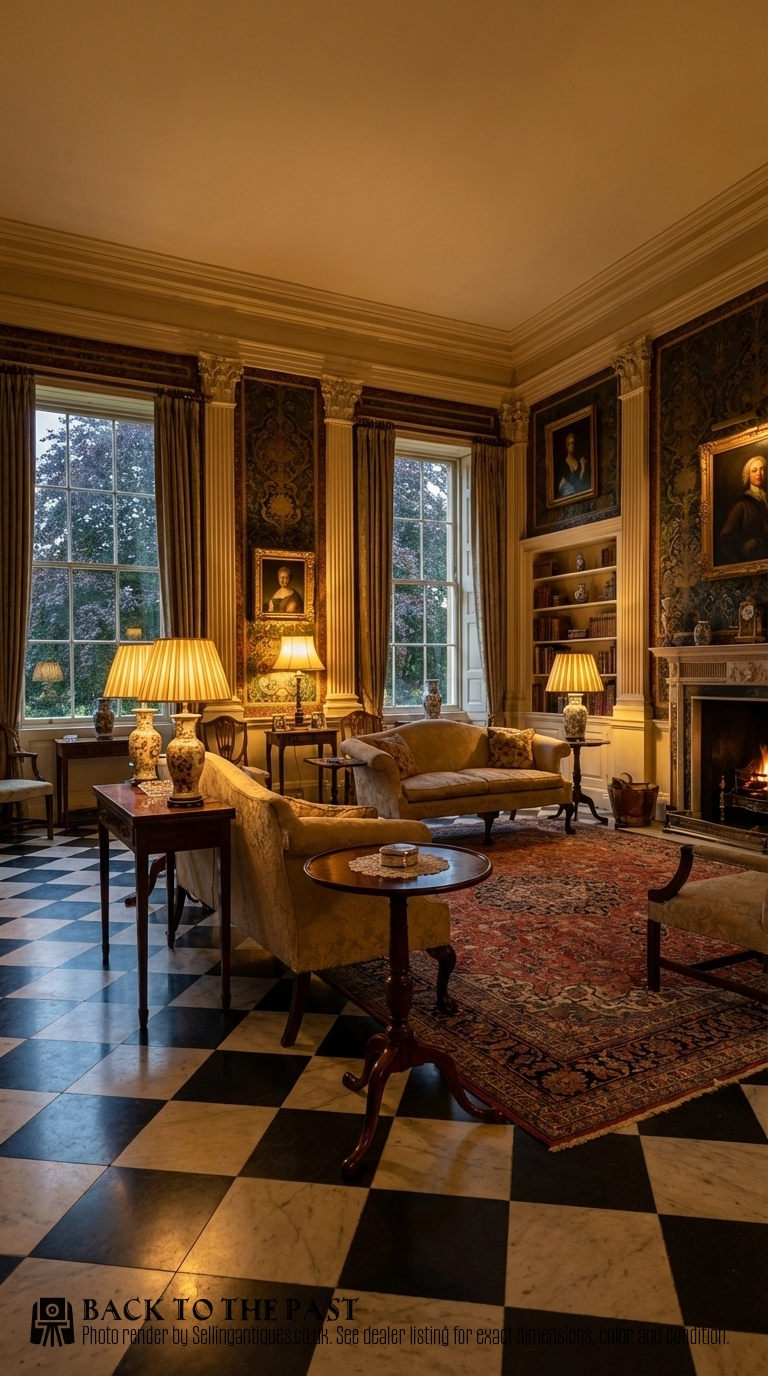
An antique mahogany tripod table is a compact form designed to serve various functions around the home, appearing as wine tables, lamp tables, or occasional pieces. The versions most commonly encountered on this page belong to the Georgian, Regency, and Victorian periods, alongside specific George III and 18th-century examples.
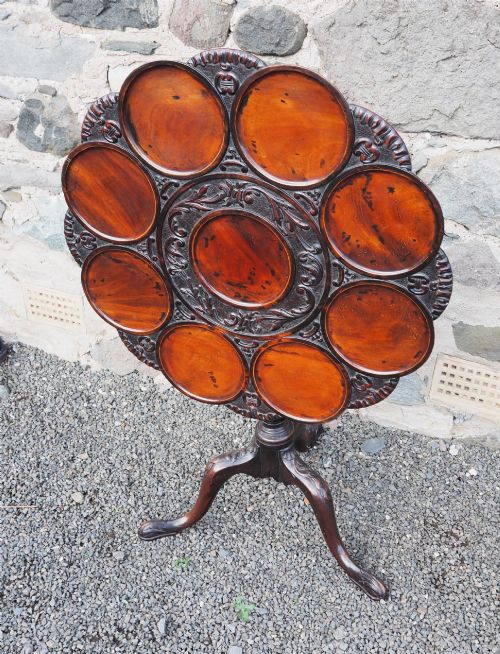
Makers shaped these items into side tables and occasional tables, frequently incorporating tilt tops or snap-top mechanisms that allowed the surface to fold vertically when not in use. These forms provided a practical solution for domestic spaces where furniture needed to be moved or stored easily against a wall.
Evidence from past and current listings shows a strong representation of Georgian and Victorian craftsmanship, often described as wine tables or supper tables. Buyers select them for their slender profiles and warm timber tones, which integrate readily into modern and traditional rooms alike.
Materials and construction
The primary material across the listed pieces is mahogany, selected for its rich grain, strength, and durability. Certain examples incorporate supplementary materials such as brass fittings or wood inlay to accent the main timber structure.
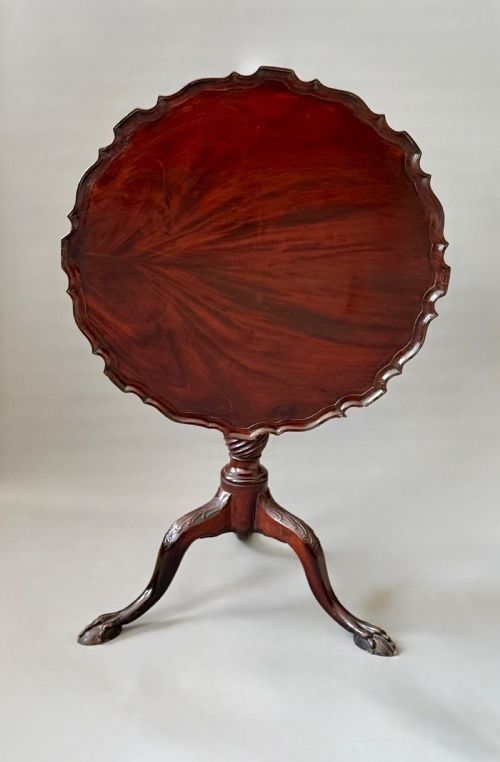
Joinery methods combined turned central columns with three radiating legs, secured to the tabletop via fixed mounts or pivoting tilt-top mechanisms. Cabinetmakers utilised solid mahogany and figured veneers, shaping circular, oval, or dish tops to suit the intended function of the table.
Retail Price Guide 2026
Typical UK retail prices for mahogany tripod table, calculated from the Sellingantiques database of over a million retail prices indexed since 2003. This retail price guide relies exclusively on Sellingantiques data; no external sources or auction records are used, so the figures do not describe the wider market.
Some Victorian examples doubled as chess games tables, featuring inlaid boards ready for an impromptu match by the fireplace.
Distinctions in quality and finish
Quality in these pieces is dictated by the selection of the timber, particularly figured mahogany and dish tops that require superior turning and carving skill. The refinement of the column turning and the stability of the tripod base further separate standard domestic items from finer examples.
Proportion and the execution of the tilt-top mechanism dictate the overall integrity of the piece. Tables with crisp detailing on the legs and a balanced stance represent the upper tier of surviving examples.
The Antique Mahogany Tripod Table Glossary
- Tripod table
- A small occasional table supported by a central pillar resting on three legs. This construction prevents wobbling on uneven floors.
- Tilt top
- A tabletop mounted on a hinge mechanism that allows the surface to tilt flat against the column when not in use. This design saved space in period rooms.
- Dish top
- A circular tabletop with a raised, concave rim carved from the solid wood. It prevented items like cups or glasses from sliding off.
- Snap top
- A spring-loaded catch mechanism that locks a tilting tabletop securely in the horizontal position. It releases to allow the top to fold down.
- Cuban mahogany
- A dense, heavy variety of mahogany sourced from the Caribbean, known for its dark colour and fine grain. Cabinetmakers used it extensively during the 18th and early 19th centuries.
Frequently Asked Questions
What were antique mahogany tripod tables used for?
These tables served primarily as portable surfaces for serving wine, holding lamps, or supporting reading materials during the evening. Their compact footprint allowed servants to move them easily around the reception rooms.
Over time, they evolved to accommodate various domestic tasks, functioning as supper tables, chess tables, or general occasional pieces in a drawing room.
How do I identify a George III tripod table?
George III examples typically date from the second half of the 18th century and exhibit restrained classical proportions, often featuring figured mahogany timber and turned pillar supports. Look for quality characteristics such as dish tops and finely carved cabriole legs ending in pad or snake feet.
Makers of this era focused on functional elegance, integrating tilt-top mechanisms that operated smoothly without overly bulky hardware.
Are all tripod tables tilt top?
Not all tripod tables feature a tilting mechanism, though it is a common characteristic among wine and occasional tables. Many surviving examples have fixed tops secured rigidly to the central column.
Tables designed with snap-top fittings allowed for convenient storage against walls when the room needed to be cleared.
How do I care for a mahogany tripod table?
Maintain the timber by keeping the table away from direct heat sources and strong sunlight, which can dry out the mahogany and fade the polish. Dust regularly with a dry cloth and apply occasional coats of quality beeswax to nourish the wood.
Avoid placing damp glasses directly on the surface, and ensure the tilt mechanism is supported properly if you fold the top down.