
Antique Mahogany Tilt Top
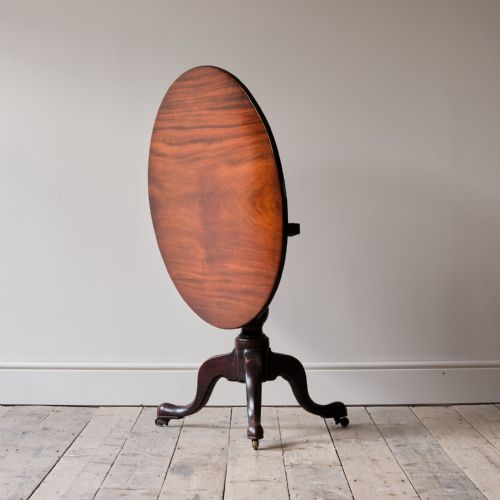
An antique mahogany tilt top table brings ingenuity and elegance to a room, pivoting upright when not in use.
Antique Mahogany Tilt Top
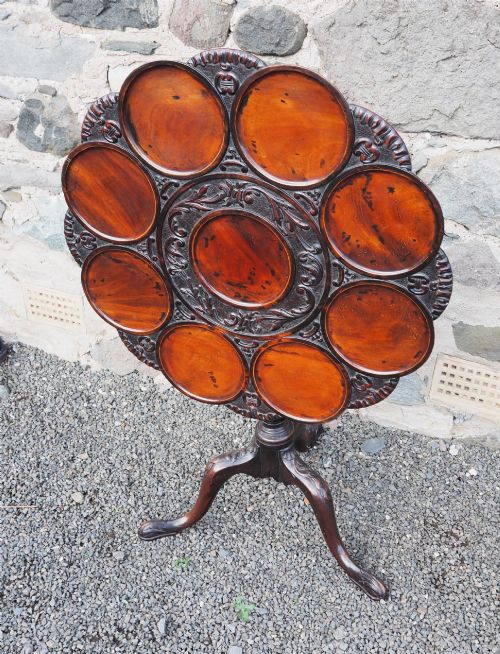
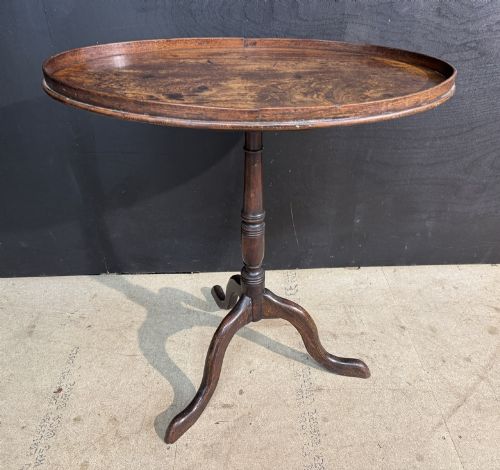
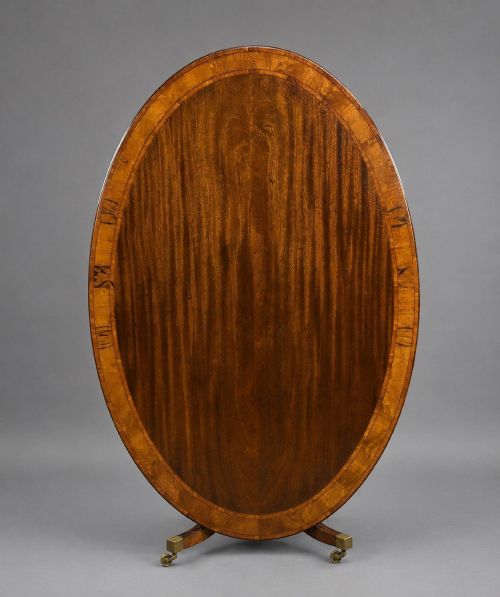
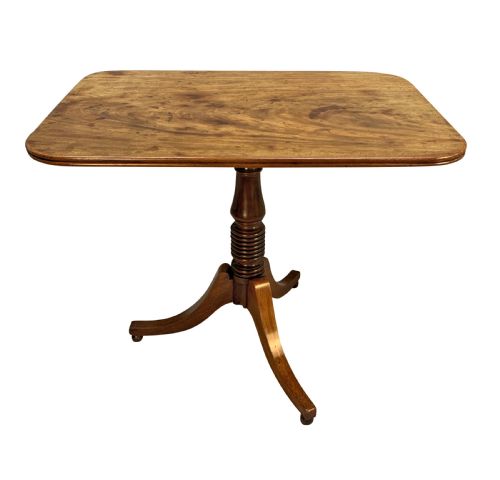
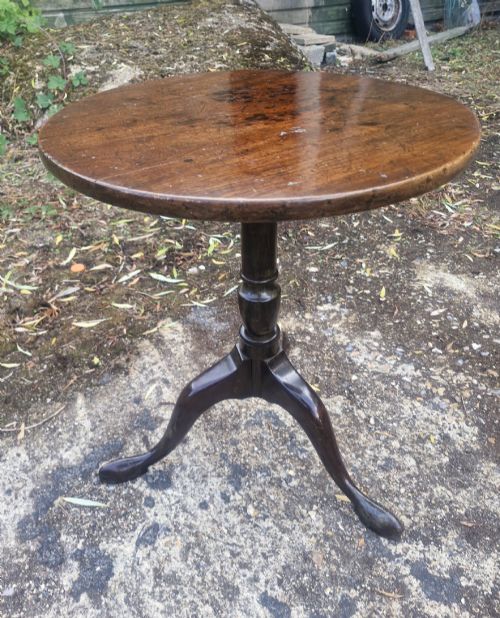
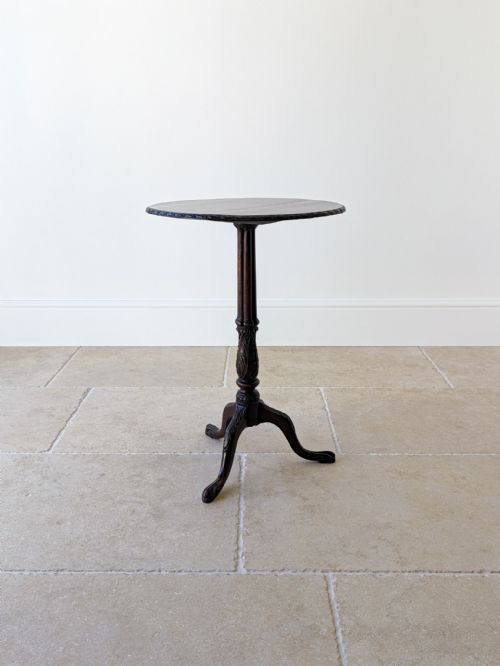
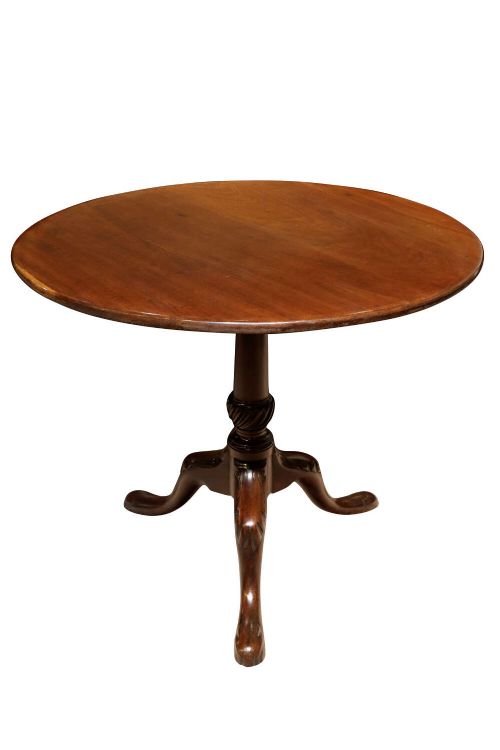
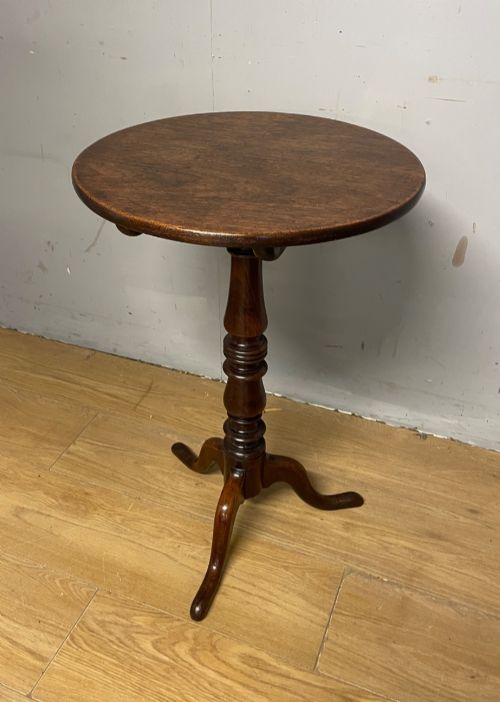
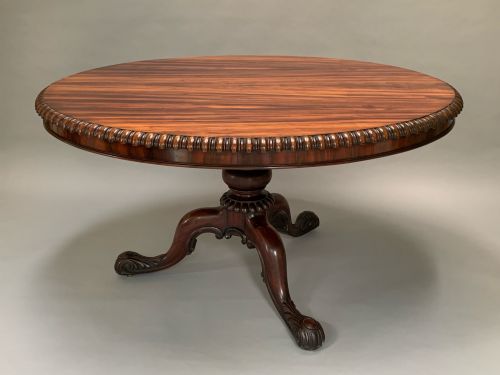
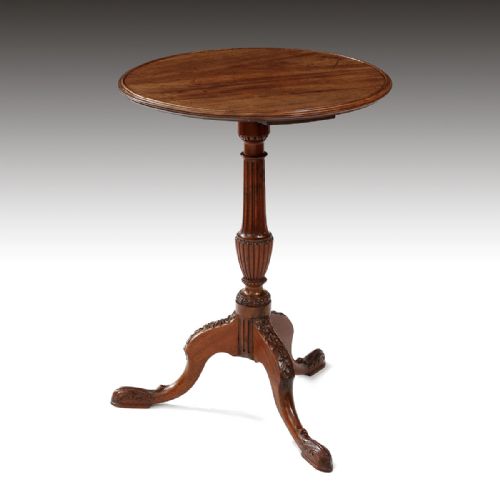
When you search for an antique mahogany tilt top, you are looking at functional furniture designed to fold flat for storage against a wall or to clear space. These pieces range from small wine tables and occasional tables resting on tripod pedestals to larger breakfast tables and dining tables seating several people.
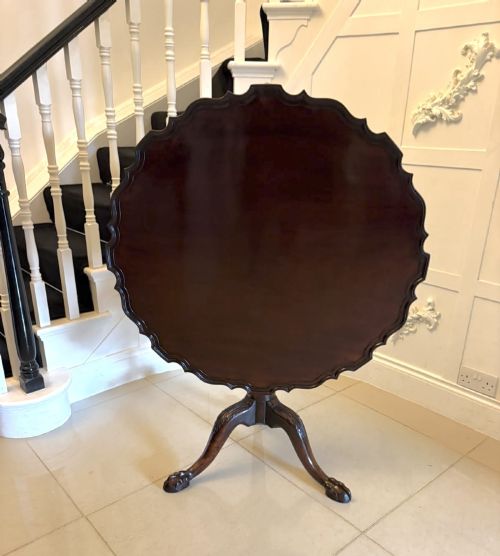
The versions you meet most frequently on this page belong to the Georgian and Victorian eras, alongside Regency examples. Common forms include circular or oval tops supported by a central column and three legs, sometimes incorporating mechanisms like a birdcage to allow rotation and tipping.
How They Were Made
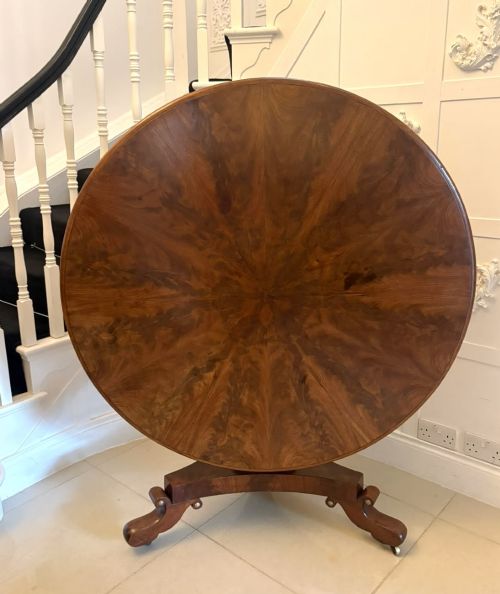
Cabinet makers relied primarily on mahogany, including Cuban mahogany and figured varieties, selected for grain pattern and stability. Secondary woods and decorative details incorporated boxwood inlay, satinwood, and brass hardware.
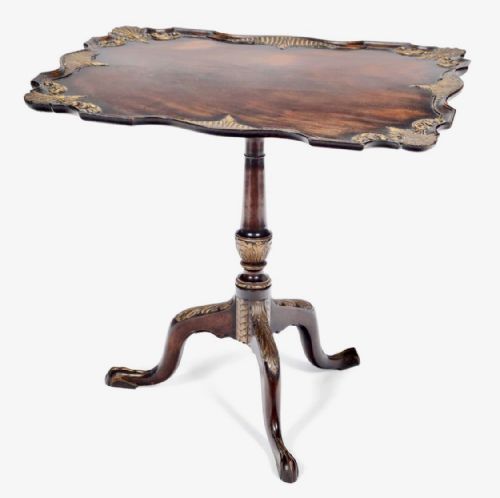
Construction involved joining solid timber or veneered surfaces to pedestals, often utilising a tilt mechanism with a catch or block. Tripod bases were shaped with carved cabriole legs or reeded pillars, occasionally accented with parcel gilding.
Antique Mahogany Tilt Top Retail Price Guide 2026
Typical asking prices for mahogany tilt top among the pieces listed under this phrase on Sellingantiques today, from the lower quarter to the upper quarter. They describe what is for sale here now, not the wider market.
Some tables tilt so often their brass catches wear smooth, whispering stories of hurried breakfasts and vanished parlour games.
What Varies in Quality
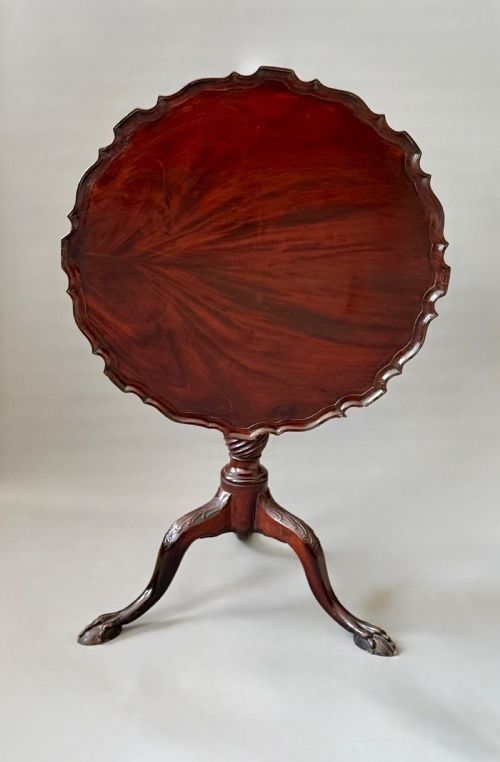
Quality rests in the choice of timber and the crispness of execution. Figured or flame mahogany displays rich depth, while piecrust edges and carved tripod legs reveal the hand of a skilled maker.
Mechanism design distinguishes standard pieces from superior examples. A well-fitted birdcage action or a secure tilting catch operates smoothly without excessive play in the central column.
Gillows
The Antique Mahogany Tilt Top Glossary
- Tilt-top
- A table top hinged to the pedestal so it can be pivoted vertically to save space. This mechanism makes storage straightforward when the furniture is not in use.
- Tripod base
- A pedestal support terminating in three legs. It provides stability on uneven floors and leaves ample legroom for seated occupants.
- Birdcage
- A framework beneath the table top allowing it to both rotate and tilt. This clever construction is found on finer examples from the Georgian period.
- Pie crust edge
- A raised, carved border shaped in undulating curves around the perimeter of a circular top. It is typically associated with Chippendale style pieces.
- Breakfast table
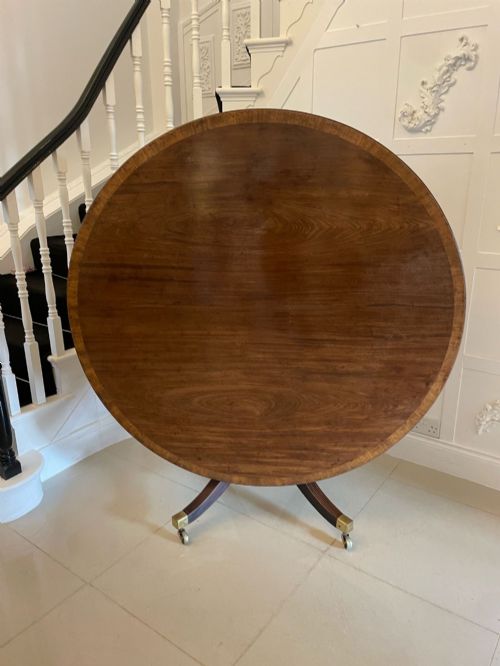
- A larger pedestal table used originally for morning meals or as a centre table in a parlour. These often feature oval or circular tops in figured mahogany.
Antique Mahogany Tilt Top: Frequently Asked Questions
How do you use a tilt top table?
These tables function as standard surfaces for dining, reading, or displaying objects during the day. When floor space is needed, releasing the catch allows the top to tilt vertically.
Once upright, the table tucks neatly against a wall or corner. This dual purpose reflects the adaptable room layouts of period homes.
What is a birdcage mechanism?
A birdcage is a small wooden assembly of vertical spindles and blocks beneath the table top. It connects the surface to the central column and allows 360-degree rotation.
This addition permits the user to spin the table surface in any direction before tipping it down. It is a sign of thoughtful construction found on better tables.
Where should I place it at home?
An occasional wine table fits easily beside an armchair or in an empty hallway corner. Larger breakfast tables serve well as centrepieces in a dining room or study.
Leaving the top tilted against a wall when empty displays the decorative wood grain as a feature. This approach honours the original space-saving intention of the design.