



Antique Mahogany Nursing Seat
An antique mahogany nursing seat offers low-slung comfort and Victorian character, making it a charming addition to any bedroom or fireside.
Antique Mahogany Nursing Seat
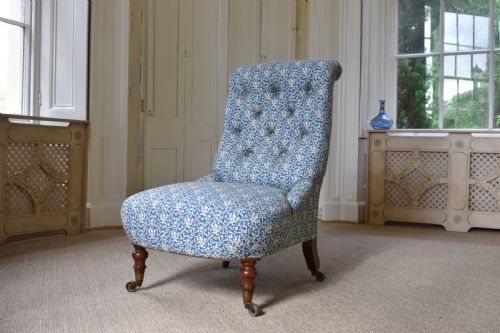
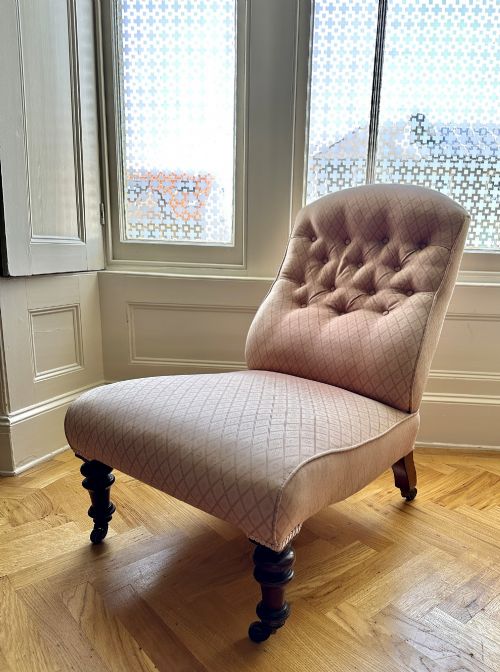
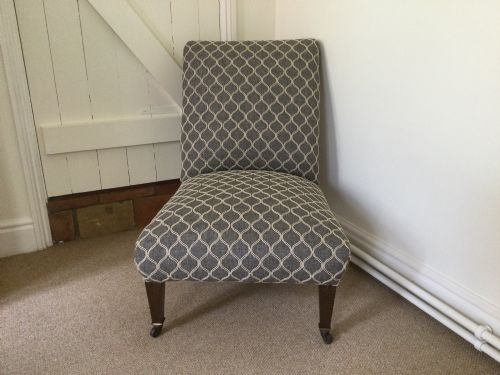
An antique mahogany nursing seat is a low-seated chair traditionally designed for comfort and ease of dress in Victorian bedrooms. These pieces appear frequently as Victorian, 19th Century, and Edwardian examples, spanning forms such as slipper chairs, bedroom chairs, and salon chairs.
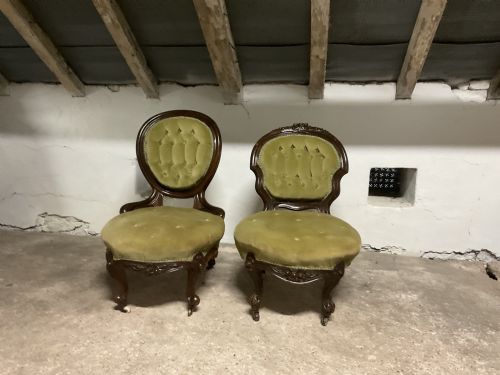
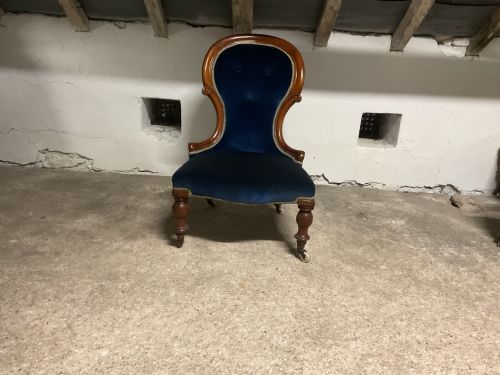
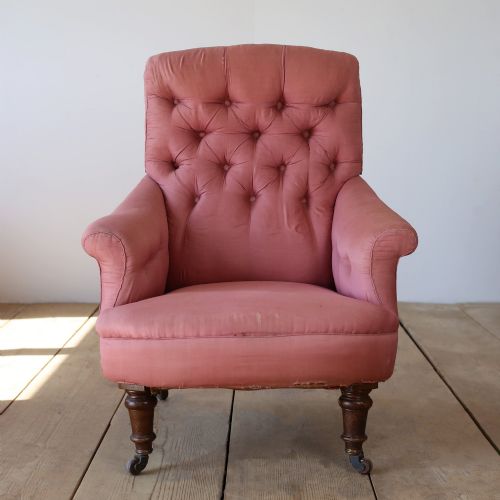
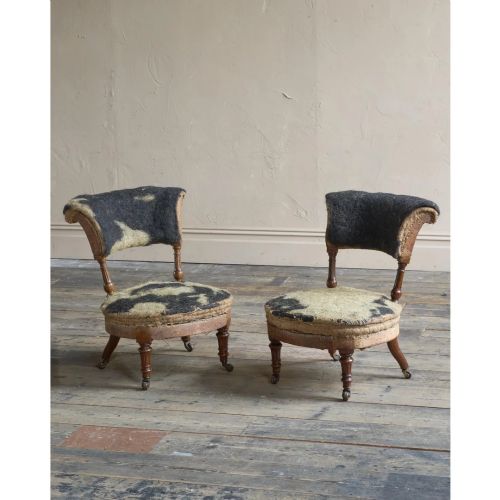
The selections on this page showcase various iterations including button-back armchairs, prayer chairs, and gossip chairs. Most examples utilise solid mahogany frames combined with upholstered pads in fabrics like velvet and tapestry.
Buyers will encounter distinct regional and stylistic variations, ranging from Scottish Vernacular to Regency and Chippendale Revival aesthetics. These low-slung seats remain practical accent pieces for modern living spaces.
Materials and construction methods
Cabinetmakers built the foundational frames using dense mahogany, sometimes incorporating brass castors on the legs for mobility. Iron frames or metal internal supports occasionally reinforce the structure beneath the padding.
Upholstery techniques typically involved deep buttoning across the backrest, supported by traditional stuffing and secured with fabric, velvet, or tapestry. Decorative elements like bobbin legs, inlay, and carved woodwork define the visible frame.
Some Victorian models were specifically termed gossip chairs, built with wide seats designed for intimate sideways conversation.
Judging the quality of the build
The integrity of the mahogany frame dictates the baseline quality, with tight joints and crisp carving separating superior examples from simpler vernacular pieces. Frames that retain their original structural stability without excessive play demonstrate better initial craftsmanship.
Upholstery execution and the quality of the covering fabric significantly influence the overall standard of the chair. Pieces bearing maker stamps or attribution to established workshops display a higher level of workshop execution.
Howard and Sons·Hindley and Sons·Wheeler Of Arncroach
The Antique Mahogany Nursing Seat Glossary
- Mahogany
- A durable tropical hardwood prized for its reddish-brown colour and fine grain. Cabinetmakers utilised it extensively for structural frames throughout the nineteenth century.
- Button back
- An upholstery method where deep indentations are formed by pulling stitches through the padding and securing them with covered buttons. This technique provides both visual rhythm and firm back support.
- Slipper chair
- A low-seated upholstered chair originally designed for ladies to sit upon while putting on shoes or garments. They generally lack arms to accommodate voluminous Victorian skirts.
- Castor
- A small wheel attached to the base of furniture legs to permit easy rolling across carpets and floors. They are frequently cast from brass and mounted on ceramic sockets.
- Bergere
- A type of enclosed upholstered armchair with wooden frames and woven cane panels. It appears in various nineteenth-century bedroom and salon seating arrangements.
Antique Mahogany Nursing Seat: Frequently Asked Questions
What is a nursing chair used for?
These low seats were originally designed for Victorian women to sit comfortably while nursing infants or dressing in the bedroom.
Today, buyers use them as accent pieces in bedrooms, dressing rooms, or living spaces where a lower seat height creates an intimate fireside arrangement.
How do I date an antique mahogany nursing seat?
Dating relies on examining the framing style, timber characteristics, and upholstery foundations. Victorian pieces often display button backs and mahogany frames, while Edwardian examples might incorporate lighter inlaid woodwork.
Hardware such as brass castors and the construction methods used on the underside of the seat also offer clear chronological clues for the nineteenth and early twentieth centuries.
What is the difference between a nursing chair and a slipper chair?
Nursing chairs traditionally feature slightly taller backs and often include arms to support someone holding a child. Slipper chairs are typically armless and sit very low to the ground, designed originally for putting on footwear.
In practice, nineteenth-century makers and modern listings frequently overlap these terms due to their similar low proportions and bedroom origins.
Can I use these chairs in a modern living room?
Yes, their compact footprints and low profiles make them versatile seating options for modern interiors. They work well as occasional chairs beside a fireplace or tucked into a bedroom corner.
Many pieces are suited for contemporary living spaces, whether they retain their historic upholstery or have been newly recovered in fresh fabrics.