
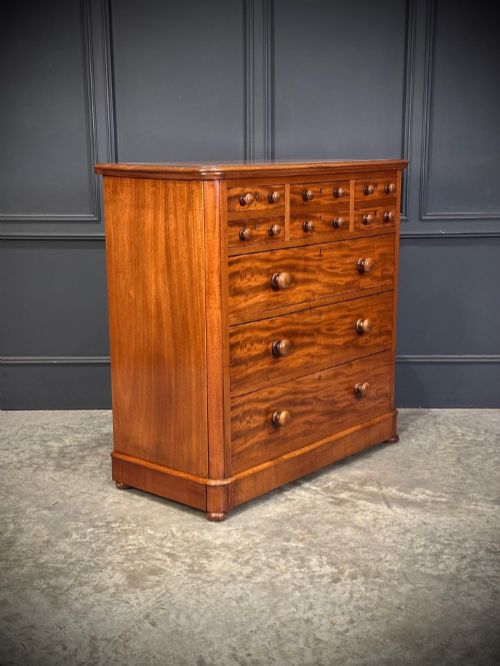
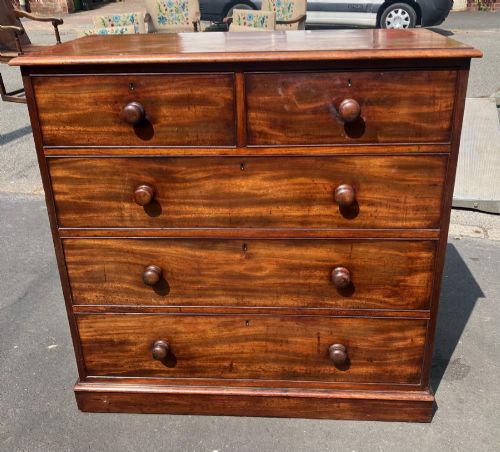
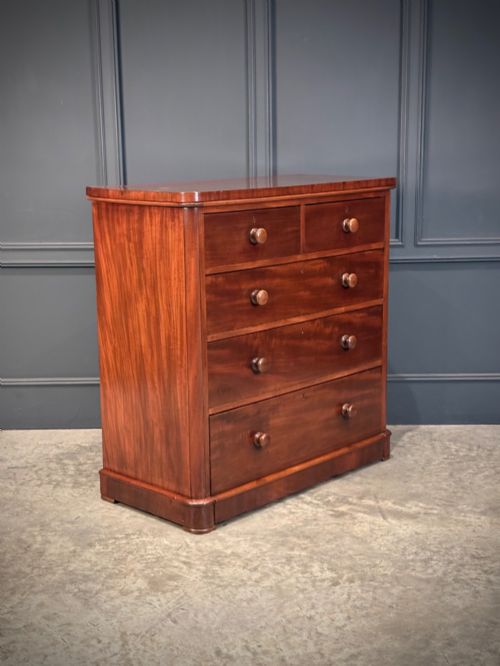
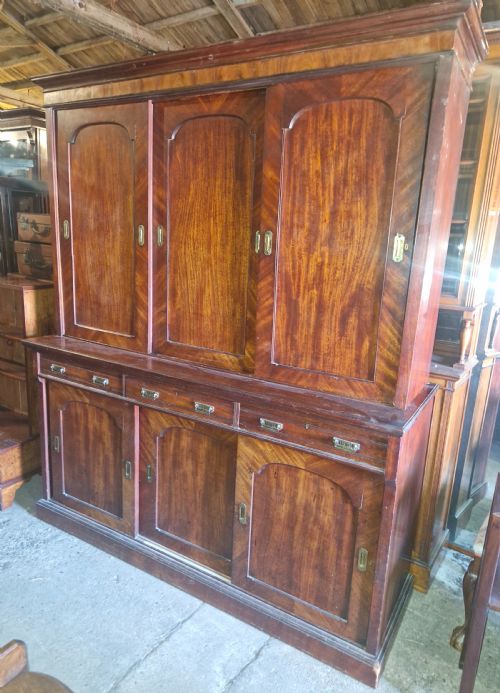
Antique Mahogany Dresser Base
An antique mahogany dresser base is a robust timber serving piece that anchors a dining room with deep colour and generous storage.
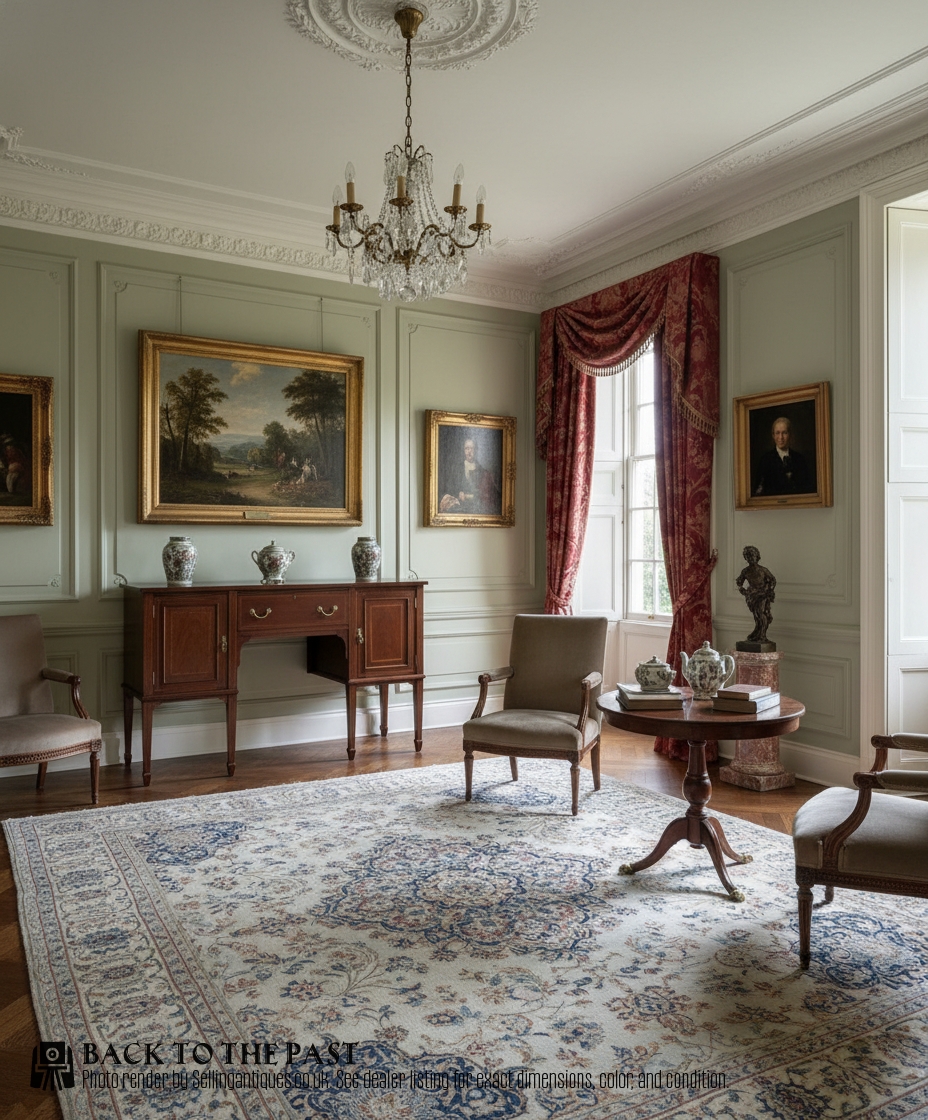
Identifying an antique mahogany dresser base
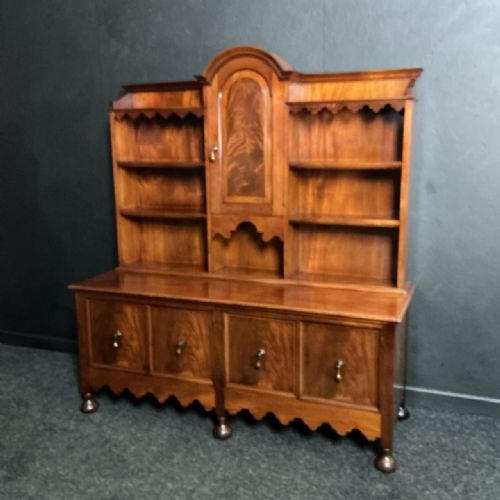
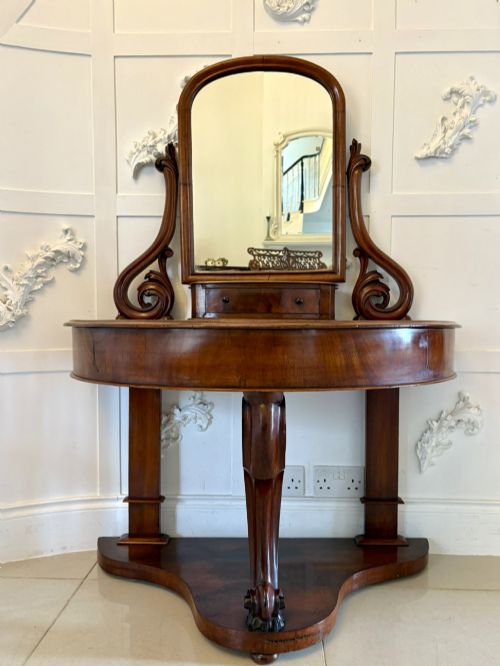
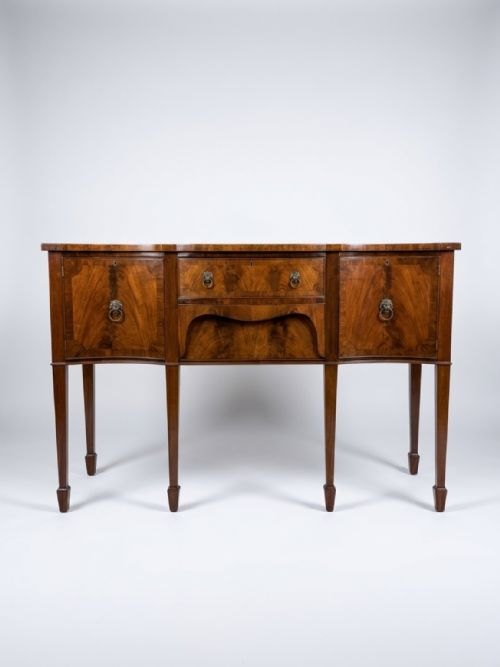
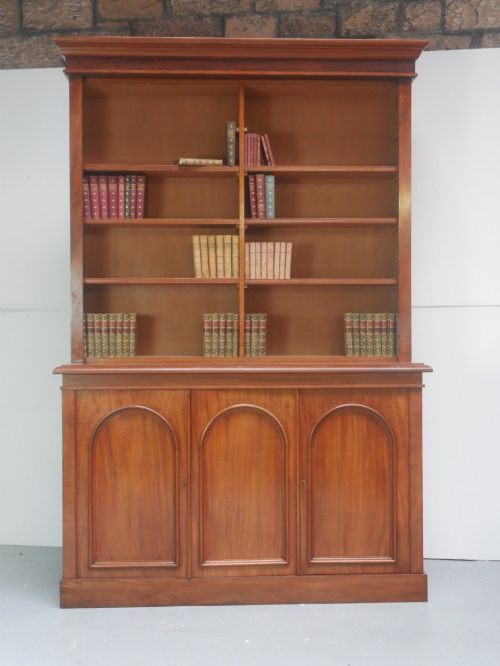
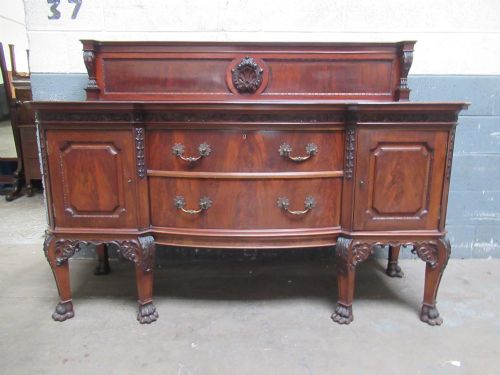
When you search for an antique mahogany dresser base, you are looking at substantial timber furniture designed for domestic service, usually found in forms crossing over with sideboards, chiffoniers, and low servers. The examples meeting you here span from the Georgian and Regency periods through the nineteenth century into the Edwardian era, capturing shifts in domestic tastes.
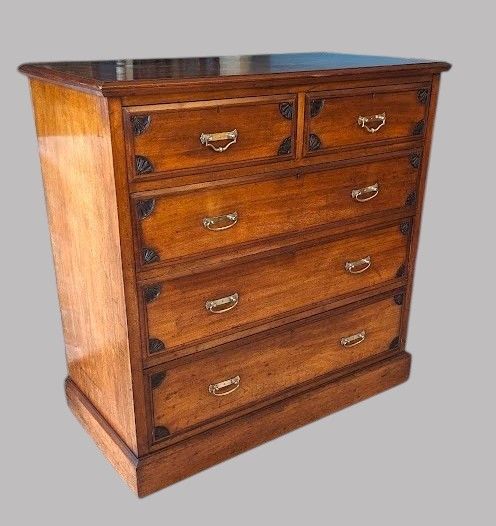
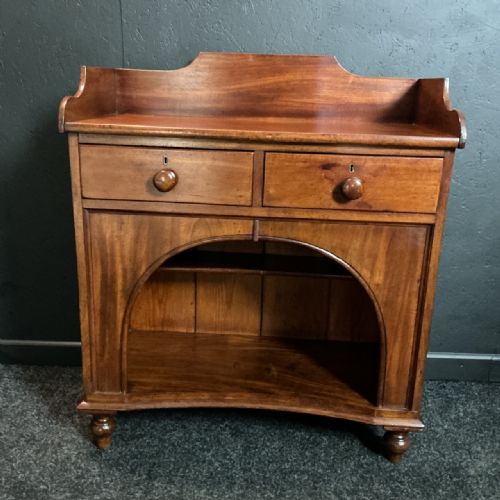
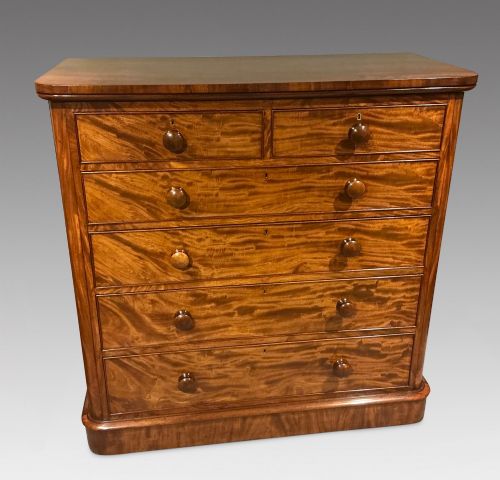
The most likely version to cross your path on this page is a nineteenth-century or Victorian mahogany piece, often featuring cupboards, drawers, or a low serving surface. Alongside these, earlier Georgian iterations appear constructed from oak and mahogany, sometimes originating from Welsh workshops.
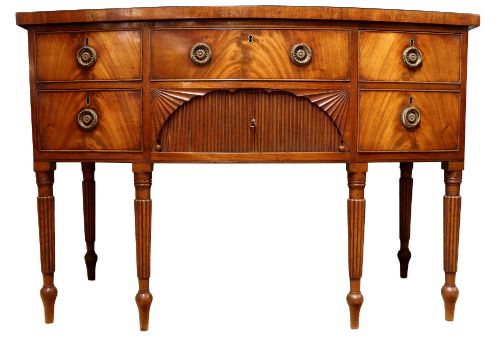
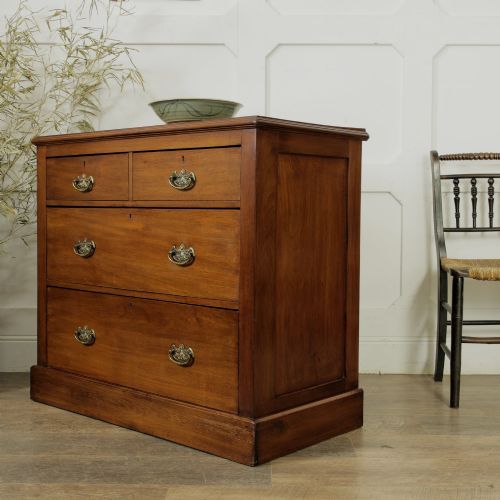
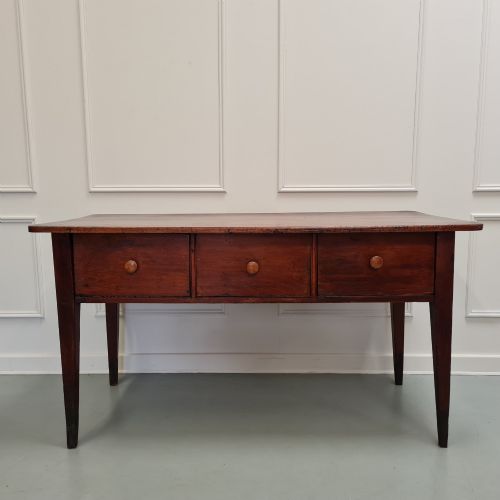
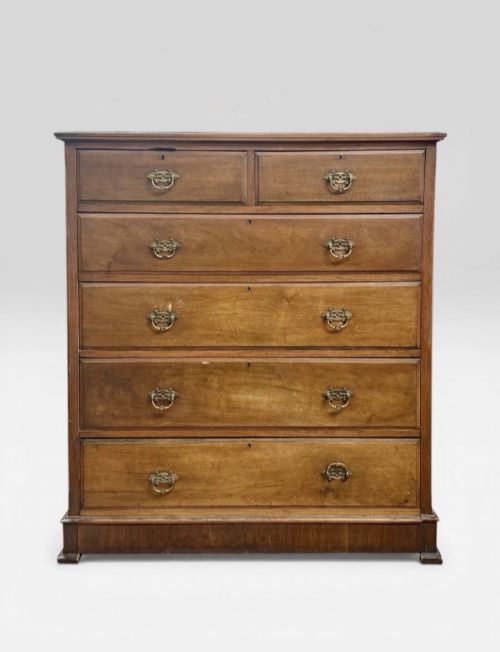
Forms vary from bow-fronted sideboards and breakfront servers to simpler three-drawer low dresser bases and tall chiffoniers. Regional pieces from locations such as Shropshire or Anglesey bring distinct local joinery traditions to the fundamental timber frame.
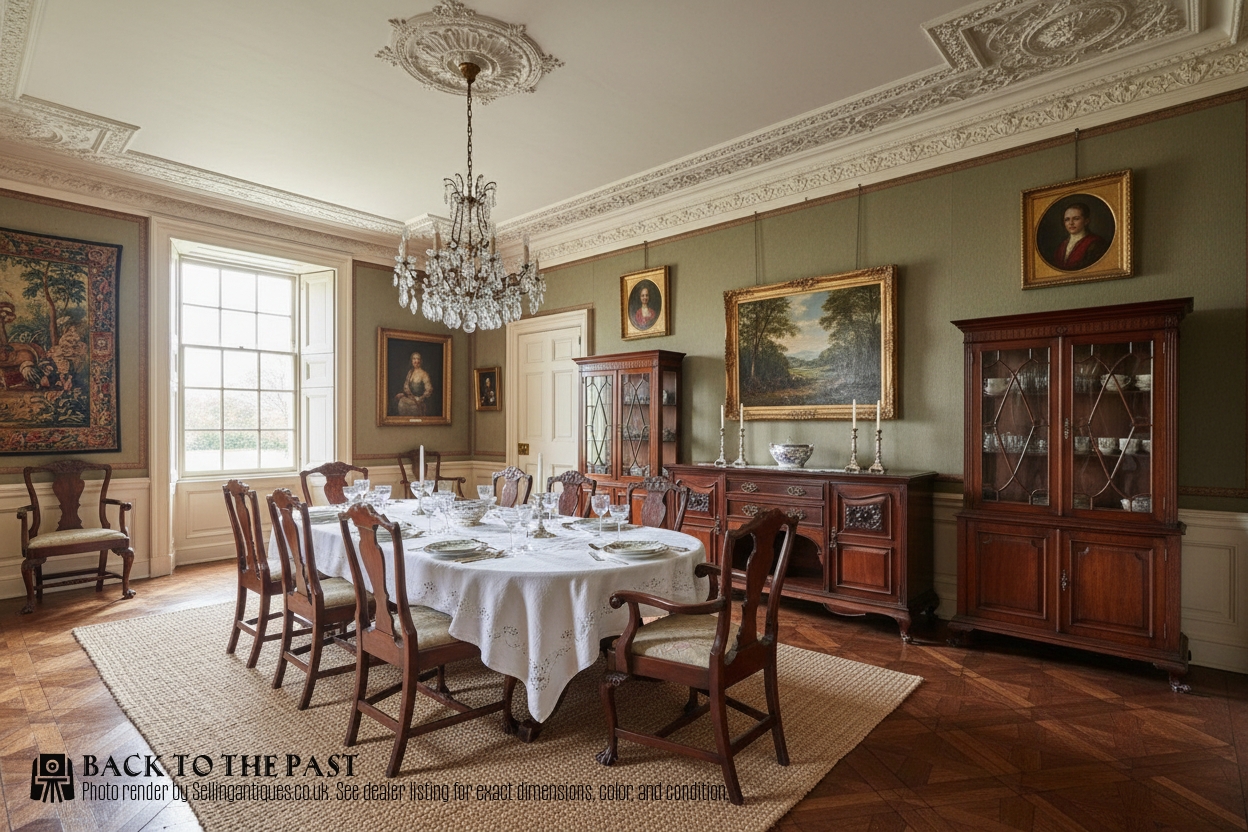
Materials and construction
Makers built these pieces primarily using solid mahogany and flame mahogany veneer, frequently combined with secondary timbers like oak, pine, and fruitwood. Surface enrichment came through decorative wood inlay, satinwood banding, and carved details.
Hardware played an essential functional and decorative role, with original brass handles, knobs, and escutcheons fitted to drawers and cupboard doors. Where the design called for it, glass panels, mirror glass, and integrated plate racks completed the structure.
Retail Price Guide 2026
Typical UK retail prices for mahogany dresser base, calculated from the Sellingantiques database of over a million retail prices indexed since 2003. This retail price guide relies exclusively on Sellingantiques data; no external sources or auction records are used, so the figures do not describe the wider market.
Some nineteenth-century makers cleverly integrated hidden cellaret drawers lined for chilling wine directly into the sideboard base.
The spectrum of quality
Quality rests in the selection of timber, where figured grain, matched flame mahogany veneers, and harmonious secondary woods separate standard workshop output from exceptional commissions. The depth of the colour and the integrity of the polished finish reveal how carefully the timber has aged over the centuries.
Construction details distinguish the tier of a piece, from hand-cut dovetails in the drawer linings to the crispness of carved mouldings and the retention of original brass hardware. Regional variations in joinery show the hand of distinct makers working within Georgian and Victorian traditions.
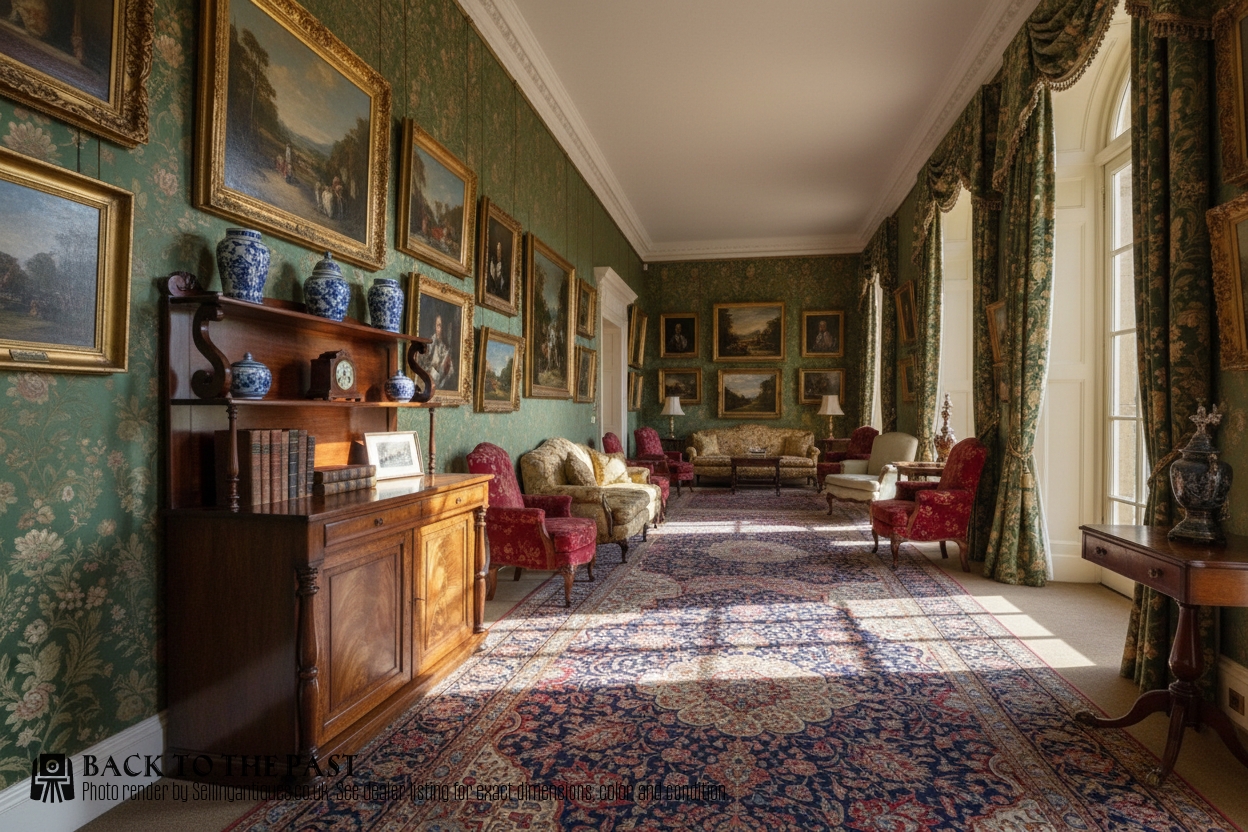
Maple & Co
The Antique Mahogany Dresser Base Glossary
- Dresser base
- A low timber cabinet fitted with drawers and cupboards, historically used for food preparation and storage in the dining room or kitchen.
- Bow front
- A convex, curved front profile popular on Regency and nineteenth-century case furniture that softens the linear geometry of a room.
- Breakfront
- A piece of furniture where the central section projects forward from the flanking outer sections, creating architectural depth.
- Chiffonier
- A compact sideboard or cabinet developed in the nineteenth century, often featuring enclosed lower cupboards and sometimes a raised shelf back.
- Flame mahogany
- A veneer cut from timber where the grain creates a distinctive flickering flame pattern, prized for decorative cabinet fronts.
Frequently Asked Questions
How do I date an antique mahogany dresser base?
Dating relies on observing the structural timbers, drawer construction techniques, and stylistic vocabulary present in the piece. Georgian examples often display secondary woods like oak and simpler geometric proportions, while Victorian iterations incorporate heavier mouldings and figured veneers.
Hardware placement, timber thickness, and finishing methods further clarify the period of manufacture, aligning the piece with either eighteenth-century workshops or nineteenth-century commercial production.
Where were these dresser bases originally used?
These pieces served as functional workhorses in the dining rooms, kitchens, and pantries of country houses and town residences. They provided a flat surface for serving food and deep drawers or cupboards for storing linens, cutlery, and china.
In Welsh and regional English homes, low dresser bases acted as central domestic fixtures, combining utilitarian storage with the display of daily household goods.
What is the difference between a sideboard and a dresser base?
While the terms often overlap in marketplace listings, a traditional dresser base generally originates from earlier Georgian periods and frequently combines oak framing with mahogany drawer fronts. Sideboards developed later into more formal dining room furniture designed primarily for serving.
Sideboards also tend to exhibit specific stylistic movements like Regency or Edwardian Art Nouveau, whereas dresser bases often carry regional vernacular characteristics.
How do I care for mahogany furniture?
Maintaining antique mahogany involves keeping the timber away from direct heat sources and strong sunlight, which can dry out the wood and fade the polished surface. Regular dusting with a soft, dry cloth preserves the finish without requiring heavy polishes.
Applying microcrystalline wax sparingly once or twice a year helps nourish the wood and protects the patina accumulated over centuries of use.