

Antique Mahogany Bracket
These antique mahogany bracket pieces combine warm timber surfaces with precise clock movements and supportive furniture feet, offering timeless utility for the home.
Antique Mahogany Bracket
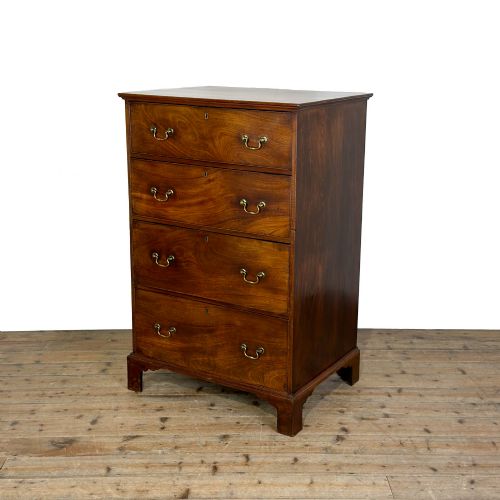
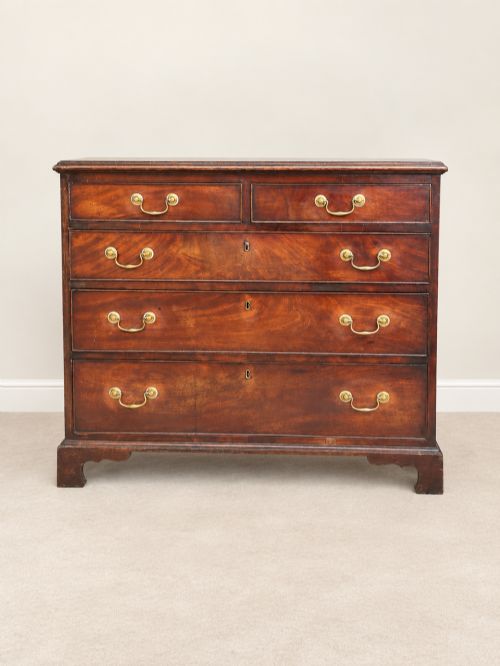
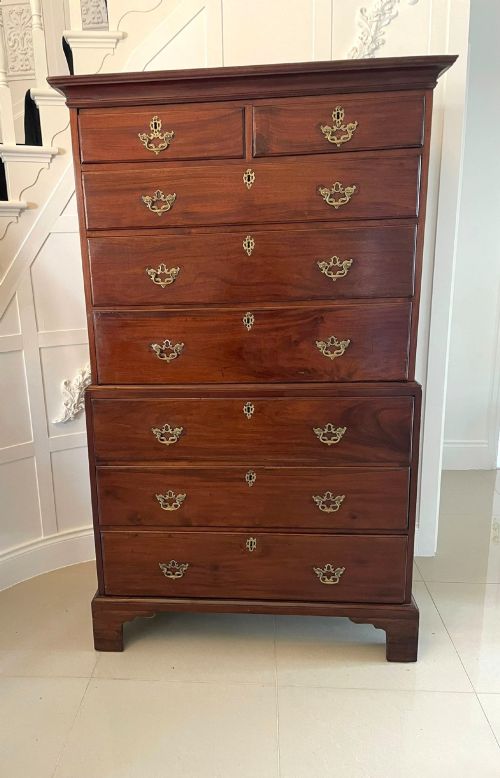
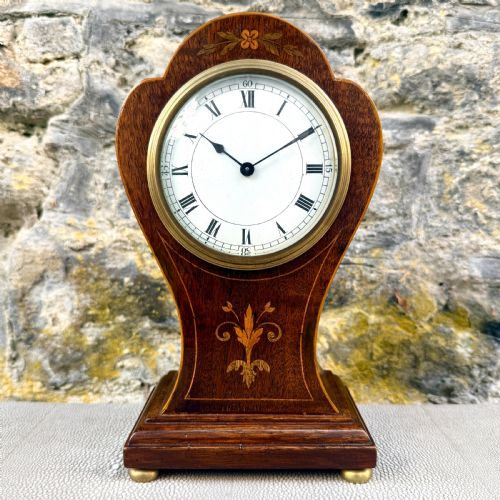
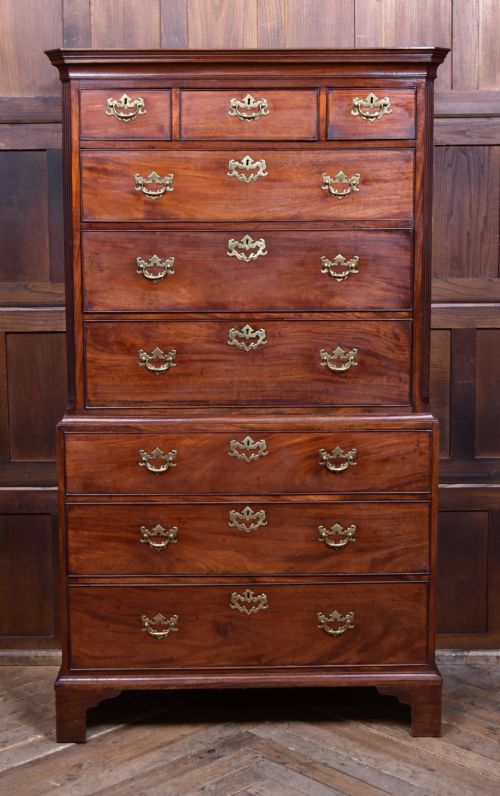
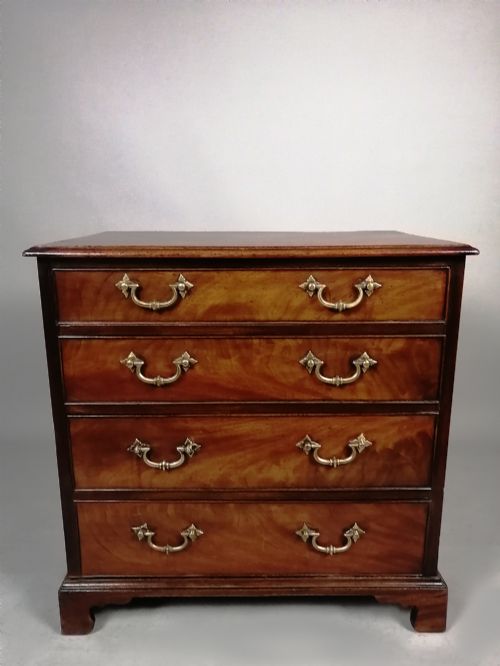
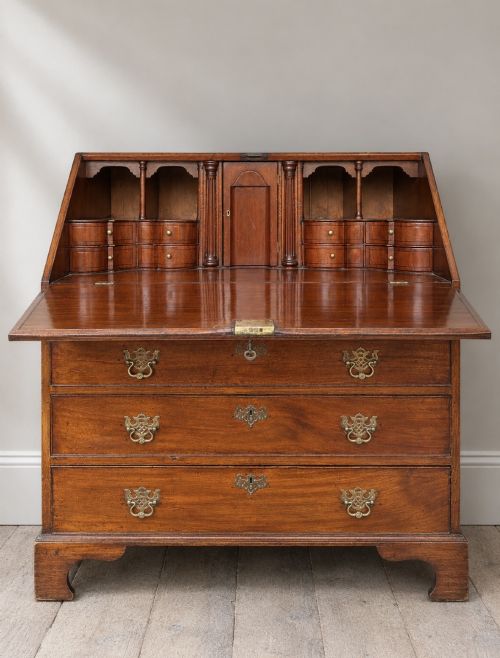
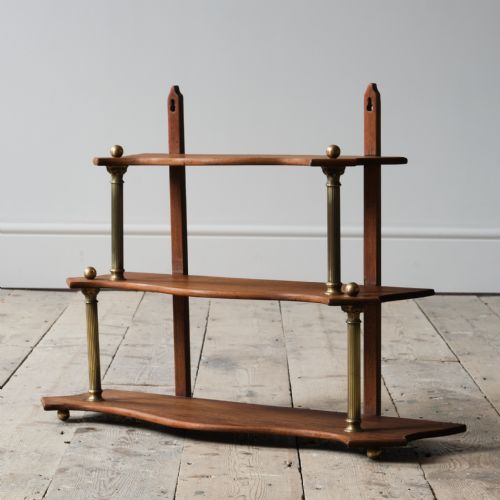
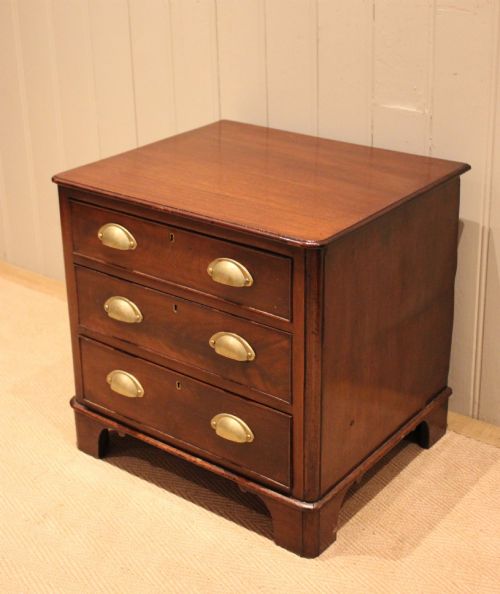
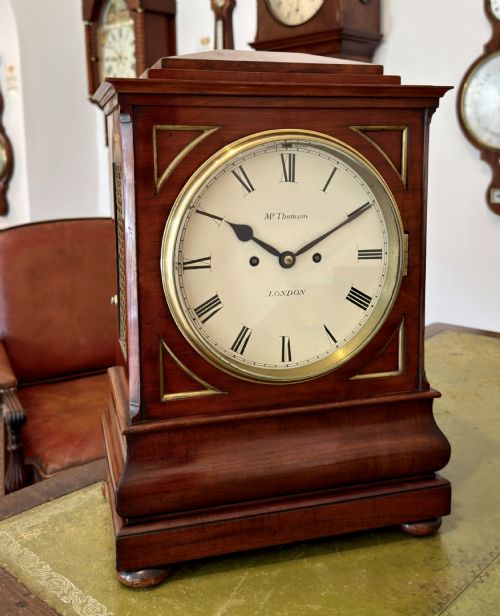
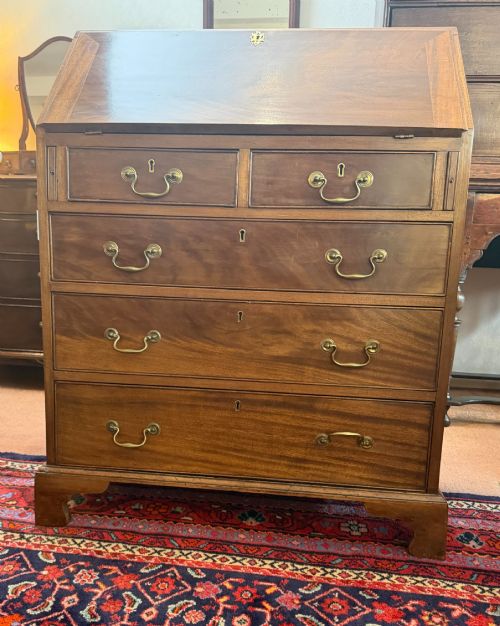
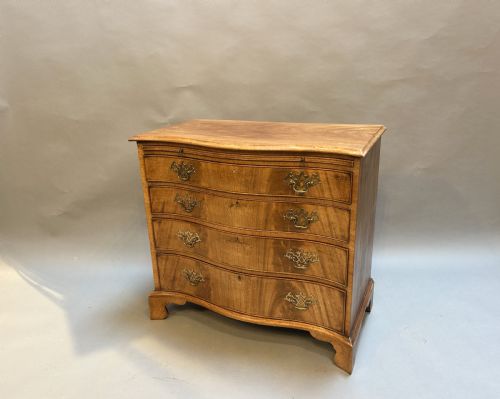
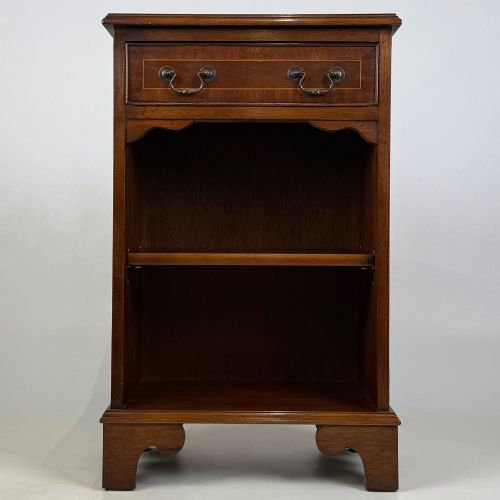
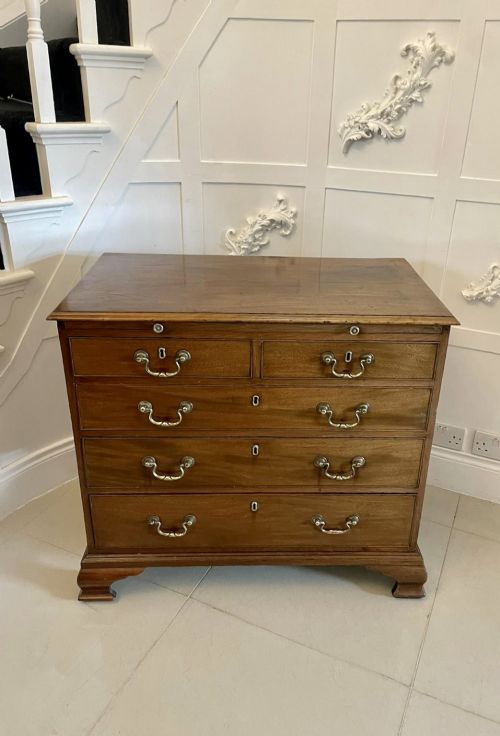
When searching for an antique mahogany bracket, buyers encounter two primary traditions: sturdy timepieces designed for table or wall placement, and classic furniture pieces supported by shaped bracket feet. The selection leans heavily toward Georgian and Regency timepieces alongside 18th-century chests of drawers and desks featuring distinct bracketed bases.
Makers often housed fusee movements within architectural wooden cases, while cabinetmakers utilised the rich grain of mahogany for chests, bureaux, and wall shelves. These forms reflect centuries of domestic utility, uniting mechanical precision with cabinetmaking traditions spanning the Georgian, Regency, and Edwardian eras.
Materials and construction methods
Makers constructed these items predominantly from solid and veneered mahogany, frequently accented with brass handles, dials, and glass viewing panels. Oak and ebonised wood occasionally reinforced internal framing and secondary elements.
Clockmakers utilised mechanical fusee movements to ensure steady timekeeping tension, while cabinetmakers joined drawer sides with hand-cut dovetails and mounted case bodies upon stable bracket feet.
Several clocks on record required two chains to keep time, proving that even historical machinery appreciated a little extra support.
Distinctions in craftsmanship
Quality rests in the crispness of the timber carving, the depth of the mahogany grain, and the subtlety of brass mountings or dial engravings. Superior examples maintain original surface patination and uncompromised internal clock mechanisms.
Pieces from established workshops exhibit tighter joinery and more refined proportions, particularly in the contouring of bracket feet and the execution of delicate inlay work.
Thomson of London·Brockbanks and Atkins·William Gard Exeter·Webster London·Robert Roskell and Son·P Forrester Hull·James Wilson London·Grant Fleet Street·J Moorcroft
The Antique Mahogany Bracket Glossary
- Bracket foot
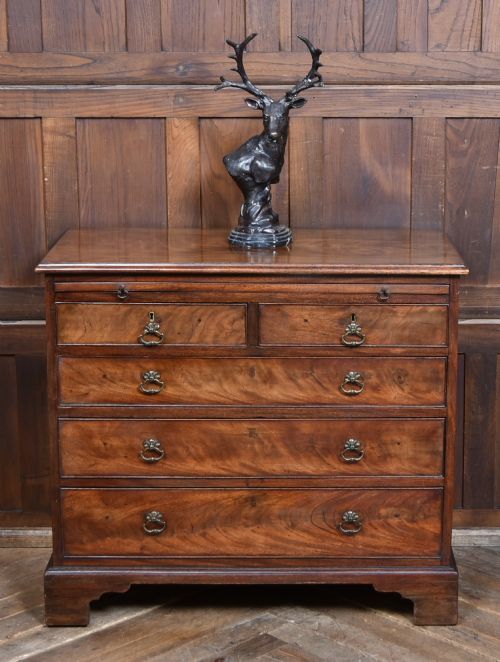
- A furniture support cut in the shape of a bracket, fixed directly to the corners of case pieces like chests and bureaux. This style replaced bulbous feet during the 18th century.
- Fusee
- A conical pulley used in clock movements to equalise the declining power of the mainspring as it unwinds. It ensures consistent force reaches the escapement.
- Verge movement
- An early type of clock escapement utilising a vertical rod with pallets that engage with a crown wheel. It represents traditional 18th-century horology.
- Brushing slide
- A pull-out wooden shelf integrated into the upper section of a chest of drawers or bureau. It provided a clean surface for writing or grooming.
- Double chain fusee
- A robust mechanical arrangement utilising chains rather than gut lines to connect the mainspring barrel to the fusee cone. It drives more complex striking trains.
Antique Mahogany Bracket: Frequently Asked Questions
What is a bracket clock?
A bracket clock is a portable mechanical timepiece traditionally designed to sit upon a small wall bracket, table, or mantelpiece. These instruments often feature striking mechanisms and glazed viewing doors.
Originally built during the 18th and 19th centuries, they combined domestic utility with complex brass movements driven by fusee and spring technology.
How do I identify bracket feet?
Bracket feet are architectural supports fitted directly to the bottom corners of furniture such as chests of drawers and bureaux. They typically form a mitred corner shape.
This support style evolved through the Georgian and Regency periods, moving from plain ogee profiles to more elaborate shaped brackets.
Where were these clocks placed?
These timepieces rested on wooden wall brackets or prominent tables within principal rooms of a residence. Their portability allowed owners to move them between studies and sitting rooms.
They served both as functional timekeepers and as decorative objects showcasing fine cabinet timber and metalwork.
How do I care for mahogany?
Mahogany surfaces require stable indoor humidity away from direct sunlight and artificial heat sources. Gentle dusting with a dry lint-free cloth preserves the natural timber finish.
Avoid liquid polishes and silicone sprays, allowing the wood to develop a natural patina over decades of domestic care.
What defines a fusee movement?
A fusee movement uses a conical pulley connected by a chain or cord to the mainspring barrel. This mechanism balances the decreasing power of the spring.
It stands as a hallmark of quality English clockmaking from the Georgian and Victorian eras, ensuring reliable timekeeping accuracy.