



Hand Carved Shelf
These hand carved shelf options bring tactile timber detail and period character into a room.
Hand Carved Shelf
A hand carved shelf encompasses wall brackets, console tables, and architectural wall shelves originating from the nineteenth and early twentieth centuries. These timber ledges and supporting brackets served both structural and decorative purposes in period interiors.
You will most frequently encounter wall brackets and wall shelves fashioned from pine, walnut, and teak, alongside larger furniture forms like console tables and bookcases. The selection draws on styles ranging from Black Forest and Anglo-Indian to Victorian Gothic and French Provincial.
Makers utilised diverse regional motifs, yielding everything from deeply pierced foliage to whimsical animal carvings. The objects reflect the aesthetic preferences of the Edwardian era and Victorian periods through distinct regional woodworking traditions.
How they were made
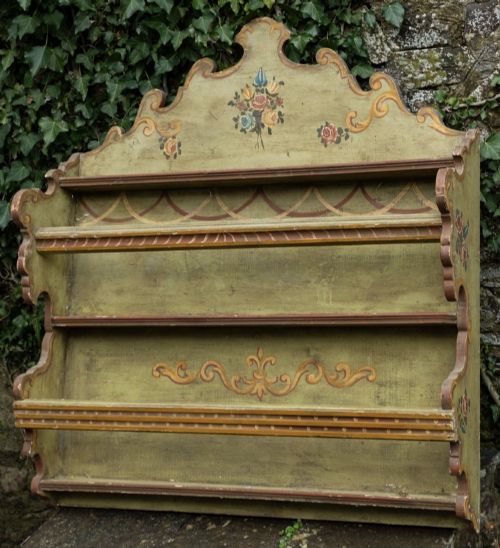
Craftsmen shaped these items from solid woods such as walnut, pine, teak, and red walnut, often employing hand-carved techniques to define scrolls, corbels, and animal figures. Surfaces appear in natural polished timber, antique white painted finishes, or decorated with hand-painted details.
Structural elements such as corbels and wall brackets were fashioned with integrated wooden supports or paired with brass hardware for mounting. The joinery relies on traditional carpentry methods suited to load-bearing wall furniture and decorative ledges.
An unusually large pair of carved wooden owls keeps watch from the nineteenth-century selections.
What varies in quality
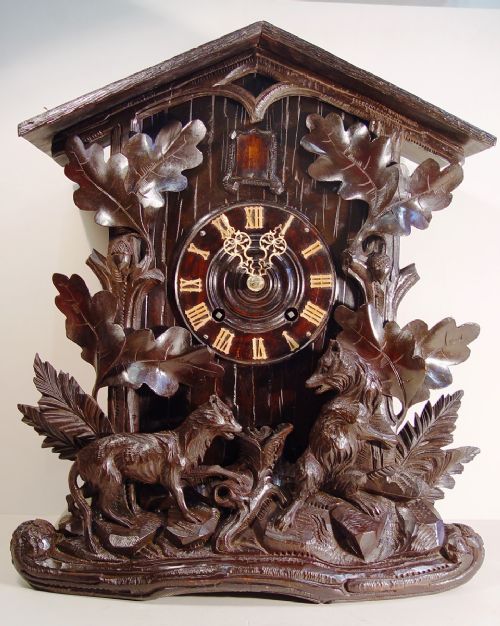
Depth of carving and sharpness of detail distinguish the finer examples from simpler workshop output. Pieces featuring intricate pierced work, such as Anglo-Indian brackets or Black Forest animal carvings, demonstrate superior technical execution by the carver.
The choice of timber and finish also dictates distinction, with dense woods like walnut and red walnut holding crisp edges better than softer pine. Original painted finishes and integrated structural integrity further set apart the more substantial examples.
The Hand Carved Shelf Glossary
- Corbel
- A projecting bracket of stone, wood, or metal of Gothic origin that supports a weight above it. In these listings, wooden corbels function as decorative wall shelves or structural shelf supports.
- Black Forest
- A style of wood carving originating from the Central Baden region of Germany during the nineteenth century. It is known for realistic depictions of animals, particularly bears and owls, rendered in deep relief.
- Anglo-Indian
- A design style produced during the British Raj combining British furniture forms with traditional Indian woodworking techniques. These pieces often feature dense, intricate floral and foliage carving.
- Rococo Revival
- A nineteenth-century revival of the eighteenth-century Rococo style characterised by asymmetrical scrolls, C-curves, and naturalistic plant motifs. It appears frequently on French console tables and decorative wall brackets.
- Console table
- A table fixed to a wall by wall brackets or supported on front legs with a flat top. Period iterations often feature elaborate hand-carved skirts and painted finishes.
Hand Carved Shelf: Frequently Asked Questions
How do I mount a wall bracket?
Most antique wall brackets utilise integrated wooden backplates or mounting holes secured with appropriate screws and wall plugs. Ensure the fixings match the weight and density of the specific hardwood.
Consult a professional if the timber is particularly heavy or brittle, as older woods require careful handling during installation to prevent splitting.
Where should I place a console table?
Console tables fit well in narrow hallways, living rooms, or beneath large wall mirrors where surface space is limited. Their shallow depth allows them to sit flush against partition walls.
Pairing a console table with matching wall shelves creates a cohesive display surface for small decorative objects and clocks.
How do I clean carved wooden shelves?
Dust carved surfaces regularly with a soft, dry brush to prevent dirt from settling into deep crevices and recesses. Avoid modern chemical sprays that can degrade historic wax or painted finishes.
Apply a micro-layer of quality beeswax periodically to nourish the dry hardwood and maintain a natural sheen across the carved details.
What is the difference between Black Forest and Anglo-Indian styles?
Black Forest carvings focus on European fauna and naturalistic forest scenes, often rendered in walnut or limewood with dark patination. They frequently depict birds, foliage, and rustic branches.
Anglo-Indian pieces showcase dense, symmetrical or scrolling floral patterns executed in teak or exotic hardwoods reflecting South Asian craft traditions.