


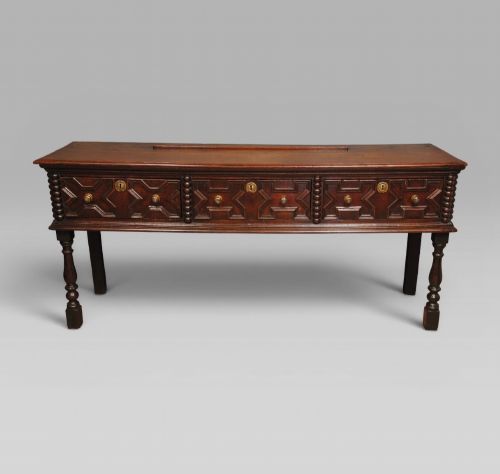
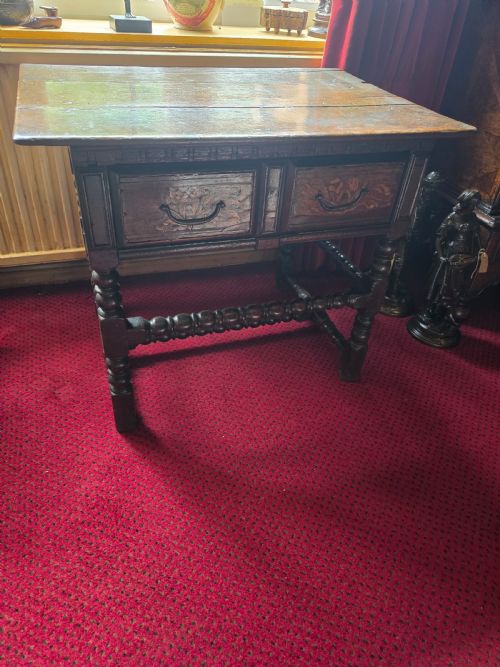
Antique Low Dresser Table
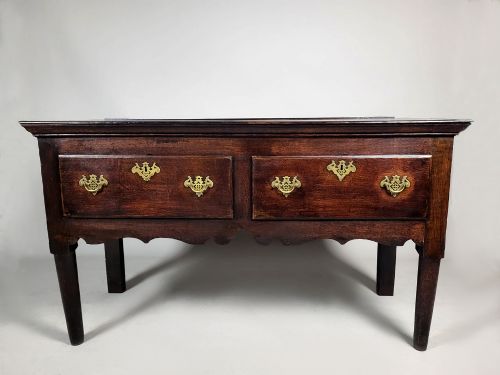
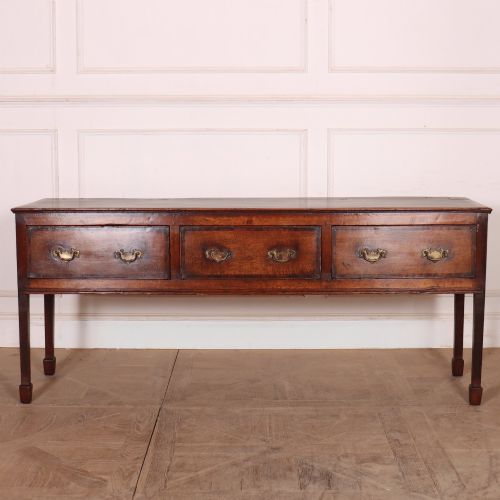
An antique low dresser table is a solid timber sideboard built for utility, offering deep drawers and surface space for a country interior.
Antique Low Dresser Table
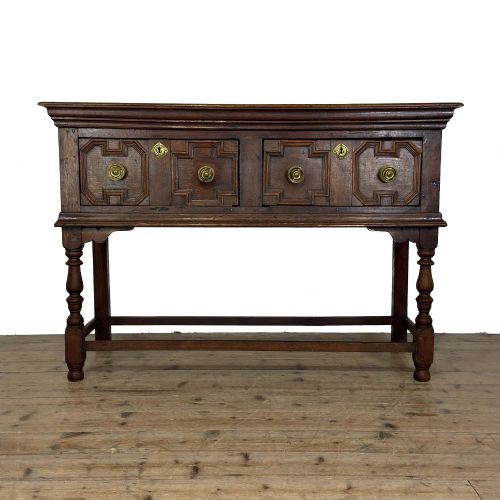
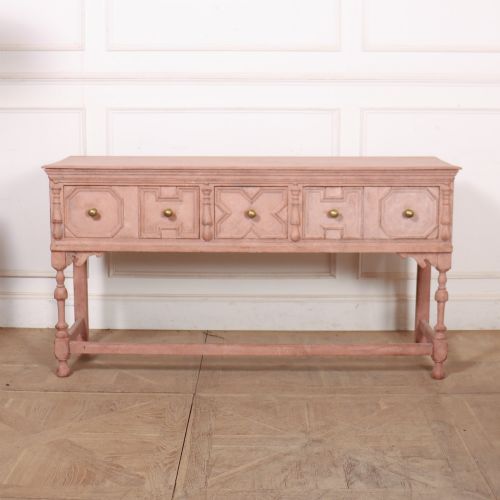
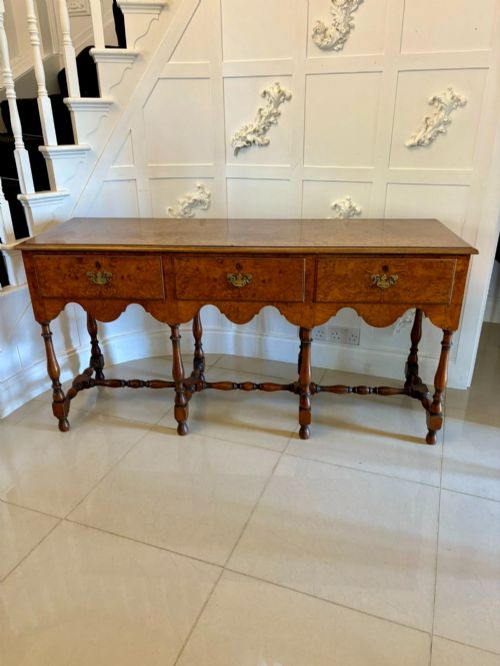
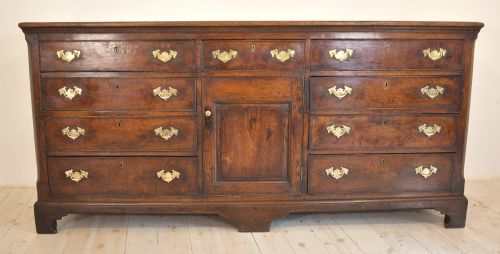
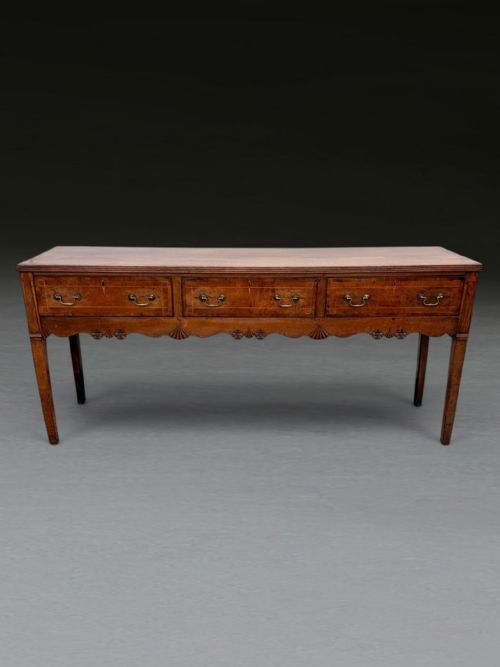
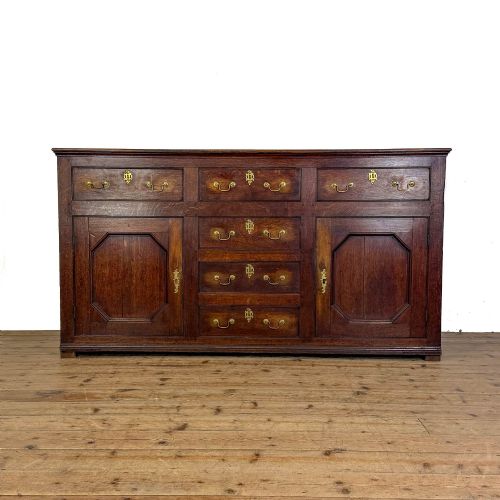
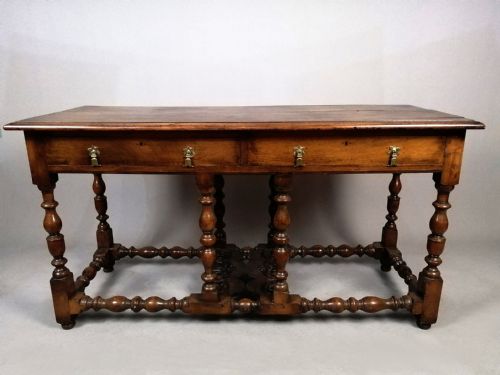
The antique low dresser table is fundamentally a sturdy timber base designed for serving and storage, lacking the high plate rack of a traditional taller dresser. When searching for this form, buyers encounter pieces intended for kitchen, dairy, or dining spaces rather than formal reception rooms.
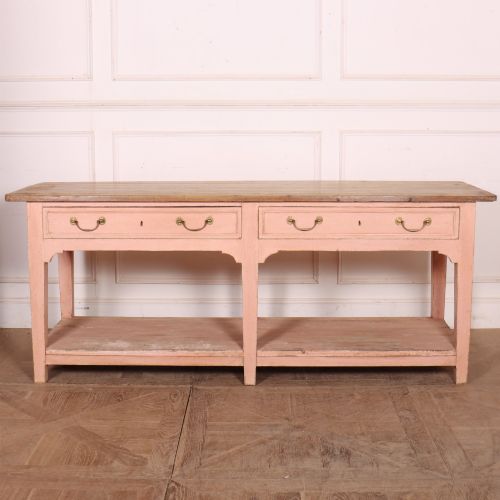
The selections on this page are dominated by English, Welsh, and Scottish examples originating across the seventeenth, eighteenth, and nineteenth centuries. Potboard variations with low lower shelves appear frequently alongside simpler drawer-and-leg configurations.
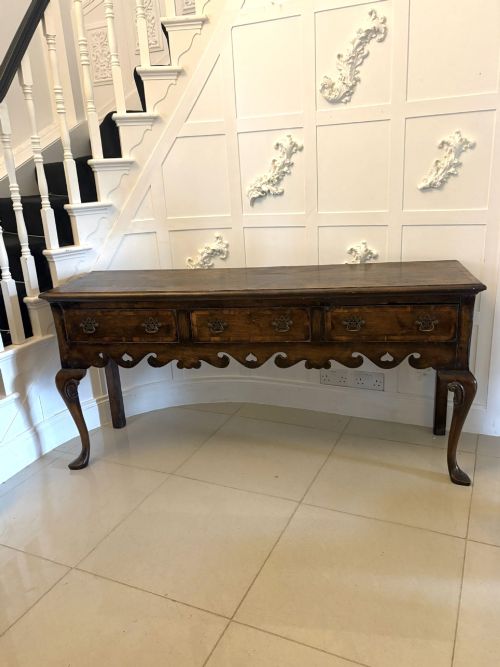
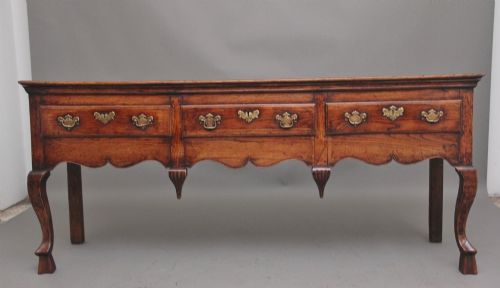
Regional vernacular traits emerge clearly across the inventory, from Lancashire layouts to block front designs and cabriole leg formats. These utilitarian surfaces served as functional workhorses in households long before entering the collector market.
Materials and construction
Oak dominates the construction of these pieces, joined by walnut, elm, pine, and occasional painted finishes. Timber selection dictated durability, with dense native hardwoods chosen to withstand daily kitchen and pantry use.
Construction relies heavily on traditional joinery, incorporating brass hardware or iron fittings where appropriate. Geometric moulding, panel details, and inlaid elements add texture to drawer fronts and structural frames.
The listings span from the seventeenth century through the Victorian era, utilising oak, elm, walnut, and pine.
Factors determining quality
Quality rests upon the integrity of the timber and the preservation of original structural components like brasses and drawer linings. Earlier seventeenth-century and eighteenth-century examples command attention through untouched surface patination and honest signs of age.
Proportion and regional character separate standard utility pieces from exceptional ones. Refined details such as carved enrichment, potboard lower shelves, and sophisticated leg forms elevate the standing of a base.
Hille of London
The Antique Low Dresser Table Glossary
- Potboard
- An open lower shelf built into the base of a dresser for storing pots and pans. This lower tier provides structural stability while offering display space.
- Block front
- A cabinetwork technique where the front of the piece is divided vertically into three panels, with the outer two raised and the central one recessed. It creates pronounced visual depth on early drawer fronts.
- Cabriole leg
- A furniture leg that curves outward in a convex arc and then bends inward in a concave arc, terminating in a foot. This style gained popularity during the Georgian and Queen Anne periods.
- Geometric moulding
- Raised wooden mouldings applied in symmetrical geometric patterns to drawer fronts or panels. This decorative technique appears frequently on seventeenth-century pieces.
Antique Low Dresser Table: Frequently Asked Questions
What is an antique low dresser table?
An antique low dresser table is a heavy timber storage base featuring drawers and surface space without an upper plate rack. These surfaces functioned in kitchens and dining areas for food preparation and storage.
They span several centuries of regional craftsmanship, primarily utilising native hardwoods like oak and elm. Collectors prize them for their practicality and robust vernacular design.
How were low dressers used originally?
Households utilised these sturdy timber tables for preparing food, storing tableware, and displaying everyday kitchen vessels on open potboards. Their low profile kept heavy items accessible during daily domestic labour.
Over time, many transitioned from working kitchens into dining rooms and hallways as decorative storage furniture. Their spacious drawers accommodated linens, cutlery, and kitchen implements.
How do I identify a 17th-century dresser?
Seventeenth-century pieces typically display heavy framing, pegged joinery, and geometric moulding across the drawer fronts. The timber often shows deep, dark patination built up through centuries of friction and waxing.
Unlike later Georgian adaptations, these early examples favor linear structure and simpler turned supports. Iron or early brass hardware frequently accompanies these robust frames.
Where were potboard dressers made?
Potboard dressers originated across English, Welsh, and Scottish rural workshops, with distinct regional preferences shaping their legs and drawer configurations. Welsh and Scottish examples often incorporate local timber variations and specific storage layouts tailored to regional dairies or farmhouses.
Makers utilised whatever dense local woods were available, resulting in sturdy oak, elm, or walnut constructions. These regional differences help specialists trace the geographic origins of individual pieces.