




Antique Long Carpet
An antique long carpet brings history to a hallway or grand room through enduring craftsmanship and regional design.
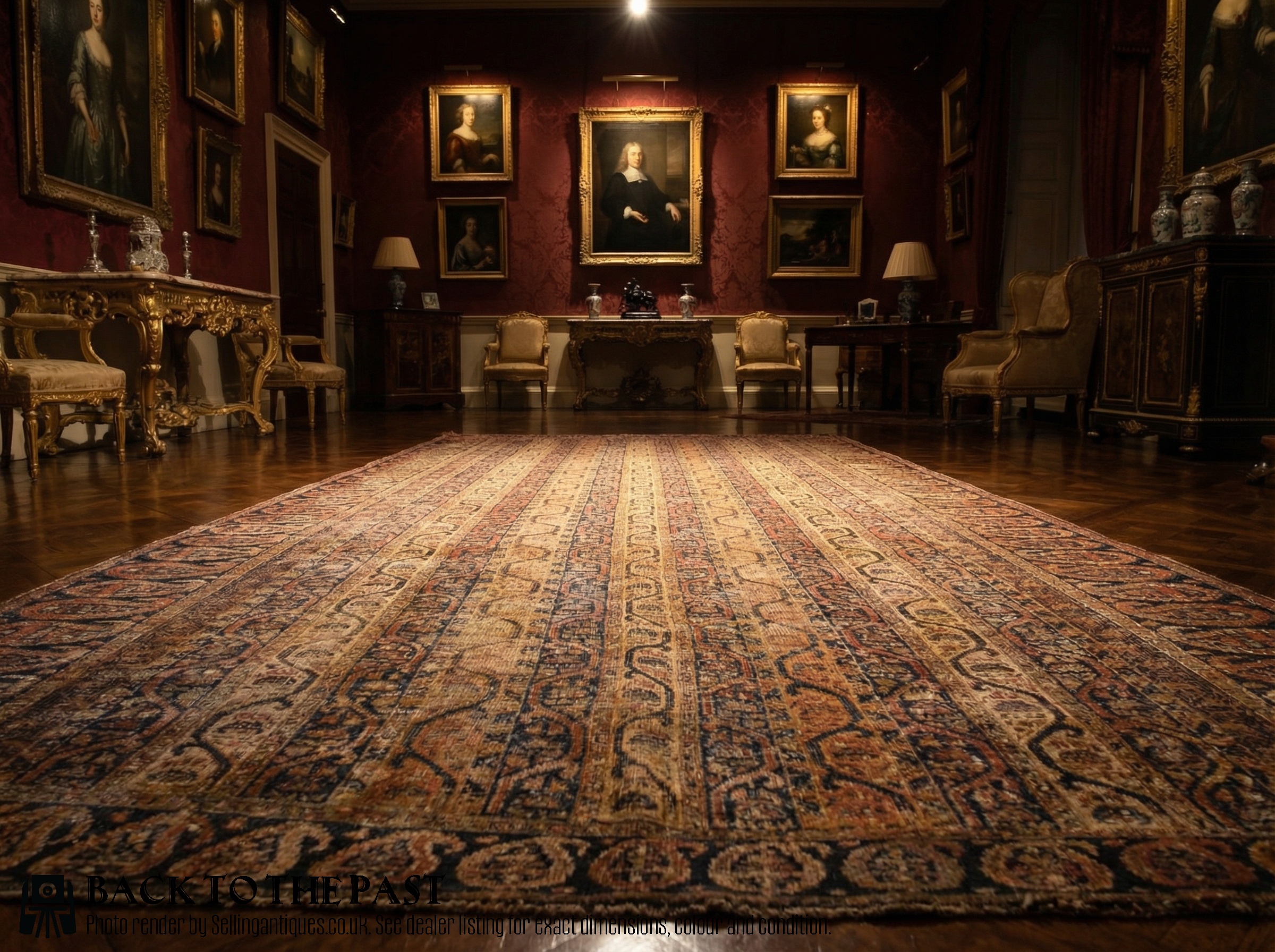
Antique Long Carpet
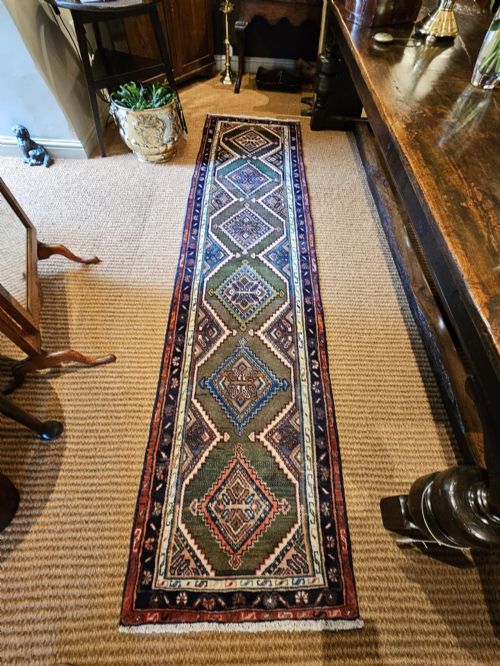
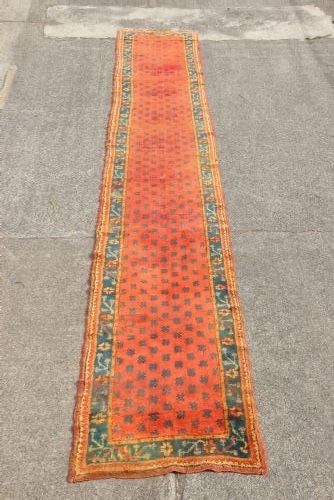
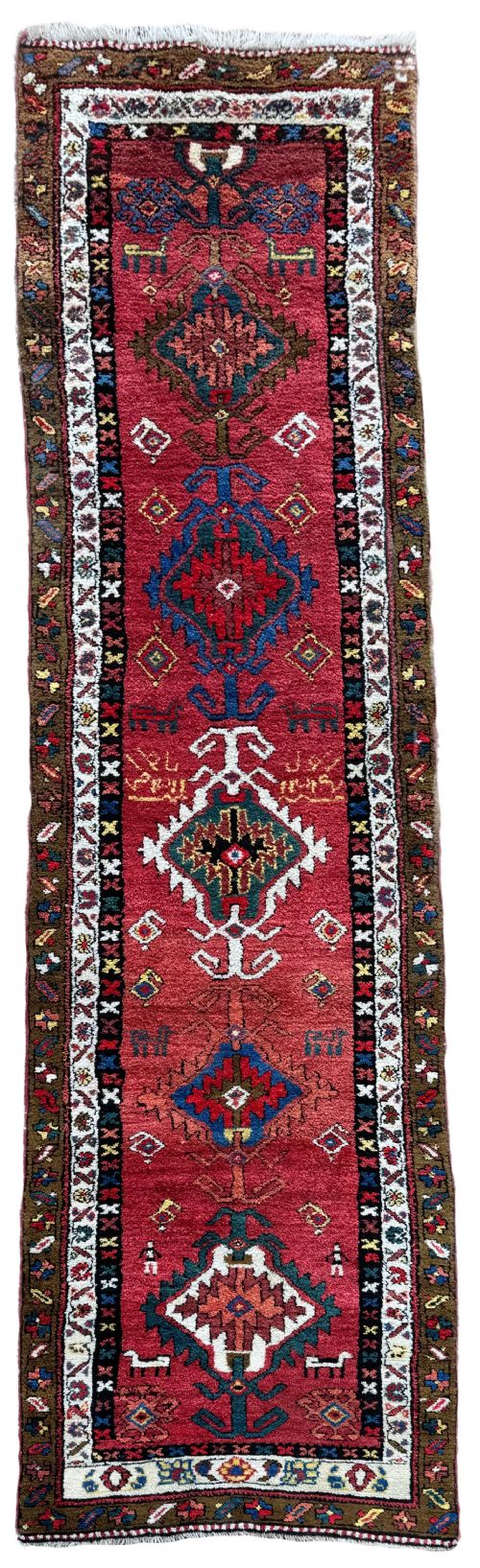
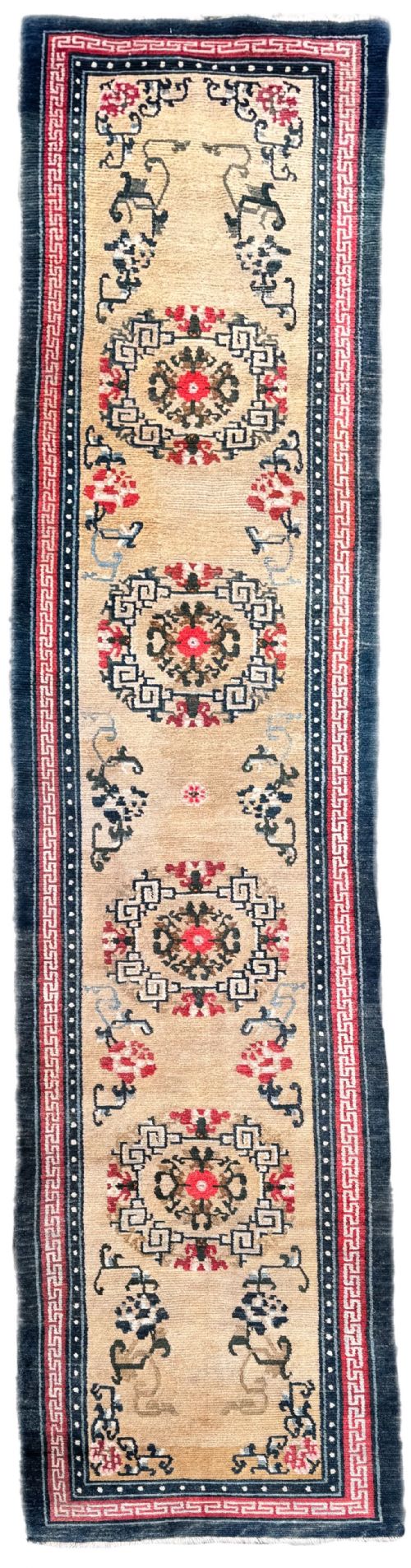
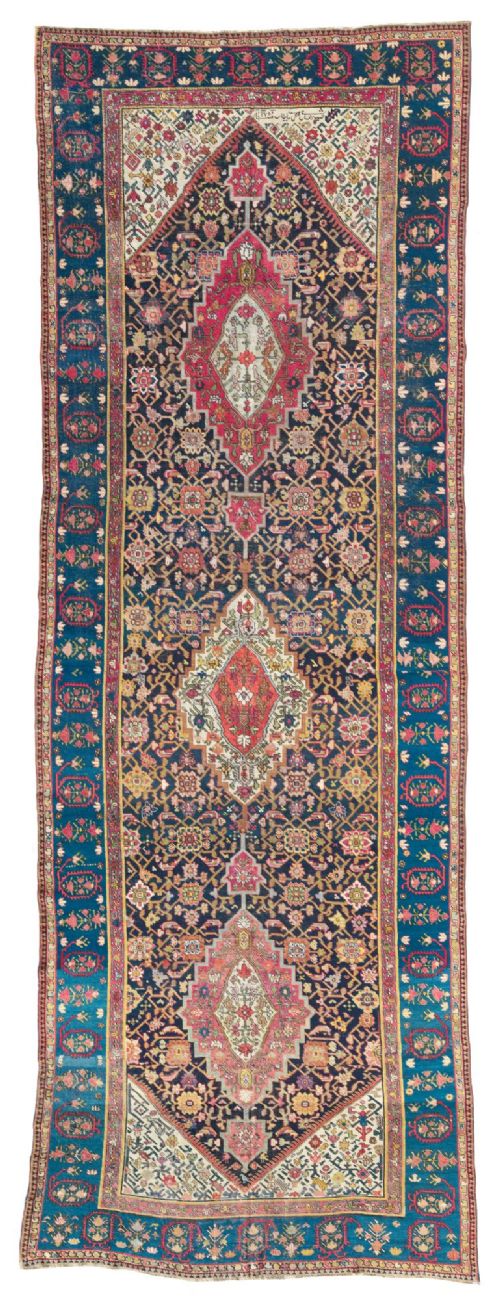
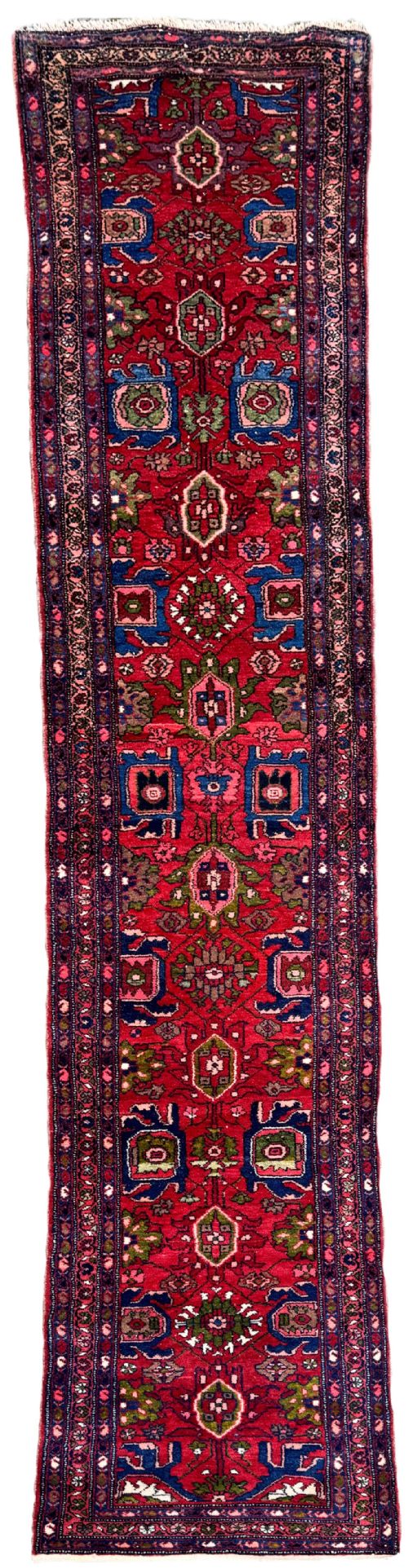
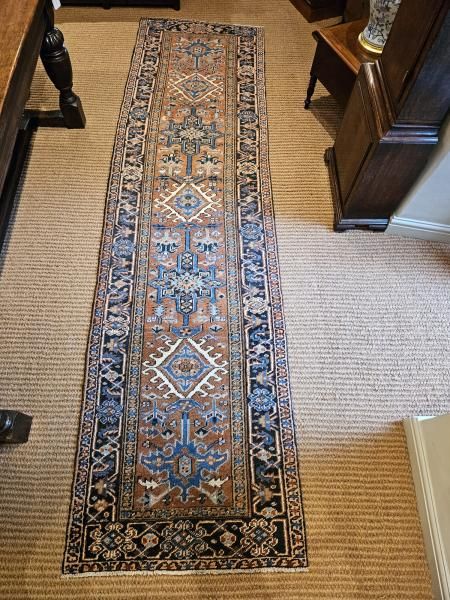
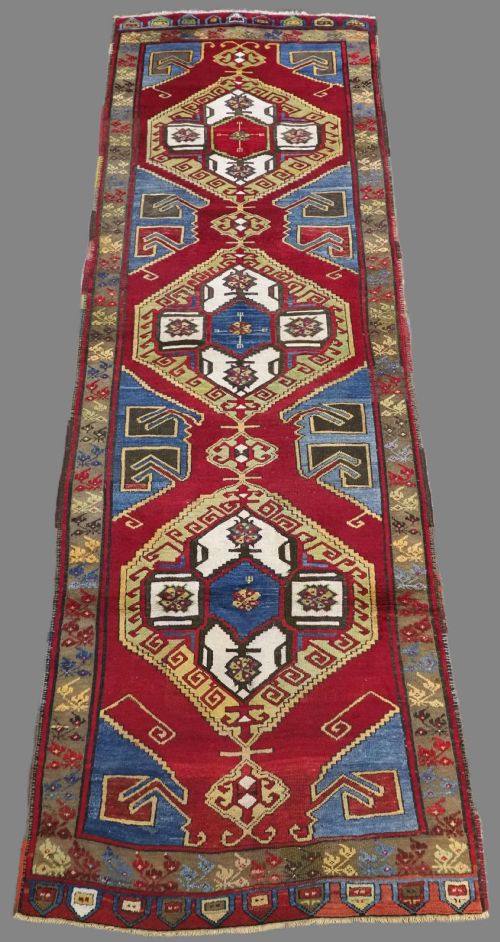
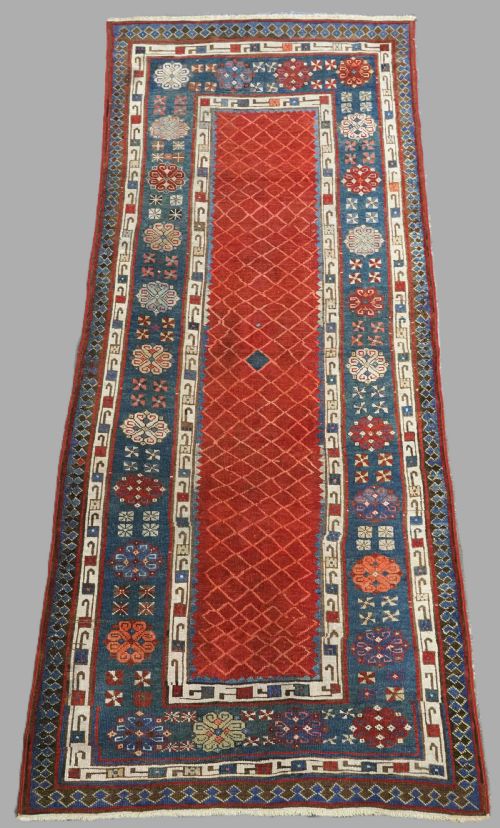
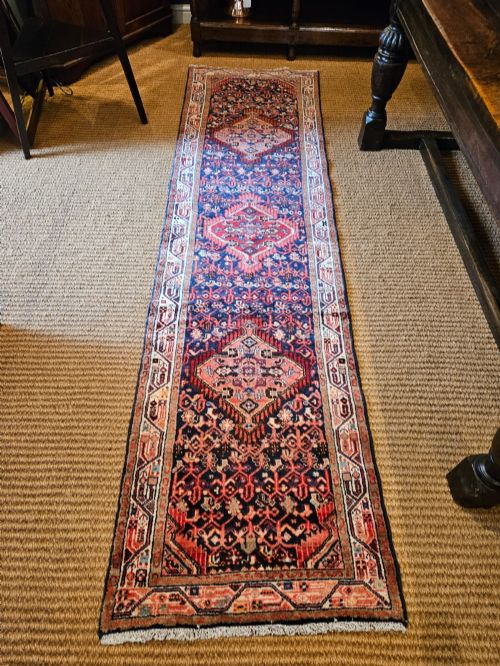
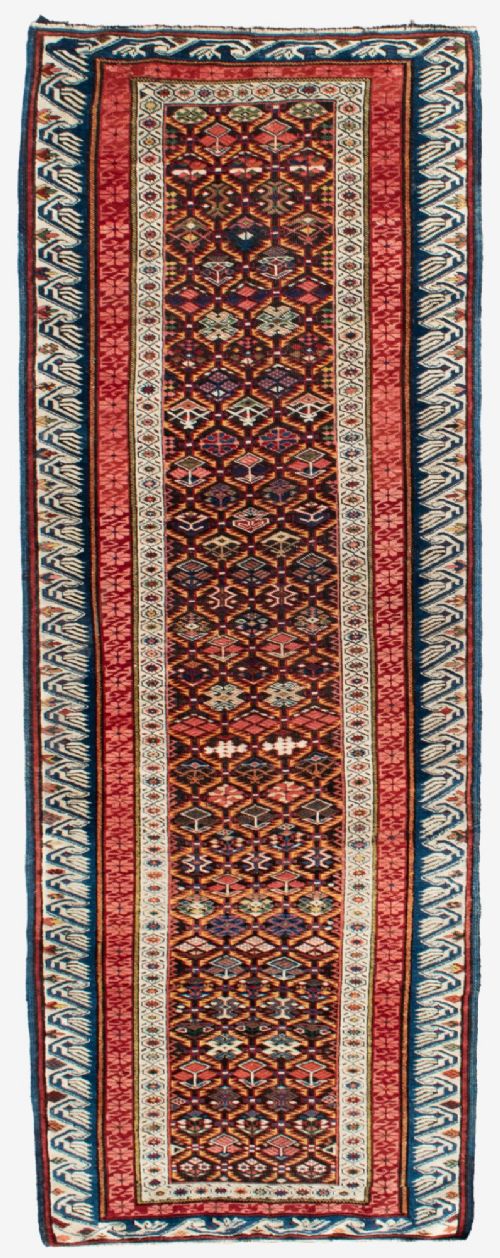
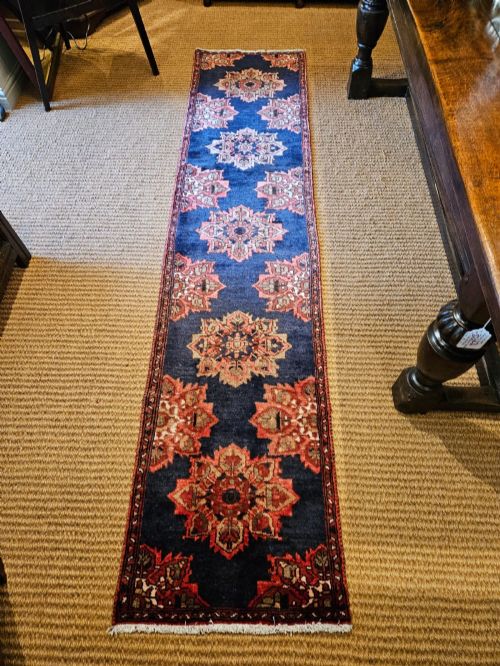
When searching for an antique long carpet, you encounter elongated formats designed specifically for corridors, landings, and large halls. These pieces span the nineteenth and early twentieth centuries, originating from diverse weaving traditions across Persia, the Caucasus, Anatolia, and beyond.
The format typically manifests as narrow runners or broader gallery carpets, often exceeding three or four metres in length. Persian tribal pieces, Caucasian geometric runners, and Turkish village weaves dominate the selection available on this page.
Makers utilised traditional formats to fit domestic architecture of the period, resulting in varied proportions from narrow walkways to expansive kelleh carpets. Each rug reflects the specific regional palette and knotting style of its origin.
Materials and construction methods
The foundational structure relies on sturdy cotton or wool warps and wefts, providing the tensile strength necessary for lengthy formats. Hand-spun wool forms the primary pile material, offering natural resilience and longevity under foot traffic.
Dyers employed natural colourants derived from local plants and minerals to achieve rich, saturated hues that age gracefully over generations. Knotting techniques vary by region, from the dense symmetrical knots of Persian workshops to the looser, coarser structures typical of tribal weaves.
Listings feature long carpets and runners spanning the nineteenth century through the 1960s, constructed from wool, cotton, and hand-spun wool.
Distinguishing quality across pieces
Quality reveals itself primarily in the tightness of the weave and the precision of the geometric or floral motifs. Finer knots permit more intricate detail in medallions, lattice patterns, and border guards, indicating greater weaver skill.
The condition of the wool pile and the integrity of the original selvedges and ends dictate the structural preservation of the carpet. Harmonious ageing of natural dyes enhances visual depth, whereas uneven wear or heavy restoration alters the original character.
The Antique Long Carpet Glossary
- Runner
- A long, narrow carpet format traditionally utilised in hallways, corridors, and beside beds. These pieces measure significantly longer than they are wide.
- Kelleh
- A large, long Persian or Caucasian carpet format that is broader than a standard runner but narrower than a room-size carpet. They often served as central gallery pieces in grand interiors.
- Warp
- The vertical threads stretched tightly on the loom that form the structural skeleton of the carpet. Fringe ends typically originate from these visible foundation threads.
- Weft
- The horizontal threads passed alternately over and under the warp threads to lock the knots in place. This material contributes to the structural firmness of the rug.
- Selvedge
- The finished side edges of a carpet formed by wrapping or reinforcing the outer warp threads. Proper preservation of these edges prevents the pile from unravelling.
Antique Long Carpet: Frequently Asked Questions
Where should I place a long carpet?
These elongated formats suit long corridors, wide hallways, and large landing spaces where linear floor coverage creates an inviting pathway. They also function effectively in expansive reception rooms to define specific zones.
Ensure you measure the walkway carefully and leave a uniform border of exposed flooring on all sides to frame the piece properly.
How do I care for antique wool runners?
Regular gentle vacuuming without a rotating brush roll prevents dust and grit from settling deep into the wool pile. Professional cleaning by specialists in antique textiles ensures the natural dyes remain stable.
Position a quality underlay beneath the carpet to reduce friction against the floorboards and prevent slipping in high-traffic areas.
How do I identify a tribal design?
Tribal weaves typically feature bold geometric motifs, stylised animals, and repeating latch-hook polygons rather than refined courtly curves. The layouts often rely on memory rather than precise cartoon drawings, resulting in charming asymmetry.
Palettes in these pieces tend to incorporate earthy terracottas, deep indigos, and rich ivories sourced from local natural dyes.
What indicates a Persian origin?
Persian pieces frequently display intricate medallion layouts, Herati patterns, or delicate floral sprays executed with high knot densities. Regional signatures include the structured Heriz geometry or the fine curvilinear work of Kurdish workshops.
Examining the structural foundation and knot type often confirms whether a piece hails from northwest Persia or specific tribal territories.