
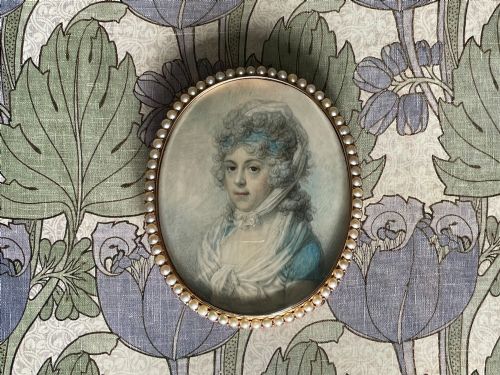
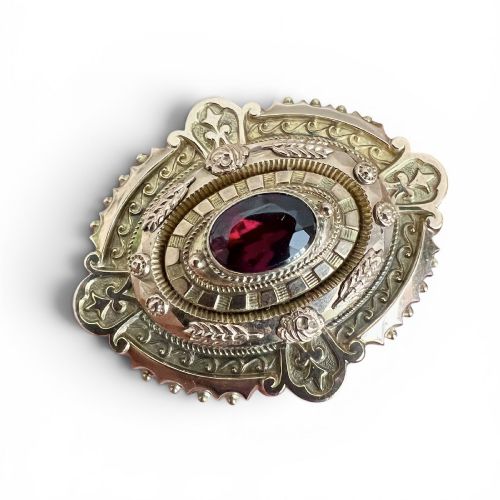
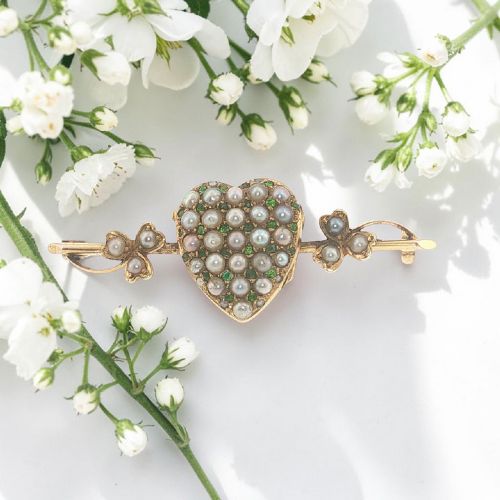


Antique Locket Brooch
These antique locket brooch pieces combine wearable portraiture and secret compartments, offering both fine metalwork and intimate historical miniature art.
Antique Locket Brooch
An antique locket brooch merges the decorative function of a pin with a concealed interior compartment intended for hair, miniature paintings, or photographs. These dual-purpose items span from the Georgian and Victorian eras through the Edwardian period, often doubling as pendants.
How they were made
Maker construction relies heavily on yellow, rose, and white gold, alongside silver, shaped into intricate brooches and pins. Goldsmiths utilised techniques like filigree and Etruscan Revival granulation to build the structural frames of these hybrid pendant brooches.
Gemstones including garnets, amethysts, sapphires, diamonds, turquoise, and seed pearls are flush or bezel set into the precious metals. Interior locket compartments frequently house hand-painted watercolours, porcelain painted flower jewels, or miniature portraits on glass.
Listings feature periods spanning the 18th century through 1930, utilising gold, silver, glass, seed pearls, watercolours, and diamonds.
What varies in quality
The refinement of the miniature painting or portrait work heavily influences the overall standard of the piece, distinguishing mass production from master hand-work. Finer examples display meticulous detail in facial expressions, watercolour execution, and enamel preservation.
Metalwork complexity also separates tiers, with substantial 15ct or 18ct gold settings, crisp Etruscan granulation, and integrated gemstone clusters sitting above simpler silver or low-carat gold pieces. The structural integrity of the internal locket hinge and glass cover determines the survival of the interior keepsake.
Richard Cosway·Christian Friedrich Zincke·Murrle Bennett·John Barry
The Antique Locket Brooch Glossary
- Locket brooch
- A dual-function piece of jewellery combining a wearable pin with a hinged compartment for holding miniatures or hair. This hybrid form allows the wearer to display both external ornamentation and internal mementos.
- Etruscan Revival
- A 19th-century design style inspired by ancient archaeological discoveries in Italy. It is characterised by applied wirework and granular gold decoration.
- Mourning brooch
- A memorial jewel often incorporating dark stones, enamel, hair, or pearls to commemorate a deceased person. These pieces frequently date from the Georgian and Victorian periods.
- Portrait miniature
- A small, highly detailed painting on ivory, vellum, or card, often integrated into a brooch or pendant. Artists like Richard Cosway and Christian Friedrich Zincke produced notable examples.
- Seed pearl
- A very small, natural saltwater pearl used extensively in Victorian and Edwardian clusters and floral motifs. They are often threaded or seed-set into delicate gold frameworks.
- Filigree
- An intricate form of delicate metalwork made with fine threads of gold or silver soldered together. This technique creates lace-like patterns across the body of the brooch.
Antique Locket Brooch: Frequently Asked Questions
How do I wear a locket brooch?
These pieces function primarily as jacket, shawl, or bodice pins, securing firmly through heavier fabrics with their original pin stems and safety catches. Many examples include a concealed loop or bail, allowing the wearer to suspend the piece from a chain as a pendant.
When converting between a brooch and a pendant, ensure the hinge and clasp mechanism on the reverse remains secure to prevent loss.
How do I date a locket brooch?
Dating relies on stylistic markers, material composition, and construction methods visible in the frame and mount. Georgian examples often feature closed-back settings and foiled pastes, while Victorian pieces showcase Etruscan Revival granulation, mourning motifs, or Scottish agate.
Edwardian designs typically lean towards lighter wirework, platinum touches, or Arts and Crafts influences, alongside marked carat gold stamps like 9ct or 15ct.
What goes inside a locket brooch?
Historically, these compartments held painted portrait miniatures, woven human hair work, silhouettes, or early photographic prints. The interior often retains a glass or crystal cover held in place by a thin metal bezel ring to protect the paper or watercolour underneath.
Owners today continue this tradition by placing small photographs or meaningful paper mementos inside the sealed cavity.