



Antique Linen Accent Chairs
Antique linen accent chairs bring texture and period character into a room, offering practical seating shaped by French, Victorian and Edwardian hands.
Antique Linen Accent Chairs
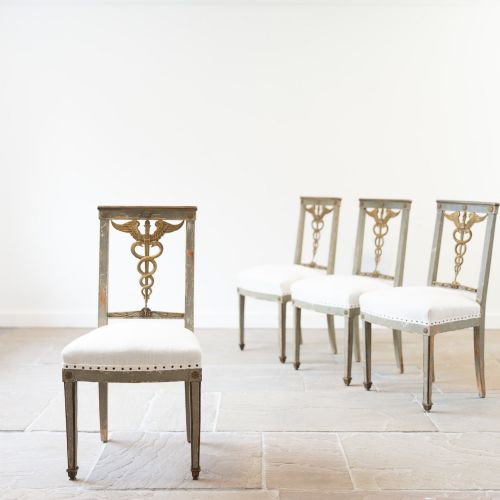
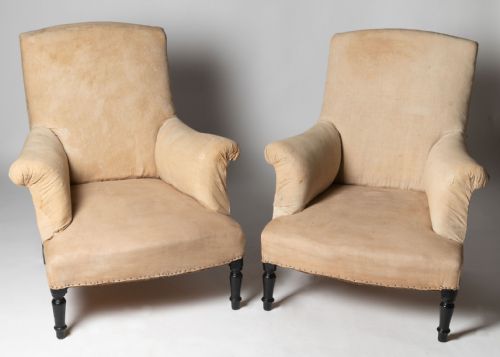
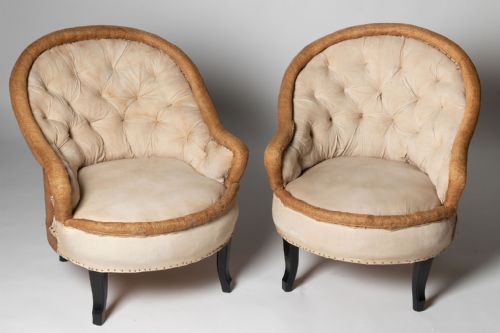
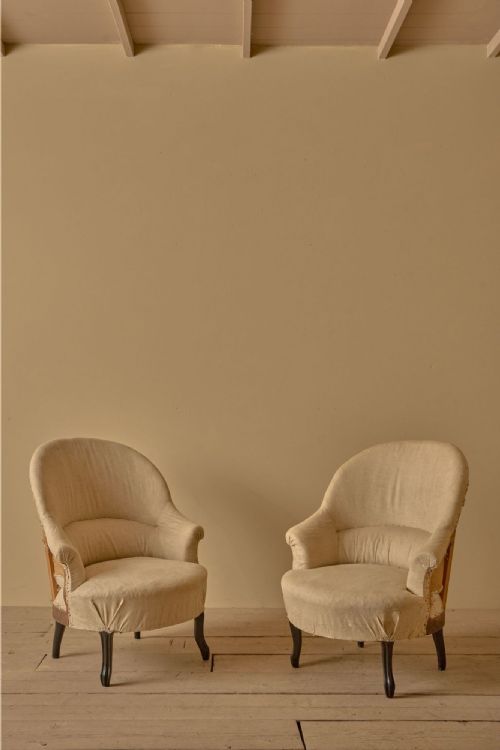
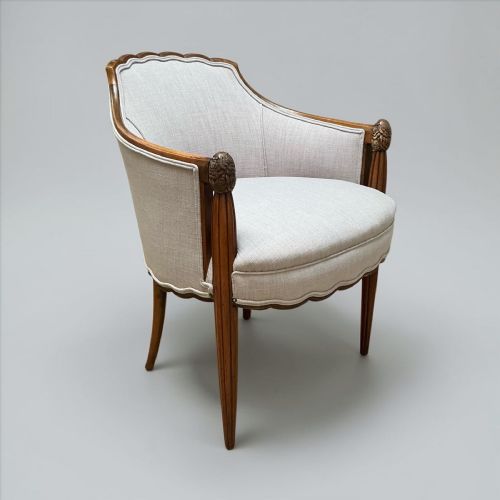
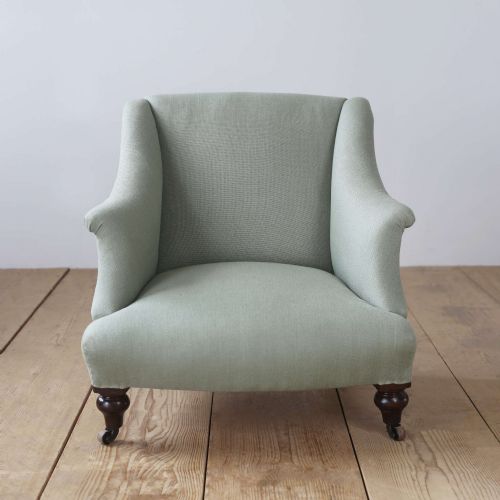
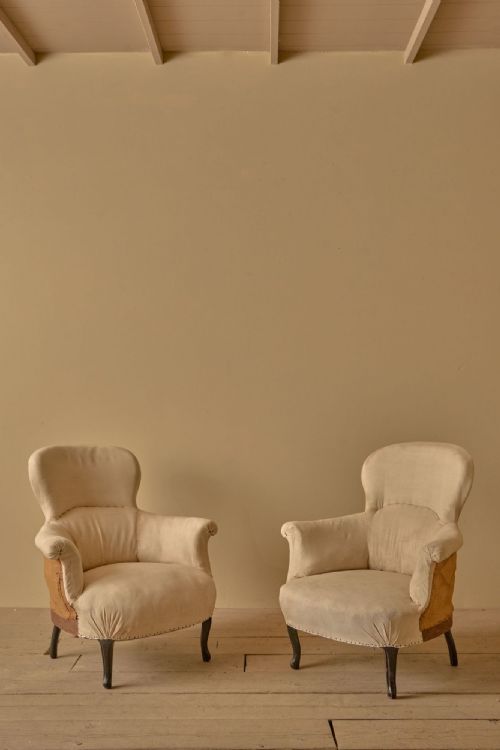
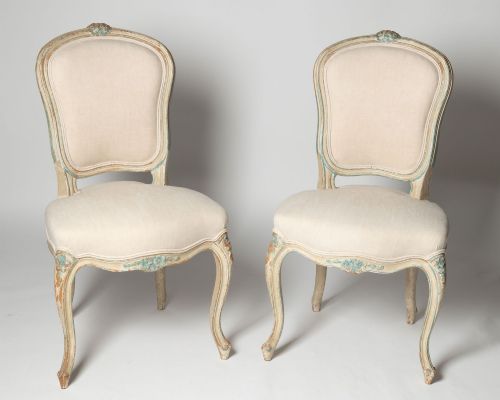
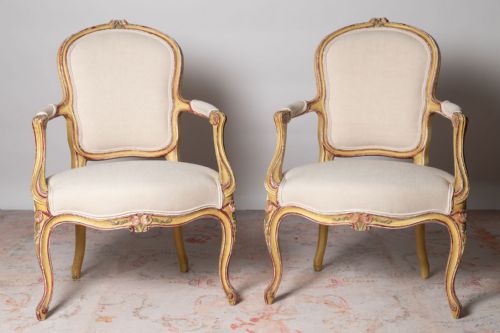
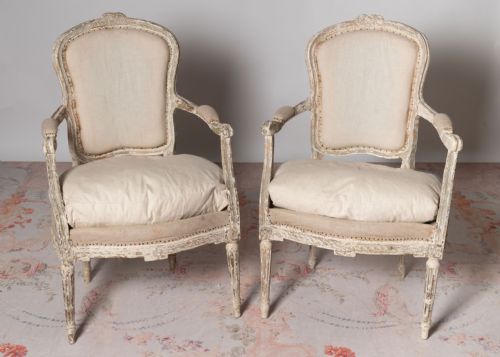
When searching for antique linen accent chairs, buyers encounter a mix of nineteenth-century French and British seating forms. The selection on this page consists chiefly of armchairs, side chairs, slipper chairs, dining chairs and stools spanning the Victorian and Edwardian eras alongside the year 1900.
The prevalent aesthetics draw on French Country, Louis XV, Neoclassical and French Napoleon III styles. These pieces function as decorative yet functional accents in domestic spaces, upholstered in linen or related textiles such as calico, hessian and tweed.
How they were made
The physical framework relies on timber and wood, including walnut, rosewood, oak and painted wood, frequently complemented by brass hardware. Frames are shaped through traditional joinery before receiving upholstery.
Textiles like linen and hessian cover internal padding, while specific models feature detailed woodwork such as giltwood or later paint treatments. Construction methods reflect the prevailing cabinet-making standards of the nineteenth and early twentieth centuries.
Antique Linen Accent Chairs Retail Price Guide 2026
Typical asking prices for linen accent chairs among the pieces listed under this phrase on Sellingantiques today, from the lower quarter to the upper quarter. They describe what is for sale here now, not the wider market.
Some nineteenth-century slipper chairs were built low enough to ensure boots could be laced without tumbling off.
What varies in quality
The calibre of an antique linen accent chair rests upon the proportion and line of the wooden frame. Pieces that maintain balanced dimensions and crisp carving demonstrate superior workshop execution.
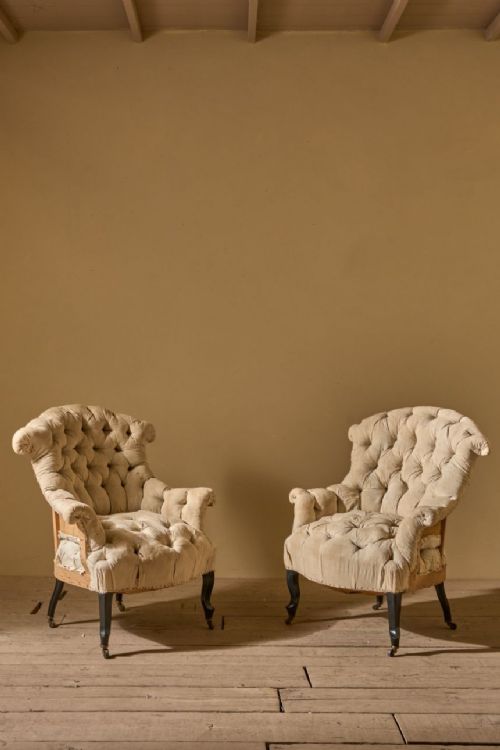
Upholstery choices and the execution of deep buttoning or period-appropriate textile application further distinguish individual examples. The integrity of the underlying timber structure dictates the longevity and overall standard of the piece.
Gillows
The Antique Linen Accent Chairs Glossary
- Fauteuil
- An open-framed armchair with upholstered armrests originating in France. These seats typically feature exposed wooden frames and generous proportions.
- Slipper chair
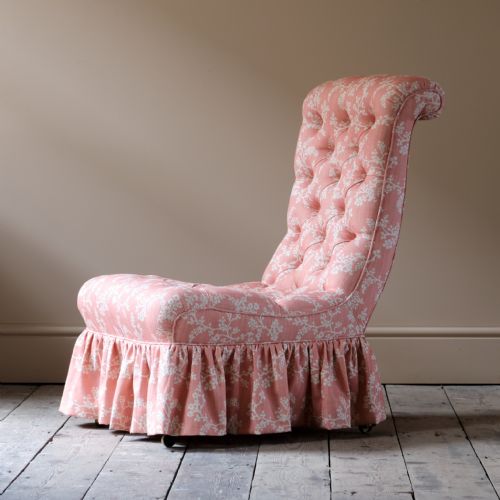
- A low-seated upholstered chair designed originally for bedrooms. They lack arms and sit close to the floor for ease of use.
- Napoleon III
- A nineteenth-century French design style blending eclectic historical revivals. Furniture from this period often incorporates buttoned backs and curving structural lines.
- Neoclassical
- A style drawing inspiration from classical antiquity. It is characterised by restrained ornamentation, symmetry and straight structural elements.
- Giltwood
- Timber treated with a thin layer of gold leaf or gilt finish. This decorative surface is frequently found on formal nineteenth-century French armchairs.
Antique Linen Accent Chairs: Frequently Asked Questions
What is an accent chair?
An accent chair is a standalone seat chosen to add visual interest, colour or texture to a room. These pieces complement existing furniture rather than belonging to a matching suite.
In historical interiors, individual chairs functioned flexibly across drawing rooms, bedrooms and parlours. Antique examples bring handcrafted detail and varied silhouettes into modern spaces.
How do I identify a French nineteenth-century chair?
French chairs from the nineteenth century often display characteristic styles such as Napoleon III, Louis XV or Neoclassical influences. Look for curved wooden frames, exposed walnut or giltwood, and specific forms like fauteuils or tub chairs.
Upholstery details such as deep buttoning and the use of linen further point toward continental workshop traditions of the period. Proportions tend to be decorative and neatly scaled.
Where should I place a slipper chair?
Slipper chairs suit bedrooms, dressing rooms or low-ceilinged living spaces due to their compact height. Their low seat originally assisted ladies with dressing.
Today, they function well as occasional seating in corners or beside dressing tables. Their lack of arms allows them to fit neatly into restricted spaces.
How do I care for antique linen upholstery?
Antique linen requires gentle cleaning methods, typically limited to careful vacuuming with a soft brush attachment. Avoid harsh detergents or excessive moisture which can damage vintage fibres.
Keep upholstered pieces away from direct sunlight to prevent fading of the natural fabric. Professional textile conservationists can address deeper cleaning needs safely.