


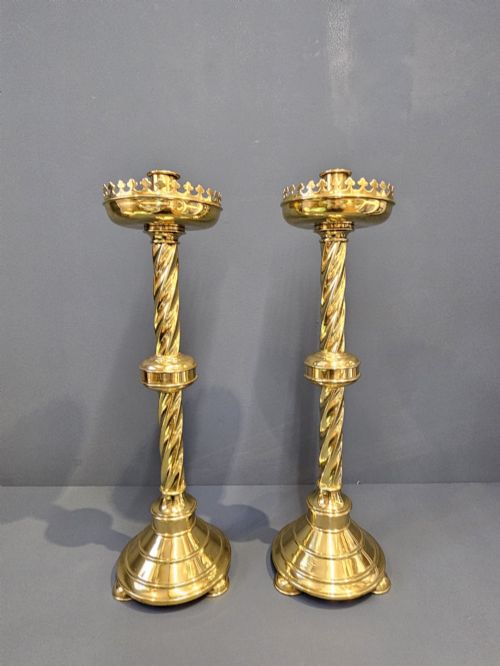
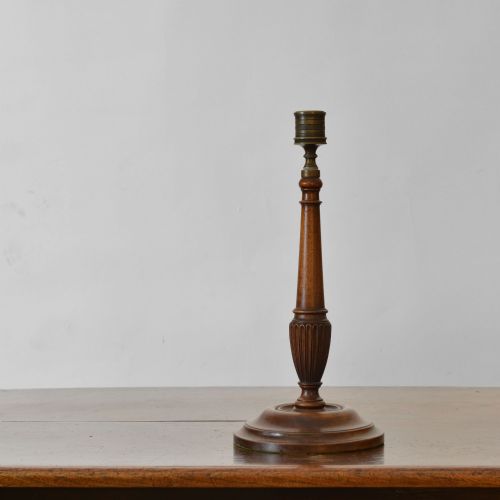
Antique Light Stand
These pieces gather floor lamps, standard lamps and candlesticks from past centuries, offering steady height and enduring materials for interior lighting.
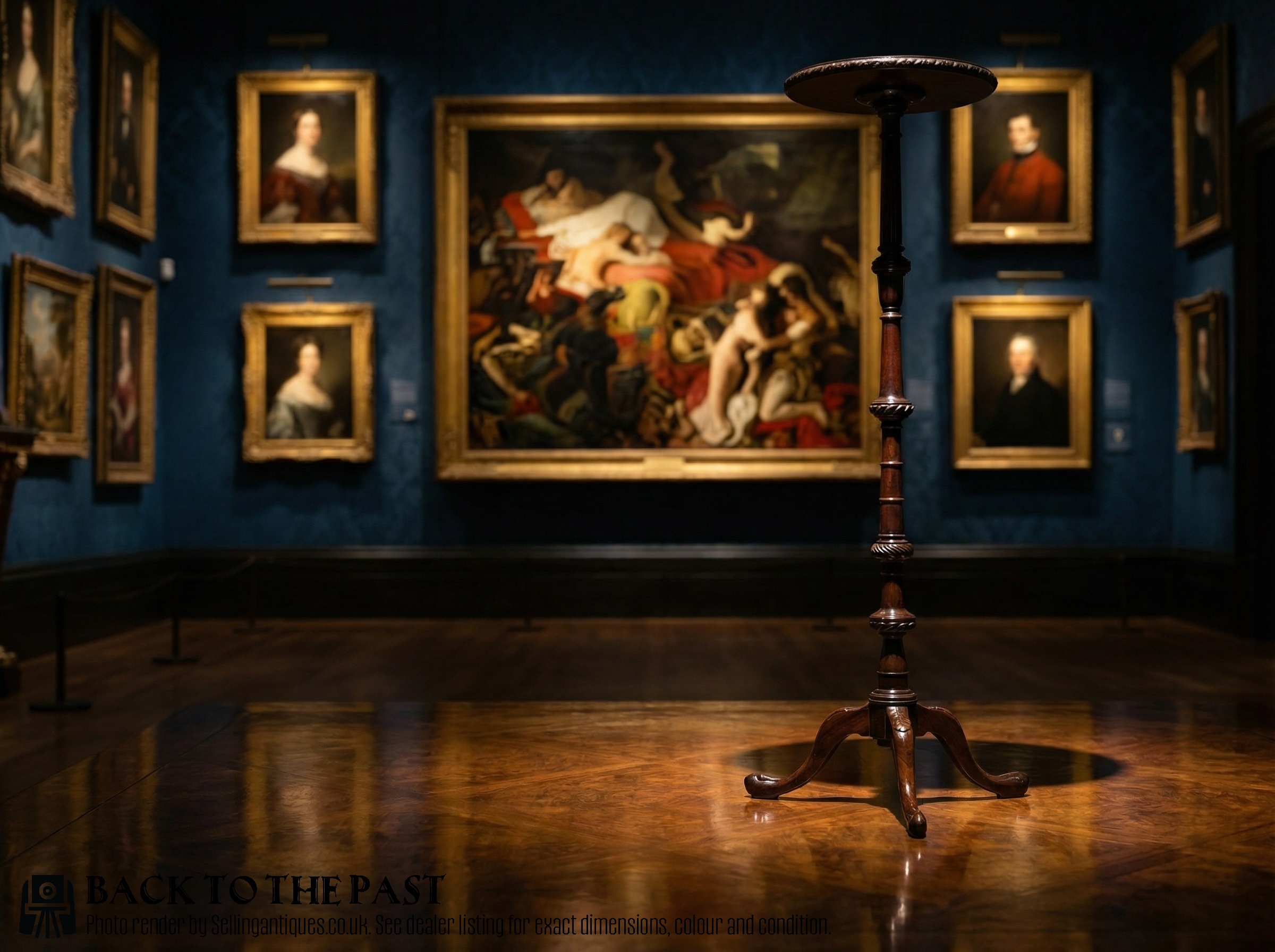
Antique Light Stand
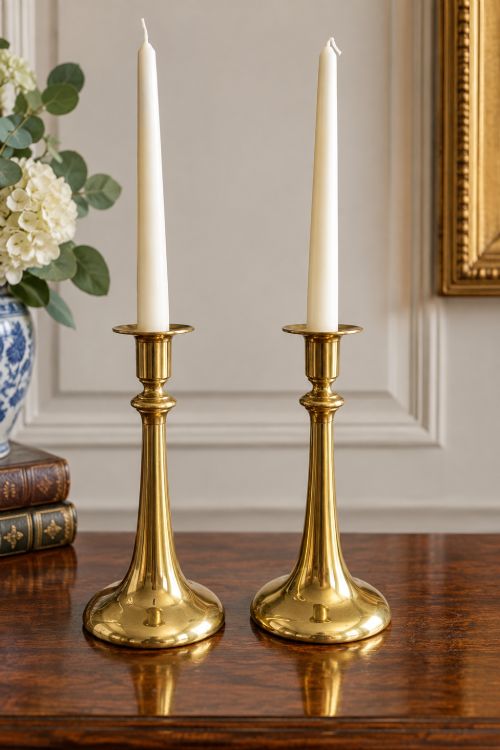
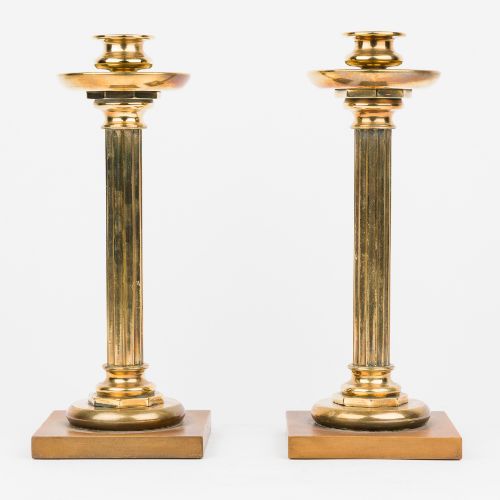
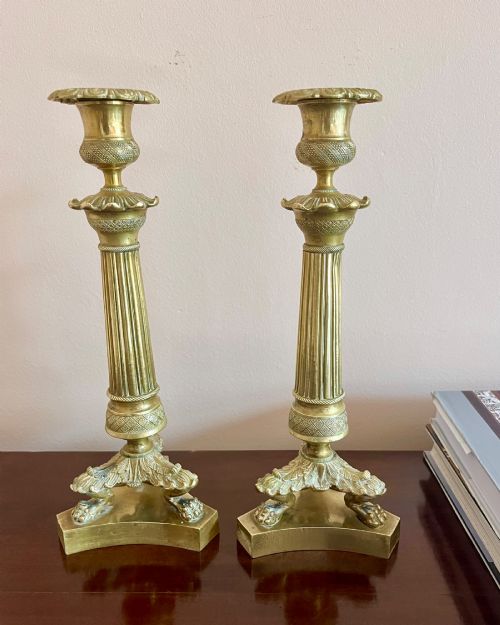
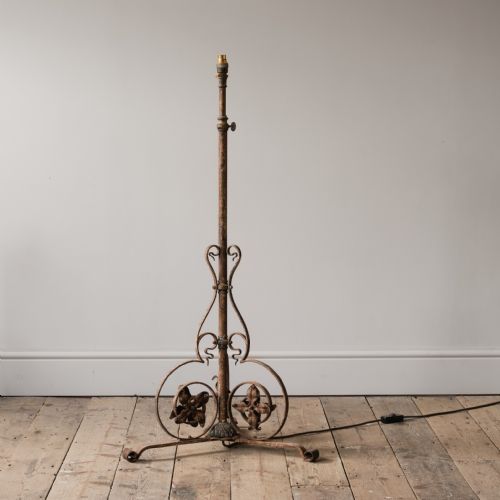
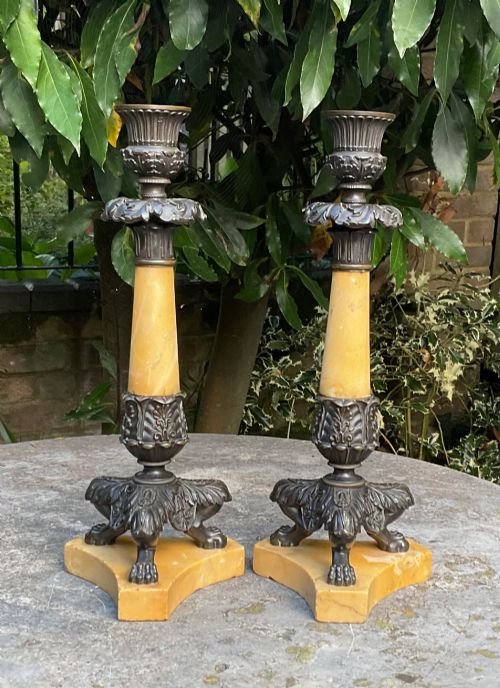
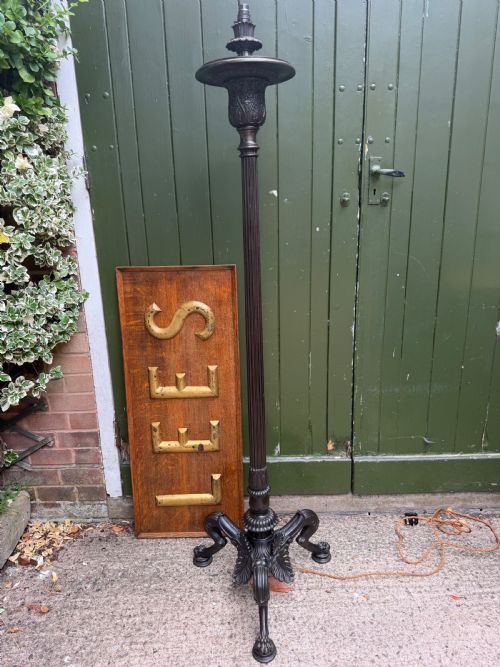
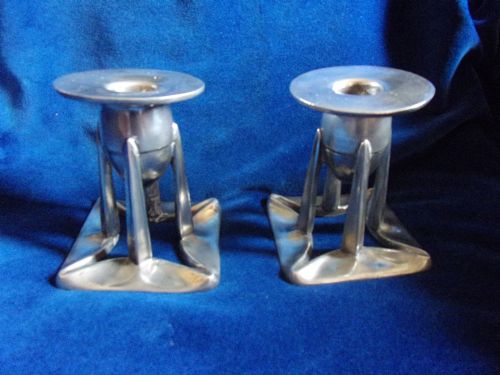
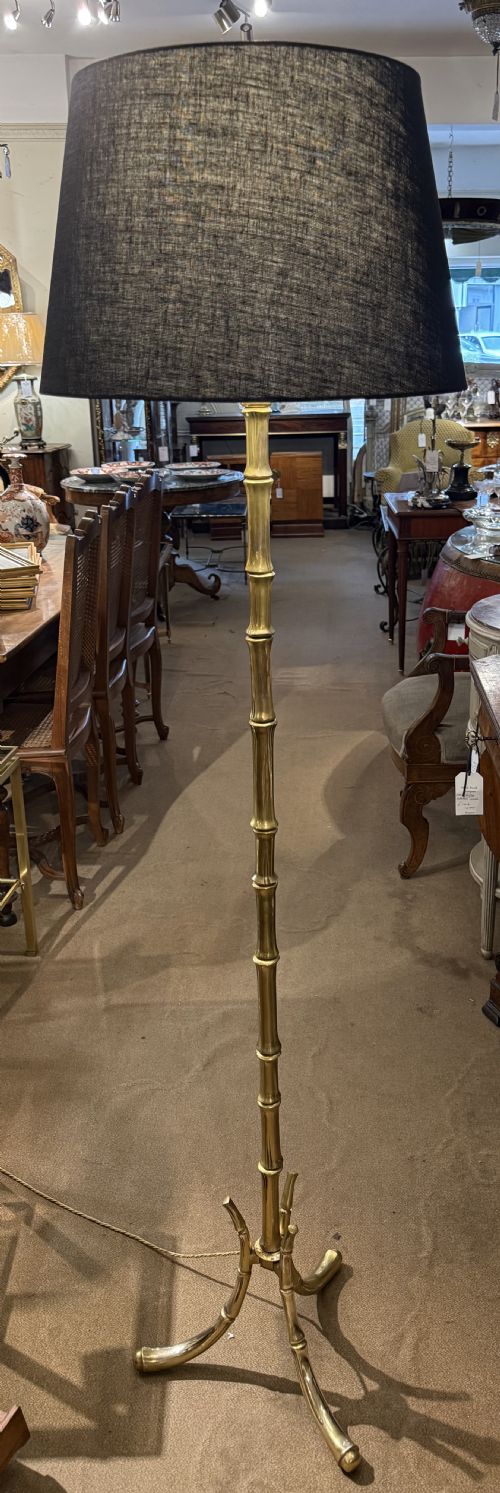
An antique light stand encompasses tall floor-standing luminaires, standard lamps, and table-height candlesticks designed to illuminate domestic and ecclesiastical spaces. They range from towering wooden columns and forged metal torcheres to heavy brass candlesticks and converted oil lamps.
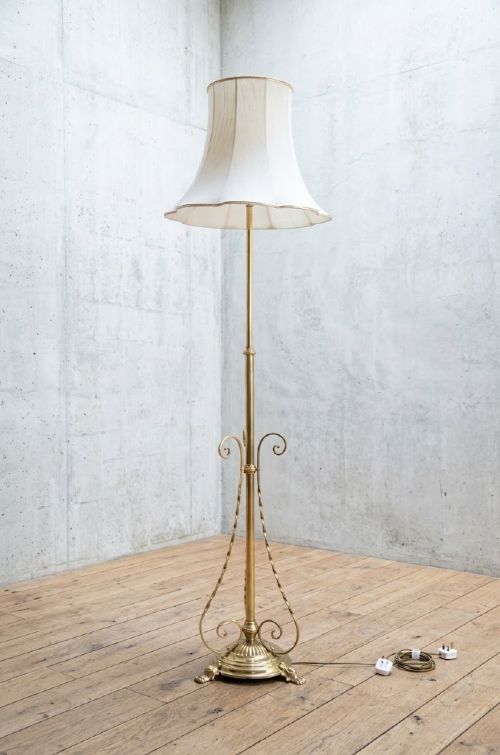
The versions most commonly met on this page date from the Victorian, Edwardian, and Georgian eras, alongside notable early twentieth-century examples in oak, brass, and bronze. Floor standards and table candlesticks dominate the selection, often bearing period conversions for modern electrical wiring.
Makers utilised these stands in libraries, hallways, and principal reception rooms, pairing utility with the decorative movements of their day, such as Arts and Crafts, Art Nouveau, and Gothic Revival. Each piece reflects the lighting technology of its original epoch, transitioning from rush lights and candles to oil and electricity.
Materials and construction methods
Metals form the backbone of many stands, utilising cast brass, bronze, gilt bronze, ormolu, and pewter shaped through casting, chasing, and forging. Blacksmiths hammered iron into floor-standing rush lights and adjustable standards, while foundries produced intricate classical or figurative bases.
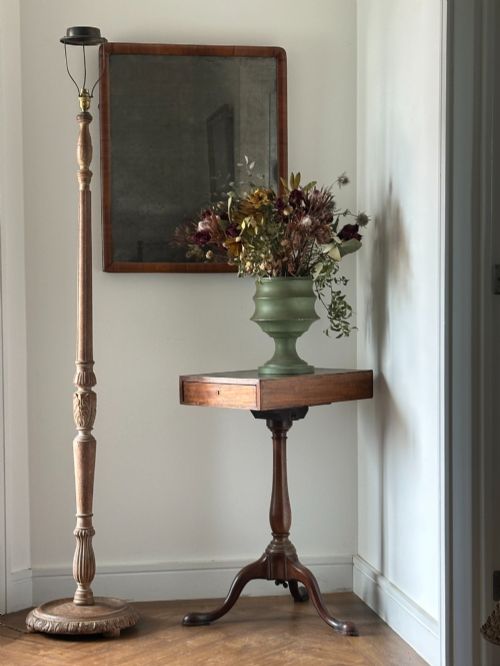
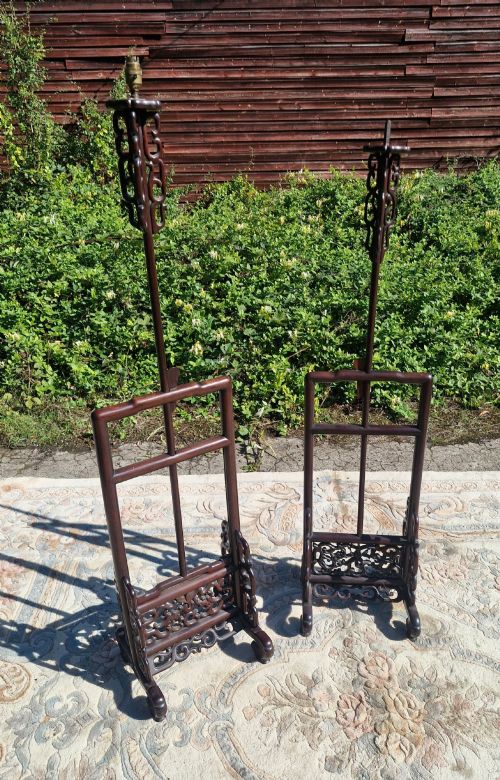
Timbers such as mahogany, oak, and walnut provide the structure for standard lamps and torcheres, frequently carved with fluting, twist turns, or applied ornamentation. These wooden shafts often incorporate heavy weighted bases or tripod legs to ensure stability for tall reading lights.
Surface treatments define the visual finish, including silvering on carved wooden torcheres, liming on oak floor lamps, and patinated or fire-gilt layers on bronze and brass. Fabric shades complete many of the standard lamps, while others rely entirely on the sculptural quality of the metal or wood.
Watch for cast iron shaped as standing terrier dogs, holding steady as vigilant domestic candlestick companions.
Distinctions in manufacture and design
The standard of modeling and hand-finishing separates superior metalwork from mass production, visible in the crispness of chased ormolu, the weight of cast bronze, and the detail in figural elements like putti or animal mounts. Heavier gauge metals and deeply carved wooden grain indicate higher production ambition.
Structural integrity and proportion determine the merit of taller pieces, where slender turned shafts must join seamlessly with weighted bases to prevent tipping. Superior examples maintain original components, adjustments, and threaded brass assemblies without unnecessary replacement parts.
Design ambition elevates certain pieces, particularly those bearing the influence of specific aesthetic movements or documented makers, where proportions and decorative motifs cohere precisely to a period style.
Archibald Knox·Maison Bagues·Barbedienne·Nymphenburg
The Antique Light Stand Glossary
- Torchiere
- A tall stand designed to support a single candle or light source. These often feature slender carved wooden columns or tripod bases dating from the seventeenth and eighteenth centuries.
- Ormolu
- Gilded bronze used extensively for decorative mounts and candelabra. The technique involves applying a mercury and gold amalgam to the bronze base.
- Pricket candlestick
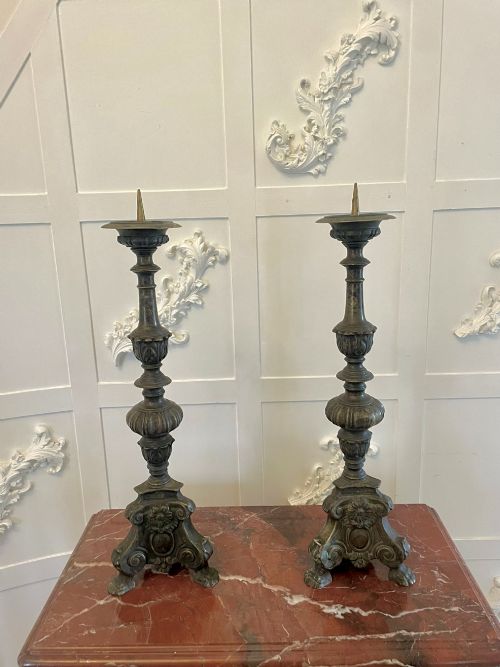
- A candlestick featuring an upward-facing spike upon which a candle is impaled. This form frequently appears in ecclesiastical or Gothic Revival lighting.
- Standard lamp
- A freestanding vertical pole or column designed to hold a light fixture at room height. They appear frequently from the Victorian and Edwardian periods onward.
- Telescopic
- An adjustable mechanism allowing the height of a lamp or candlestick stem to be raised or lowered. This engineering feature is common in nineteenth-century brass oil lamps.
Antique Light Stand: Frequently Asked Questions
How do I wire an old lamp?
Rewiring typically involves running modern three-core cable through the existing hollow central channel of the stand. Professional electricians should handle the internal connections to ensure safety while preserving historic components.
Many standard lamps and converted oil lamps retain their original brass or bronze sockets, which can be adapted with modern sleeve inserts to accept contemporary bulbs without altering the exterior appearance.
What is a standard lamp?
A standard lamp is a tall, freestanding luminaire designed to illuminate a room from floor level rather than resting on a piece of furniture. They emerged in various wood and metal forms during the nineteenth century.
These pieces often incorporated reading tables or adjustable arms to serve specific domestic tasks in Victorian and Edwardian interiors.
How do I date brass candlesticks?
Dating relies on manufacturing techniques, such as the presence of casting seams, pontil marks, and the method used to join the base, stem, and socket. Earlier examples often show heavier sand-casting irregularities and multi-piece construction.
Stylistic cues like Regency paw feet, Georgian knopped stems, or aesthetic movement motifs further narrow the decade of production.
Where were torcheres used?
Torcheres originally stood in grand reception rooms, halls, and galleries to provide supplemental illumination from tall candles. They occupied corners or flanking positions against walls.
In later periods, these decorative stands were frequently adapted to carry electric light fixtures or floral displays.