

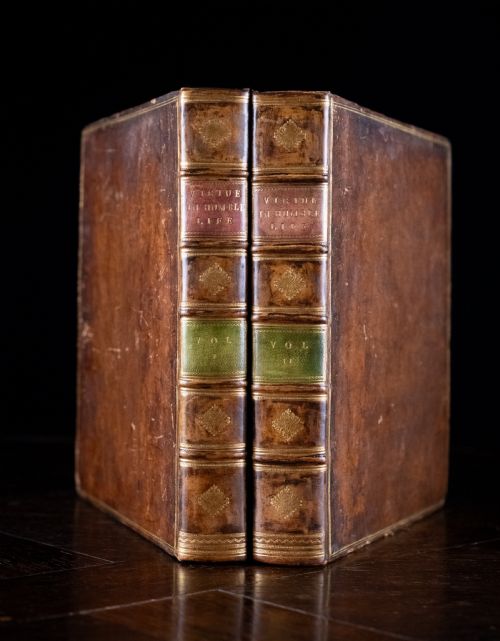
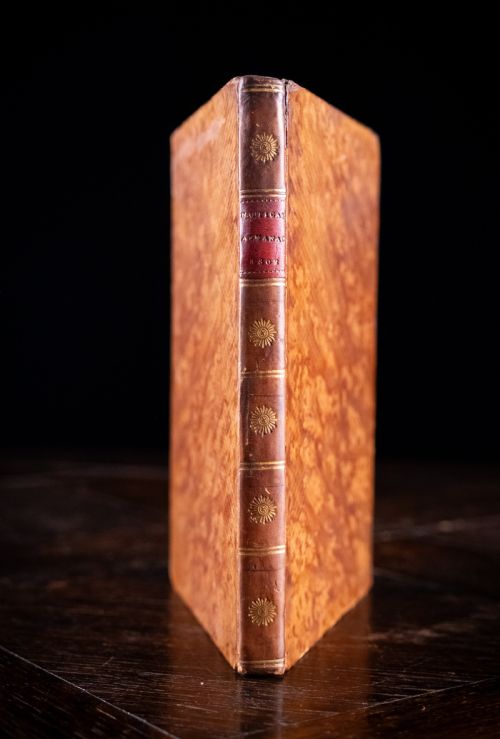
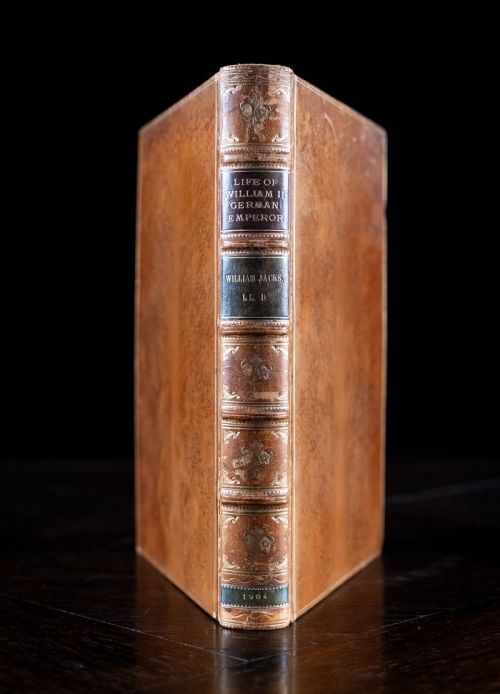
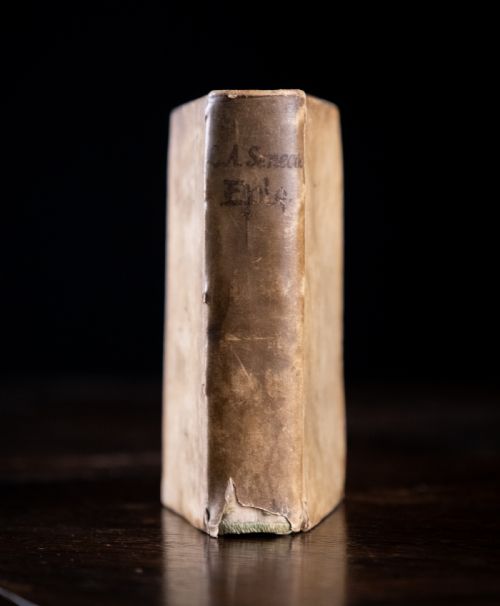
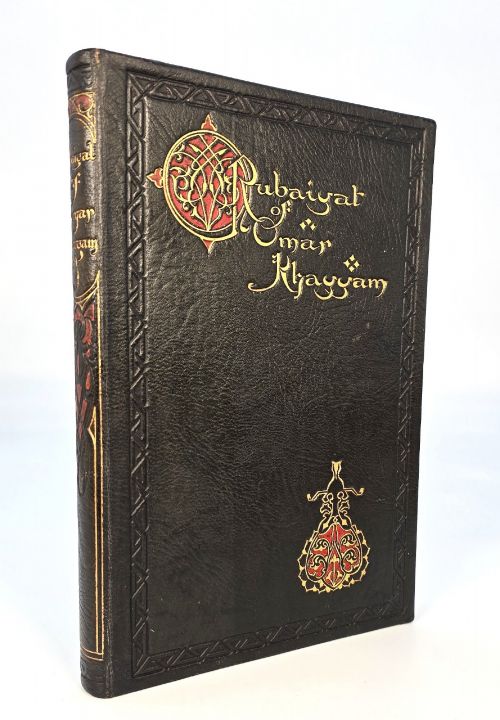
Antique Leather Book
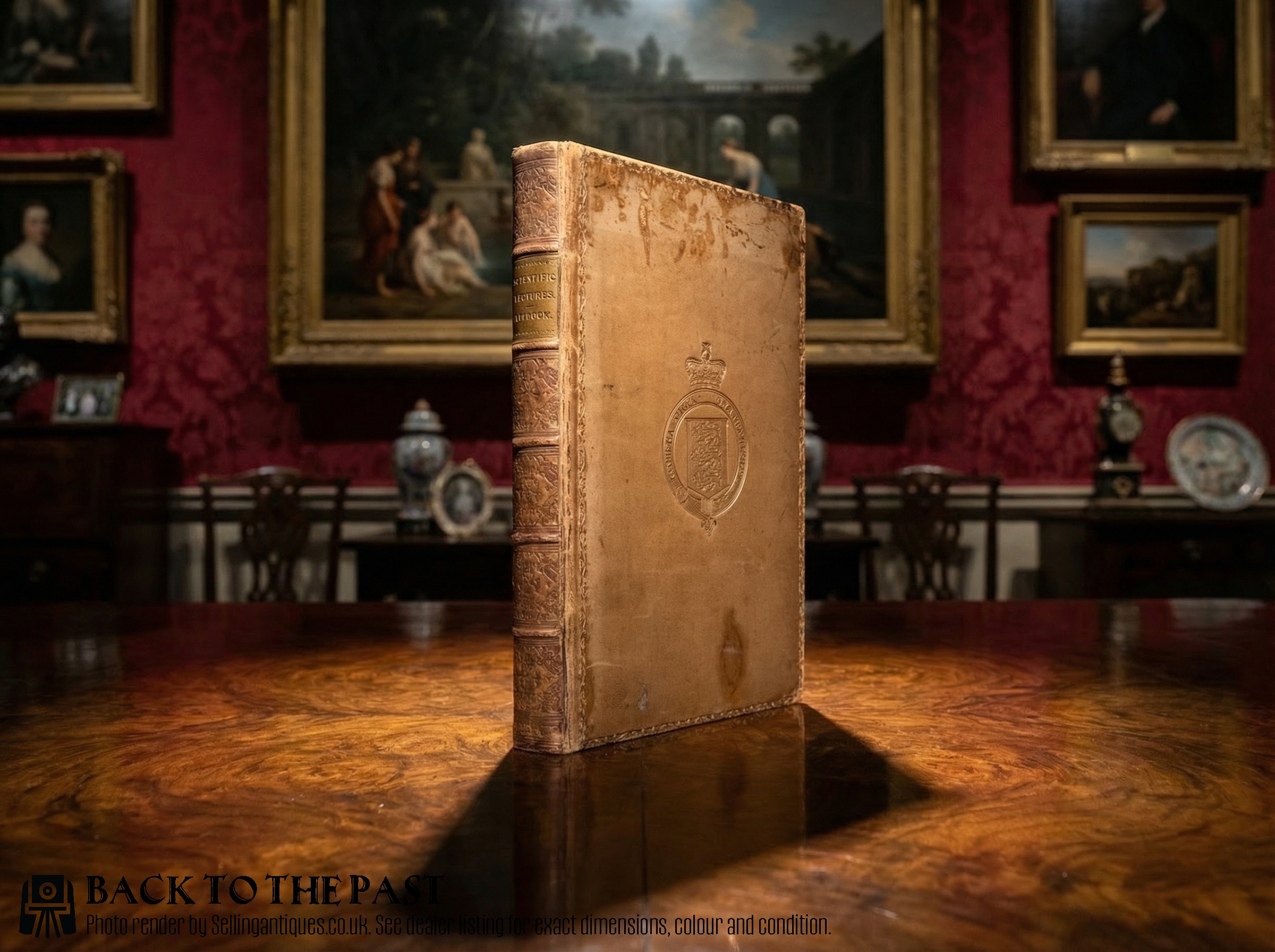
These antique leather book pieces carry the weight of centuries, offering tactile history and rich bindings that anchor a traditional room.
What They Are
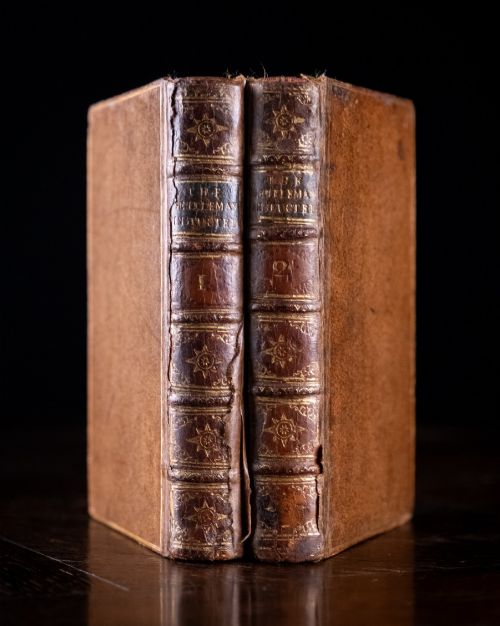
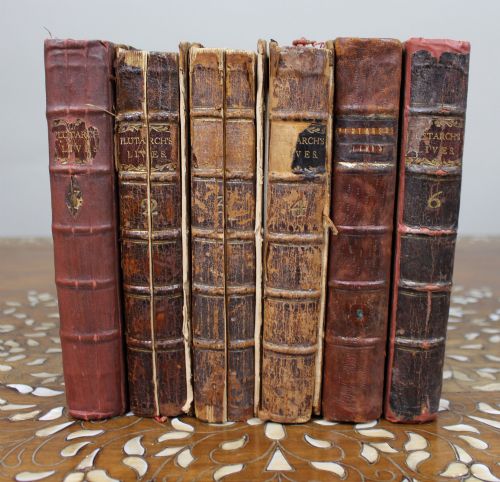
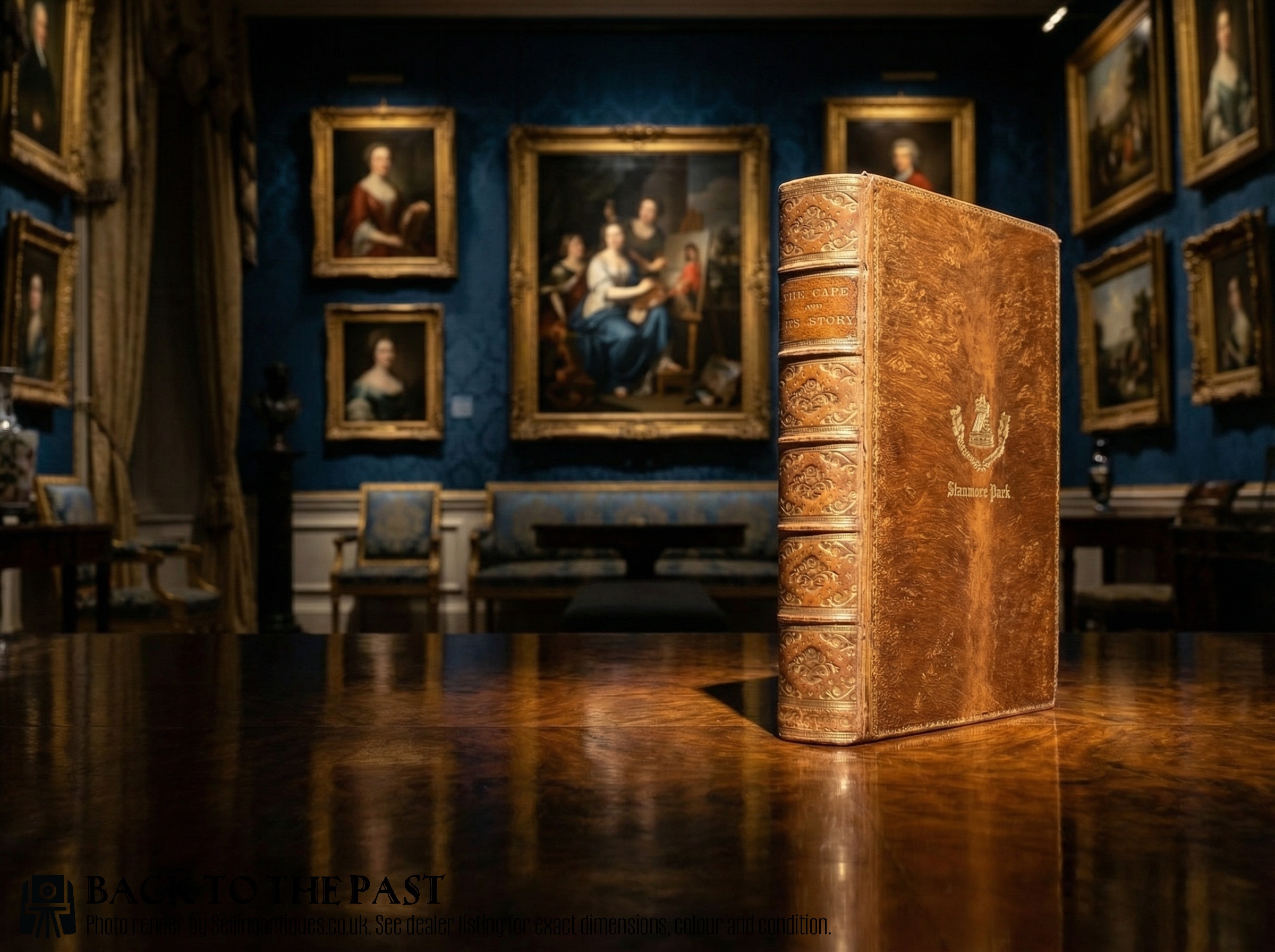
An antique leather book represents centuries of publishing, handwriting, and binding tradition preserved in durable hides and paper. When searching for an antique leather book, buyers encounter everything from single seventeenth-century Latin philosophical epistles to nineteenth-century poetry volumes and Edwardian collections.
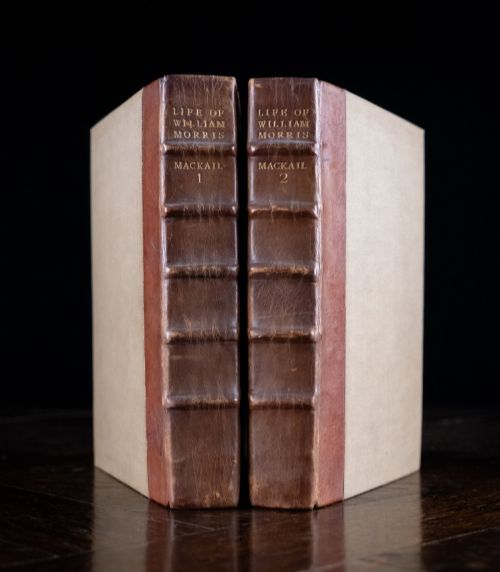
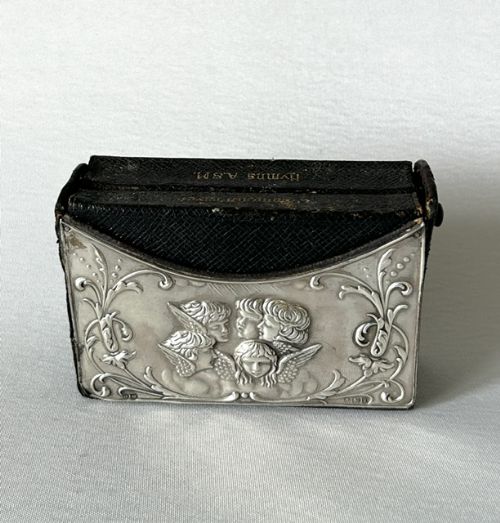
The selection ranges from individual texts like mid-nineteenth-century garden guides and scientific lectures to decorative runs of French volumes and matched pairs. Beyond standard reading copies, the form extends into clever domestic objects such as stationery boxes, liqueur tantaluses, and bookends designed in the likeness of leather bindings.
Dating spans from the seventeen hundreds through the Victorian and Edwardian eras up to nineteen hundred and two. These pieces serve scholars, interior decorators, and collectors seeking genuine period atmosphere.
How They Were Made
Binders constructed these volumes using robust natural materials including paper, vellum, and animal leather. Wood and fruitwood sometimes formed internal structures for boxes and cabinet fronts styled after book forms.
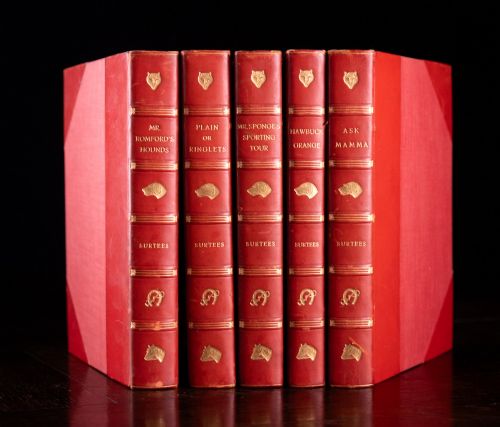
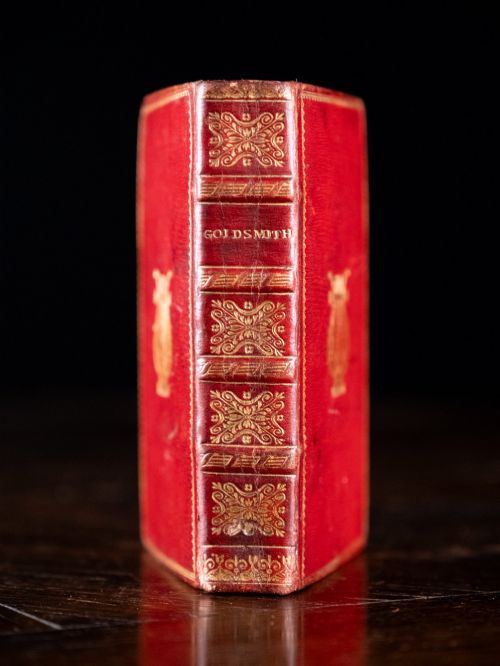
Craftsmen applied gold leaf tooling to spines and boards to create intricate decorative patterns and lettering. Pages were stitched by hand before securing them inside protective leather covers.
Materials recorded across these listings include paper, leather, gold leaf, and vellum.
What Varies in Quality
The standard of an antique leather book depends upon the integrity of the binding and the crispness of its gold leaf tooling. Superior examples retain supple leather and firmly attached text blocks without excessive cracking.
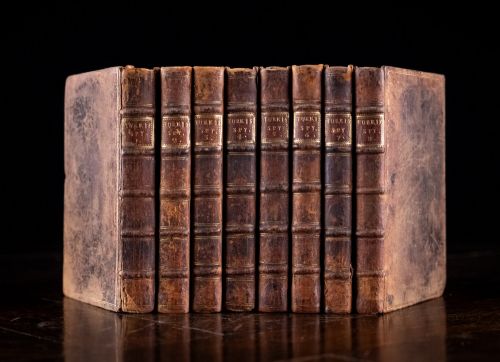
Completeness and uniformity elevate sets and runs, whether grouping seventy-one Georgian spines or a long decorative sequence of French literature. Maker attribution, such as signed pieces by Dreyfous of Paris, also separates standard volumes from notable works.
The Antique Leather Book Glossary
- Vellum
- A fine parchment prepared from the skin of a calf or other animal, frequently used for durable historical book bindings.
- Gold Leaf
- Gold beaten into an extremely thin sheet, utilised for tooling letters and decorative motifs onto leather spines and covers.
- Antiquarian
- Pertaining to books, manuscripts, and artefacts of ancient times or significant historical age.
- Tantalus
- A decorative cabinet or box holding decanters or items behind a locking mechanism, occasionally disguised as a stack of leather books.
Frequently Asked Questions
How should I clean antique leather books?
Dust gently with a dry, soft cloth to remove surface particles without damaging delicate bindings.
Avoid using modern household cleaners or excessive moisture which can permanently ruin historical leather and paper.
Are these books suitable for daily reading?
Many volumes remain structurally sound for careful reading, particularly sturdier Victorian and Edwardian editions.
Very early seventeenth-century works require gentle handling to preserve fragile paper and historical bindings.
How do I identify the date of a leather book?
Check the title page for printed publication dates, or examine introductory Latin inscriptions and printer colophons.
Binding styles, typeface designs, and paper textures also offer strong clues to the period of manufacture.
What is a book form box?
Craftsmen occasionally fashioned wooden or leather boxes, desk accessories, and games compendiums to resemble stacks of historical volumes.
These clever decorative objects served to conceal stationery, chess sets, or spirits within a library setting.