





Vintage Leather Volume
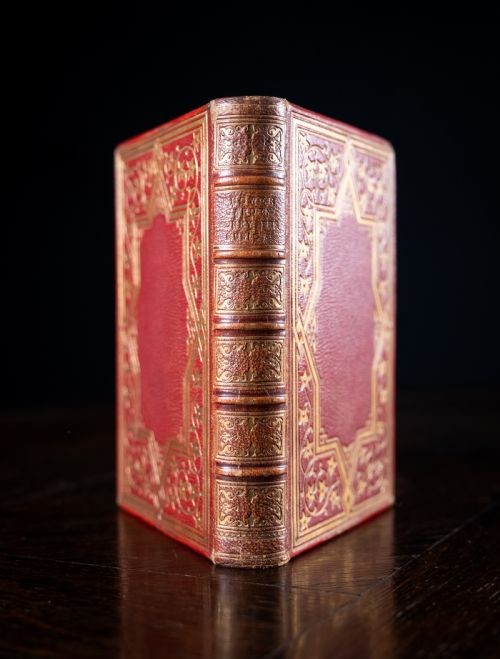
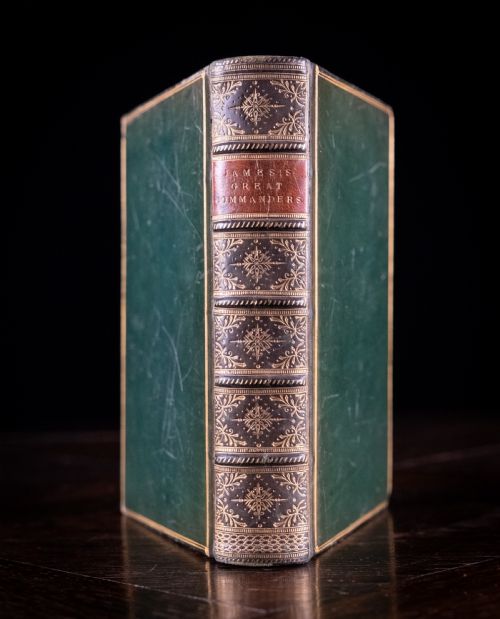
Vintage leather volume sets bring centuries of literature and history to shelves in sturdy bindings of calfskin and vellum.
Vintage Leather Volume
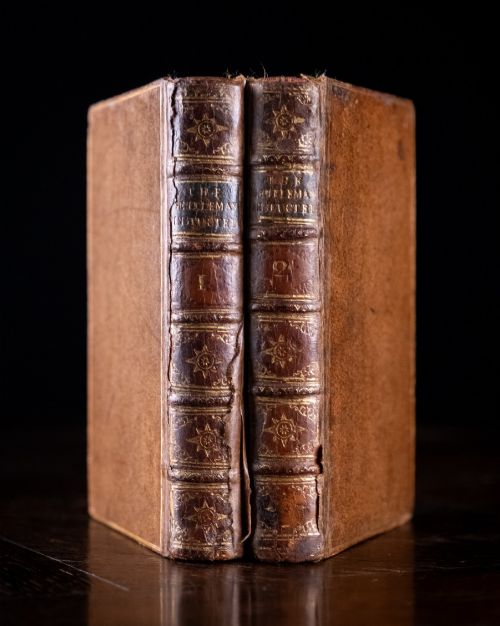
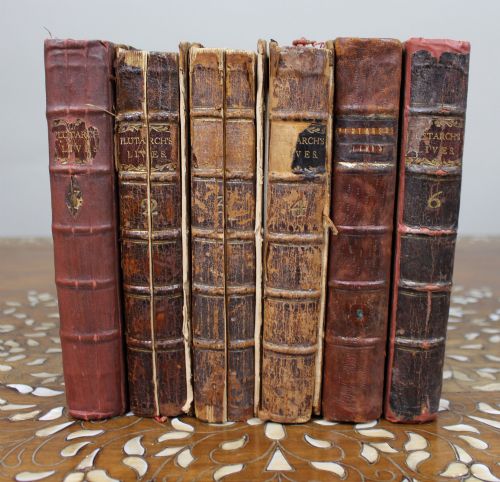
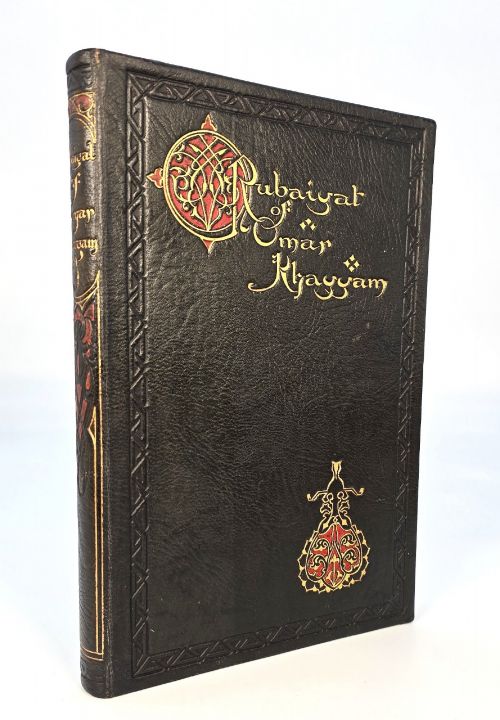
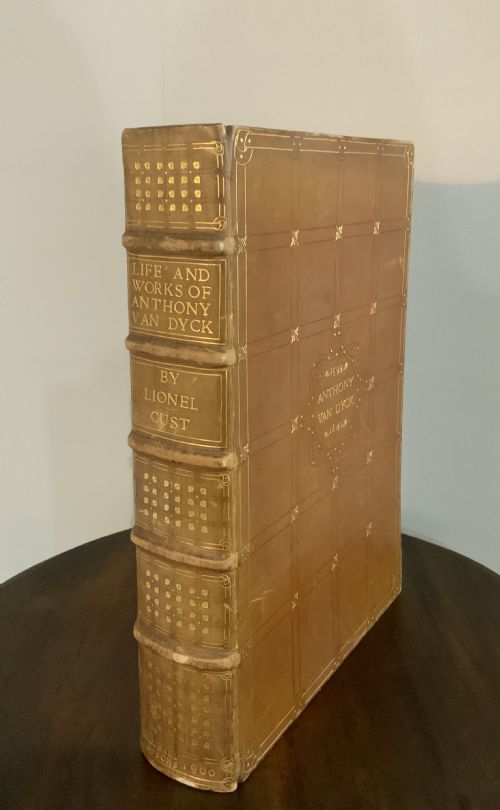
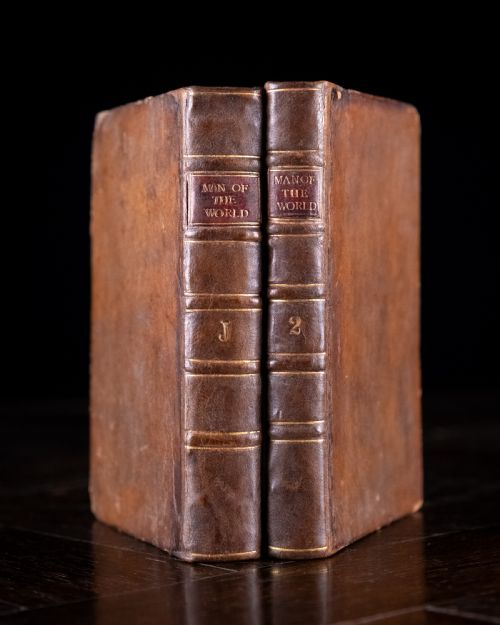
A vintage leather volume typically presents as an antique book, antiquarian book or multi-volume set bound in durable animal skin. When searching for vintage leather volume, a buyer encounters single books as well as long sets spanning multiple centuries.
The selections on this page range from 18th-century philosophy and 19th-century poetry to early 20th-century cartography and literature. Most examples originate from the Georgian, Victorian and Edwardian periods.
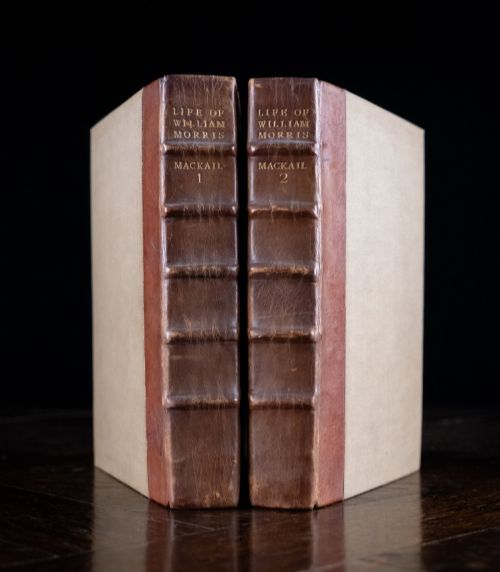
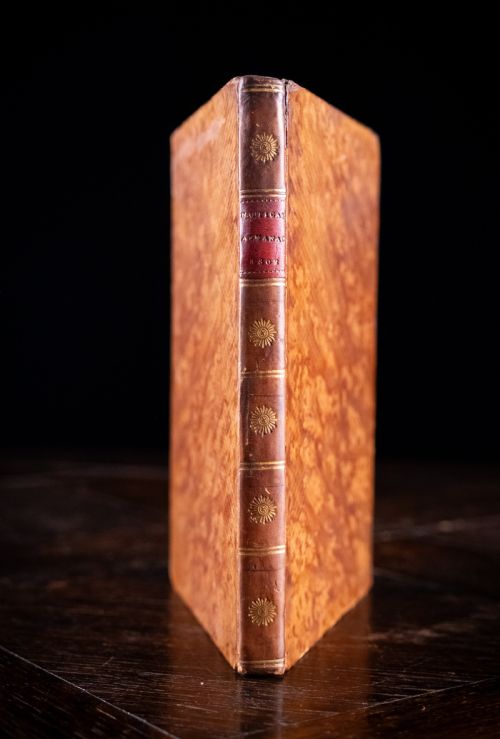
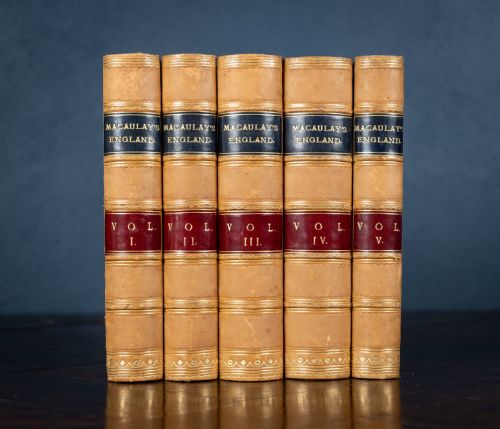
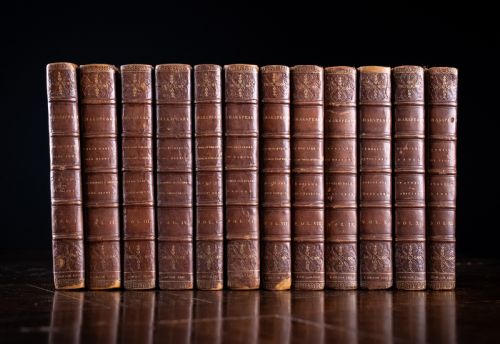
Sets frequently comprise complete works of drama, history or sporting novels bound uniformly for private libraries. Individual volumes range from nautical almanacs to illustrated translations and biographical memoirs.
How they were made
Binders utilised natural materials including calfskin, vellum and cloth over sturdy boards, securing the paper text blocks for heavy use. Leather surfaces often received gold leaf and gilt tooling to highlight titles and decorative spine compartments.
Text pages utilise paper and marbled paper, sometimes accompanied by engraved illustrations or maps. Binders stitched signatures together by hand or machine before encasing them in protective leather or parchment covers.
Secret histories of spies in Paris and nautical almanacs rub shoulders with quiet volumes on the honey bee.
What varies in quality
The fineness of the binding separates basic utilitarian bindings from decorative library sets. Deep gilt tooling, crisp lettering in gold leaf and uniform matching covers across multi-volume sets indicate superior craftsmanship.
The quality of the text block, including the clarity of the typography, the preservation of original paper and the presence of illustrations by notable artists, dictates the standing of an individual volume.
J. and R. Tonson·J. Wheble
The Vintage Leather Volume Glossary
- Vellum
- A fine parchment material prepared from the skin of a calf or other animal, often used for durable book bindings.
- Gilt
- A thin layer of gold applied to the edges of book pages or tooled into leather covers for decoration.
- Calfskin
- A soft yet durable leather derived from the hide of a calf, frequently employed for quality bookbindings.
- Cartography
- The study and practice of making maps, found in specialised reference books and atlases from the early twentieth century.
- First Edition
- The first appearance of a work in its initial published form, sought after by collectors for textual purity.
Vintage Leather Volume: Frequently Asked Questions
What is a vintage leather volume?
A vintage leather volume is an antique book or set of books bound in materials such as calfskin or vellum. These pieces range from single volumes of poetry to multi-volume sets of history and literature.
They represent historical publishing practices from the eighteenth, nineteenth and early twentieth centuries, offering durable construction alongside decorative spines.
How were leather bound books used?
These books served as working reference materials, religious texts, journals and literary works for private libraries and scholars. Multi-volume sets allowed readers to house complete works of authors like Shakespeare or historical surveys on their shelves.
Owners also displayed uniformly bound sets to demonstrate learning, taste and affluence in domestic interiors.
How do I live with antique books?
Antique books require stable environmental conditions away from direct sunlight and excessive humidity to preserve leather bindings and paper text blocks. Upright shelving without overcrowding supports the spines and prevents distortion.
Handling them with clean hands and opening them gently protects the historical stitching and delicate gilt tooling on the covers.
How do I tell periods apart?
Stylistic shifts in typography, binding materials and decorative tooling help distinguish periods like the Georgian era from the Victorian era. Georgian bindings often feature distinct calfskin tones, while late nineteenth-century sets frequently utilise uniform cloth or gilt leather for multi-volume publications.
Publication dates printed on title pages or within prefaces provide the most direct evidence of a book's era.