

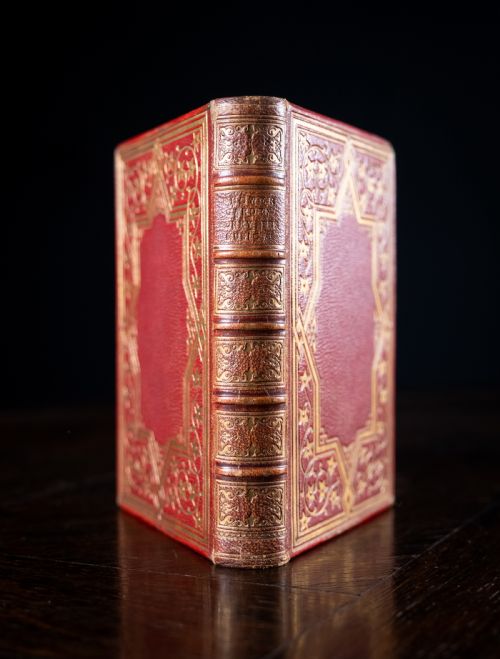

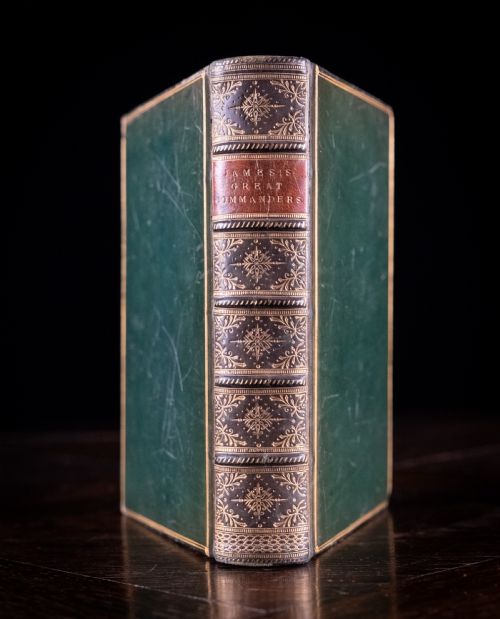


Antique Hardback Book
An antique hardback book brings tactile history to your shelf, offering tangible connections to past centuries through paper, leather, and ink.
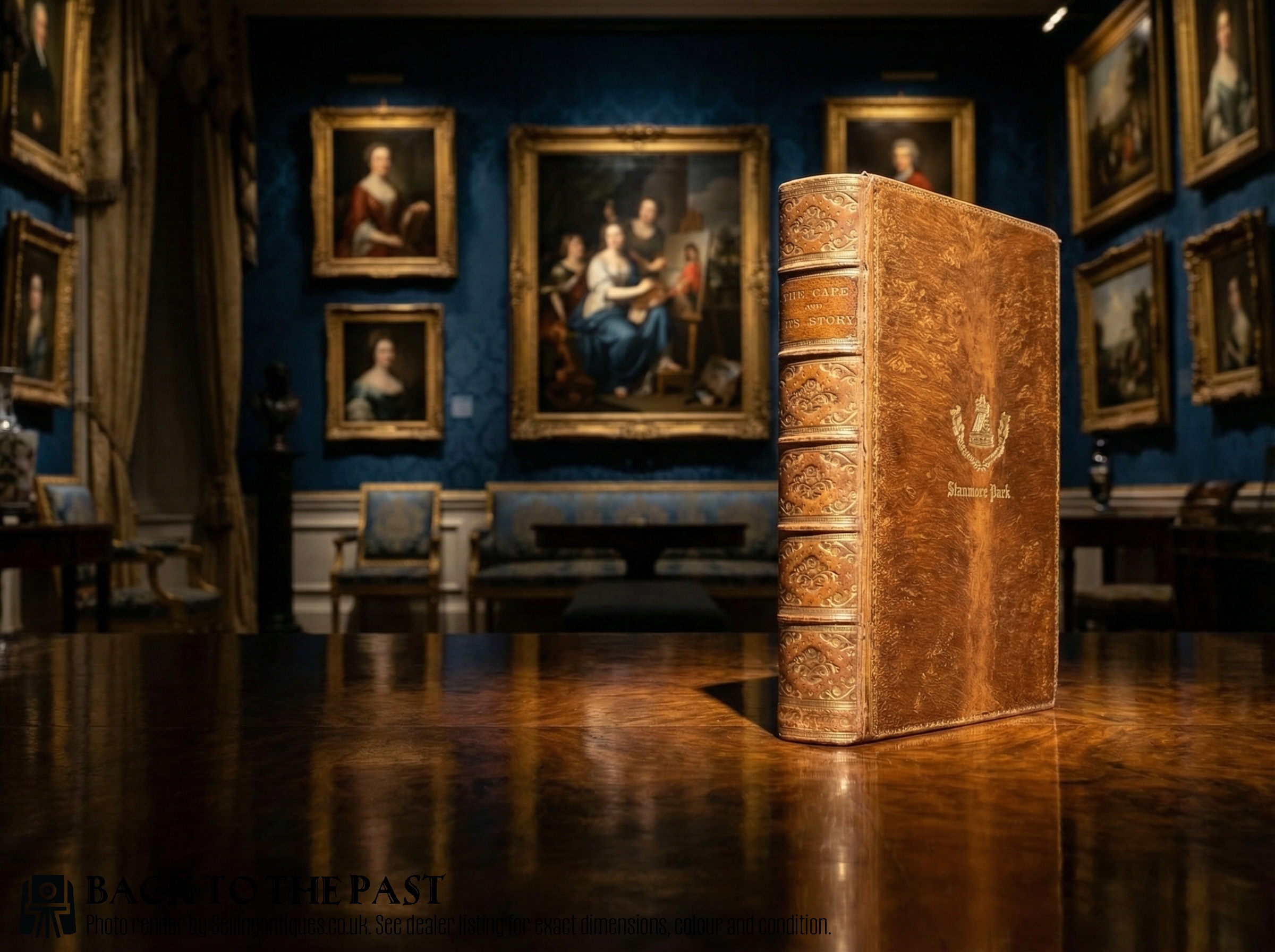
Antique Hardback Book
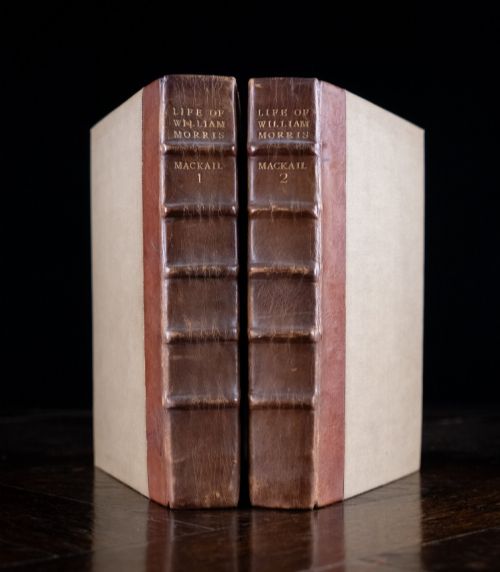
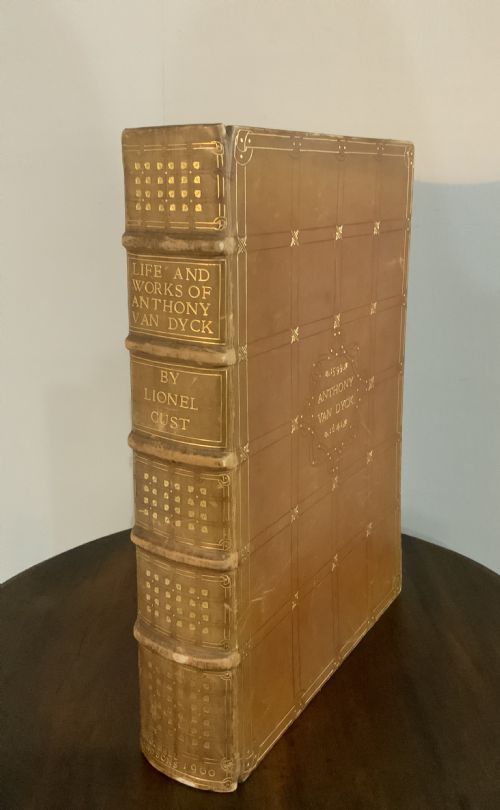
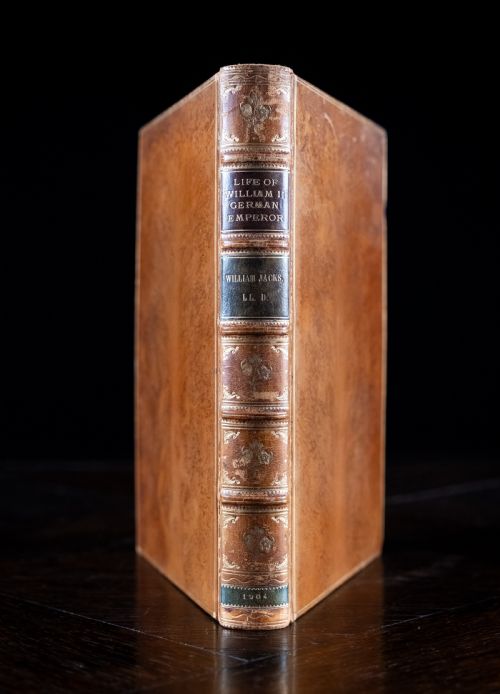
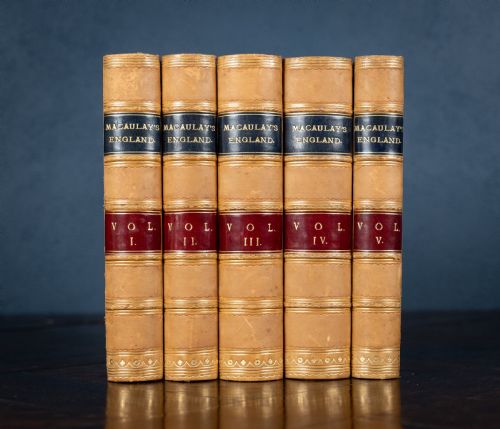
When you search for an antique hardback book, you encounter volumes spanning the eighteenth, nineteenth, and early twentieth centuries. These pieces appear as single editions, multi-volume sets, and specialised works covering history, biography, cartography, and literature.
The selection ranges from Georgian multi-volume sets printed in London to Victorian and Edwardian bindings, including illustrated works, poetry, and German cartography references. Most examples date from the nineteenth century, featuring formats from pocket-sized memoirs to large rebound folio volumes.
Buyers find both modest cloth-covered editions and elaborate leather-bound bindings decorated with gold leaf. The variety encompasses historical studies, novels, and reference books produced across different European traditions.
Materials and construction
The physical construction of these volumes relies on traditional bookbinding methods utilising paper pages sewn into sturdy text blocks. Bindings incorporate leather, calfskin, vellum, and cloth over rigid boards, frequently enhanced with marbled paper endpapers.
Decoration on the covers and spines often employs gold leaf tooling to create gilded lettering and ornamental patterns. Text blocks utilise quality rag paper designed to withstand centuries of handling.
Antique Hardback Book Retail Price Guide 2026
Typical asking prices for hardback book among the pieces listed under this phrase on Sellingantiques today, from the lower quarter to the upper quarter. They describe what is for sale here now, not the wider market.
The inventory includes multi-volume sets of novels, historical memoirs, poetry, and detailed German cartography references.
Assessing craftsmanship and condition
Quality in these volumes rests on the integrity of the original binding and the crispness of the interior printing and illustrations. Superior examples retain firm hinges, intact sewing, and well-preserved leather or vellum that shows careful ageing without structural failure.
The presence of specialised decorative elements, such as intricate gilt tooling on the spine and boards, elevates the standard of a volume. The clarity of plates, maps, and typography further distinguishes master craftsmanship from standard commercial production.
J. and R. Tonson·Gustave Dore·Sir Walter Scott·William Morris·Thomas Babington Macaulay
The Antique Hardback Book Glossary
- Hardback
- A book bound with rigid protective covers, typically made of cardboard covered in cloth, leather, or paper. This traditional structure protects the interior pages from damage over generations.
- Vellum
- A fine parchment material prepared from calfskin, used historically for durable and prestigious book bindings. It offers a smooth, pale surface that ages with a distinct character.
- Calfskin
- A soft, supple leather derived from the hide of a calf, frequently utilised for high-quality nineteenth-century bindings. It takes tooling and gilding exceptionally well.
- Gilt tooled
- A decorative technique applying gold leaf onto leather or cloth bindings using heated metal tools. This process creates shimmering lettering and ornamental designs.
- Cartography
- The study and practice of making maps, represented in these books through specialised historical map collections and atlases. These volumes document geographical knowledge of their era.
Antique Hardback Book: Frequently Asked Questions
How should I care for leather bindings?
Leather-bound books require stable environmental conditions away from direct sunlight and extreme humidity to prevent the material from drying out or cracking.
Handle them gently by supporting the spine rather than pulling them from the shelf by the headcap.
How do I identify a first edition?
First editions are typically verified by checking the publication date on the title page against publisher records and bibliographic guides.
Authors and specific publishing years, such as nineteenth-century dates, help establish the printing history of the volume.
What is the difference between calfskin and vellum?
Calfskin is a treated animal leather known for its flexibility and ability to accept gold tooling on spines and covers.
Vellum is a smooth parchment prepared from untanned skins, presenting a stiffer, pale surface that resists wear differently than leather.
Can I read and display these books daily?
These volumes were made to be read, but their age requires mindful handling to preserve fragile paper and historic bindings.
Display them upright on sturdy shelves where they remain supported by neighbouring books to prevent warping.