


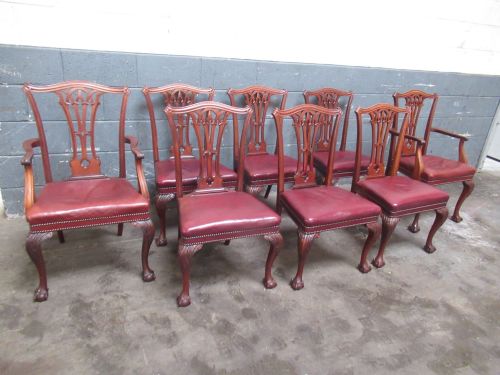
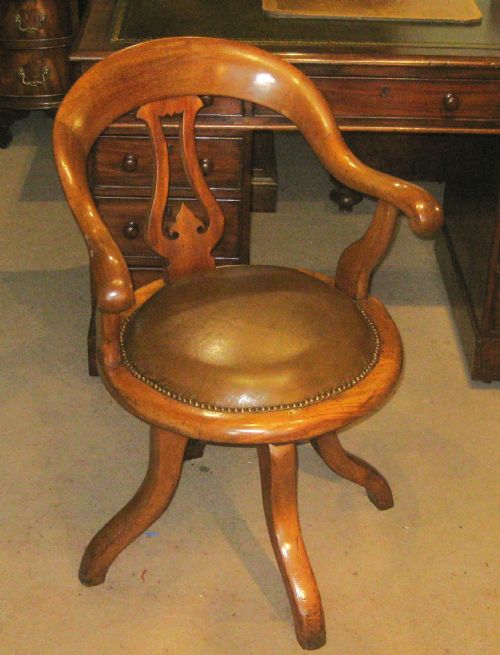
Antique Leather Back Chair
When you search for an antique leather back chair, you meet pieces built for endurance, marrying solid timbers with hides that age with character.
Antique Leather Back Chair
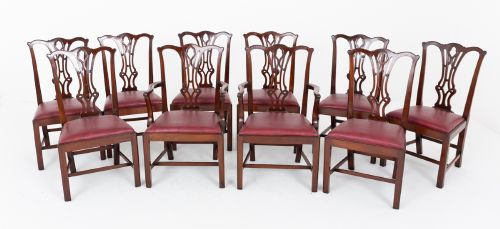
An antique leather back chair encompasses a broad family of seating, ranging from substantial library and wing armchairs to sets of dining chairs produced across centuries. The core of this category is functional seating where leather forms the primary support or upholstery of the backrest.
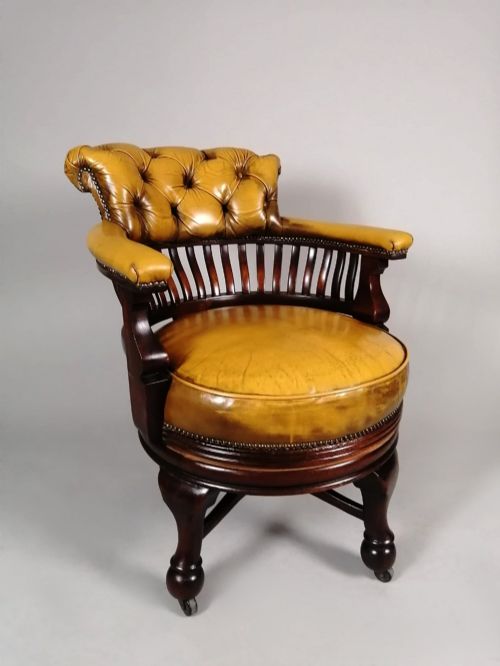
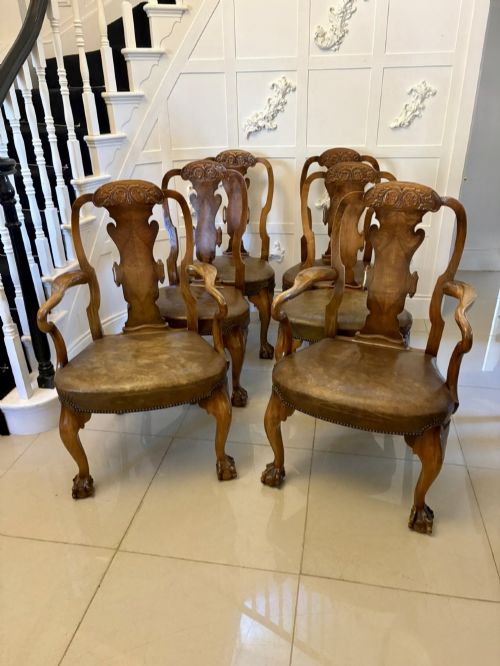
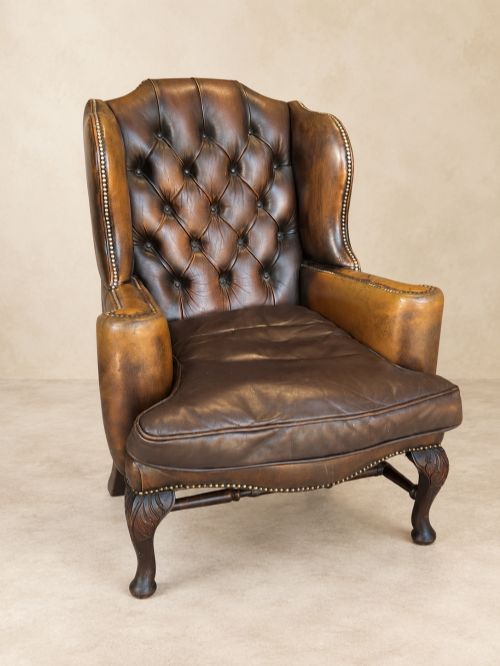
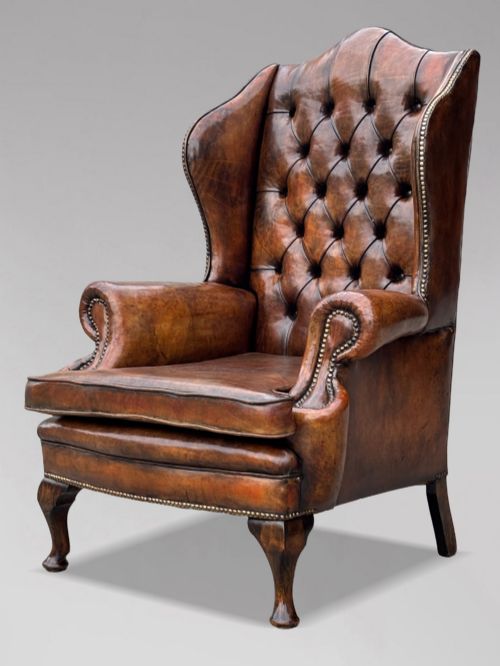
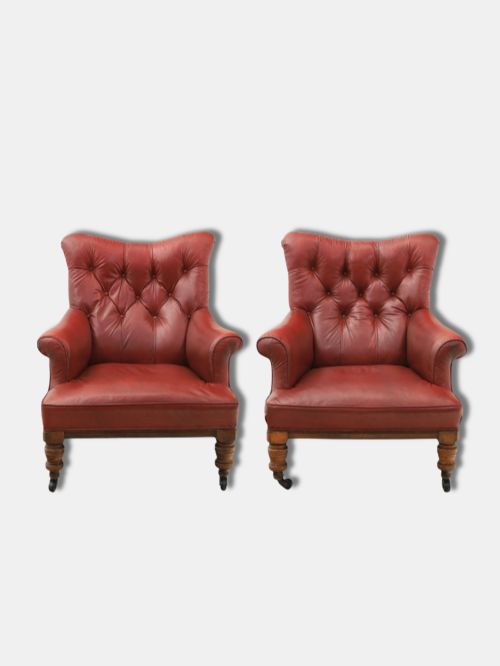
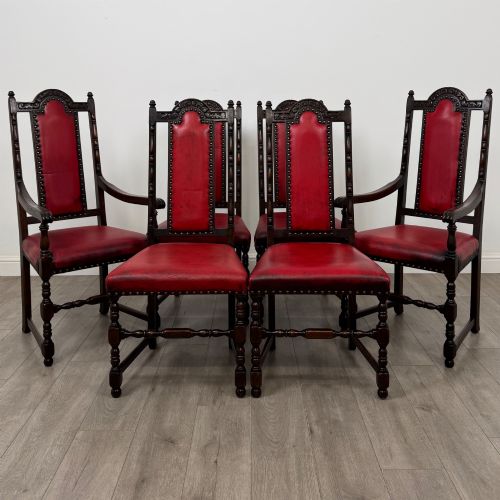
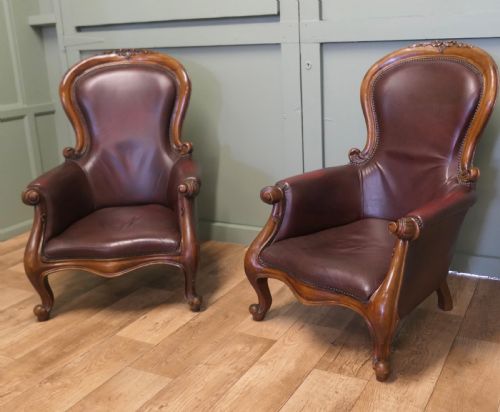
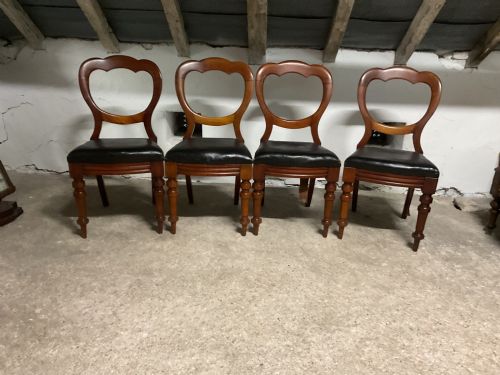
Victorian and 1920s examples dominate the available selection, often appearing as deep-buttoned wing chairs, fireside loungers, or revolving desk chairs. Alongside these single reading seats, sets of mahogany or oak dining chairs frequently surface, showing leather seats or padded backs.
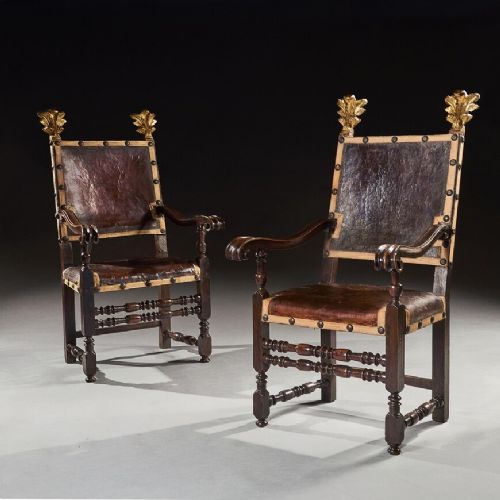
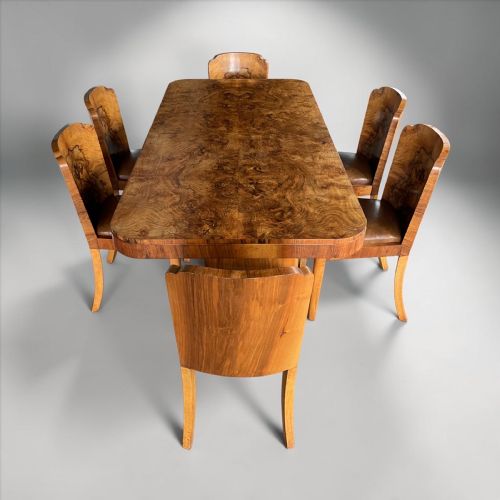
Origins stretch from Georgian workshops to early twentieth-century cabinet makers, with woods like mahogany, oak, and walnut providing the structural frames. Buyers encounter both stately library pieces designed for long hours of study and lighter parlor or dining variations.
Materials and Construction
Makers relied on dense hardwoods such as mahogany, oak, and walnut to build the supportive frames, often incorporating hand-carved details or cabriole legs. These timbers were joined using traditional mortise and tenon or dowel construction to ensure structural rigidity over decades of use.
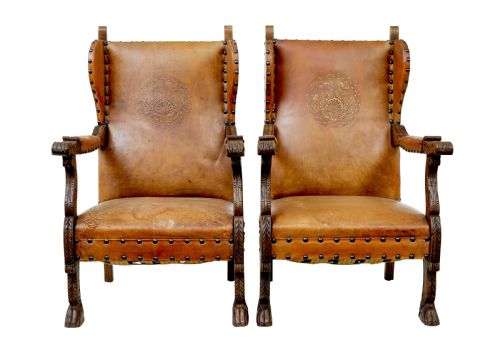
Hides were stretched across frames using traditional webbing and stuffing techniques, then secured with individual brass tacks or button tufting. The leather itself was often hand-dyed or embossed, developing a rich patina through exposure to light and natural oils.
Some Victorian library chairs feature concealed castors so scholars could glide silently between bookshelves without disturbing the quiet.
Markers of Distinction
The integrity of the wooden frame dictates longevity, with tight joints and crisp, undisturbed carving separating superior pieces from lesser examples. Frames that remain rigid without excessive modern reinforcement demonstrate careful initial construction.
The condition and treatment of the hide significantly influence value, as naturally aged leather with supple movement outperforms dry or heavily painted substitutes. Original brass studding and deep buttoning executed with precision point to skilled workshop execution.
The Antique Leather Back Chair Glossary
- Wingback
- A high-backed chair with side panels designed to shield the sitter from drafts. These panels extend from the arms up to the shoulders.
- Button-backed
- Upholstery style where buttons are pulled deep into the padding to create a diamond pattern. This secures the internal stuffing and provides firm support.
- Gainsborough
- A spacious, upholstered armchair with an open frame, short arms, and a low seat, typically used at a desk. It gained popularity during the Georgian period.
- Cabriole leg
- A furniture leg that curves out in a convex shape and tapers inward in a concave shape, ending in a pad or claw foot. It draws inspiration from animal limbs.
- Rexine
- A leathercloth material made from cotton fabric coated with nitrocellulose, oil, and pigment. It served as a durable substitute during the early twentieth century.
Antique Leather Back Chair: Frequently Asked Questions
How do I care for antique leather?
Maintain the hide by applying specialised leather creams periodically to prevent cracking and preserve natural oils. Keep these chairs away from direct sunlight and heat sources to avoid drying out the material.
Dust crevices gently with a soft cloth and avoid harsh chemical cleaners that strip the original finish. Regular, gentle maintenance preserves the historic surface character.
Were these chairs used at desks or firesides?
Seating styles varied according to intended domestic placement, with sturdy wing chairs positioned near hearths to block drafts. Revolving and open-frame models served administrative duties in libraries and studies.
Dining sets provided upright support around large tables, while low parlor versions suited dressing rooms and intimate sitting areas.
How do I distinguish Victorian from Georgian pieces?
Georgian furniture typically displays restrained classical proportions, lighter mahogany timbers, and precise hand-carved decorative motifs. Victorian pieces often lean toward heavier frames, bolder carving, and deep button upholstery.
Examining the underside construction, tool marks, and wood ageing helps clarify the specific manufacturing era.
Is replacement leather acceptable on antiques?
Original hides are prized by collectors, but centuries of use often necessitate professional reupholstery to restore functionality. When replacement occurs, traditional vegetable-tanned leather and period-appropriate hand-dyeing techniques maintain the visual integrity of the piece.