
Antique Lead Crystal Glass
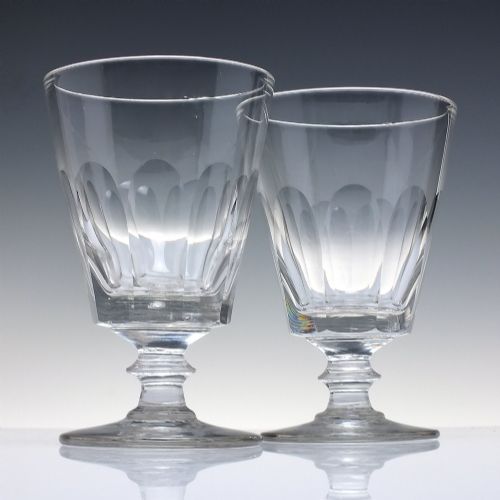
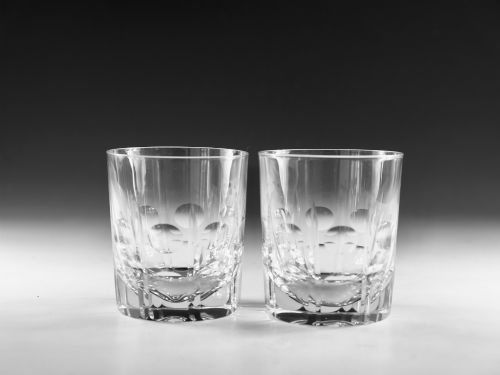
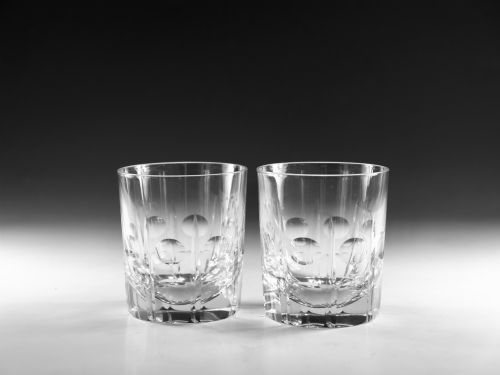
These antique lead crystal glass pieces bring heavy weight, sharp facets and brilliant clarity to a table.
Antique Lead Crystal Glass
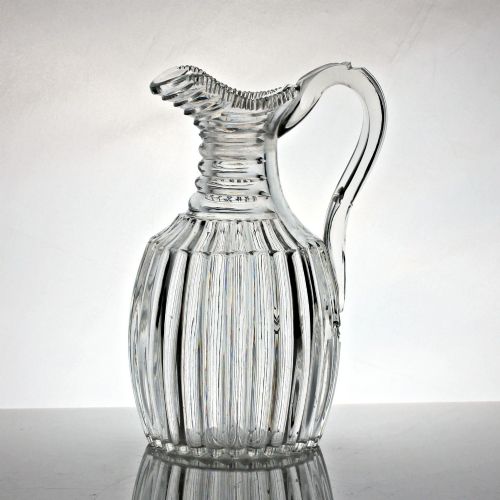
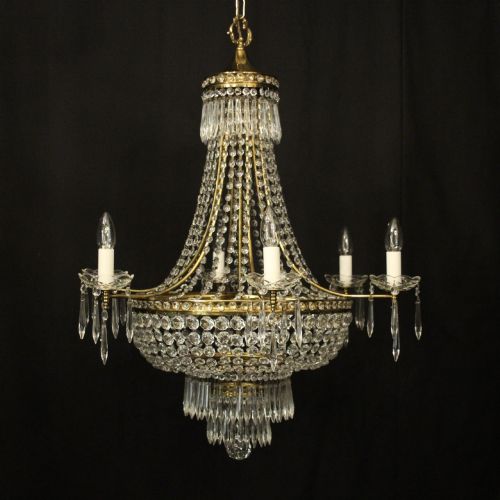
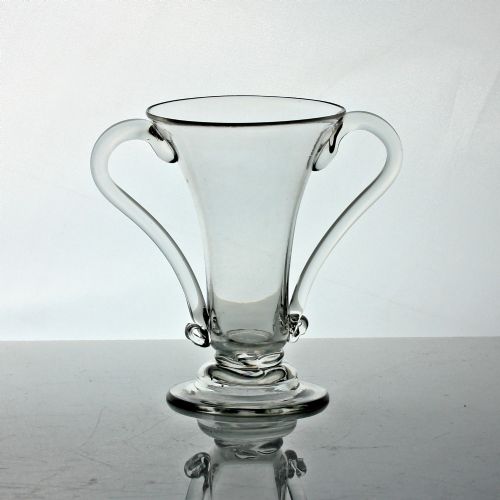
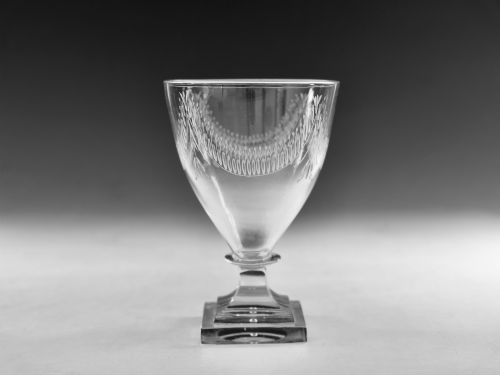
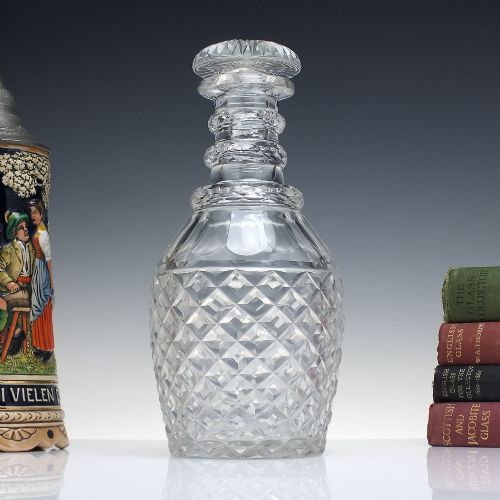
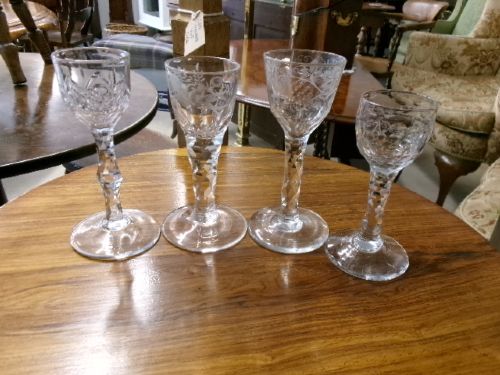
When a buyer searches for antique lead crystal glass, they encounter drinking vessels, decanters and serving pieces spanning the Georgian, Victorian and Edwardian eras. The most frequent pieces on this page are drinking glasses and wine glasses featuring cut or engraved decoration, alongside larger table jugs and decanters.
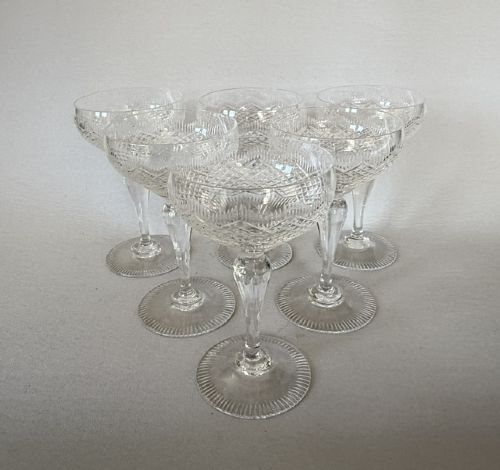
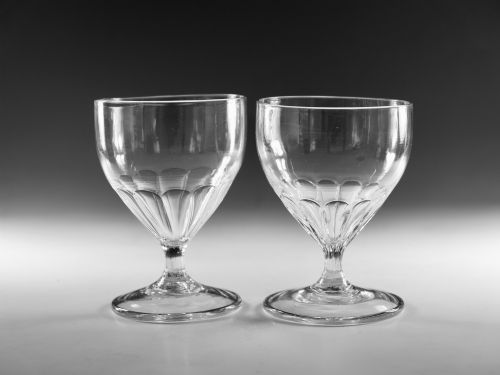
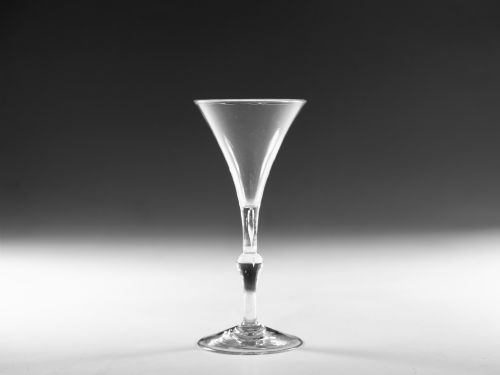
The selection ranges from mid eighteenth century wine glasses with air twist stems to nineteenth century rummers and twentieth century champagne bowls. These items served functional roles in domestic dining and entertaining, evolving from simple blown forms into heavily cut and polished display items.
Materials and Techniques
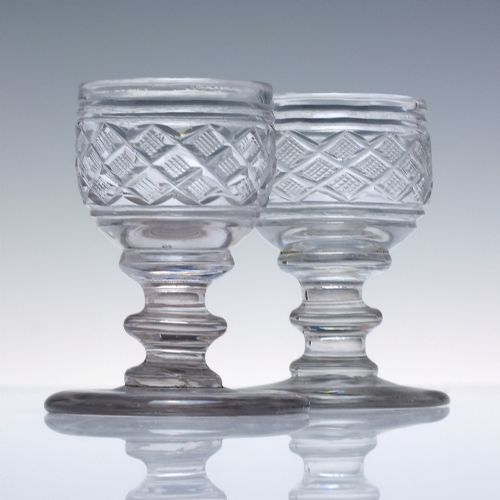
Makers utilised lead glass, flint glass and clear crystal, applying heavy blowing, moulding and wheel cutting techniques to shape the metal. Anglo-Irish and English workshops relied on high lead content to produce heavy vessels capable of holding deep, sharp facet cuts.
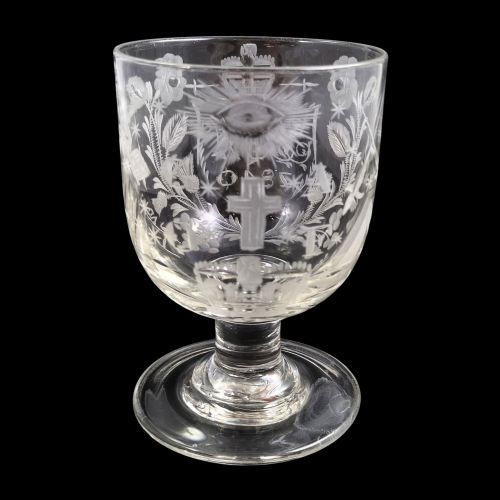
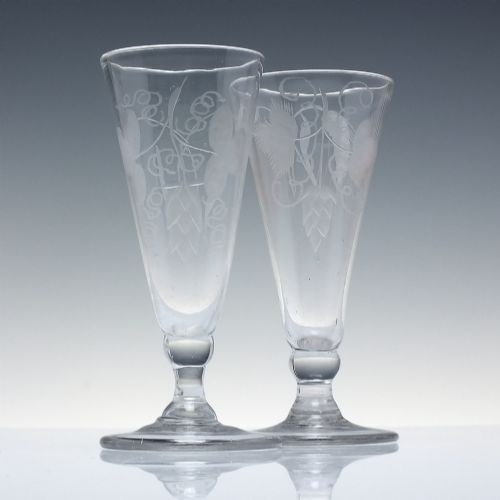
Decoration involved intricate wheel engraving, acid etching and sulphide insertion, alongside delicate air twist and opaque twist formations pulled within the stems of drinking glasses. Overlays of coloured glass appeared on later continental pieces, such as red over crystal baskets.
Antique Lead Crystal Glass Retail Price Guide 2026
Typical asking prices for lead crystal glass among the pieces listed under this phrase on Sellingantiques today, from the lower quarter to the upper quarter. They describe what is for sale here now, not the wider market.
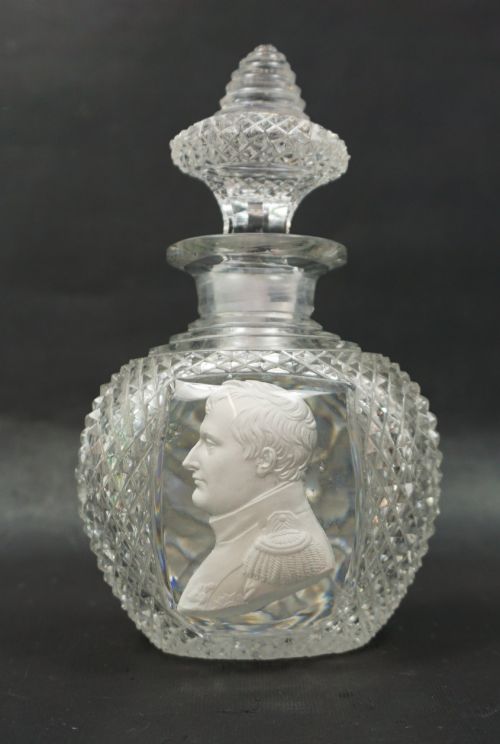
Napoleon watches silently from a nineteenth century sulphide portrait trapped inside a clear scent bottle.
Qualities of Distinction
The distinction between ordinary and superior pieces rests on the crispness of the cutting, the weight of the metal and the resonance of the material when struck. Fine pieces display sharp, clean facets that catch the light without softness on the edges.
Proportion and clarity dictate the standing of a vessel, with high quality lead crystal showing minimal internal bubbling or clouding. The skill of the engraver in rendering hops, barley or heraldic motifs determines the upper tier of drinking vessels and rummers.
Val St Lambert
The Antique Lead Crystal Glass Glossary
- Lead crystal
- Glass containing lead oxide, which increases weight, refractive index and brilliance. This material allows for deeper and sharper cutting than standard soda-lime glass.
- Air twist
- A stem formation containing elongated spiral bubbles trapped inside the glass. Makers created these by twisting a cylindrical gathering of glass pierced with air channels.
- Rummer
- A large, heavy goblet utilised for drinking beer, wine or punch during the eighteenth and nineteenth centuries. They typically possess short stems and capacious bowls.
- Sulphide
- A small cameo plaque made of white porcelain-like paste embedded within clear glass. These plaques usually depict portraits or historic figures.
- Ogee bowl
- A bell shaped drinking vessel profile curving outward at the rim and inward toward the base. This shape appeared frequently on eighteenth century wine glasses.
Antique Lead Crystal Glass: Frequently Asked Questions
How do I clean antique crystal?
Wash pieces by hand in warm water using mild detergent and place a cloth at the bottom of the basin to prevent chipping. Avoid sudden temperature changes to protect the glass.
Dry the pieces immediately with a lint-free linen cloth to maintain brilliance and prevent water spots from forming on the surface.
Can I use these glasses daily?
These drinking vessels can serve drinks at modern tables, provided handlers exercise caution regarding their age and delicate stems. Heavier rummers and tumblers suit regular use well.
Hand washing remains essential because modern dishwashers can etch the surface, dull the lead crystal and weaken delicate twist stems over time.
How do I date a wine glass?
Examine the stem construction, bowl shape and foot formation to determine the manufacturing period. Eighteenth century pieces often feature air twists, opaque twists or plain stems with folded feet.
Later nineteenth century examples tend to display heavier proportions, pillar cutting or moulded facets that reflect changes in industrial glass production.
What is the difference between flint glass and lead crystal?
Flint glass originally described high quality English glass containing lead oxide, developed to imitate precious rock crystal. Over time, the term became synonymous with heavy lead crystal.
Both materials share high refractive properties and density, though historical recipes and terminology varied between English, Irish and continental glasshouses.