


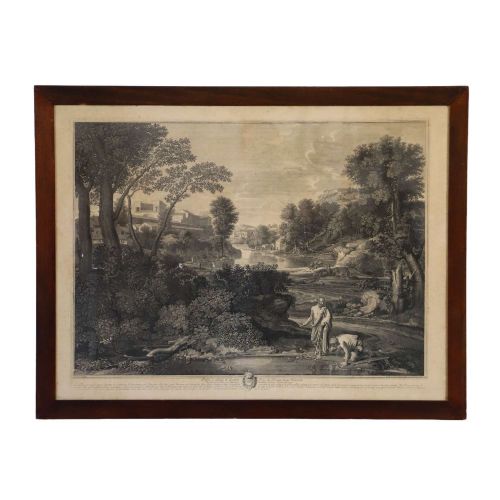
Antique Landscape Print
An antique landscape print brings the quiet of rivers, valleys and ancient ruins indoors on paper and ink.
Antique Landscape Print
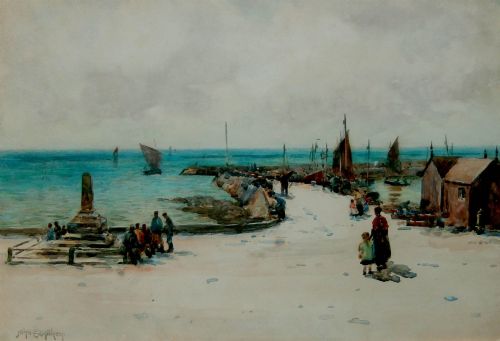
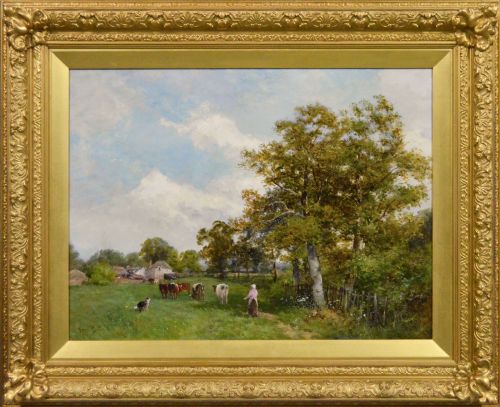
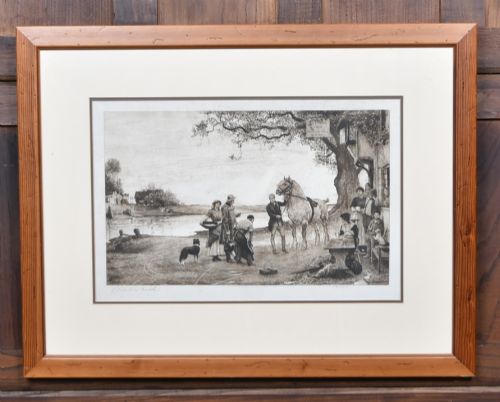
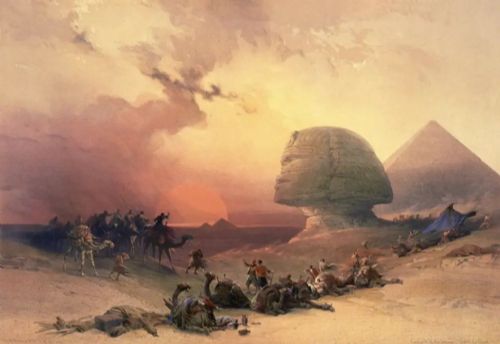
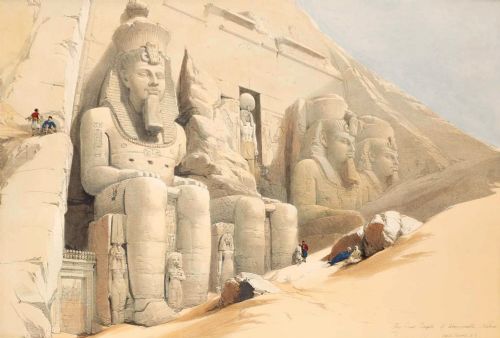
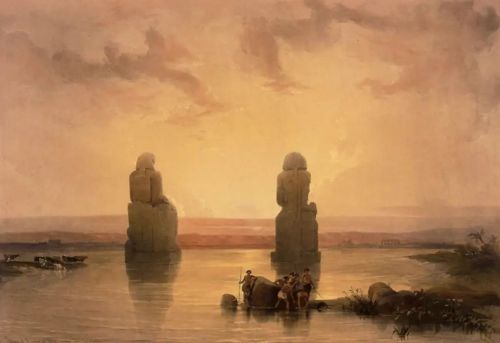
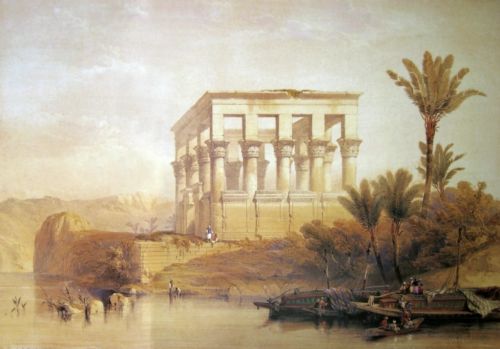
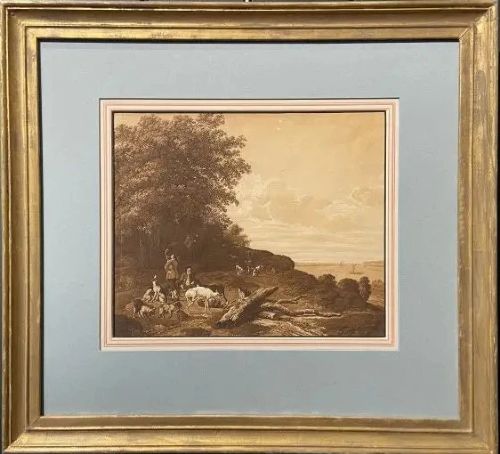
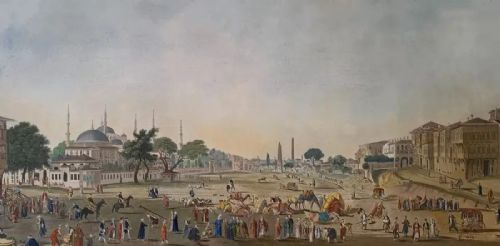
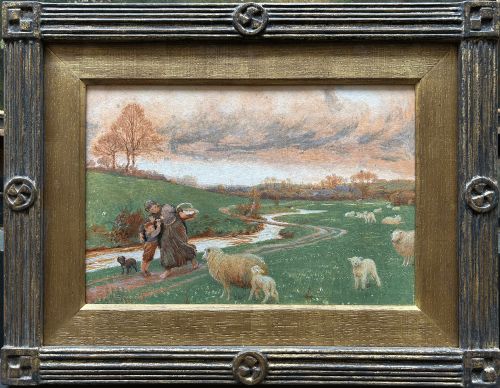
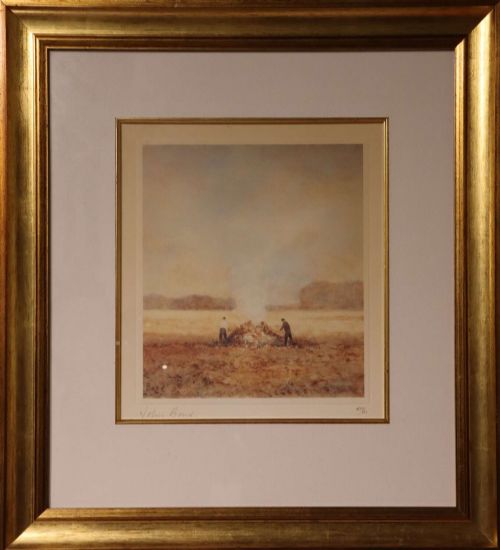
An antique landscape print captures rural vistas, architectural scenes and coastal views produced across the eighteenth, nineteenth and early twentieth centuries. These works range from hand-tinted engravings and delicate watercolours to robust etchings and lithographs framed in wood. Buyers seek out an antique landscape print to anchor a room with historical depth and natural scenery recorded by past artists.
The versions most commonly met on this page span the Victorian and Edwardian eras, alongside Georgian and early twentieth-century examples. They frequently depict British rivers, continental ruins and rural pastoral life executed on paper within period frames. Each piece reflects the printing and painting techniques of its specific decade, from fine line engravings to expressive watercolour washes.
Materials and methods
The making of these works relies fundamentally on paper, ink and watercolour, often complemented by original wooden and gilded frames. Printers and artists employed copper plates for fine line etchings and engravings, applying hand-colouring or washes afterwards to enrich the visual depth. Lithographs and woodblock prints utilise distinct matrix methods to transfer detailed topographical and pastoral imagery onto sheets.
Original frames frequently incorporate glass and wood leaf to protect the delicate paper surfaces underneath. Media such as oil on canvas appear alongside works on paper, showing how makers combined different supports to achieve varied textures. The physical construction relies on period mounting techniques that safeguard the integrity of the ink and paint over centuries.
The listings span works from the seventeenth century through to the mid-twentieth century, employing paper, oil on canvas, and woodblock materials.
Evaluating the pieces
Quality rests upon the crispness of the impression, the skill of the hand-colouring and the preservation of the paper. Superior examples retain deep plate marks in engravings and vibrant, stable pigments in watercolours without excessive fading or foxing. The relationship between the artistic execution and the medium defines the visual success of the piece.
The survival of original framing and protective glass contributes significantly to the integrity of works on paper. Masterful draughtsmanship in the rendering of light, foliage and architecture distinguishes finer works from routine commercial productions. Collectors look for clarity in the composition and authenticity in the period mounting.
Thomas Ellison·Alfred Young Nutt·John E Aitken·David Bates·Francois Faber·Robert W Macbeth·David Roberts·Johannes Lingelbach·Anton Ignaz Melling·Frederick Walker·Étienne Baudet·J C Burgess·William Day·Greiffenhagen·Stubbs·Charles Edward Wilson·George F Pennington·Kunisada·James William Booth·Arthur Hopkins·T A Prior·Hendricus Joseph Dillens·Duke Of Sutherland·George Morland
The Antique Landscape Print Glossary
- Etching
- A printmaking method where acid bites lines into a metal plate to hold ink. This technique allows for fine, expressive detail in architectural and rural scenes.
- Lithography
- A planographic printing process based on the repulsion of oil and water on a limestone or metal surface. It enabled accurate reproduction of tonal drawings and paintings.
- Watercolour
- A paint medium using water-soluble pigments applied to paper. It creates translucent washes of colour favoured for landscapes and coastal views.
- Engraving
- A technique where an artist cuts lines directly into a metal plate with a burin. This produces precise, clean lines characteristic of early book illustrations and architectural prints.
- Foxing
- Brown spots caused by chemical reactions in ageing paper. It is a common occurrence in antique paper goods.
Antique Landscape Print: Frequently Asked Questions
What is an antique landscape print?
An antique landscape print is a work on paper depicting natural or architectural scenery produced before the mid-twentieth century. These items include etchings, engravings, lithographs and watercolours created using historical printing and painting methods.
They serve as historical records of past environments and artistic tastes. Collectors value them for their craftsmanship and the serene views they bring to interior spaces.
How should I frame an antique landscape print?
Preserving an antique landscape print requires acid-free mounting materials to prevent the paper from degrading over time. Keeping the work away from direct sunlight protects the ink and watercolour pigments from fading.
Many pieces arrive in their original frames, which should be retained if structurally sound. Conservation-grade glass helps shield the paper from environmental moisture and pollutants.
How do I identify the period of a print?
Dating a landscape print involves examining the paper stock, printing technique, and stylistic markers associated with specific eras like the Victorian or Georgian periods. Plate marks, typography, and framers' labels often provide clues to the decade of creation.
Comparing the subject matter and artistic style to known historical movements helps narrow down the timeframe. Examining archival records or comparable works by documented artists offers further confirmation.
Where were these landscape prints displayed?
Historically, landscape prints hung in domestic parlours, libraries and offices to demonstrate the owner's cultural interests and appreciation for natural beauty. They were often published in series or portfolios before being individually framed for wall display.
Today, they suit studies, living rooms and hallways where their subdued tones complement traditional and eclectic interiors. Their varied sizes allow them to fit narrow wall spaces or form part of a larger gallery arrangement.