




Antique Landscape Glass Vase
These antique landscape glass vase examples bring the natural world indoors through layered cameo work and delicate acid-etched scenes.
Antique Landscape Glass Vase
An antique landscape glass vase represents a distinct intersection of nature and glassmaking skill from the early twentieth century. When you search for an antique landscape glass vase, you encounter vessels that primarily date from the 1900 to 1920 period.
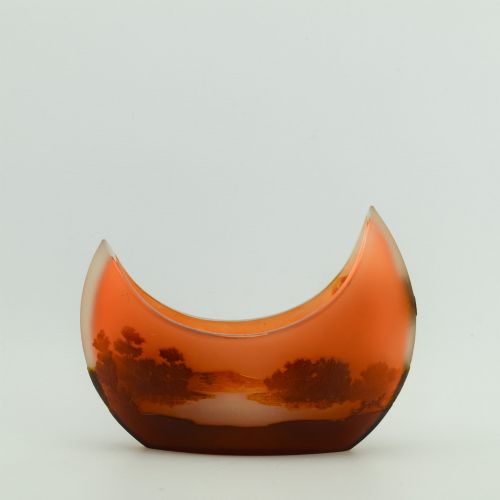
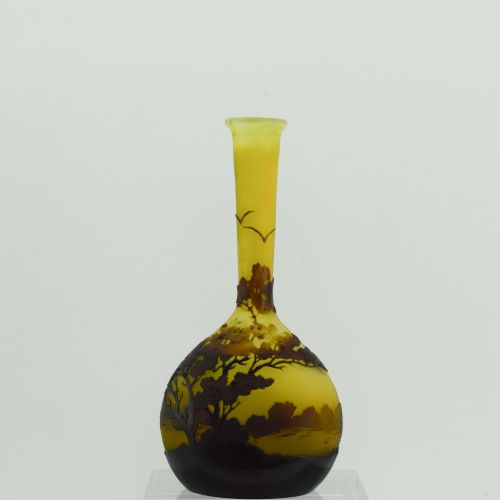
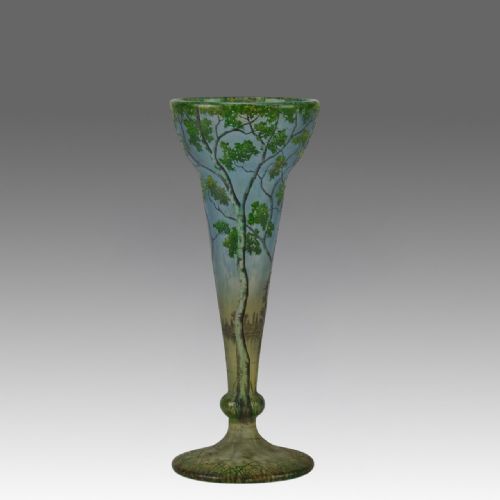
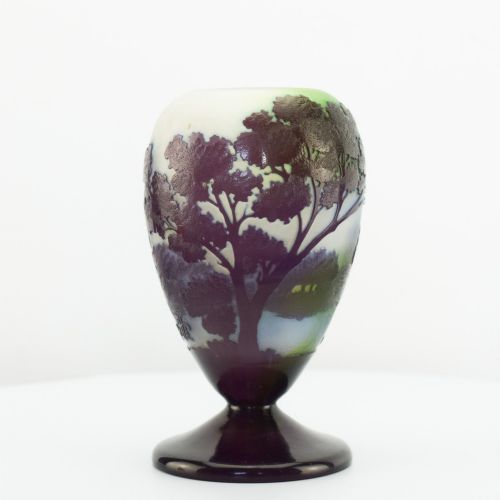
The dominant aesthetic is firmly rooted in Art Nouveau, showcasing organic forms and scenic motifs. These pieces typically take the shape of crescent, banjo, footed, or oviform vases decorated with trees, sunsets, and aquatic views.
Methods and materials of production
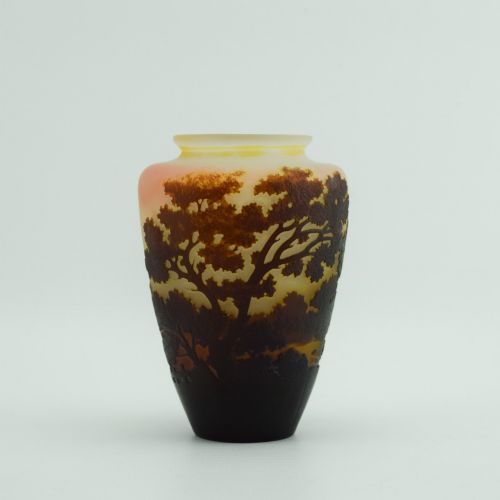
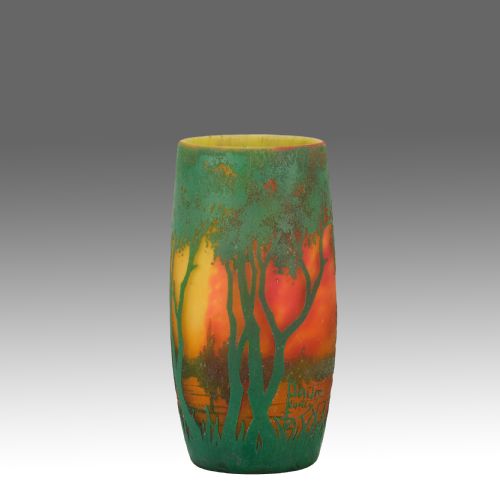
Maker workshops utilised cameo glass and acid-etched glass techniques to build depth in every scene. By treating multiple layers of coloured glass with acid, artisans revealed contrasting shades for trees, water, and skies.
Enamel details were occasionally added by hand to heighten the seasonal colours of the landscape. The combination of thermal shaping and chemical etching created relief surfaces that collectors still handle with care.
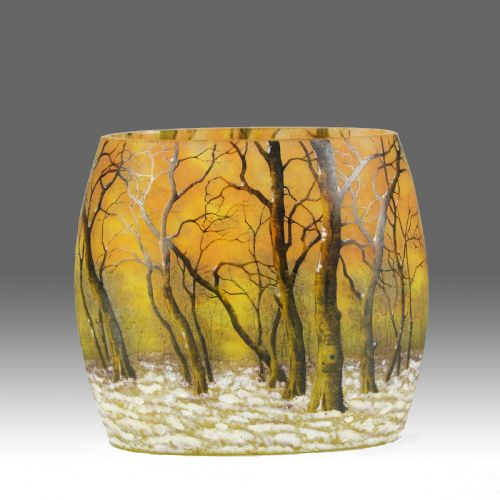
Some winter landscape vases feature bare frosted branches that practically invite you to blow warm breath on the glass.
Assessing visual and technical merit
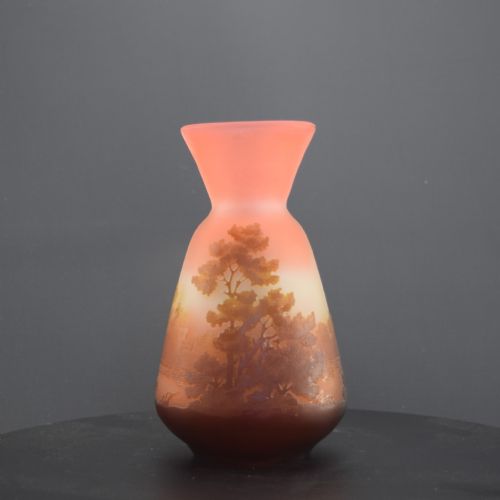
The distinction between standard and exceptional pieces rests upon the complexity of the landscape design and the precision of the acid-etching. Finer examples display intricate foliage, subtle colour gradients such as brown and peach or red sunset tones, and balanced composition across the vessel curve.
Simpler productions rely on repetitive motifs with less variation in the glass layers. The depth of the cameo relief and the clarity of the horizon line ultimately determine the standing of each piece.
Galle·Daum Freres·Legras
The Antique Landscape Glass Vase Glossary
- Cameo glass
- A vessel formed of two or more fused layers of contrasting colours, carved or acid-etched to create a raised design. This technique requires steady control to avoid cutting too deeply through the background layer.
- Acid-etched glass
- A process where hydrofluoric acid eats away unprotected portions of the glass surface to create texture and depth. It replaced mechanical carving in many major workshops by the twentieth century.
- Art Nouveau
- An international style of art and decoration characterised by flowing natural lines, popular around 1900. The movement heavily influenced the depiction of trees and water on glass vases.
- Oviform
- Egg-shaped in profile, providing a rounded body that suits continuous panoramic landscape scenes. This form allows the scenery to wrap fully around the vase.
Antique Landscape Glass Vase: Frequently Asked Questions
What periods do these vases come from?
These pieces originate from the early twentieth century, specifically spanning the decades from 1900 to 1920.
This timeframe aligns with the height of the Art Nouveau movement and the output of major French glass houses.
How should I display a landscape vase?
Place your vase where natural light can pass through the layered glass to highlight the etched scenery.
Positioning the vessel near a window allows the background colours, such as peach or sunset tones, to glow.
Are all these vases French in origin?
The recorded pieces from this era are attributed to notable French makers and workshops operating around 1900 to 1920.
Names like Galle, Daum Freres, and Legras dominate the production of these scenic glass works.
What subjects appear on the glass?
Designs focus on natural scenery, including winter landscapes, Vosges views, aquatic settings, and sunset horizons.
The motifs utilise the curved body of the vase to create a continuous panoramic view.