
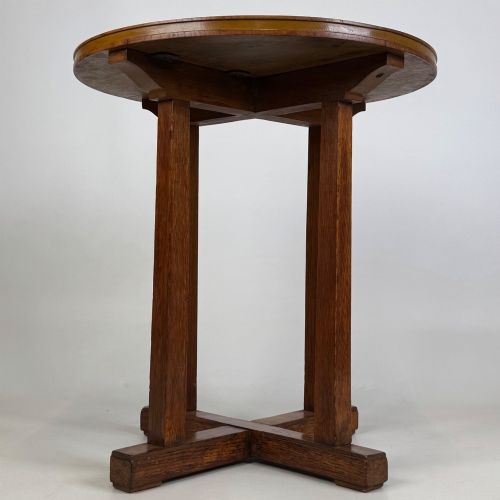
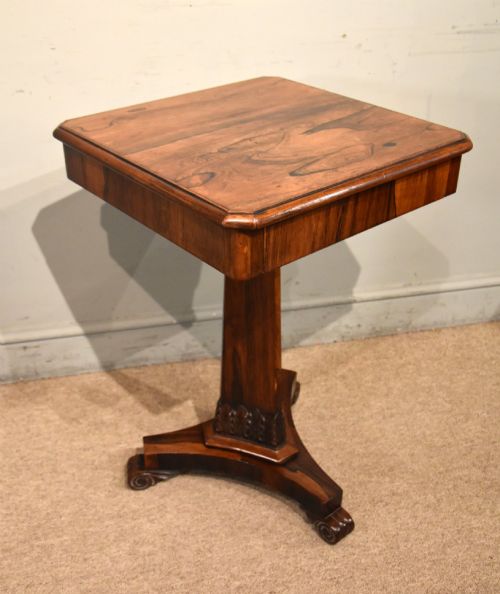
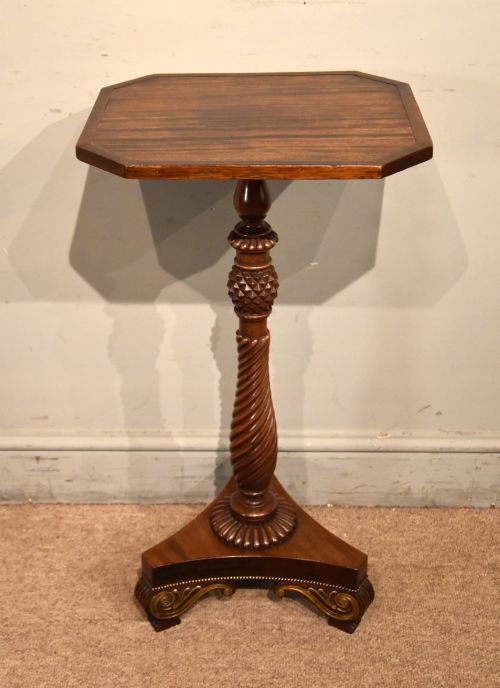
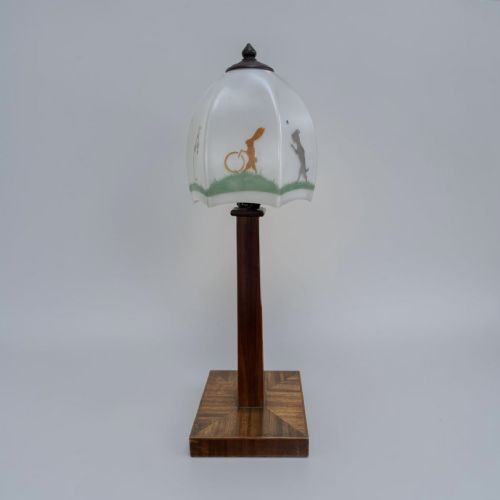
Antique Lamp Bases
Antique lamp bases bridge the gap between historic craftsmanship and daily illumination, offering solid brass columns, carved hardwoods and patinated bronzes for interior display.
Antique Lamp Bases
When searching for antique lamp bases, a buyer encounters a diverse group of objects spanning the nineteenth and twentieth centuries. These pieces encompass table models and taller floor standards shaped by Victorian, Edwardian and Art Deco tastes.
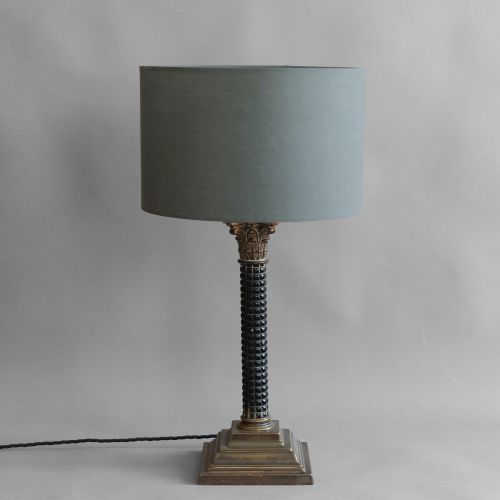
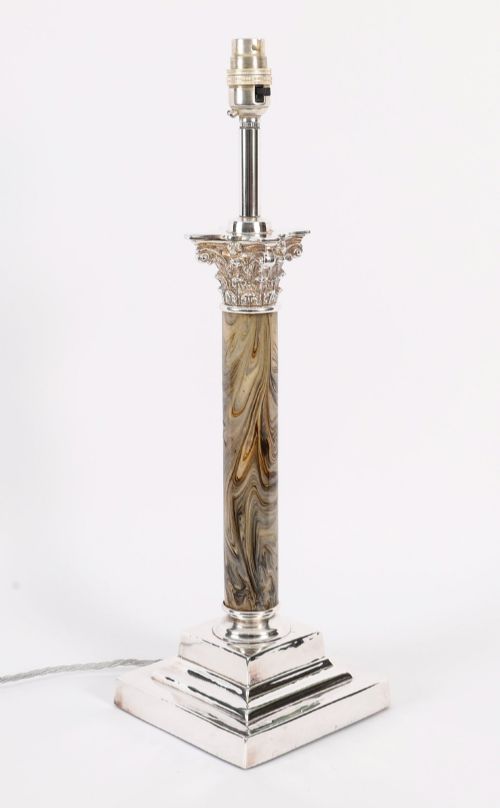
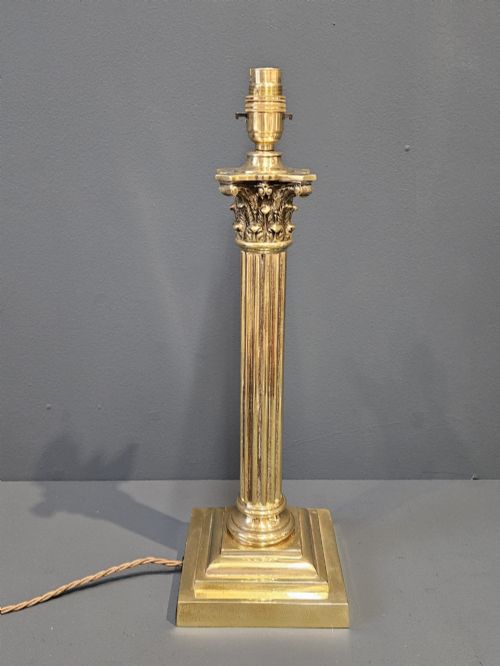
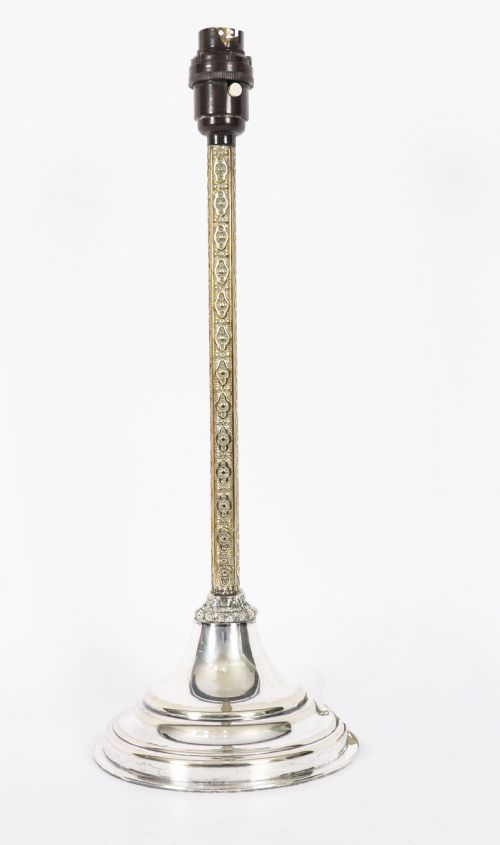
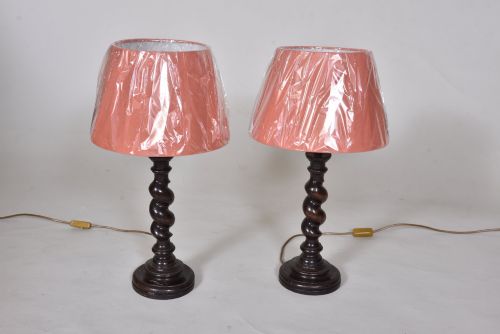
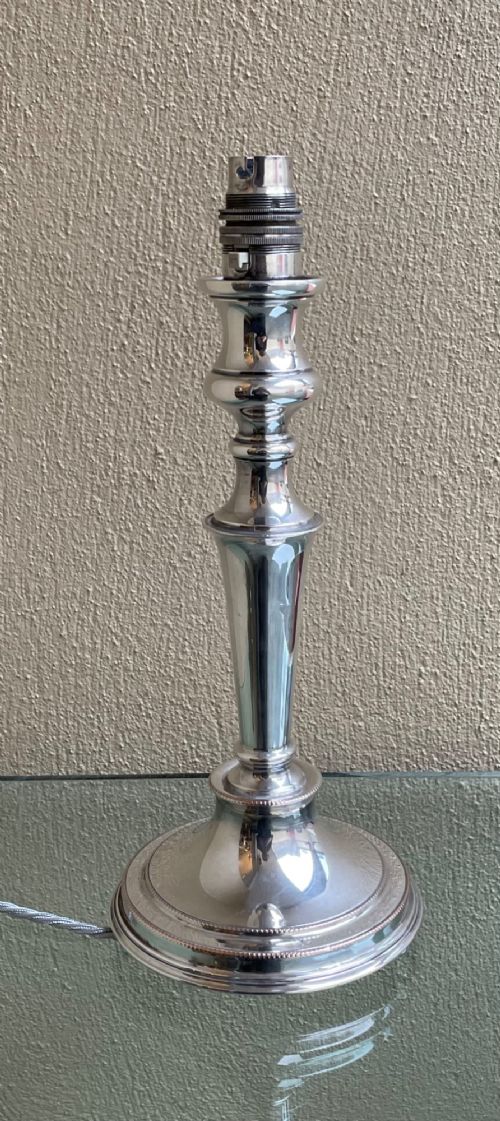
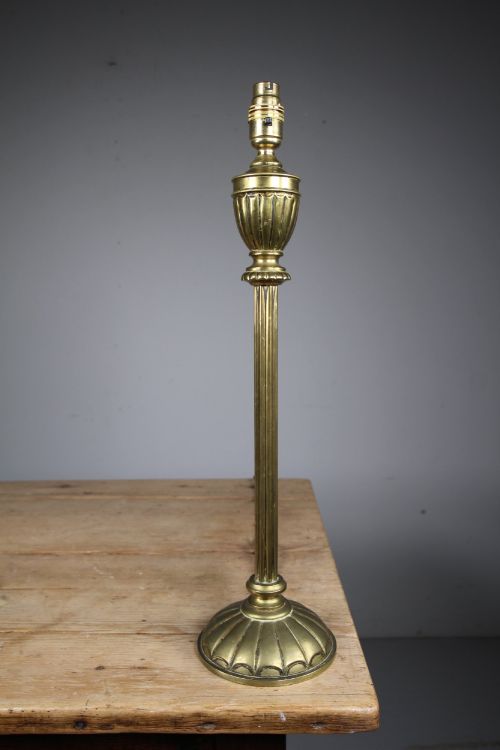
The most common versions on this page include brass Corinthian columns, silver plated standards and turned timber shafts. Many items originate from conversions of earlier oil lamps, candlesticks or occasional tables adapted for electric illumination.
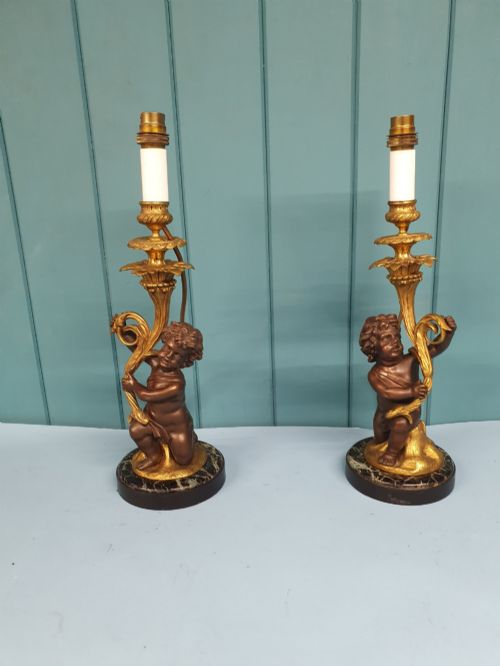
Materials range from polished marble and bronze to mahogany, rosewood and oak. Alongside standard British designs, buyers find French neoclassical forms, Japanese bronze works and Kashmiri carved wooden shapes.
Materials and construction methods
Metal bases rely on casting, spinning and plating techniques, frequently utilising solid brass or silver plate over a base metal. Corinthian columns demonstrate detailed capital casting and reeded shafts fixed to weighted plinths.
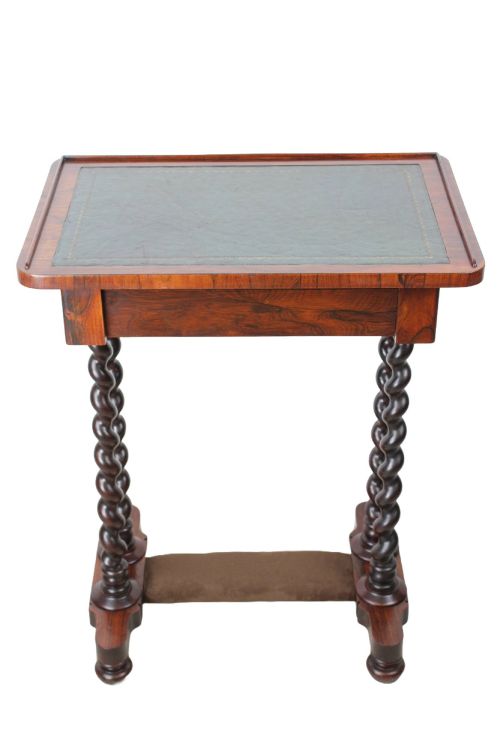
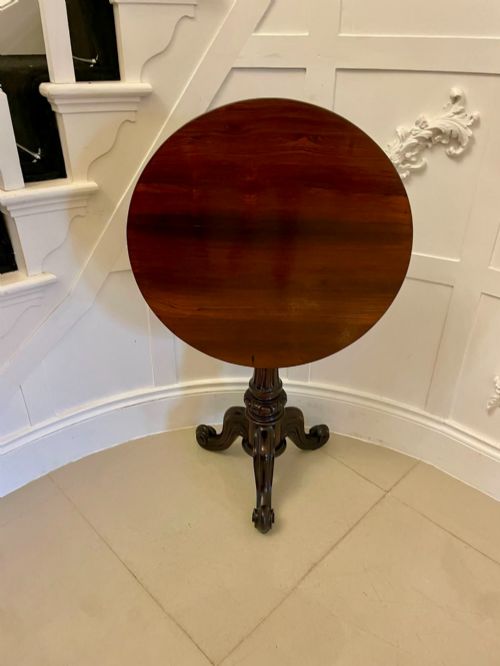
Wooden examples utilise native and exotic timbers such as mahogany, rosewood and oak formed through turning, carving and cabinet-making methods. Stone and ceramic elements incorporate turned marble, glazed earthenware and moulded porcelain.
Electrical adaptations involve internal re-wiring through hollow stems, with older oil lamp reservoirs and font mounts converted to take modern lamp holders.
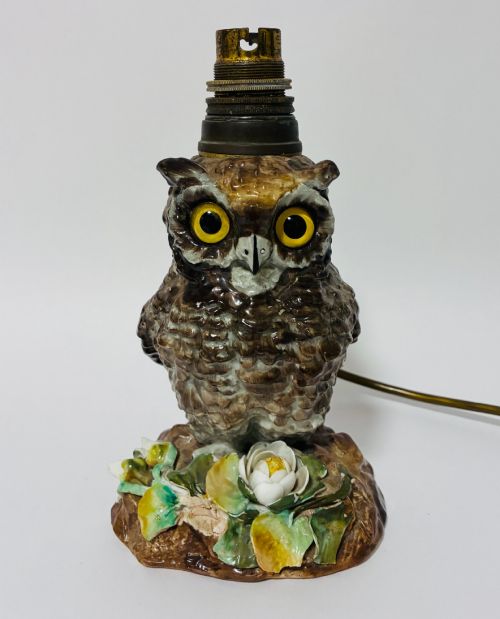
Several Victorian ceramic owl bases stand ready to illuminate a dark corner with glassy, unblinking stares.
Evaluating standard and finish
Quality rests in the crispness of casting detail on metal columns and the weight of the supporting plinth. Superior pieces display deep, clean fluting, well-defined acanthus leaves and heavy gauge metal that resists tipping.
In wooden and ceramic examples, craftsmanship shows in the precision of the turning, the selection of figured timber grain and the integrity of the glaze. Finer items retain original patination, secure joints and well-balanced proportions without structural distortion.
Mappin & Webb
The Antique Lamp Bases Glossary
- Corinthian column
- A classical architectural order featuring an ornate capital decorated with acanthus leaves, frequently utilised for tall metal lamp bases.
- Ormolu
- Gilded bronze or brass applied to decorative objects, popular in French neoclassical and nineteenth-century revival lighting.
- Bouillotte lamp
- An adjustable metal lamp featuring a central standard and multiple candle arms shielded by a shade, originally designed for card games.
- Standard lamp
- A tall freestanding floor lamp designed to illuminate a room from standing height rather than resting on a surface.
- Parcel gilt
- A surface treatment where parts of an object are highlighted with gold leaf or gilding while the rest remains in its natural metal or wood finish.
- Gueridon
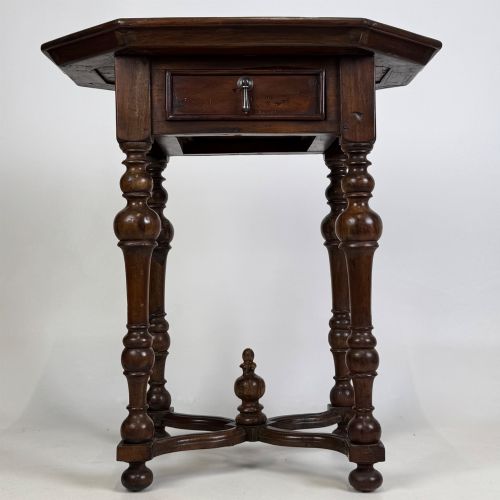
- A small French occasional table often adapted into a pedestal base for lighting or display.
Antique Lamp Bases: Frequently Asked Questions
What are antique lamp bases?
Antique lamp bases are historical lighting supports and converted vessels made from materials like brass, bronze, marble and wood. They range from nineteenth-century column designs to twentieth-century art deco figures.
These pieces provide structural support and aesthetic character for interior lighting schemes, housing modern electrical components within historic forms.
How do I date an antique lamp base?
Dating relies on identifying period styles, manufacturing techniques and materials associated with specific decades or centuries. Victorian examples often feature heavy brass casting, while Edwardian pieces introduce slender reeded columns and Art Deco items show geometric styling.
Examining fixing methods, screw threads and wiring configurations also assists in determining the age of the piece and whether it was converted from an earlier oil lamp.
Can antique lamp bases be rewired safely?
Most antique lamp bases require professional rewiring to comply with modern electrical safety standards. Electric cables are run internally through the hollow stems or shafts to preserve the exterior appearance.
Qualified electricians can replace perished internal flex and lamp holders while retaining the original historic exterior housing and switches.
Where were antique lamp bases used?
These lamps were placed on side tables, desks and pedestals in reception rooms, libraries and parlours. Floor standards stood in corners of large drawing rooms to provide ambient illumination.
Their placement depended on the height of the base and the reach of the original oil reservoir or subsequent electrical cord.