


Antique Lake Landscape
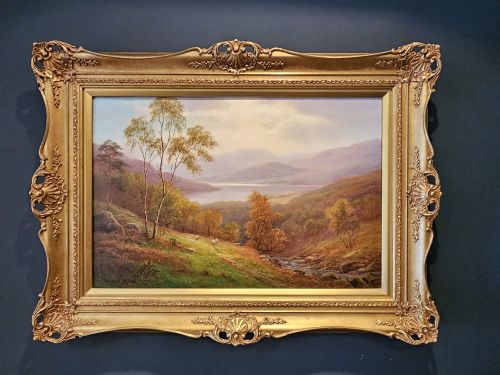
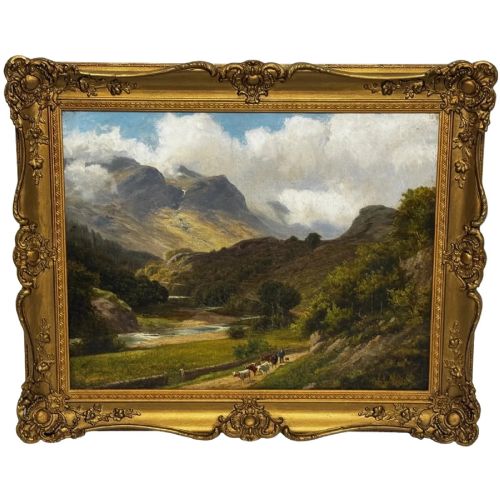
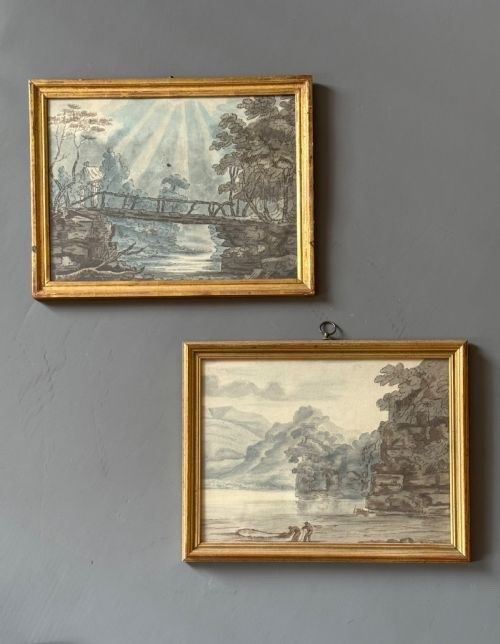
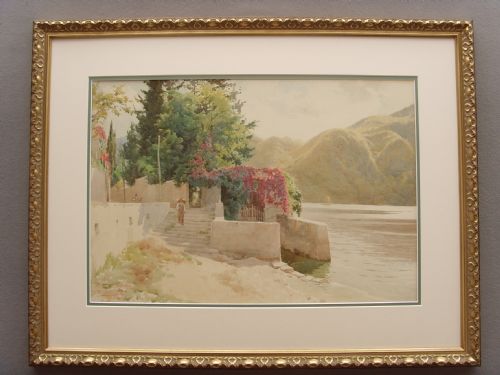
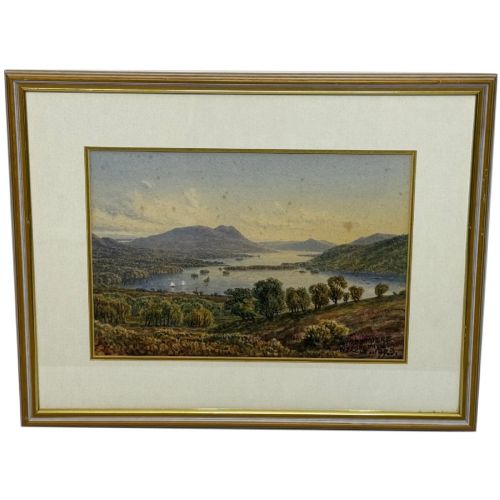
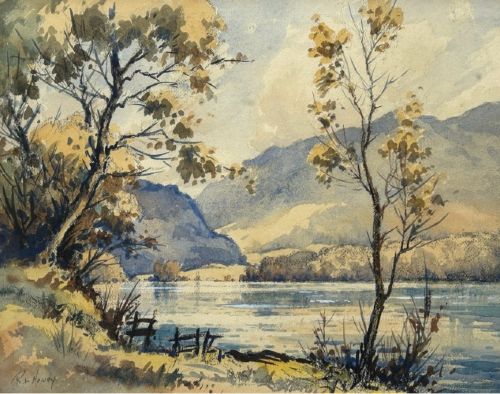
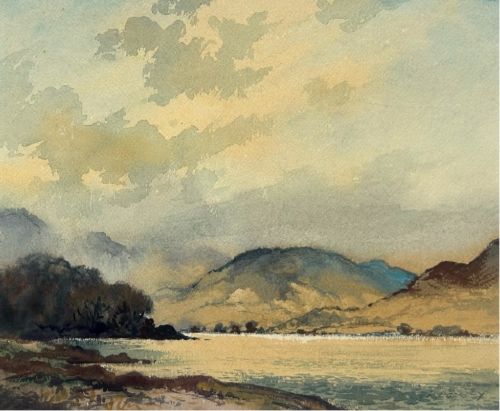
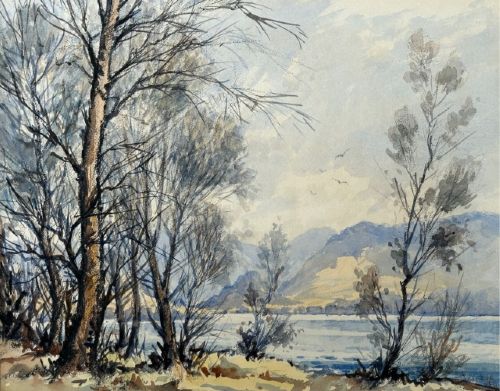
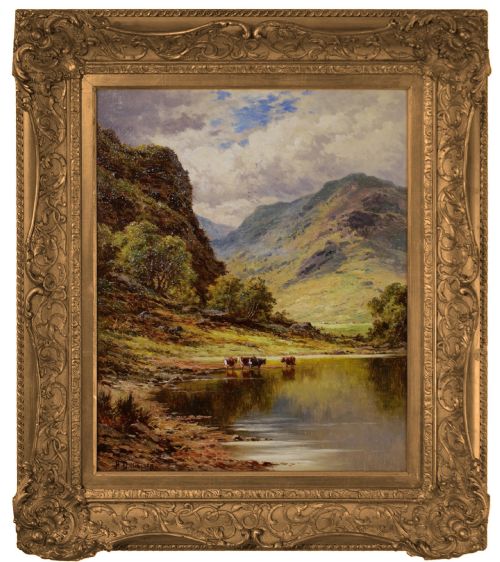
These antique lake landscape paintings and watercolours capture tranquil expanses of water from the eighteenth to the twentieth century, bringing the peaceful atmosphere of domestic and continental shores directly to the wall.
Antique Lake Landscape
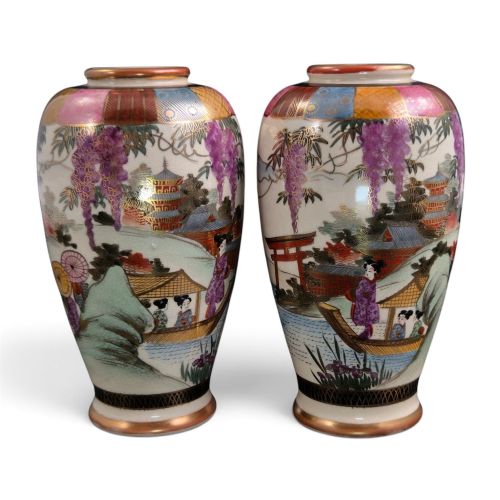
Most pieces portray recognizable destinations such as the English Lake District, Scottish lochs, and continental alpine lakes rendered by regional artists. Alongside framed paintings on canvas and paper, the category encompasses decorative porcelain plates, Japanese vases, and leaded glass windows incorporating similar aquatic views.
How they were made
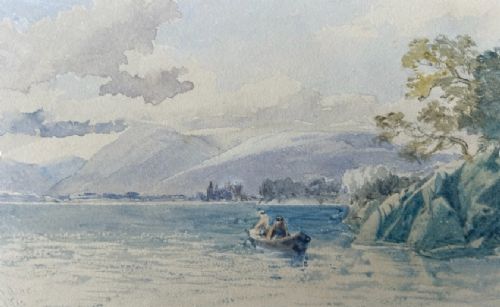
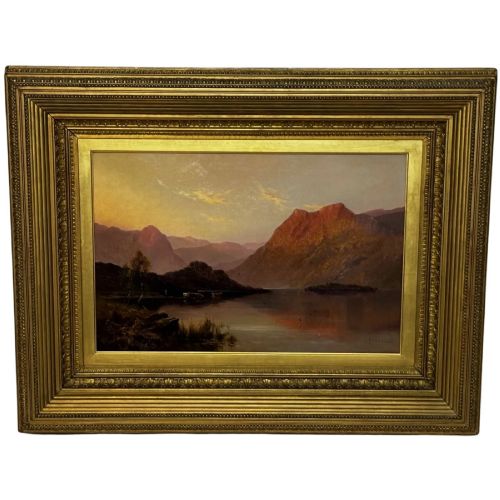
Painters relied principally on oil paint applied to canvas or wood panels, alongside delicate watercolours worked onto paper sheets. These traditional fine art mediums were frequently housed within giltwood frames, sometimes enhanced with gesso ornamentation or protective glass glazing.
Listings feature original watercolours and oil paintings predominantly from the nineteenth and early twentieth centuries.
What varies in quality
Quality rests upon the artist's ability to capture atmospheric light and natural topography with precision and depth. Finer examples display confident brushwork or delicate washes that convey the specific mood of a morning mist or an evening moonlit shore.
The sophistication of the framing and the prestige attached to the original maker or regional school elevate individual pieces. Earlier signed watercolours and robust oil paintings on canvas generally command greater attention from discerning collectors.
Thomas Miles Richardson Jnr·Alfred de Breanski·Henry H Parker·Thomas Bush Hardy·William Green
The Antique Lake Landscape Glossary
- Gesso
- A plaster-like mixture applied to wood or canvas as a base for paint or moulded into decorative low-relief frame ornamentation. It provides a smooth foundation for gilding.
- Aquatint
- A printmaking technique that produces tonal areas resembling watercolours by using acid to etch resin-covered metal plates. Artists utilised this method to achieve subtle gradations of shade.
- Giltwood
- Wood carved and coated with a thin layer of gold leaf or metallic paint. This material is standard for framing fine art from the nineteenth century.
- Impressionism
- A nineteenth-century painting style characterised by relatively small, thin yet visible brush strokes and an emphasis on accurate depiction of light. Practitioners sought to capture sensory moments rather than precise botanical details.
Antique Lake Landscape: Frequently Asked Questions
How do I care for antique watercolours?
Watercolours on paper are sensitive to ultraviolet light and damp environments. Keep them away from direct sunlight to prevent the pigments from fading over time.
Ensure that framing remains properly sealed behind glass to protect the delicate paper and ink from atmospheric moisture.
Where were these lake scenes usually painted?
Many works depict the English Lake District, Scottish highlands, and Welsh valleys where artists gathered to record dramatic mountain and water scenery. Continental locations such as Italian lakes and alpine regions also appear frequently.
Artists often travelled directly to these destinations to sketch en plein air before finishing larger compositions in the studio.
How can I tell a watercolour from an oil painting?
Watercolours utilise translucent pigments applied to paper, allowing the white or light background to shine through the thin layers. They are typically displayed beneath protective glass.
Oil paintings feature opaque pigments applied thickly to canvas, panel, or board, possessing a textured surface that reflects light differently.
Are these paintings signed by the artists?
A substantial portion of the fine art pieces bear original signatures, monograms, or artist inscriptions either on the front image or the reverse. These signatures help attribute works to specific nineteenth-century and early twentieth-century painters.
Unsigned examples are frequently attributed to regional schools based on stylistic execution and subject matter.