
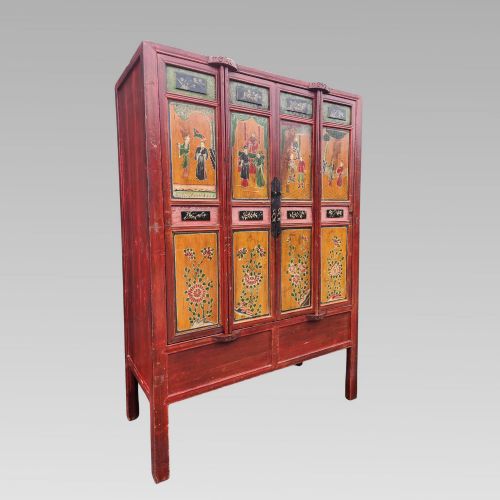


Antique Lacquer Coffer
An antique lacquer coffer brings centuries of skilled craftsmanship and rich surface decoration straight from Asian and colonial workshops into a modern room.
Antique Lacquer Coffer
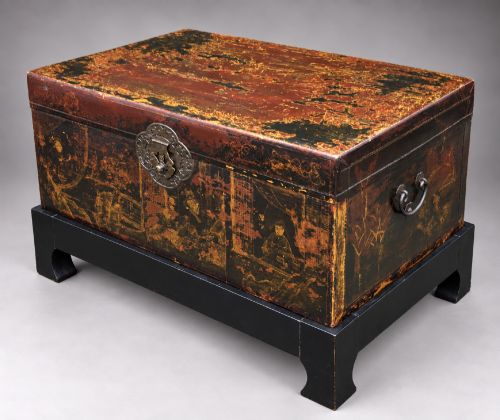
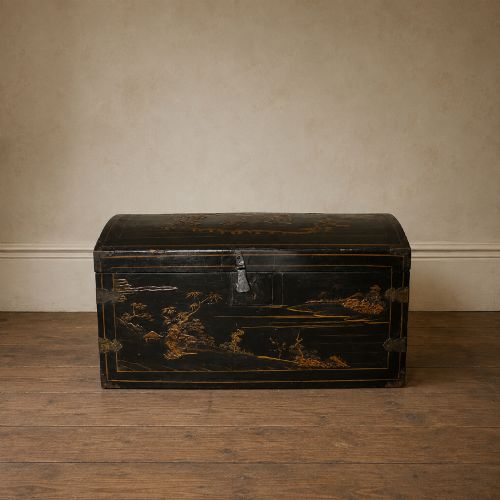
When you search for an antique lacquer coffer, you encounter substantial storage pieces built primarily from wood and finished with layers of hardened tree sap, pigment, and occasionally gold leaf or brass mounts. These items serve double duty as striking focal points and practical containers for blankets, linens, or documents.
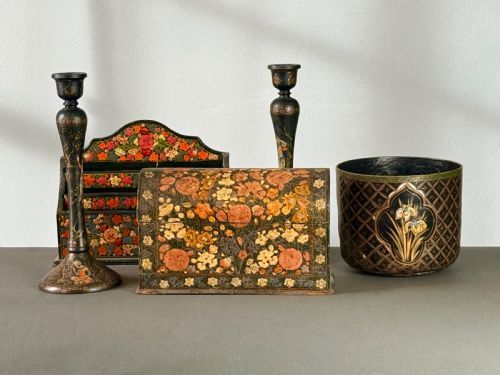
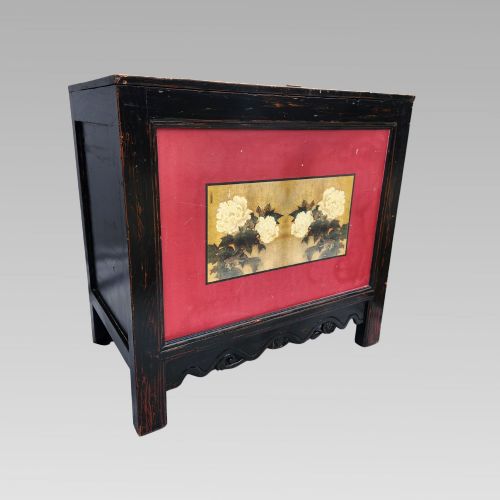
The pieces appearing on this page span several centuries, reaching from the seventeenth century through the Victorian era and into the early twentieth century. Alongside traditional Chinese and Japanese forms, you find Anglo-Indian trunks and Korean painted chests that reflect distinct regional aesthetics.
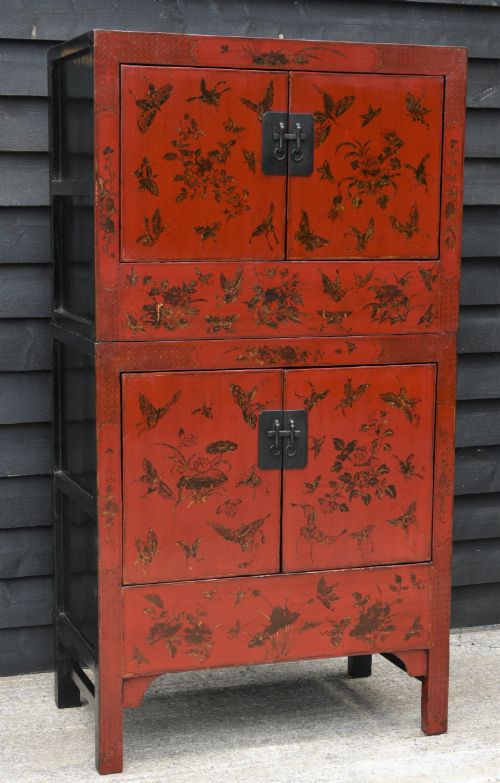
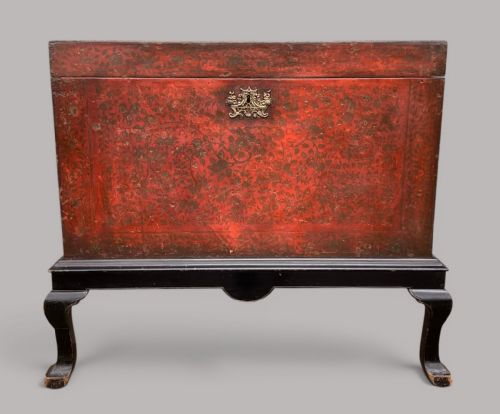
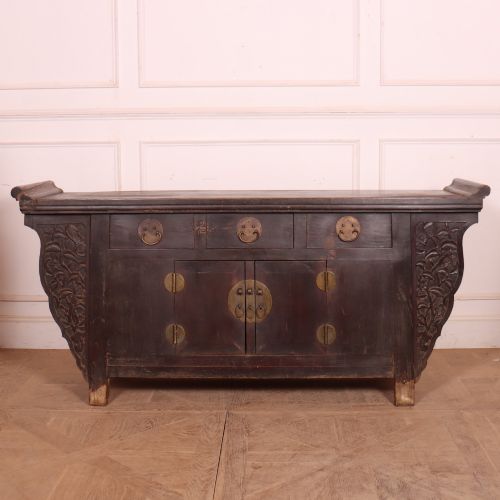
While the term coffer suggests a heavy storage box, the selection broadens out to include marriage cabinets, blanket boxes on stands, and dome-topped trunks. These functional items emerged from diverse cultural traditions, utilising materials such as elm, camphor wood, and pig skin beneath their lacquer skins.
How they were made
Makers constructed the carcases from sturdy timbers such as elm or camphor wood, preparing a stable foundation before applying successive coats of natural lacquer. This sap mixture dried to a durable, glossy protective skin that could be polished, carved, or painted with intricate details.
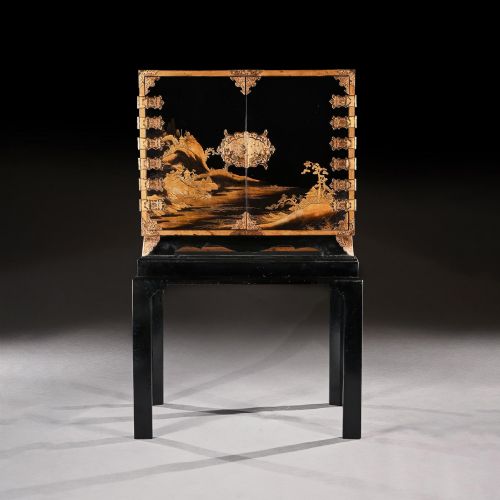
Many surfaces feature gilt decoration, gold leaf, or contrasting pigments applied over black or red lacquer grounds to create pictorial scenes and floral motifs. Iron and brass hardware, including hinges, corner brackets, and elaborate lock plates, provided both structural reinforcement and visual accent.
The listings combine Chinese export items, Japanese Edo period cabinets, and Anglo-Indian trunks featuring brass, gilt, and iron hardware.
What varies in quality
Quality rests heavily on the depth and complexity of the lacquer work and the preservation of the original decorative surface. Pieces decorated with refined gold leaf or meticulous hand-painted Chinoiserie stand apart from simpler utilitarian versions.
The integrity of the underlying woodwork and the survival of original stands, mounts, and hardware dictate the desirability of a piece. Earlier examples from the seventeenth and eighteenth centuries display a sculptural confidence in their proportions and joinery that later commercial production sometimes lacks.
The Antique Lacquer Coffer Glossary
- Lacquer
- A durable glossy finish derived from the processed sap of specific Asian trees, applied in multiple coats to wooden surfaces. It hardens into a moisture-resistant barrier that accepts carving, painting, and metallic leaf.
- Chinoiserie
- European artistic interpretation and imitation of Chinese and East Asian artistic traditions, widely applied to furniture and decorative objects. It frequently employs motifs of pagodas, figures, and landscapes rendered in gold and black.
- Coffer
- A heavy wooden chest traditionally used for storing valuables, linen, or documents. These lidded boxes often feature reinforced corners and secure locking mechanisms.
- Edo Period
- A period in Japanese history spanning from sixteen hundred and three to eighteen hundred and sixty-eight, noted for economic growth and stability. Furniture from this era often exhibits refined craftsmanship and sophisticated lacquer techniques.
Antique Lacquer Coffer: Frequently Asked Questions
Were these chests meant for travel?
Many examples, particularly campaign trunks and dome-topped chests, were built for long-distance transport and colonial shipping. They incorporated sturdy iron or brass hardware to withstand the rigours of transit by sea and land.
Other forms, such as marriage cabinets and altar tables, remained stationary within homes as permanent fixtures of interior decoration and storage. Examining the handles and corner brackets often reveals whether a piece was designed for mobility.
What is the difference between a coffer and a marriage cabinet?
A coffer is a lidded box or chest primarily designed for horizontal storage, opening from the top to hold blankets or valuables. These pieces often sit low to the ground or rest upon separate wooden stands.
A marriage cabinet is a tall vertical storage unit featuring doors that open outward, traditionally presented to newlyweds for storing garments and household goods. These cabinets utilise interior shelving and drawers, displaying prominent brass lock plates on the front facade.
How can I tell an eighteenth-century piece from a later one?
Earlier pieces from the seventeenth and eighteenth centuries often exhibit hand-carved joinery, heavier timber construction, and deeper, more lustrous layers of natural lacquer. The pigments and gold leaf show the softer patination of age and extended handling.
Nineteenth and twentieth-century items frequently employ machine-sawn elements and brighter synthetic or refined finishes. Comparing the construction methods of the interior drawers and backboards provides clues to the manufacturing date.