




Antique Laboratory Instrument
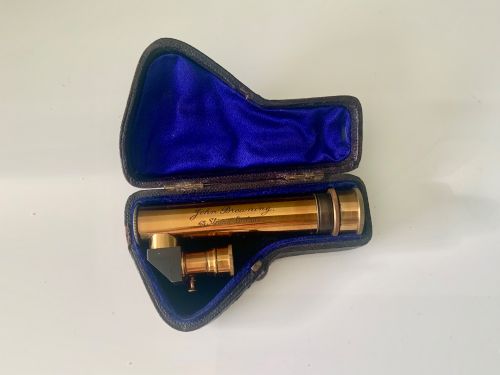
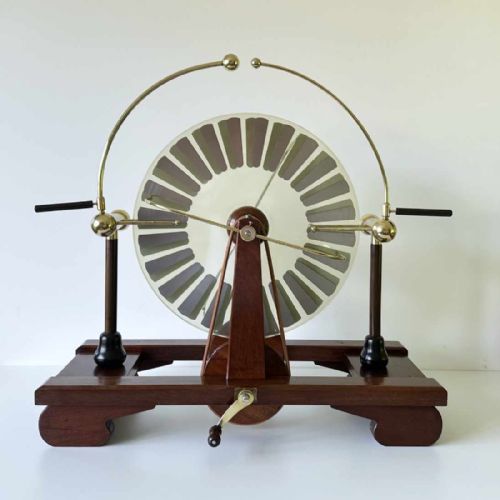
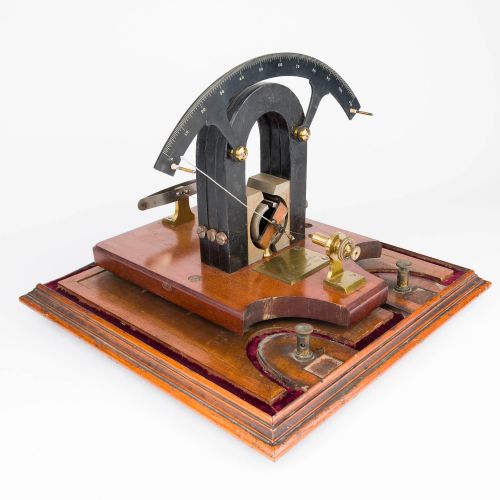
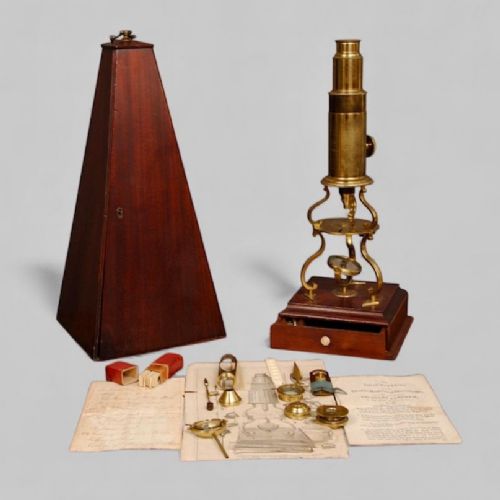
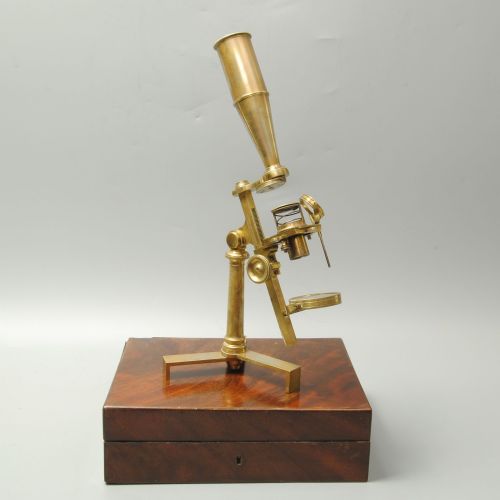
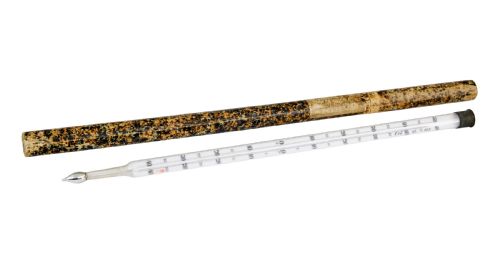
These antique laboratory instrument examples are scientific apparatus and medical chests built to measure, test, and demonstrate physical forces.
Antique Laboratory Instrument
An antique laboratory instrument represents the physical and chemical apparatus used in research, medicine, and industrial testing during the eighteenth, nineteenth, and early twentieth centuries. Buyers search for these pieces to acquire tangible examples of early scientific discovery, ranging from delicate microscopes and precision scales to large electrostatic machines.
The pieces on this page span the 18th century, Regency, and Victorian periods up to the mid-twentieth century, with Victorian scientific instruments and cased medical chests appearing most frequently. Forms include spectroscopes, galvanometers, thermoscopes, and induction coils housed in fitted wooden boxes or mounted on heavy bases.
Makers and origins vary widely across British, French, and German workshops, reflecting international scientific exchange during the industrial era. Collectors encounter both utilitarian laboratory equipment and demonstration apparatus designed for academic lecture halls.
How they were made
Makers constructed these instruments using polished brass for optical tubes and mechanical movements, paired with seasoned mahogany and boxwood for carrying cases and instrument bases. Glass lenses, tubes, and gauge faces were hand-blown or ground, while iron and steel provided structural rigidity for heavy electrical and magnetic apparatus.
Fitted wooden cases lined with velvet protected delicate mechanisms during transport between laboratories and field sites. Component parts were frequently hand-turned, threaded, and engraved with maker details or calibration scales before final assembly.
Materials recorded across the inventory include brass, glass, mahogany, velvet, steel, wood, iron, and perspex.
What varies in quality
Quality rests upon the precision of the engineering, the legibility of engraved maker signatures, and the survival of original components such as lenses, needles, and wiring. Instruments retaining their matching fitted wooden cases and trade papers command greater attention from collectors than incomplete apparatus.
The fineness of the mechanical adjustments, the thickness of the cast brass, and the quality of the timber finishing distinguish high-workshop production from standard utility instruments. Original surfaces with undisturbed patina indicate a better-preserved history of use.
John Browning Strand London·G. Adam of Paris·Watkins & Hill·Oertling·Swift & Son·Heinrich Daniel Ruhmkorff·Carl Zeiss Jena
The Antique Laboratory Instrument Glossary
- Spectroscope
- An optical instrument used to measure properties of light over a specific portion of the electromagnetic spectrum. It relies on prisms and precision slits to disperse light into component wavelengths.
- Galvanometer
- An electromechanical instrument used for detecting and measuring electric current. Early versions employ magnetic needles suspended in coils of wire.
- Thermoscope
- A relative temperature indicator that shows changes in temperature without providing an absolute numerical scale. It precedes the standard thermometer in historical development.
- Culpepper microscope
- An early type of compound microscope characterised by a tripod base supporting a body tube and stage. It represents a significant design from the eighteenth-century optical trade.
Antique Laboratory Instrument: Frequently Asked Questions
What is an antique laboratory instrument?
An antique laboratory instrument is a scientific or medical device built before the mid-twentieth century for measurement, experimentation, or demonstration.
These pieces include microscopes, scales, and electrical generators used in professional research and education.
How were these instruments used?
They were used by chemists, physicians, and physicists to conduct precise measurements, chemical analyses, and electrical experiments.
Many instruments were housed in fitted wooden cases to protect delicate glass and brass components during field work or transport between institutions.
How do I date a scientific instrument?
Dating relies on engraved maker signatures, patent dates, and the specific evolution of materials and box construction.
Victorian and Georgian pieces often display distinct typographic styles on scale plates and trade papers left inside the instrument cases.
How should I display an instrument?
These pieces suit placement on sturdy wooden surfaces away from direct sunlight and high humidity, which can affect brass and wood.
Keeping instruments in or beside their original fitted cases preserves their historical context and protects exposed mechanical parts.