






Antique Kutani Porcelain
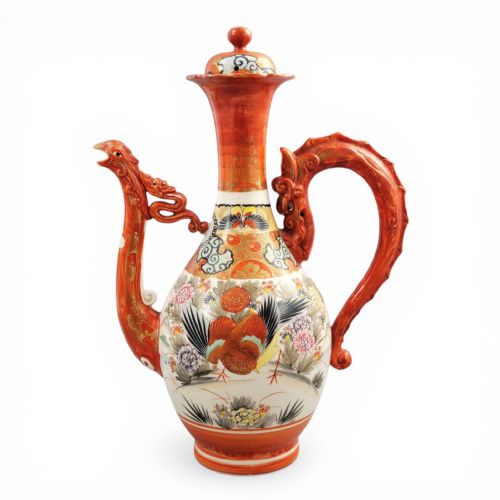
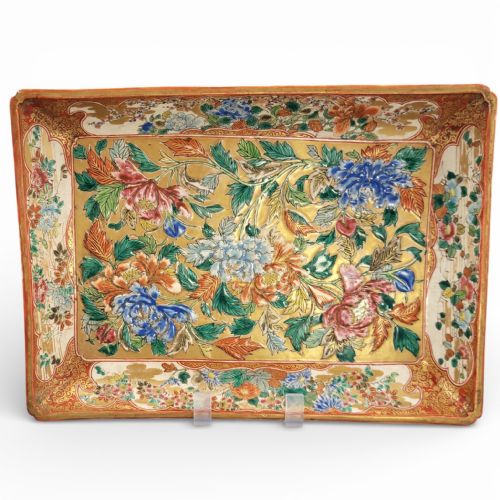
Antique kutani porcelain brings together intricate hand-painted palettes, sculptural deities and traditional Japanese forms originating predominantly from the Meiji and Taisho periods.
Antique Kutani Porcelain
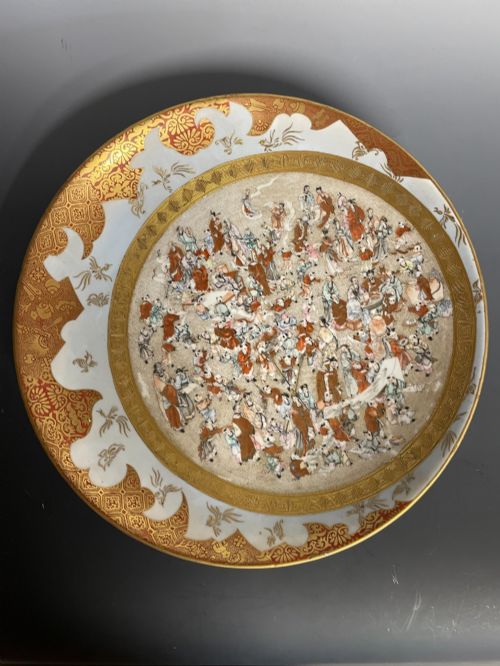
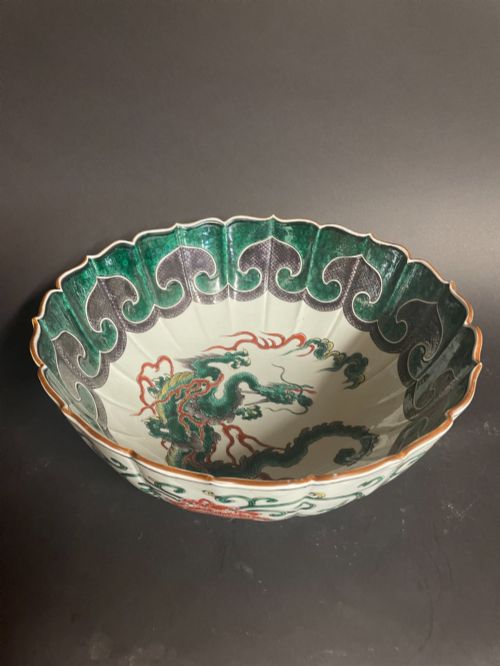
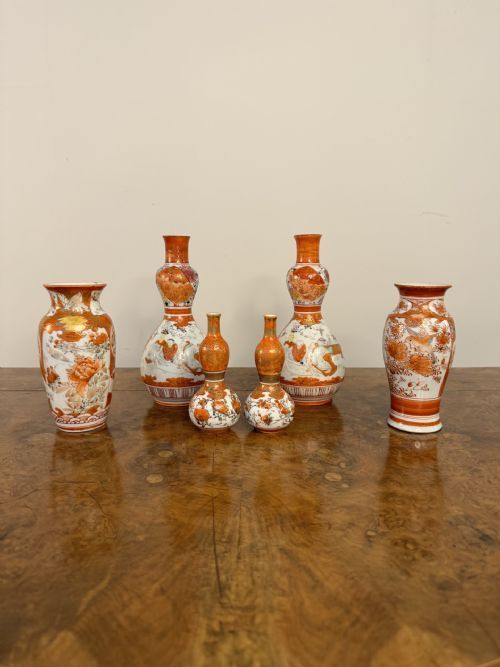
When you search for antique kutani porcelain, you encounter a varied selection of vessels and figures originating from Japan, with the majority dating to the nineteenth century and the Meiji period. The items on this page range from large chargers and ginger jars to delicate miniature bowls and table lamps.
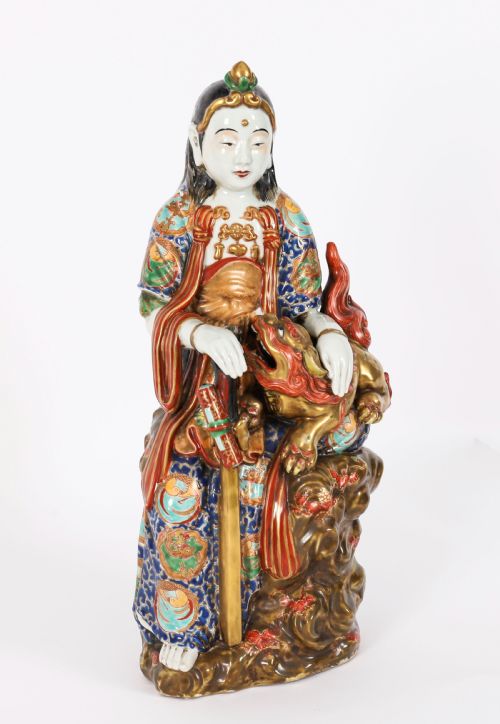
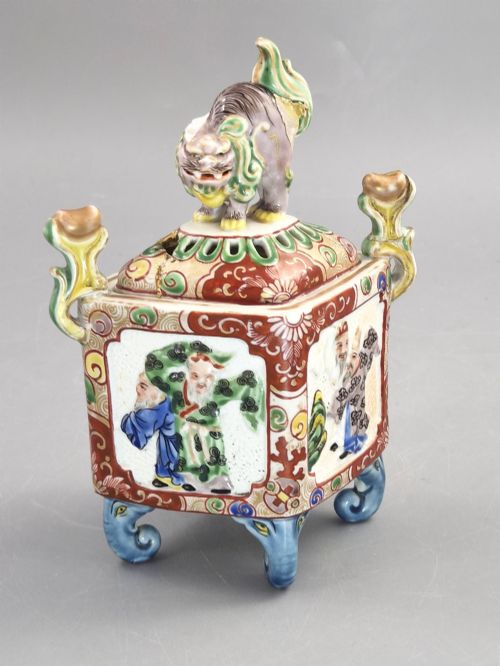
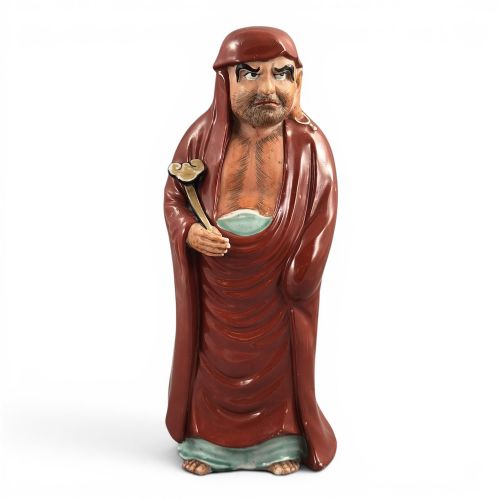
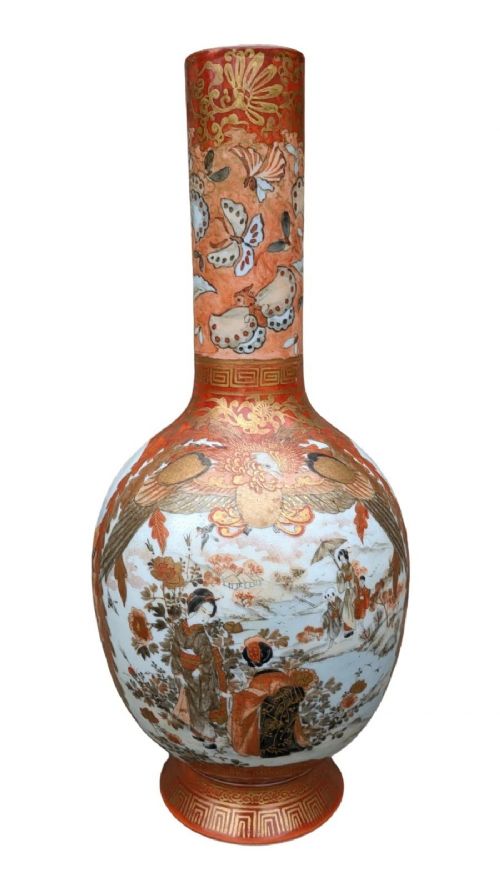
Figurines and sculptures form another major category within these listings, depicting figures such as Kannon, Jurojin and Daruma. Vases, ewers and koro incense burners demonstrate the sculptural capability of the makers, often incorporating animal feet, lion handles and finials.
The selection reflects both domestic decorative items and pieces made for export during the late nineteenth and early twentieth centuries. Chargers and shaped vases display traditional motifs, while sculptural models utilise porcelain to represent mythological and spiritual subjects.
Craftsmanship and Detail
Quality in these ceramics depends upon the precision of the hand painting and the complexity of the palette. Pieces displaying disciplined brushwork and well-defined facial expressions on figures stand apart from simpler production.
The presence of raised moriage work, extensive gilding and intricate figural modelling elevates the status of an object. Form and proportion also dictate standing, with ambitious sculptural elements like elephant head feet or detailed finials showing higher skill.
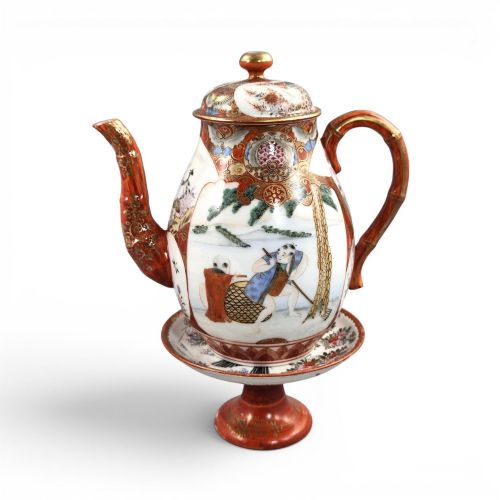
The available forms range from practical teapots and ewers to ornamental figures of Kannon, Jurojin and Daruma.
Kinrin Workshop
The Antique Kutani Porcelain Glossary
- Kutani
- A style of Japanese porcelain characterised by colourful enamels and intricate painted designs. It developed in Kaga province and became prominent during the Meiji period.
- Moriage
- A decorative technique where clay slip is piped onto the porcelain before firing to create raised, textured patterns. This method adds a tactile dimension to vases and figures.
- Koro
- An incense burner, typically featuring a pierced lid and standing on three or more feet. These vessels often incorporate mythological animal finials.
- Okimono
- A Japanese display figurine intended for interior decoration rather than religious worship. They frequently depict deities, monks or historical figures.
- Charger
- A large decorative plate designed for display on a wall or stand rather than for dining use. These pieces often feature comprehensive painted scenes across the broad surface.
Antique Kutani Porcelain: Frequently Asked Questions
What is kutani porcelain?
Kutani porcelain is a traditional Japanese ceramic ware known for its vibrant enamel decoration and extensive use of gold. Production spans several eras, with many surviving examples dating from the Meiji period.
These items encompass both functional vessels like teapots and decorative objects such as chargers, vases and intricate sculptural figures.
How do I date these pieces?
Dating relies on stylistic markers, historical periods such as the Meiji or Taisho eras, and manufacturing characteristics. Nineteenth-century examples often display dense hand-painted compositions and distinct colour palettes.
Changes in export regulations and workshop marks also help narrow down the period of production for specific vases and figurines.
Were these made for export?
Many kutani pieces created during the late nineteenth century were produced specifically for international markets following the opening of Japan. These export items satisfied Western enthusiasm for elaborate Japanese craftsmanship.
At the same time, traditional forms like the koro incense burner and deity figures maintained cultural roots while adapting to global demand.
How should I display a charger?
Chargers are large decorative plates best exhibited using a sturdy wall mount or a dedicated display stand. Because of their broad painted surfaces, they require a secure placement that supports their weight and prevents tipping.
Positioning them away from direct sunlight protects the enamel colours and gold leaf from fading over time.