

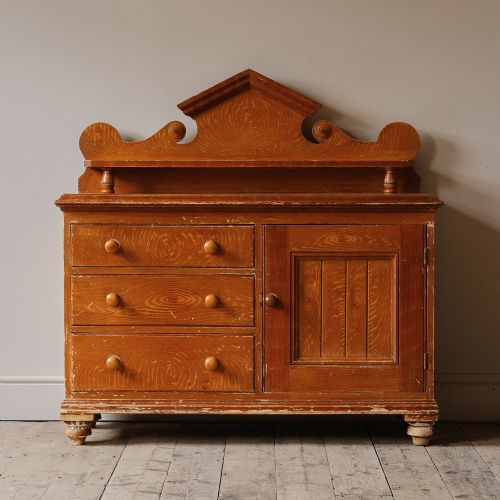
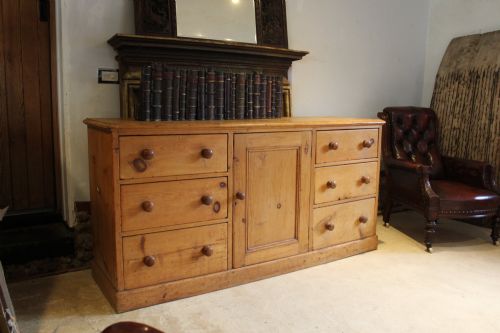
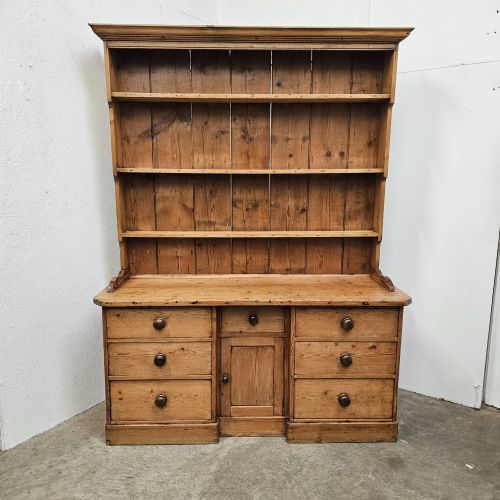
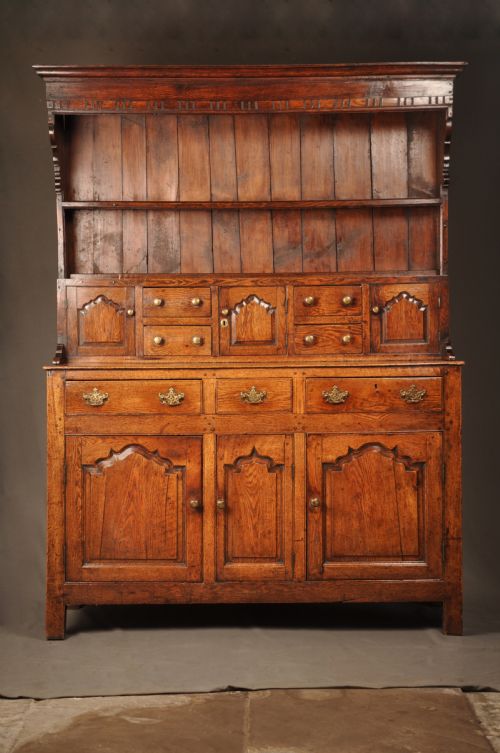
Antique Kitchen Dresser Base
An antique kitchen dresser base provides sturdy working surface and storage, grounding a country interior with honest utility.
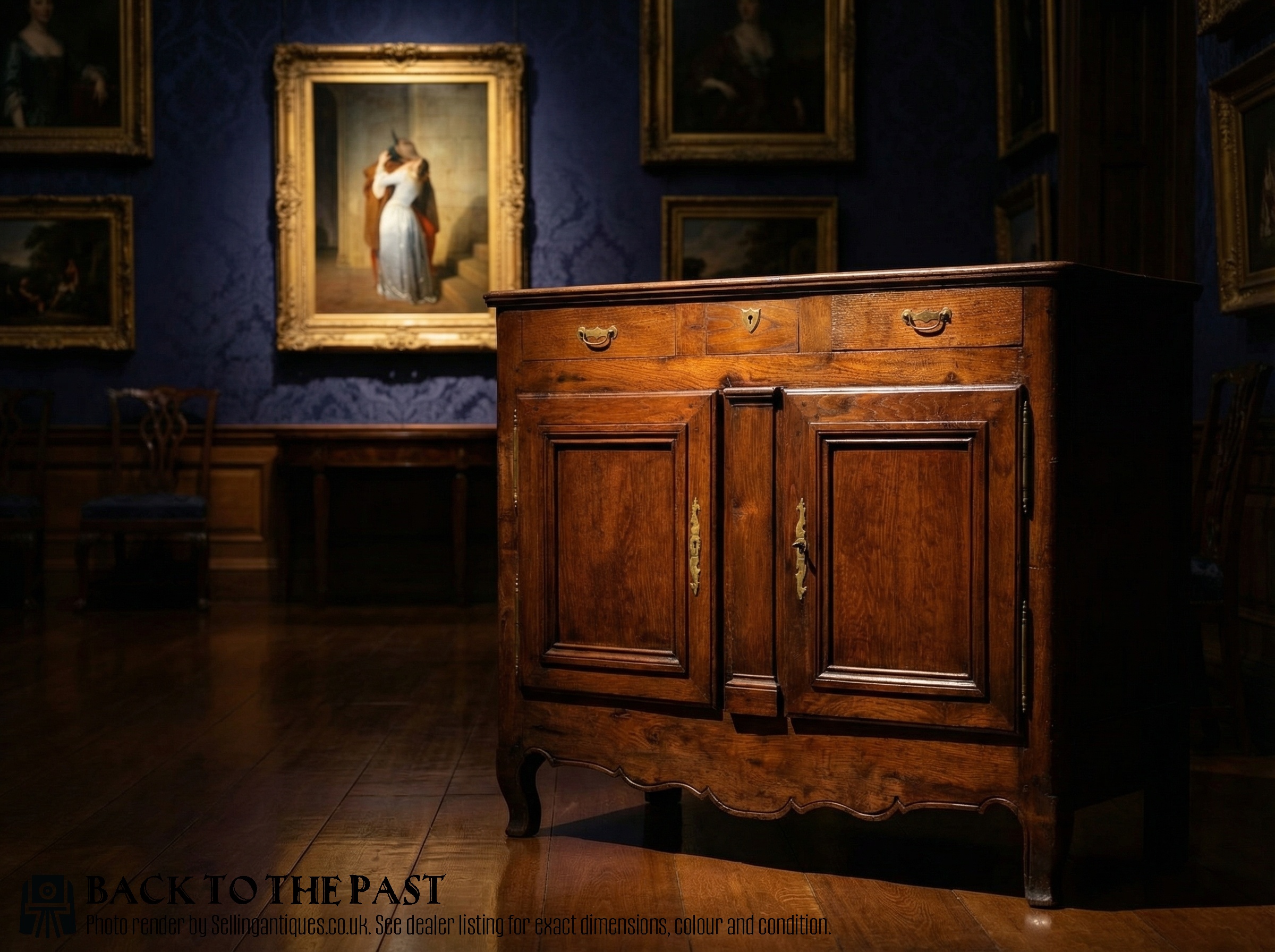
Antique Kitchen Dresser Base
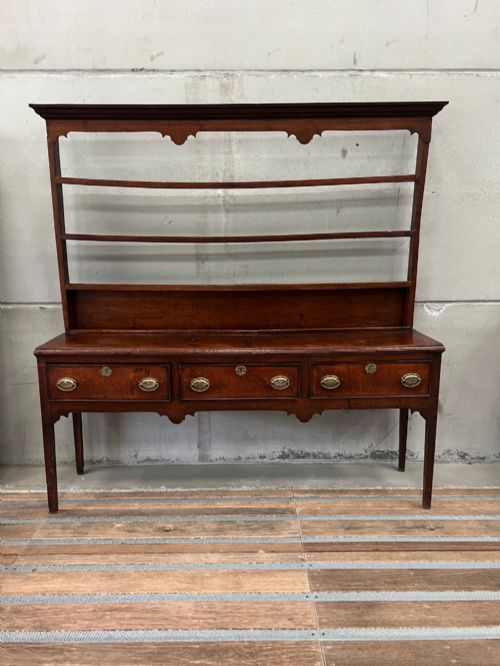
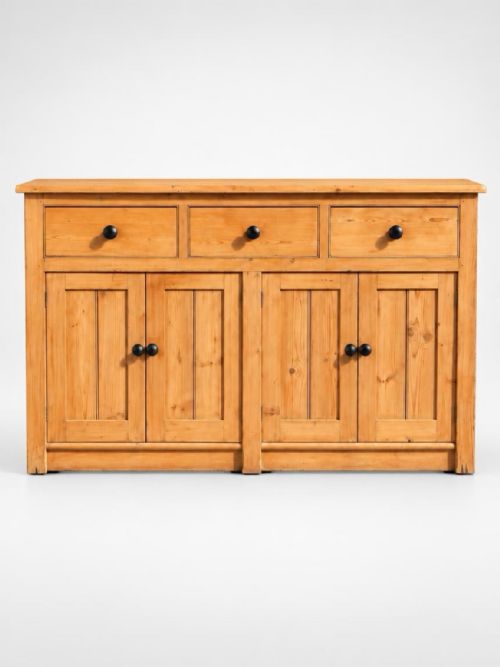
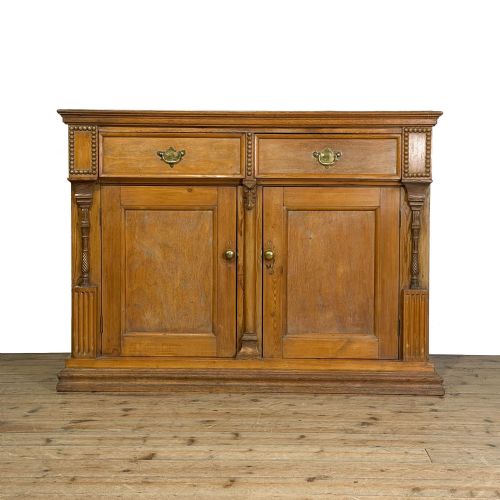
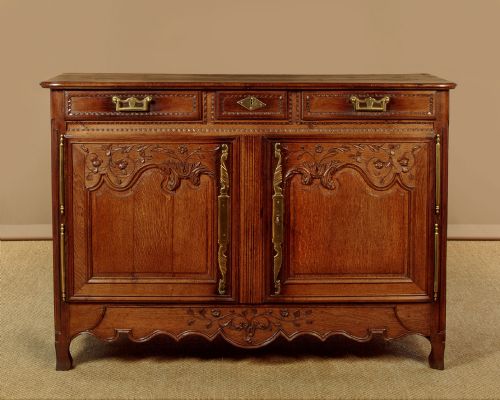
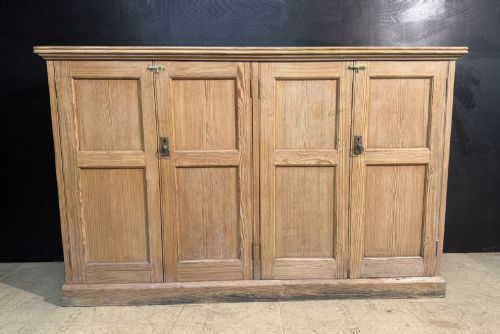
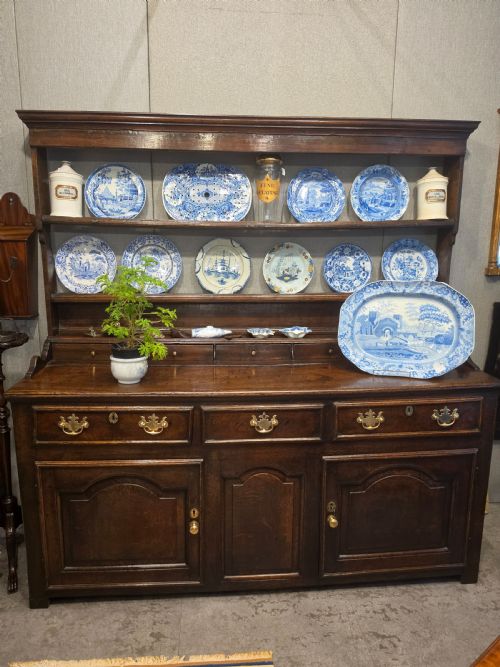
An antique kitchen dresser base is a robust, low-level storage cabinet designed for domestic food preparation and utility work. Buyers browsing this selection will most frequently encounter pine and oak examples dating from the eighteenth and nineteenth centuries.
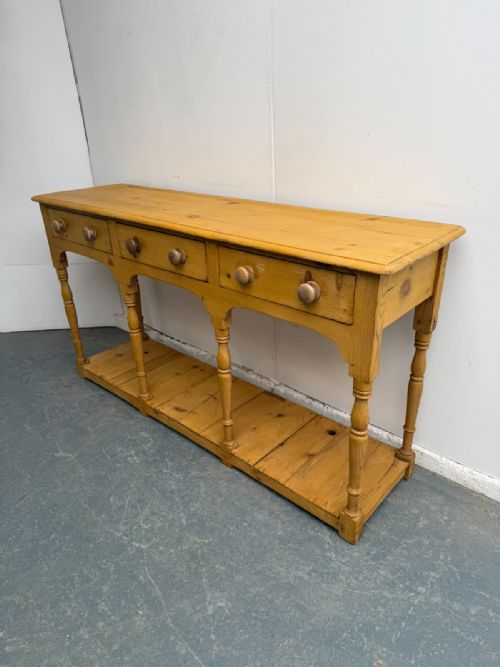
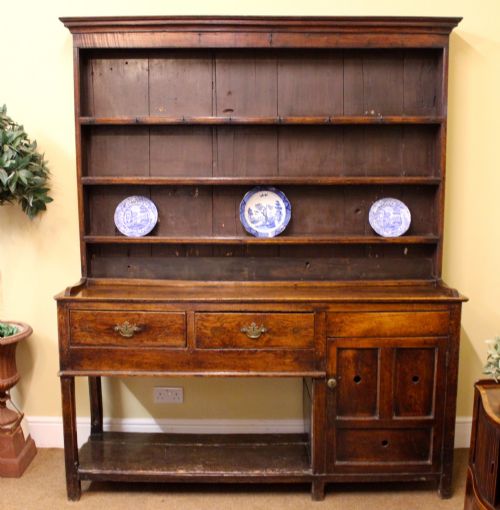
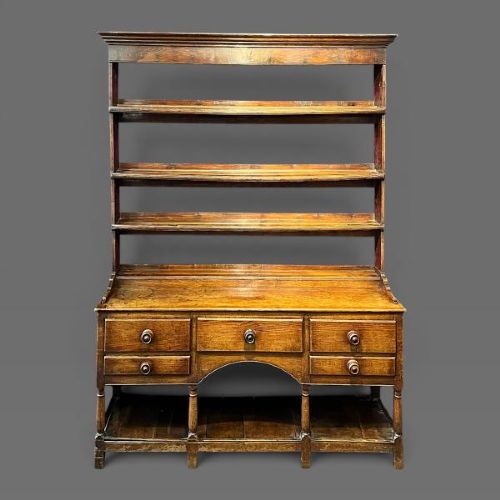
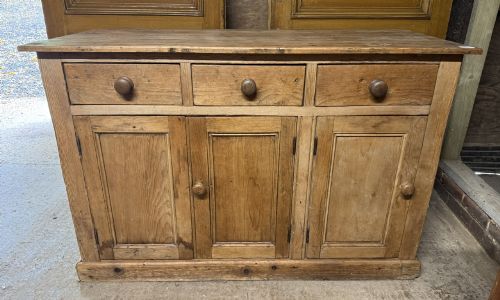
The form typically combines drawers across the upper section with cupboards or an open potboard shelf beneath. Regional variations include English, Welsh, and French provincial pieces built for daily service in working farmhouses and country houses.
How they were made
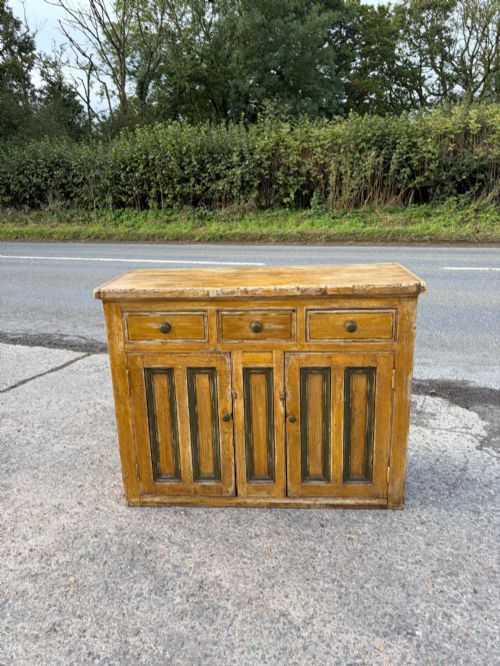
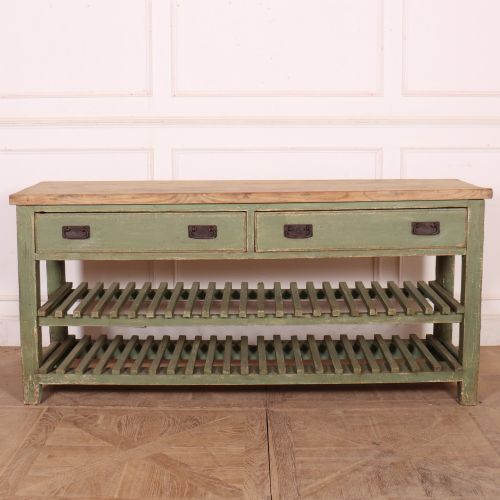
Joiners built these pieces using solid native timbers such as pine, oak, and fruitwood, often jointed with pegged mortise and tenon construction. Surfaces were either left as bare waxed wood or finished in layers of traditional paint.
Hardware consists of brass or iron handles, hinges, and drawer pulls suited to heavy daily usage. Open potboard shelves below provided stationary space for storing heavy earthenware and cookware.
Antique Kitchen Dresser Base Retail Price Guide 2026
Typical asking prices for kitchen dresser base among the pieces listed under this phrase on Sellingantiques today, from the lower quarter to the upper quarter. They describe what is for sale here now, not the wider market.
Listings feature eighteenth and nineteenth century periods, utilising pine, oak, and painted wood in English, Welsh, and French country styles.
What varies in quality
Quality rests upon the integrity of the timber, the depth of patination on waxed surfaces, and the survival of original paint finishes. Pieces retaining their authentic hardware and untouched structural timbers command greater respect.
Proportion and scale also distinguish the work, ranging from modest domestic cupboards to monumental country house serving tables. Finer examples display careful joinery details and balanced drawer arrangements.
The Antique Kitchen Dresser Base Glossary
- Potboard
- A lower open shelf built into the base of a dresser for storing pots, pans, and heavy crockery. This shelf sits raised off the floor on short legs or feet.
- Dresser base
- The lower section of a kitchen dresser, functioning as a standalone sideboard or cabinet without the upper plate rack. It provides a flat top surface above rows of drawers and cupboards.
- Patina
- The surface sheen and colour developed over decades of cleaning, waxing, and handling. It indicates age and honest use.
- Provincial
- Furniture made in regional areas outside the capital, often displaying local styles and readily available native timbers. These pieces reflect rural traditions rather than metropolitan fashions.
Antique Kitchen Dresser Base: Frequently Asked Questions
How were dresser bases used?
These pieces served as the central workstation in historic kitchens for kneading bread, preparing meals, and storing culinary utensils.
The deep drawers held smaller tools and linens, while the cupboards and open shelves below accommodated heavy pots, pans, and serving dishes.
Where did regional dresser styles originate?
Regional styles developed according to local timber supplies and the specific domestic needs of rural households in England, Wales, and France.
Welsh examples frequently incorporated open potboards, whereas English and French pieces often favoured enclosed cupboards for secure storage.
How do I care for a waxed pine base?
Maintain waxed pine surfaces by applying a traditional beeswax polish sparingly and buffing with a soft cloth to preserve the protective finish.
Avoid placing wooden furniture near direct heat sources or damp areas to prevent the timber from splitting or warping over time.
Can I use an antique base today?
An antique base adapts easily to modern rooms as a sideboard in a dining area, a kitchen island, or a console for media equipment.
The generous surface area and deep internal storage offer practical utility that suits contemporary living spaces.