

Antique Kingwood Cabinet
An antique kingwood cabinet brings rich timber grain, gilt metal mounts, and classical French proportion into a room.
Antique Kingwood Cabinet
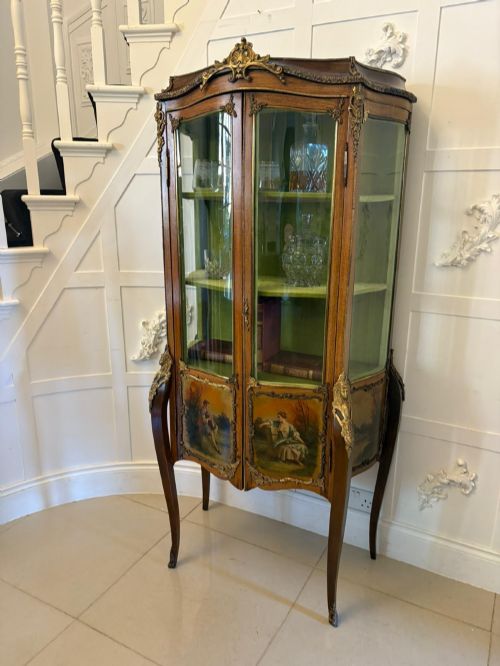
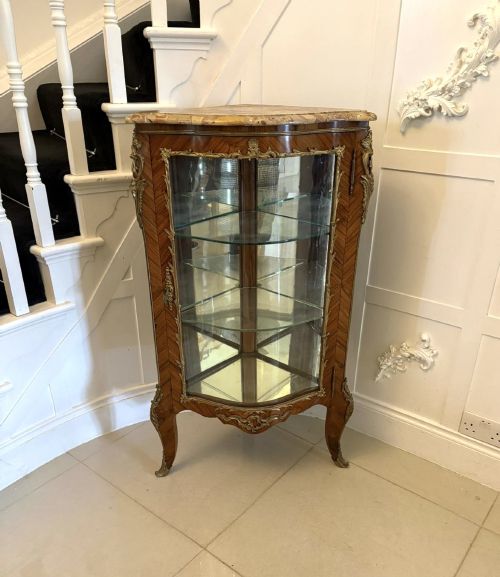
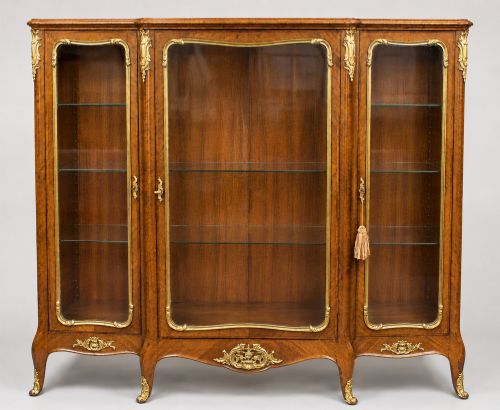
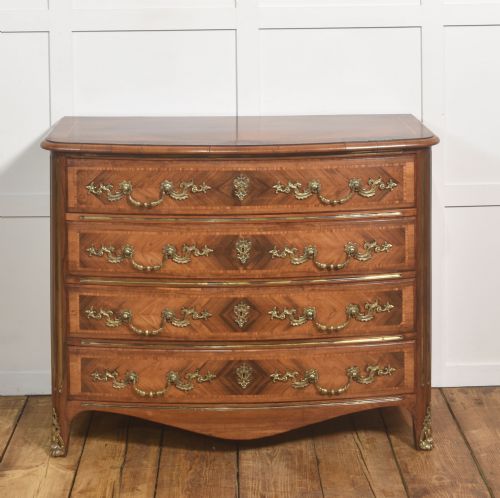
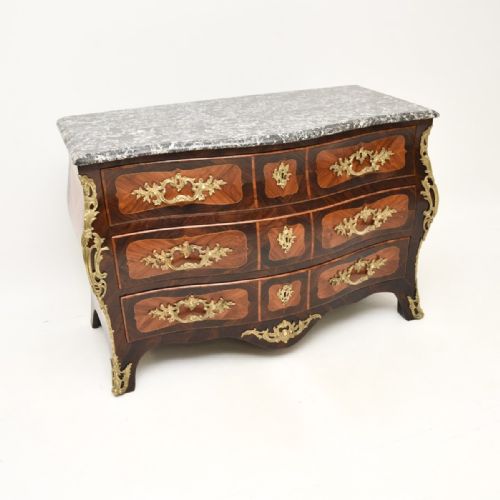
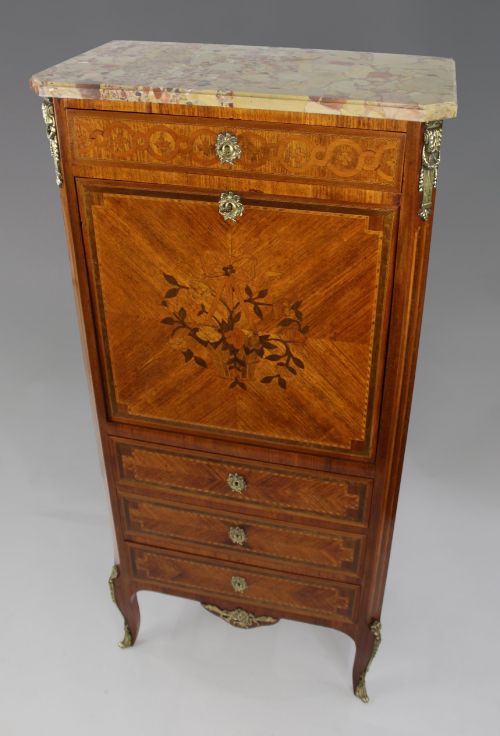
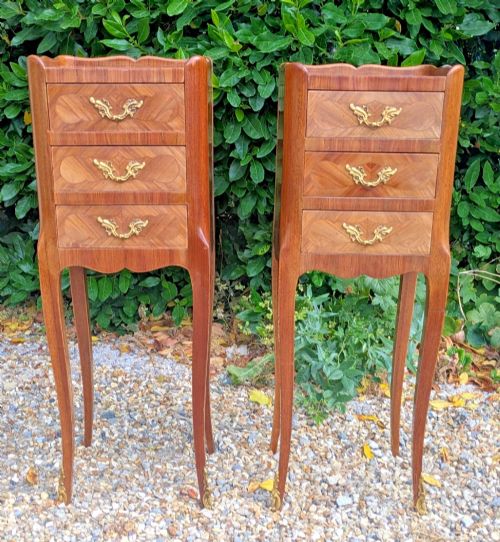
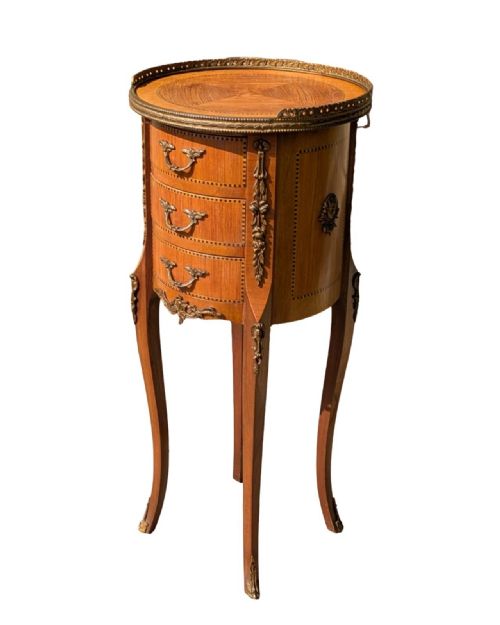
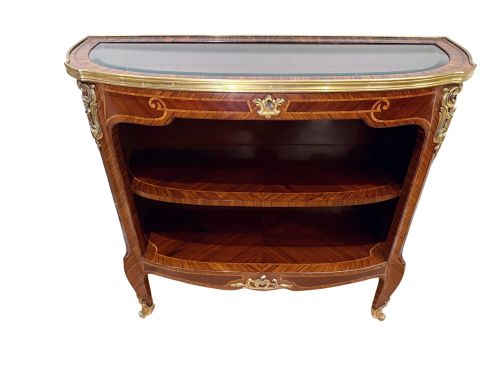
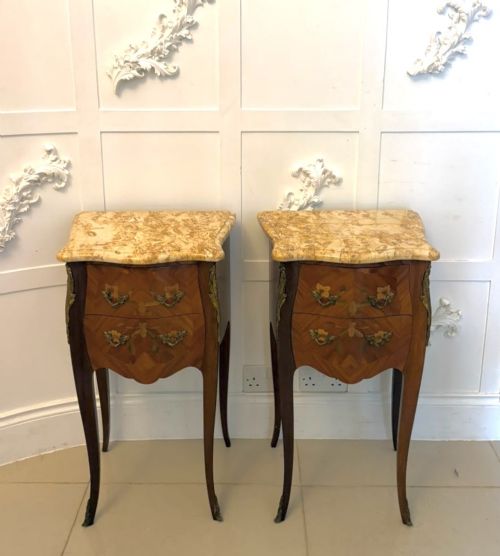
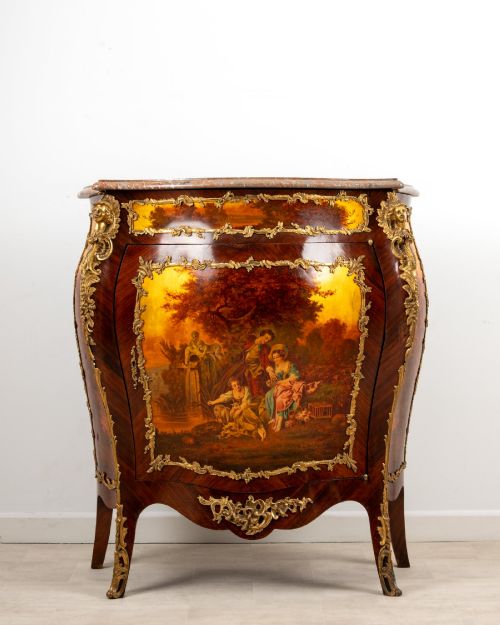
When searching for an antique kingwood cabinet, buyers encounter diverse forms ranging from tall vitrines and display cabinets to bedside tables, commodes, and writing desks. The selection includes serpentine corner units, bombé chests, and secretaires built primarily during the nineteenth and early twentieth centuries under the influence of French Louis styles.
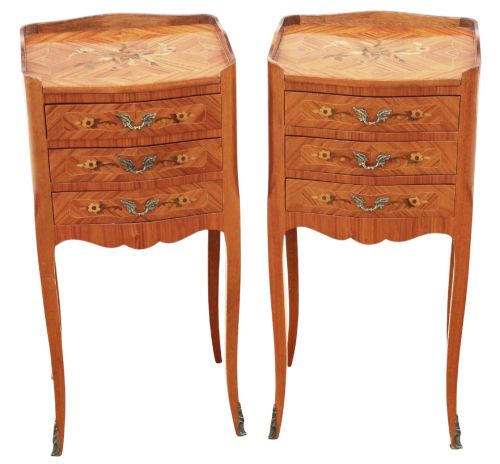
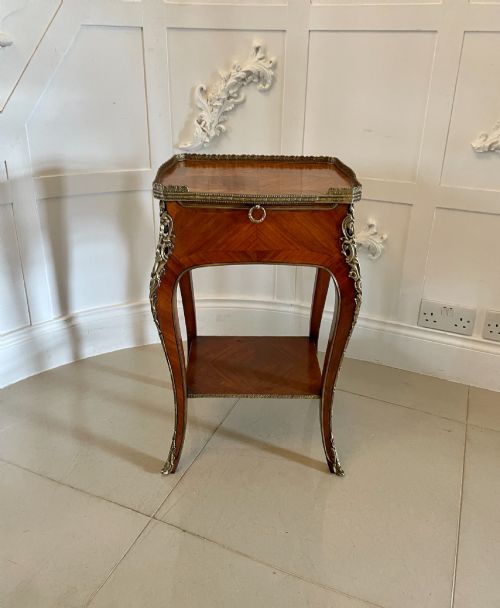
Display cabinets and vitrines dominate the available forms, often featuring glass panels for exhibition alongside marble tops and marquetry inlay. Smaller bedside cabinets and lamp tables appear frequently, maintaining the same characteristic timber veneers and gilt bronze or ormolu mounts seen on larger case pieces.
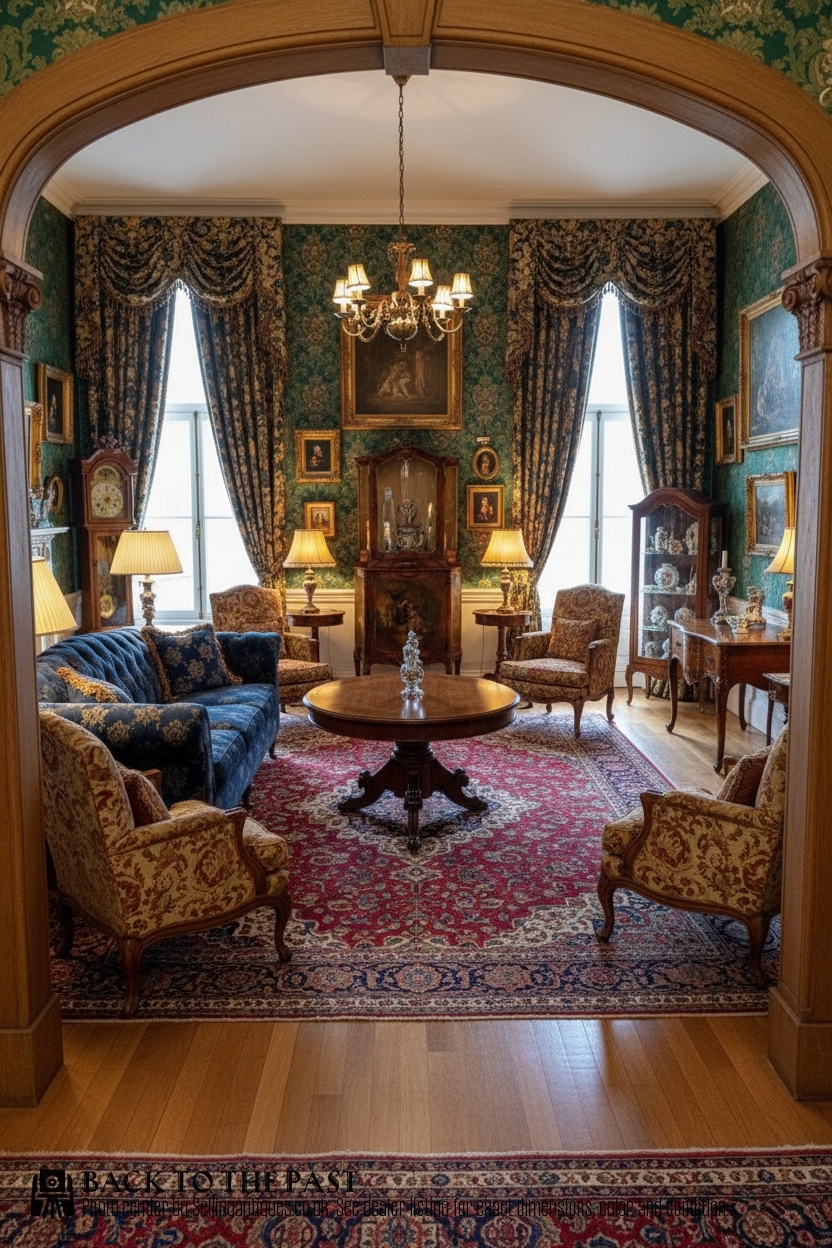
Materials and Construction
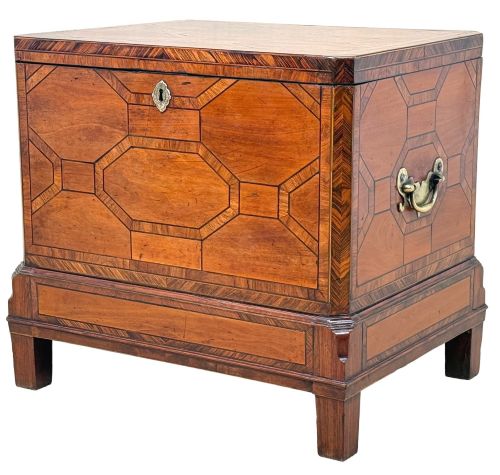
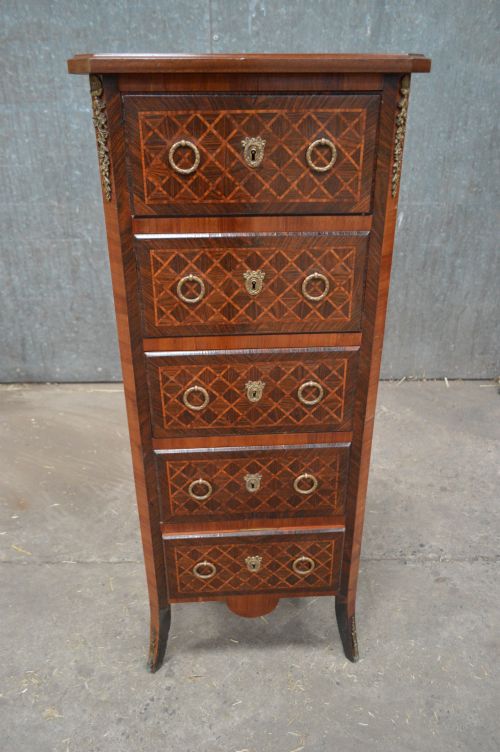
Cabinetmakers constructed these pieces using dense timber veneers laid over carcase woods like oak or pine, applying kingwood for its distinctive violet-brown grain patterns often arranged in geometric parquetry or floral marquetry. Ormolu and gilt bronze mounts were cast, chased, and secured to corners, feet, and borders to accent the contours of the carcase.
Marble tops, predominantly white or veined varieties, were cut and polished to fit exact serpentine or rectilinear profiles above the cabinet body. Vernis Martin painted panels and Sèvres porcelain plaques occasionally supplement the timber surfaces, demonstrating specialised collaborative craftsmanship between cabinetmakers and decorative painters.
Cabinets designed for sedan chairs allow miniature French elegance to travel safely through eighteenth-century London fog.
Evaluating Craftsmanship
Quality reveals itself in the precision of the parquetry alignment and the crispness of the chased ormolu mounts rather than the sheer weight of the piece. Superior examples display seamless veneer matching across moving joints and drawer fronts, alongside heavy, finely detailed gilt bronze fittings secured independently.
The integration of supplementary elements such as hand-painted Vernis Martin panels or original marble slabs with precise edge moulding distinguishes standard production from maker-signed atelier work. Structural integrity in curved bombé or serpentine forms depends entirely on internal framing standard to master workshops.
Jacques Bircklé·E. Kahn·François Linke·Sormani·Blake·Maison Mottheau·G. Durand
The Antique Kingwood Cabinet Glossary
- Kingwood
- A dense, heavy timber featuring dark violet-brown streaks used extensively for decorative veneering in French furniture. It is often combined with tulipwood or satinwood for contrast.
- Ormolu
- Gilded bronze applied as decorative mounts, feet, and edgings on furniture. The technique involves coating bronze in a mercury and gold amalgam before heating.
- Vitrine
- A glass-fronted display cabinet designed for exhibiting porcelain, silver, or small objects. These pieces often incorporate mirrored backs and glass side panels.
- Bombe
- A swelling, convex furniture shape characterised by outward-curving sides and fronts. This contour requires specialised joinery to maintain structural stability.
- Marquetry
- The art of applying pieces of veneer to a structure to form decorative patterns and pictures. Makers utilised contrasting timber types to achieve pictorial depth.
Antique Kingwood Cabinet: Frequently Asked Questions
What rooms suit an antique kingwood cabinet?
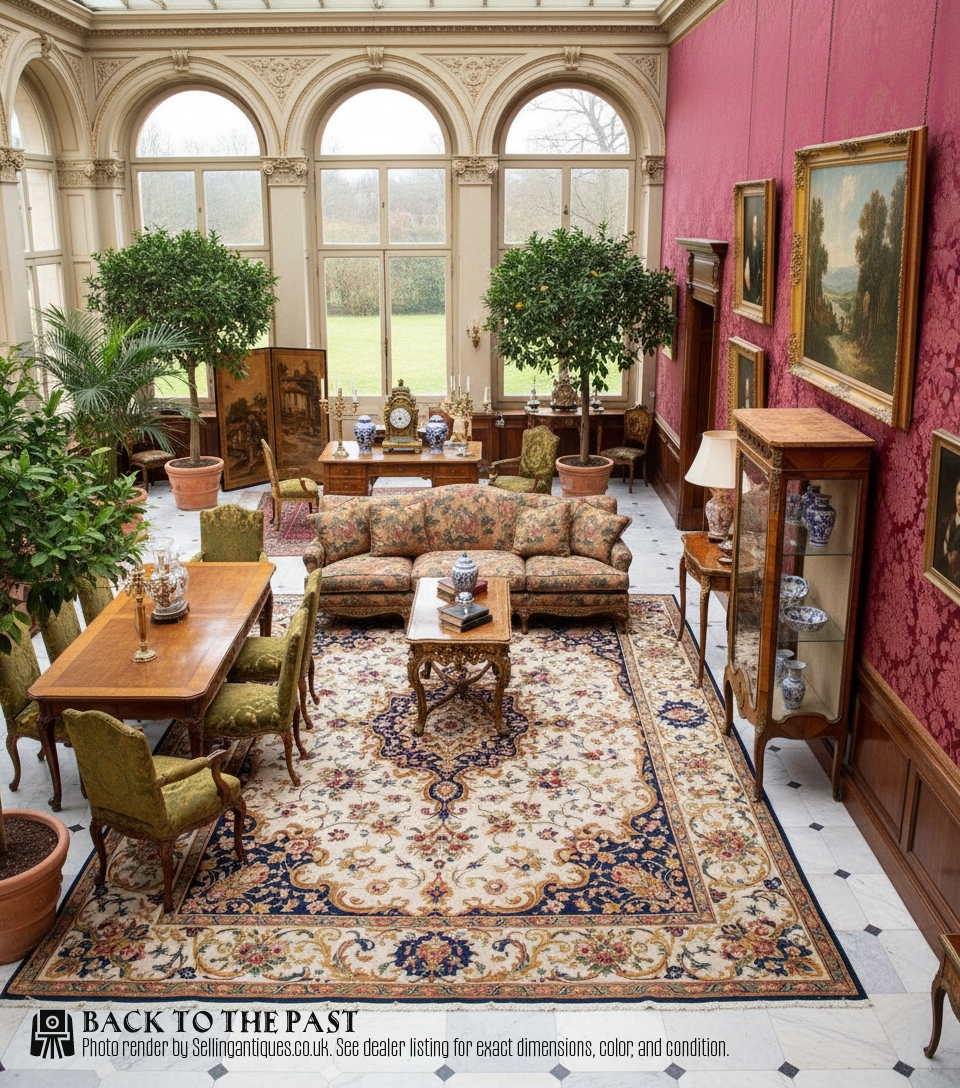
These cabinets work well in drawing rooms, studies, or bedrooms where their polished wood and gilt mounts reflect natural light. Smaller bedside tables and lamp tables integrate easily beside seating or beds.
Larger vitrines and commodes serve as focal points against neutral walls, providing functional display and storage space while anchoring the interior scheme.
How do I care for marble top cabinets?
Marble surfaces require prompt wiping of liquid spills to prevent staining, particularly with acidic substances like wine or citrus. Dust the stone regularly with a soft, dry cloth.
Avoid abrasive cleaners or harsh chemical agents that can dull the polished surface. Professional sealing provides additional protection against daily wear.
How do I distinguish Louis XV from Louis XVI style?
Louis XV pieces, often associated with Rococo revival, display asymmetrical curves, serpentine shapes, and organic scrolling mounts. The overall movement emphasises flowing lines without rigid symmetry.
Louis XVI style introduces neoclassical straight lines, geometric parquetry, fluted legs, and architectural proportions. The decoration shifts toward classical urns, swags, and balanced symmetry.
Can I use a vitrine for everyday items?
Display cabinets with glass doors protect collections from dust while allowing full visibility. The interior shelves support porcelain, glassware, and small ornaments securely.
Ensure items placed on glass shelves do not exceed safe weight limits. Interior lighting can be added discreetly to highlight displayed objects.