
French China Display
These pieces for french antique china display bring together glass, ormolu, and fine timbers to showcase collections with traditional elegance.
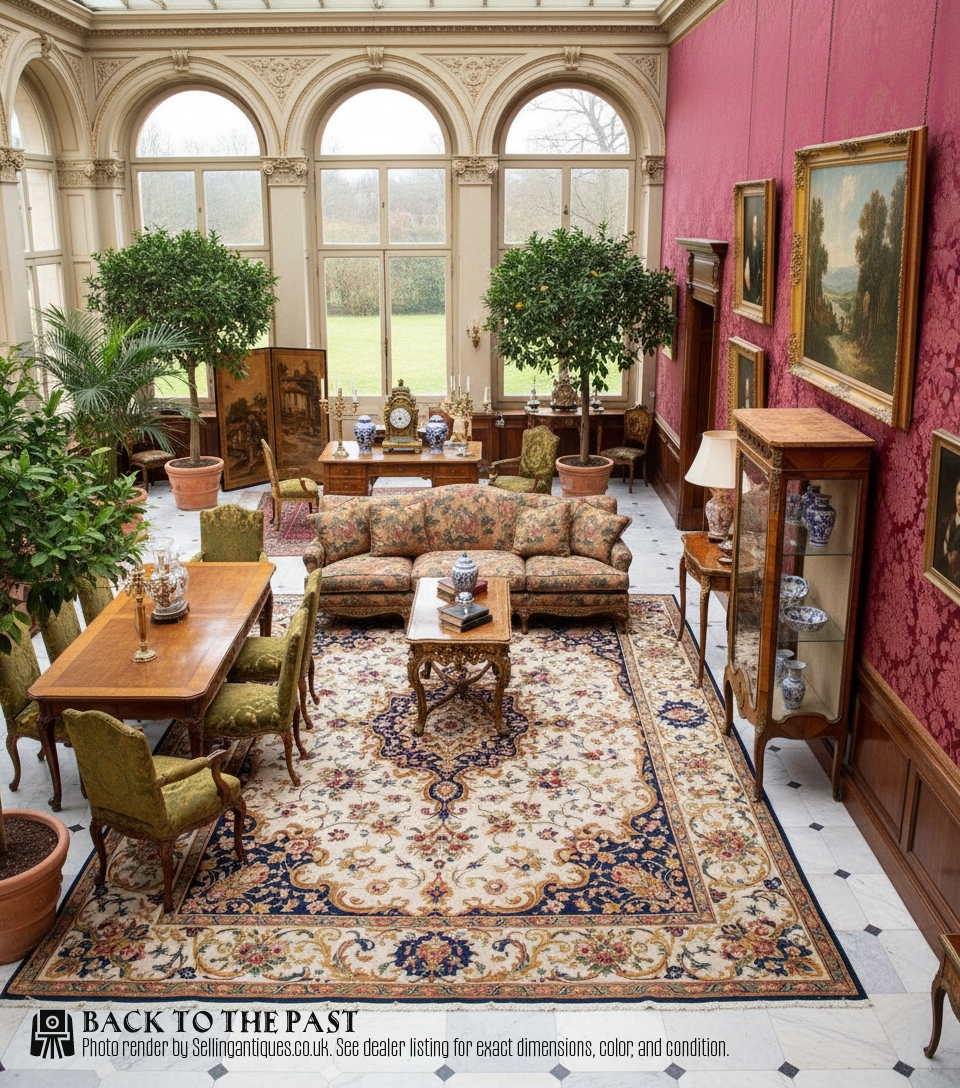
French China Display
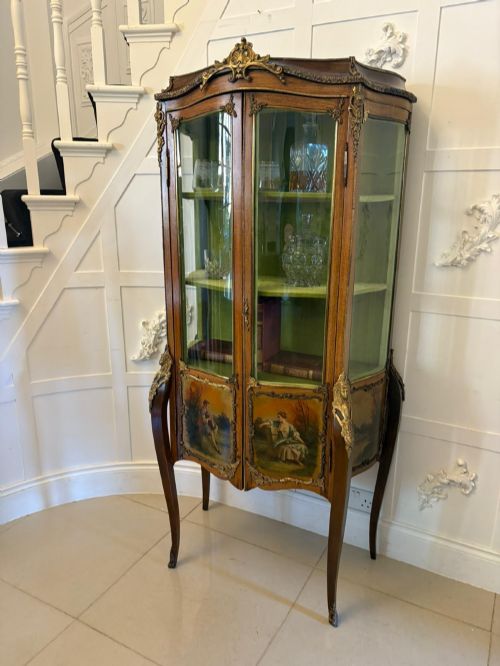
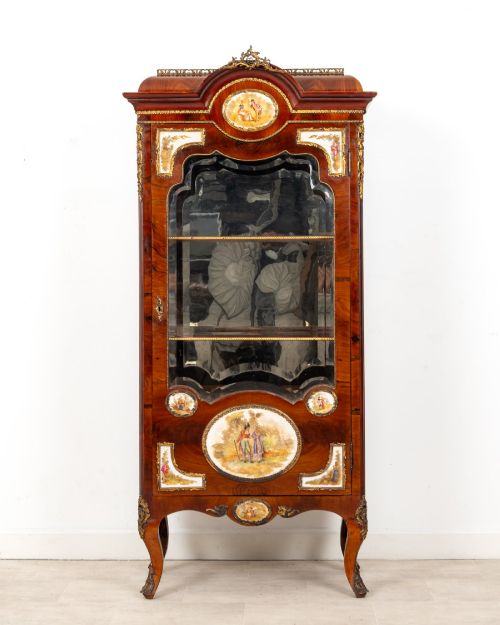
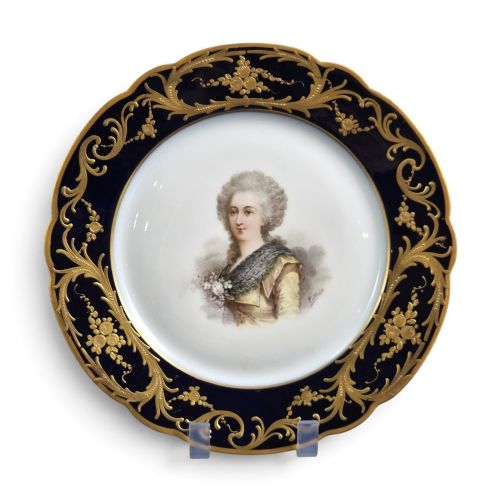
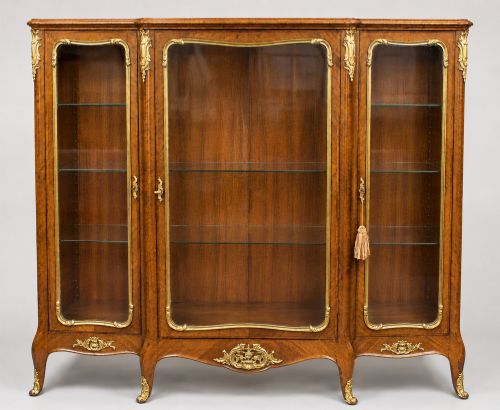
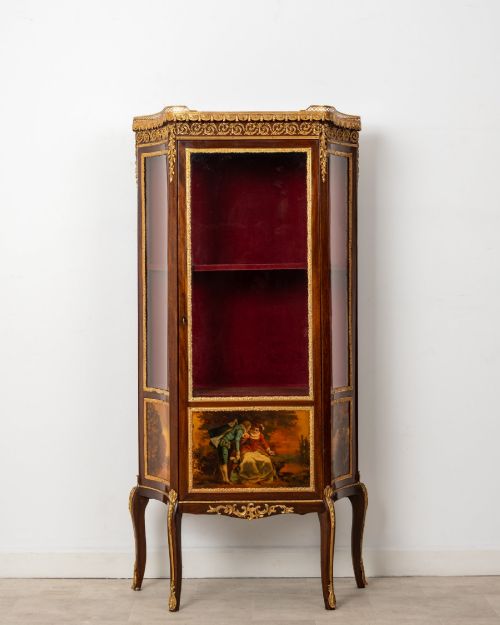
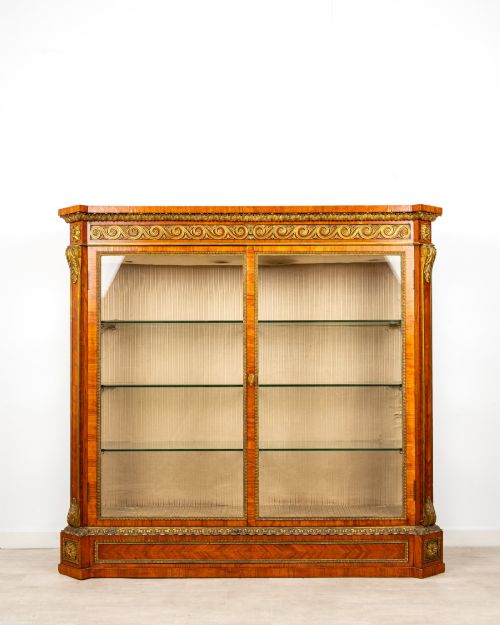
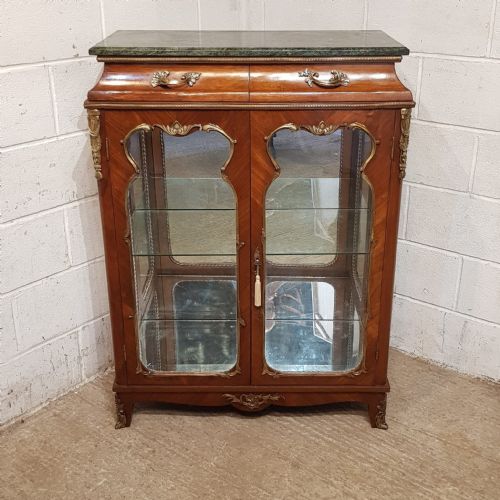
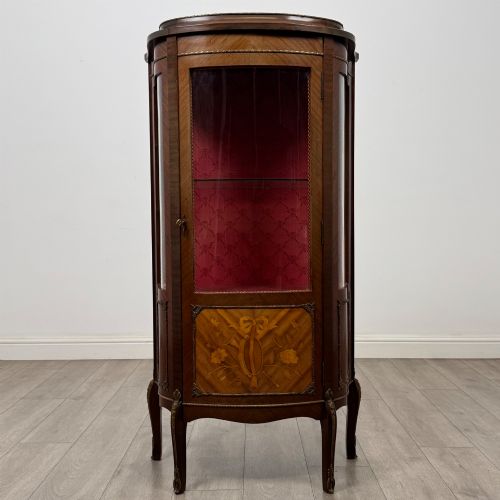
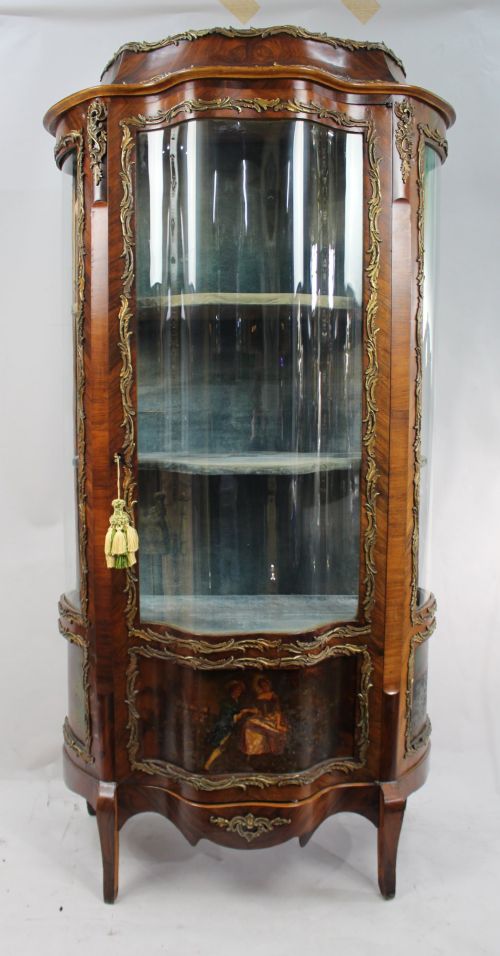
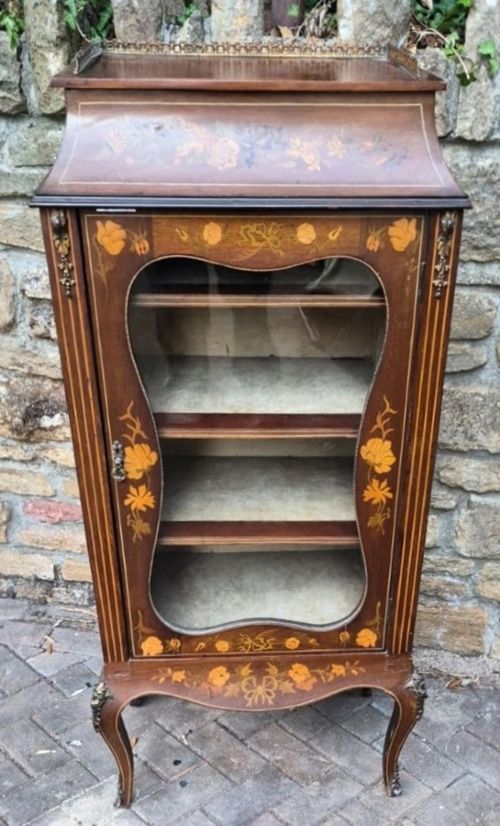
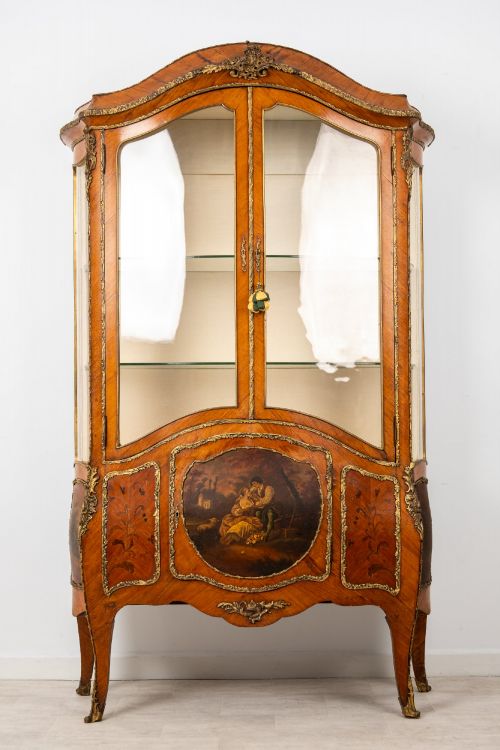
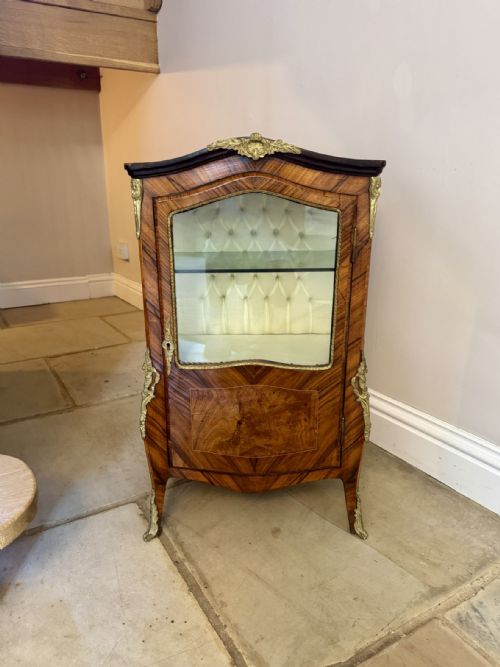
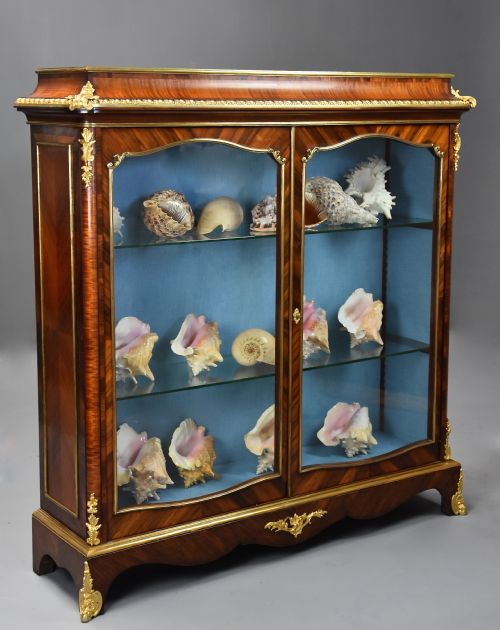
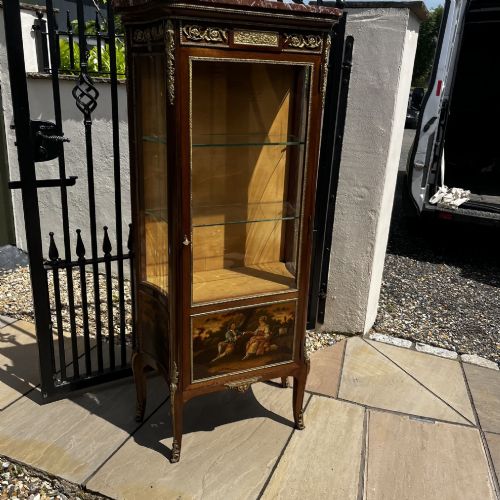
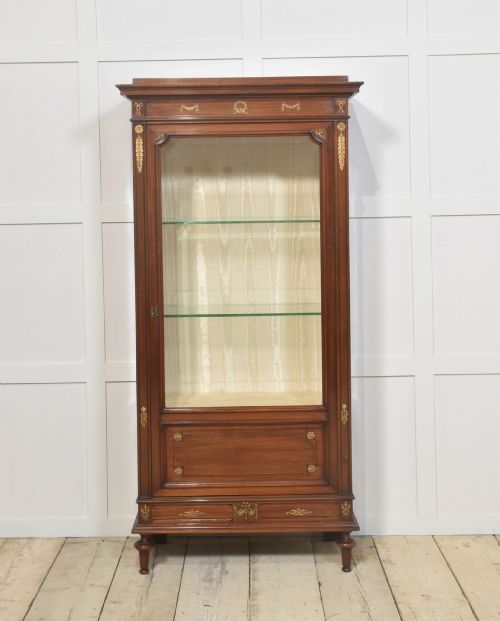
A french antique china display typically takes the form of a vitrine, display cabinet, or decorative porcelain plate from the eighteenth, nineteenth, or early twentieth century. Cabinets range from petite walnut pieces to large kingwood and mahogany vitrines fitted with glass shelves and panel doors. Plates include Sèvres-style cobalt pieces, Chantilly porcelain, and floral eighteenth-century services meant for cabinet exhibition.
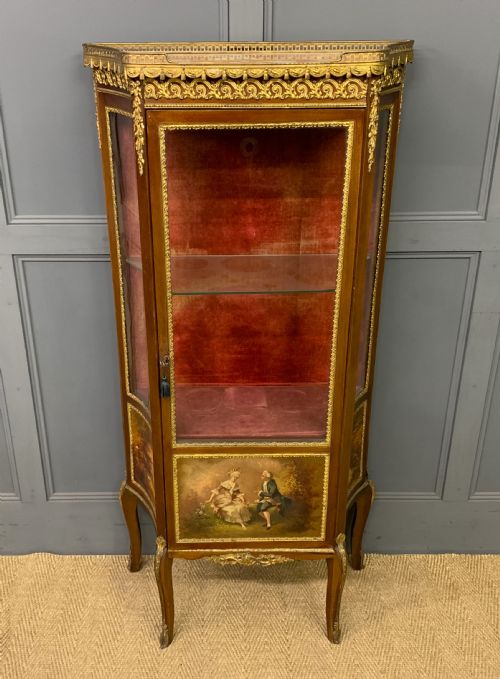
The material palette draws heavily on walnut, kingwood, mahogany, and oak, frequently enhanced by marble tops, brass mounts, and hand-painted Vernis Martin panels. Styles follow revivals of Louis XV, Louis XVI, and Directoire aesthetics, alongside French Provincial and Edwardian interpretations. Cabinets often feature serpentine fronts, marquetry inlay, and gilt-bronze or ormolu enrichments.
Materials and construction
Cabinet makers built these structures using dense hardwoods like mahogany, walnut, and kingwood over carcases of oak or pine, often applying elaborate veneers in parquetry or marquetry patterns. Ormolu and gilt-bronze mounts were cast, chased, and fire-gilded before being secured to angles, cornices, and feet. Glass panels for the sides and doors were glazed into rebated frames to allow maximum light into the interior.
Painted decoration on panels and plates utilised traditional ceramic pigments and lacquer techniques such as Vernis Martin, replicating Japanese and Chinese lacquer finishes in European tones. Marble tops were slabbed, shaped to follow serpentine or straight borders, and polished to a smooth finish. Metal fittings, including brass and ormolu mounts, required precise hand-fitting to follow the curves of the timber.
Design styles span Louis XV Revival, Louis XVI Revival, French Provincial, and Edwardian cabinetmaking traditions.
Judging execution
The distinction between ordinary and exceptional examples rests on the crispness of the ormolu chasing and the precision of the timber veneers. Superior cabinets display fluid, deeply undercut bronze mounts and seamless parquetry where grain patterns align symmetrically across doors and panels. Inferior pieces rely on stamped, shallow metal fittings and simple timber surfaces without hand-finishing.
Structural integrity also dictates quality, seen in the weight of the glass, the smoothness of door hinges, and the inclusion of original marble tops rather than later replacements. Cabinets attributed to notable makers exhibit tighter joinery, superior interior silk or fabric linings, and hand-painted Vernis Martin panels with genuine artistic depth rather than mechanical print transfers.
H. J. Hatfield & Sons·Paul Sormani·G. Durand·François Linke
The French China Display Glossary
- Vitrine
- A glass-fronted cabinet designed specifically for the display of porcelain, china, and small decorative objects. These pieces often feature glazed sides to illuminate the contents from multiple angles.
- Ormolu
- Gilded bronze mounts applied to furniture for decorative accent and edge protection. The technique involves applying a mercury and gold amalgam to cast bronze and heating it.
- Vernis Martin
- A simulated lacquer finish developed in eighteenth-century France by the Martin brothers. It employs multiple layers of resin varnish to create translucent, painted decorative panels.
- Parquetry
- Geometric wood-mosaic work used for cabinet surfaces and tabletops. Pieces of contrasting timber veneer are cut and fitted together to form repeating patterns.
- Sèvres
- A famous French porcelain manufactory known for soft-paste and hard-paste decorative wares. Pieces often feature cobalt blue grounds, hand-painted portraits, and rich gilding.
French China Display: Frequently Asked Questions
What is a French vitrine?
A French vitrine is a glazed display cabinet primarily used for housing porcelain, china, and small objets d'art. The glass panels and mirrored or fabric-lined interiors allow collections to be viewed clearly from all sides while protected from dust.
These cabinets were standard drawing room and salon furnishings in affluent nineteenth-century homes. They combine functional storage with decorative cabinetry suited to formal entertaining spaces.
How do I identify Vernis Martin?
Vernis Martin refers to a specialised European lacquer technique imitating Asian lacquerwork, characterised by translucent layered varnish over painted scenes. Genuine examples show depth in the painted layers and fine craquelure across the surface.
These decorated panels typically appear on the lower sections or doors of eighteenth and nineteenth-century display cabinets. The finish requires gentle maintenance using soft cloths without harsh chemical polishes.
Where were porcelain display plates made?
Display plates were produced by major European factories such as Sèvres and Chantilly, as well as various independent Parisian decorators. They were intended for cabinet exhibition rather than dining table use.
Many bear painted portraits, floral sprays, or cobalt blue grounds with gilded borders. Their backstamps and painting styles help historians date them to specific decades.
What timber was used for cabinets?
Cabinet makers utilised exotic and native timbers including kingwood, mahogany, walnut, oak, and rosewood. Veneers of kingwood and walnut were frequently arranged in symmetrical parquetry or marquetry designs.
Solid timbers formed the structural carcases, while decorative veneers provided the visible exterior surfaces. These woods respond well to traditional beeswax maintenance which preserves their natural grain.