



Antique Karabagh Runner
An antique karabagh runner brings historic Caucasian floor art into a narrow space, offering distinct tribal and European-influenced patterns.
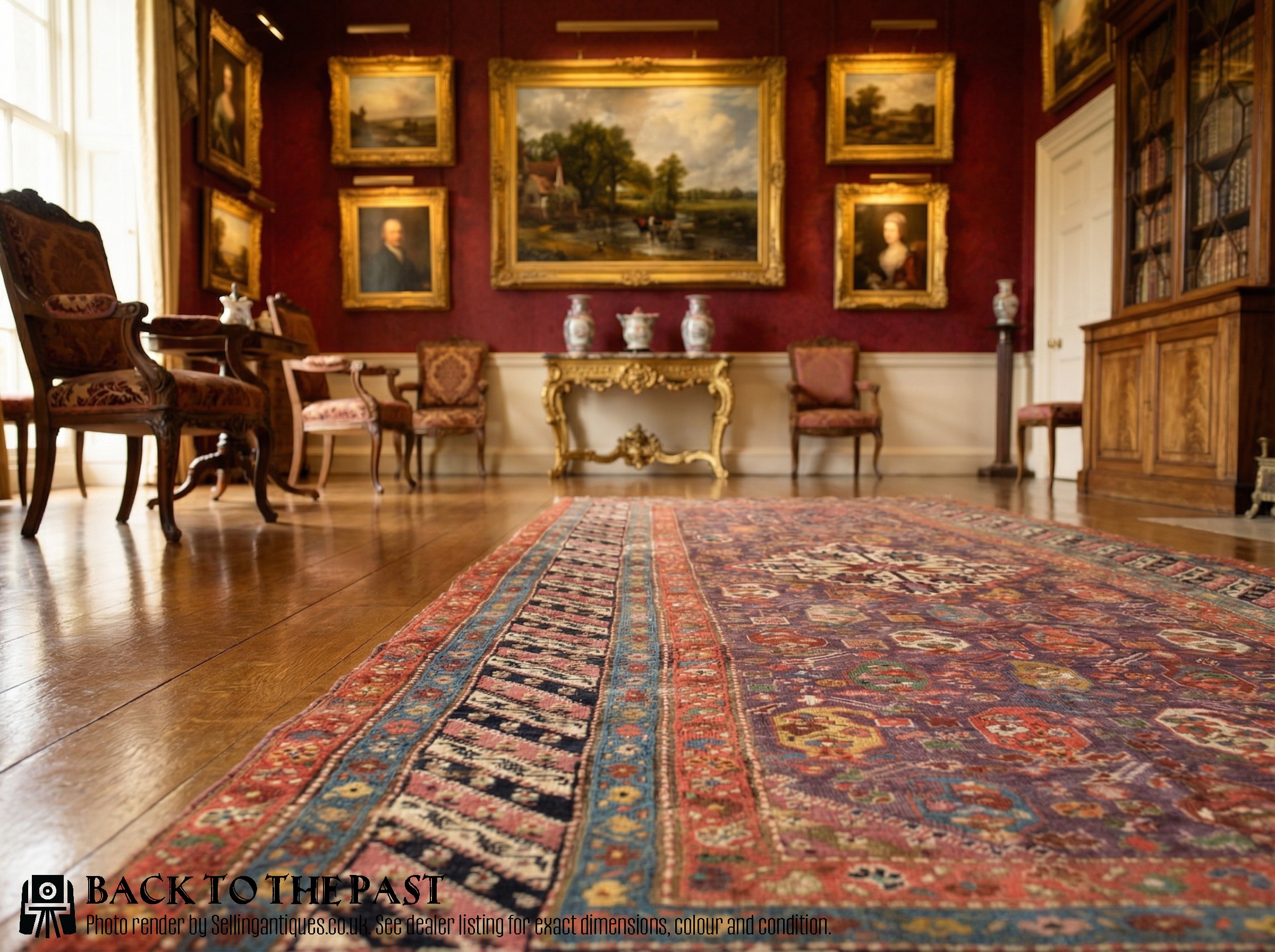
Antique Karabagh Runner
An antique karabagh runner is a floor covering originating from the Caucasus, woven in narrow proportions suited to hallways and long rooms. These pieces combine traditional Caucasian weaving with occasional European-inspired floral motifs.
The format spans various lengths, often designated as long rugs, carpets, or specific runner rug forms. They emerge from decades spanning the mid-nineteenth century into the early twentieth century.
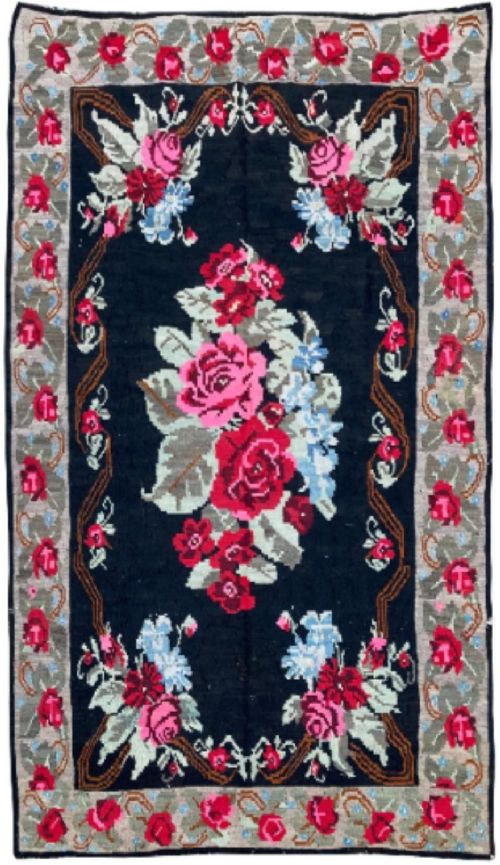
Buyers encounter regional styles that include tribal patterns, striped boteh designs, and French-inspired rose compositions. Each piece reflects the diverse cultural influences present in the Karabagh region.
How They Were Made
Weavers constructed these textiles using wool for the pile and foundation yarns, alongside cotton for structural elements. This material combination provided the necessary durability for high-traffic hallway placements.
The production relied on hand-knotting techniques executed on vertical looms. Artisans utilised natural dye methods to achieve the striking colour palettes recorded across the region's output.
Specific village weaves surprise observers by including depictions of people and animals alongside traditional geometric medallions.
What Varies In Quality
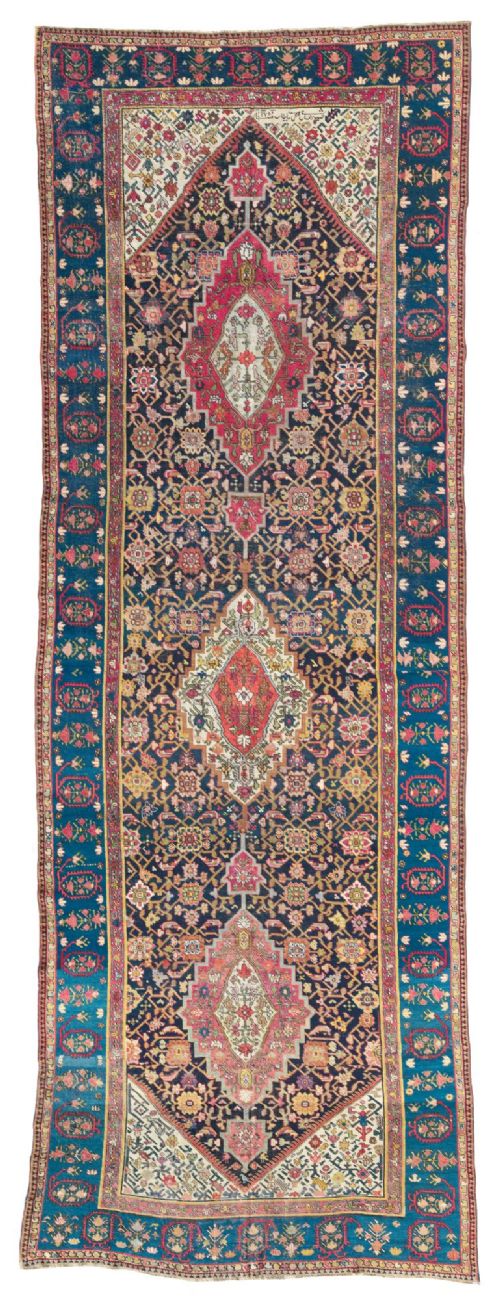
Quality rests upon the precision of the knotting and the complexity of the design layout, such as multi-medallion arrangements or detailed boteh motifs. Examples featuring signed weaver names or dated inscriptions carry additional historical weight.
The vitality and depth of the natural colour palette distinguish finer examples from standard production. Execution of specific regional subtypes, such as Chondoresk or Lampa-Karabagh variations, dictates collector interest.
The Antique Karabagh Runner Glossary
- Boteh
- A teardrop-shaped motif with a curved upper end, frequently seen arranged in rows or diagonal patterns across these rugs. This ancient symbol represents cypress trees or flame.
- Kelleh
- A large format rectangular carpet, typically longer than a standard rug but wider than a runner. These pieces served grander spaces in traditional interiors.
- Kilim
- A flat-woven textile produced without a pile, created by tightly interweaving warp and weft strands. These function as lighter floor coverings or wall hangings.
- Medallion
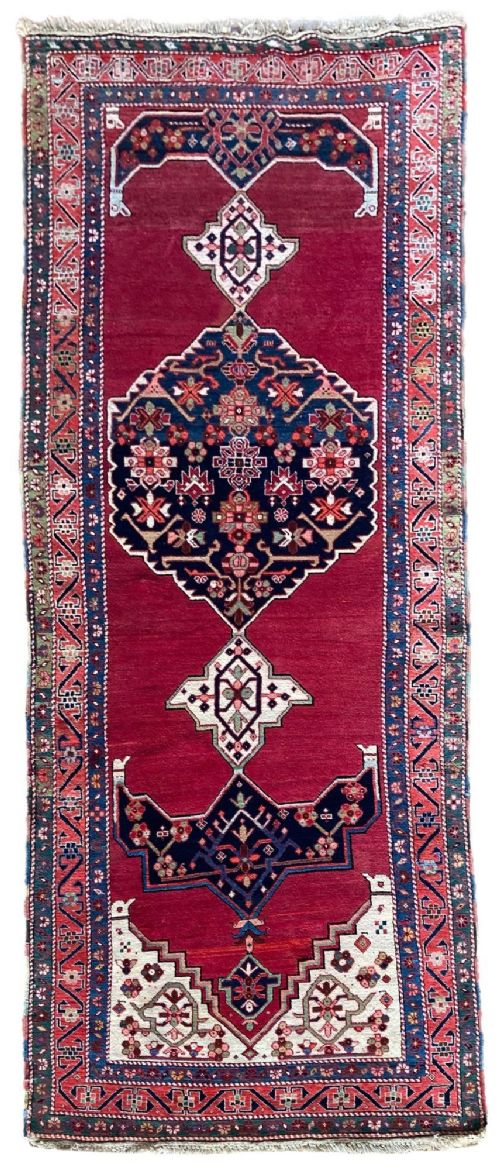
- A central ornamental design motif placed in the field of the rug. Karabagh pieces often incorporate single, triple, or multiple medallions.
- Pile
- The upright yarn surface of the carpet formed by the knotted ends of wool. Density and clipping height determine the texture and longevity of the wear layer.
Antique Karabagh Runner: Frequently Asked Questions
How do I use a runner in a hallway?
Place the piece centrally in corridors to protect flooring while adding warmth and pattern to transitional spaces. Ensure adequate clearance along the edges for doors to swing freely.
Secure the textile with an appropriate underlay to prevent shifting and reduce wear from foot traffic over time.
What is a boteh design?
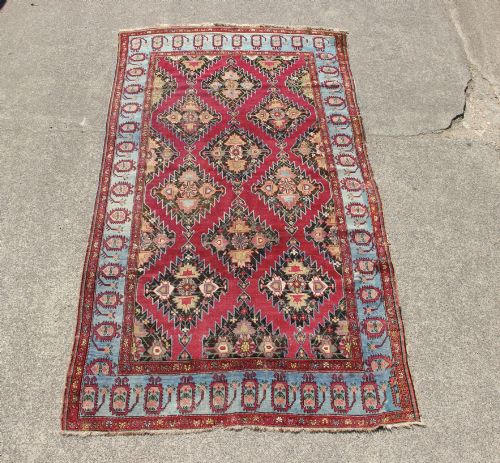
The boteh is a recurring teardrop motif representing vegetal forms or flames. In these regional weaves, they appear in neat rows, diagonal arrangements, or scattered across the field.
Weavers often alternated the orientation of these motifs to create visual movement within the linear format.
How do I date an antique runner?
Dating relies on stylistic markers, wool characteristics, and structural analysis compared against documented examples from the nineteenth and early twentieth centuries. Some pieces feature explicit woven dates or inscriptions.
Comparing knot structure and colour palettes against known archival pieces helps narrow the production window.
Are these rugs made of wool?
Most examples utilise wool for the surface pile and design elements, providing a resilient texture suited to domestic use. Cotton also appears in the foundational structure.
Natural animal fibres ensure the pile retains its resilience and accepts traditional dye formulas effectively.
What is a Karabagh Kelleh?
A Kelleh is an expanded format that sits between a standard rug and a grand carpet, offering an elongated rectangular proportion. These were woven for specific room dimensions in Caucasian homes.
Their larger scale allows for more complex medallion structures and extended repeating borders.