


Antique Jug and Bowl
When you search for antique jug and bowl sets, you are looking at utilitarian chamber sets and tea pairings shaped by centuries of ceramic and metal traditions.
Antique Jug and Bowl
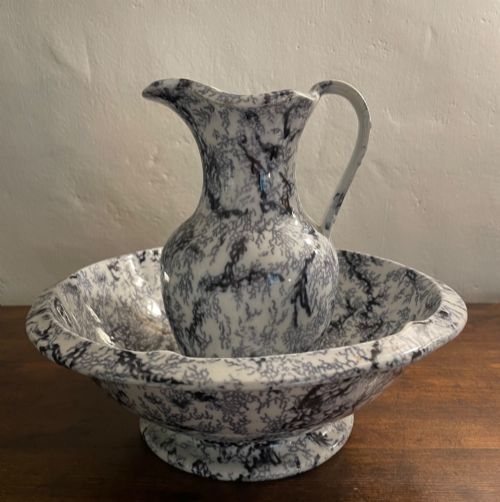
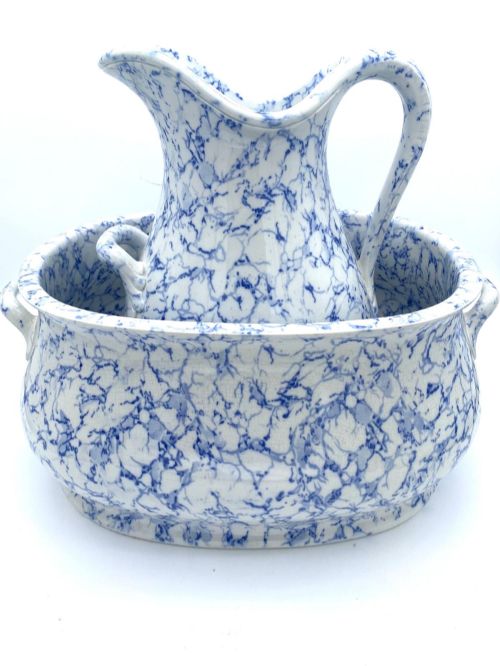
An antique jug and bowl set encompasses both grand ceramic washstand sets designed for the bedroom and smaller pairings intended for tea or cream and sugar. These utilitarian pieces span the Georgian, Victorian, and Edwardian periods, reflecting the shifting domestic habits of British households.
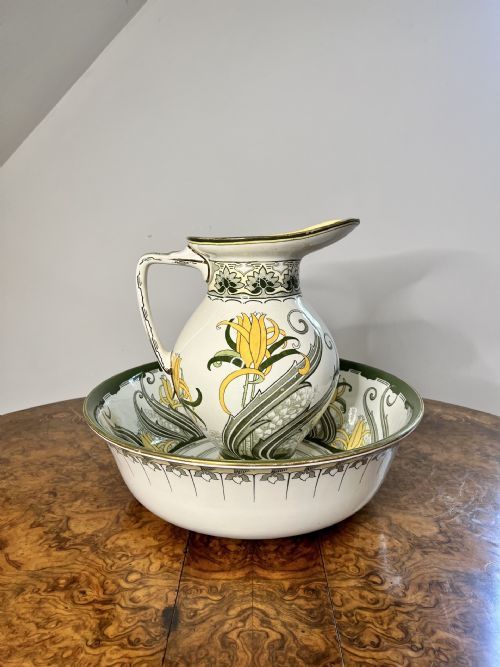
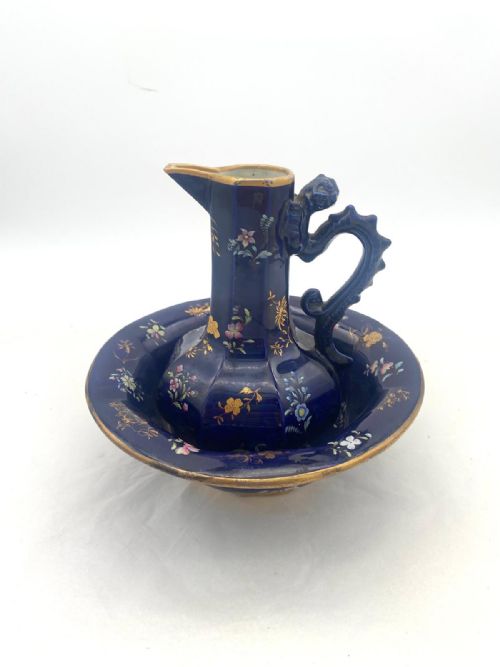
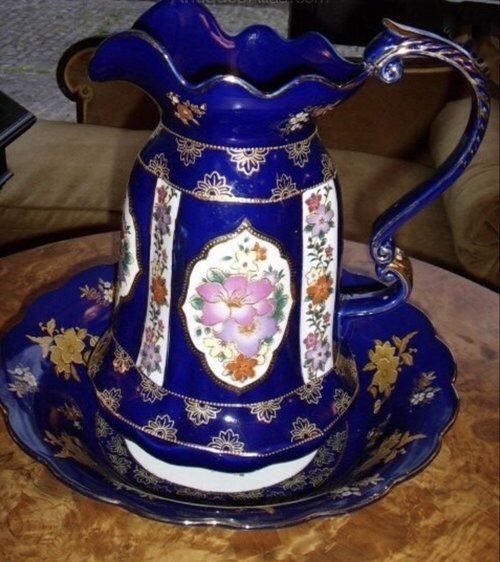
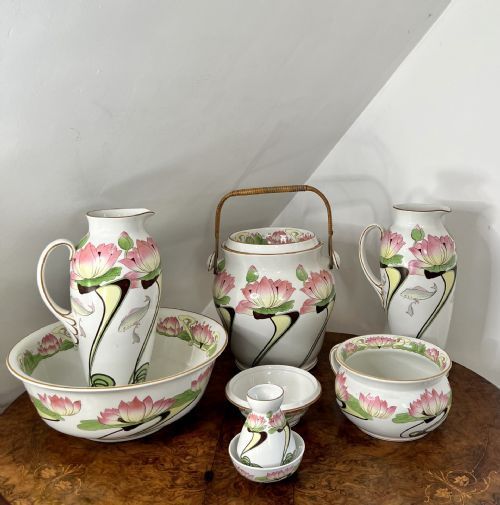
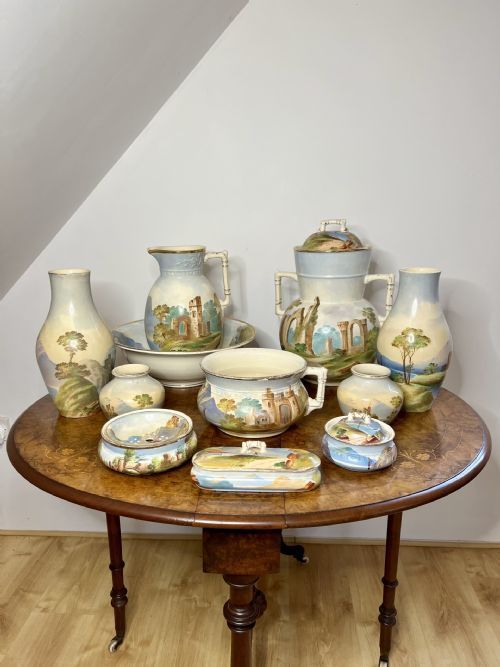
Ceramic wash sets, sometimes called washstand or basin sets, formed an essential part of nineteenth and early twentieth century bedroom furniture before indoor plumbing became universal. They were frequently potted by notable manufacturers in earthenware, ironstone, or porcelain, often decorated with transfer printing or hand-painted floral motifs.
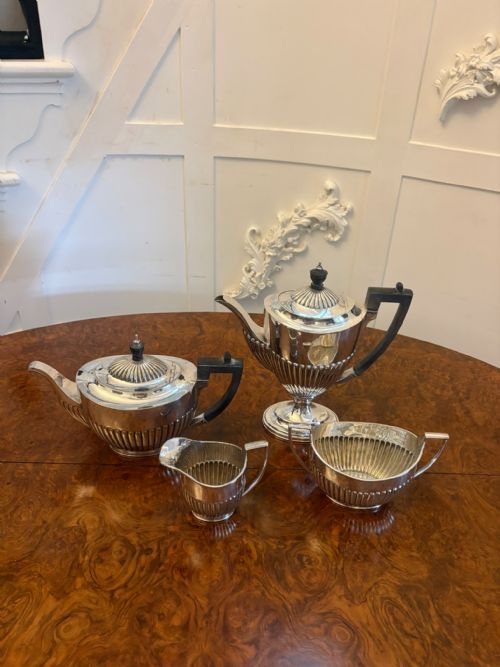
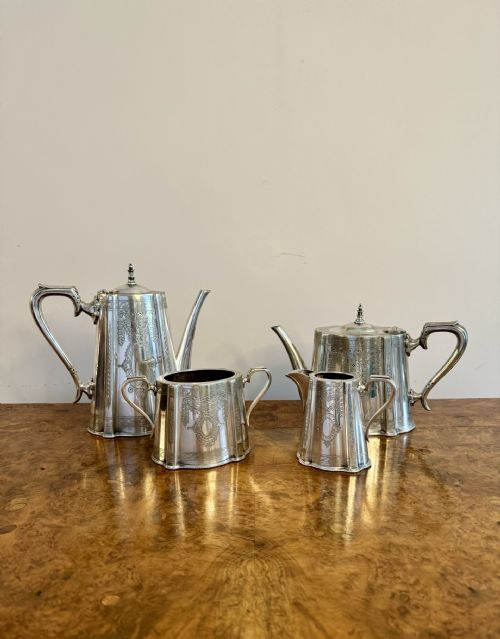
Smaller pairings of jugs and bowls appear in silver, silver plate, glass, and porcelain as part of tea services and table settings. Whether encountered as a large earthenware basin or a delicate silver cream jug and sugar bowl, these sets combine practical daily utility with period decorative styles.
How they were made
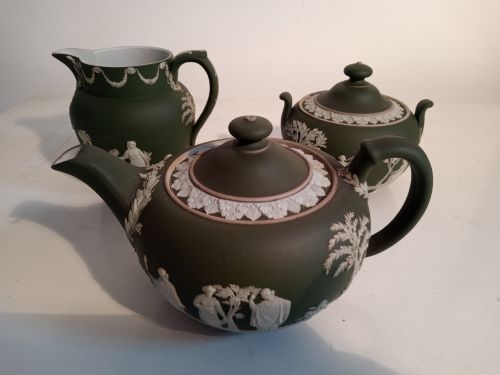
Pottery sets relied on traditional earthenware, ironstone, and porcelain bodies shaped on wheels or pressed in moulds, then finished with glazes ranging from cobalt blue to flow blue and enamels. Ironstone provided a durable, heavy body suitable for large wash basins, while finer porcelain and stoneware suited tea services and decorative Art Nouveau pieces.
Metal sets utilised silver plate, sterling silver, or Sheffield plating over base metals, shaped through smithing, casting, and ornate detailing like grapevine embossing or gilt accents. Glass counterparts employed cranberry glass, crystal, and moulded Bristol blue glass, showcasing nineteenth-century glassblowing and cutting techniques.
Some Victorian bedroom sets even included matching soap dishes and tooth-brush vases, ensuring morning routines came with a heavy dose of matching ceramics.
What varies in quality
Quality in these sets rests upon the crispness of the moulding, the depth and clarity of transfer printing or hand painting, and the integrity of the glaze or metal plating. Maker attribution, such as pieces bearing marks from Doulton, Masons, or Walker and Hall, distinguishes standard utility ware from finer workshop production.
The survival of complete sets with matching jugs and basins, or intact tea service components without replacement pieces, elevates a set's desirability. Substantial weight in ironstone bodies and refined chasing on silver plated metalwork further separate superior examples from ordinary production.
Minton·Masons Ironstone·Wedgwood·Walker and Hall·Doulton Burslem·Royal Davenport·Doulton Lambeth·Joseph Craddock·Benjamin Smith·Mappin and Webb
The Antique Jug and Bowl Glossary
- Flow blue
- A cobalt blue transfer printing technique where the colour intentionally blurred into the white glaze during firing, creating a soft, misty appearance popular in the nineteenth century.
- Ironstone
- A patented hard-wearing ceramic body developed in the early nineteenth century that bridges the gap between earthenware and porcelain.
- Sheffield plate
- An early form of composite metal made by fusing a thin sheet of silver to a thicker copper core, common in Georgian and early nineteenth century holloware.
- Wrythen
- A decorative spiral moulding or twisting pattern often found in Georgian glassware and ceramics.
- Washstand
- A specialised piece of bedroom furniture designed to hold the basin, jug, and associated toilet accessories.
Antique Jug and Bowl: Frequently Asked Questions
What were antique jug and bowl sets used for?
Large ceramic jug and bowl sets served personal hygiene needs in the bedroom before plumbed bathrooms became common, holding water for washing face and hands. Smaller matching jugs and bowls functioned on the dining table or tea tray to hold cream and sugar.
Over time, these functional sets evolved from daily necessities into decorative display pieces. Many now survive as decorative accents on washstands or as completed table services.
How do I date an antique jug and bowl set?
Dating relies on maker marks stamped or printed on the base of ceramic pieces, stylistic cues like Art Nouveau curves or Georgian proportions, and the specific materials used. Registration marks and manufacturer ciphers can often narrow production down to a specific decade.
Heavier ironstone bodies and flow blue patterns point toward the mid nineteenth century, while lighter Edwardian aesthetic choices and silver plate indicate later Victorian or twentieth century manufacture.
Are jug and bowl sets always ceramic?
While most large bedroom wash sets are earthenware, ironstone, or porcelain, smaller jug and bowl combinations appear in sterling silver, silver plate, and various coloured glasses. Georgian and Victorian tea sets frequently paired silver or plated cream jugs with matching sugar bowls.
Glass examples include cranberry glass, Bristol blue, and lead crystal, expanding the range of materials beyond traditional pottery.
How can I display an antique wash set safely?
Displaying a large bedroom jug and bowl set requires a sturdy surface such as a dedicated washstand, sideboard, or low table that can safely support the combined weight of the ceramic pieces. Placing the jug securely inside the basin prevents accidental tipping and saves space.
For smaller tea service jugs and sugar bowls, enclosed cabinets or dedicated trays protect delicate handles and thin metallic surfaces from daily wear and dusting.