

Antique Jewellery in Box
These pieces of antique jewellery in box range from silver trinket cases to miniature mahogany chests designed to hold valuables safely.
Antique Jewellery in Box
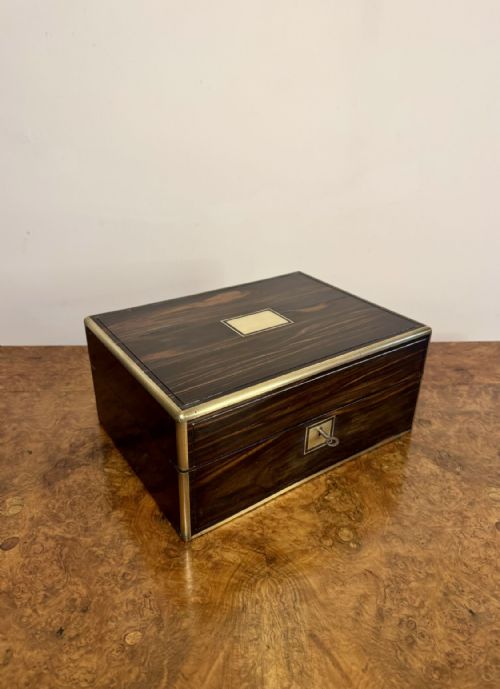
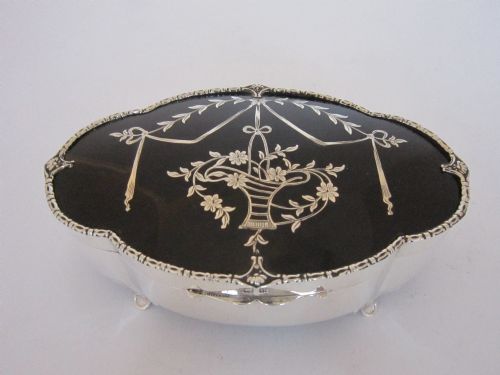
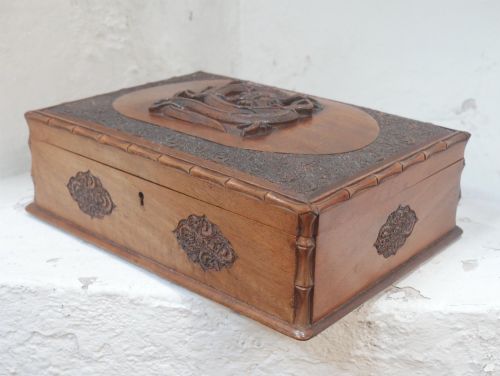
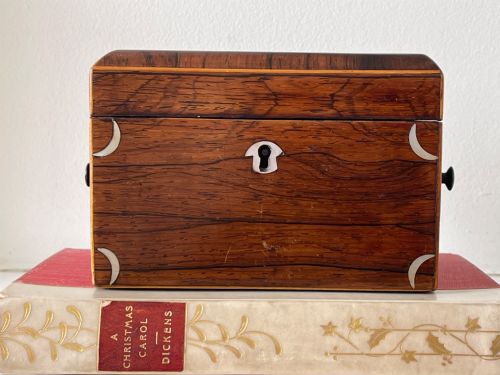
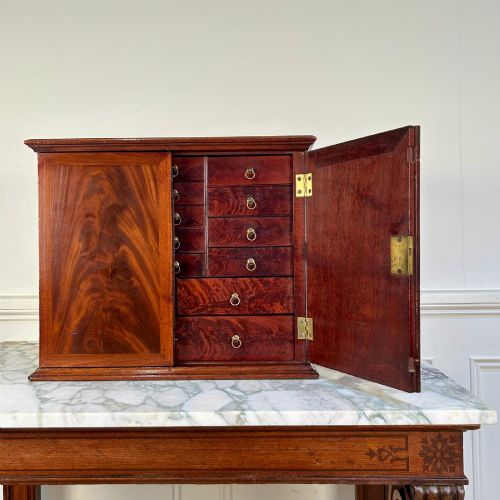
When searching for antique jewellery in box, collectors encounter various forms including silver trinket caskets, rosewood vanity cases, and miniature chests. The selection spans the Victorian and Edwardian eras alongside George V pieces, offering both tabletop display boxes and travel-friendly designs.
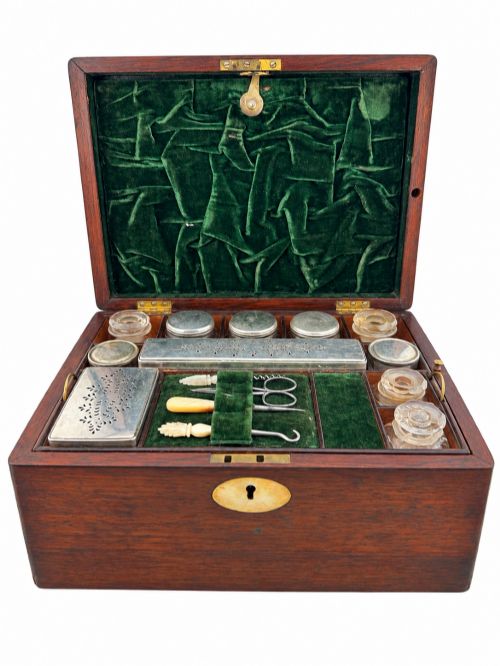
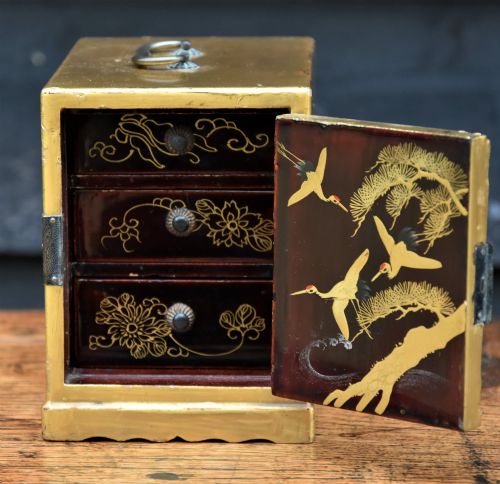
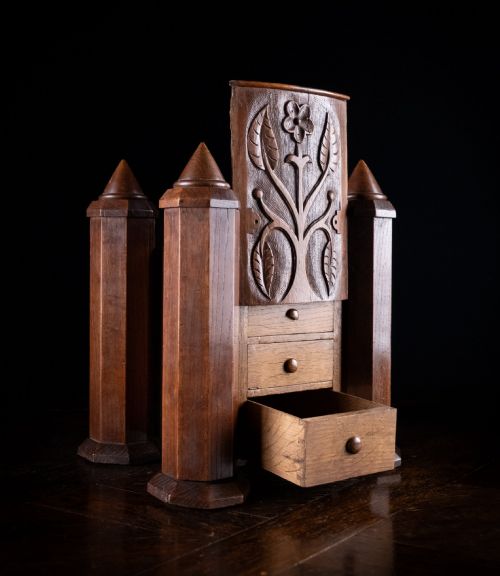
Most items serve as dedicated receptacles for personal ornaments, utilising fitted interiors, velvet linings, or compartments for rings and brooches. Miniature furniture pieces, such as apprentice chests of drawers, also appear within this category to store small treasures.
How they were made
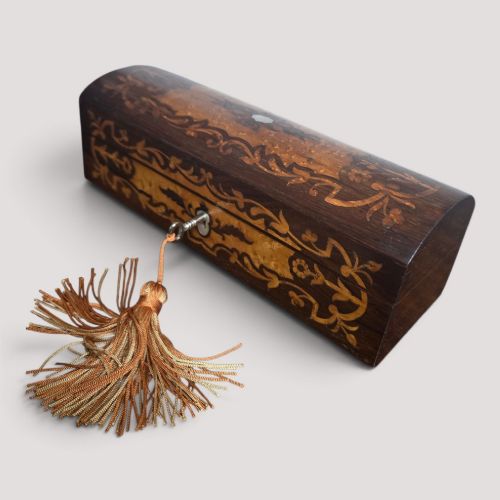
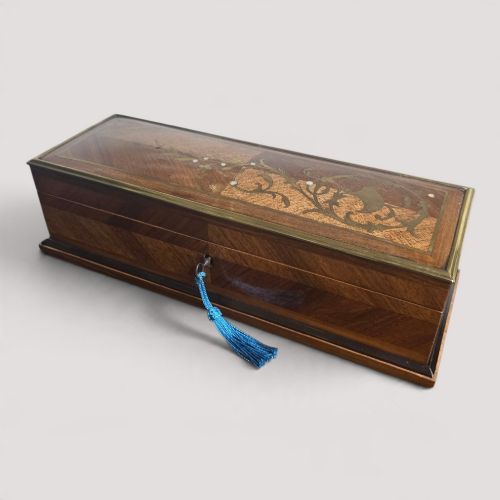
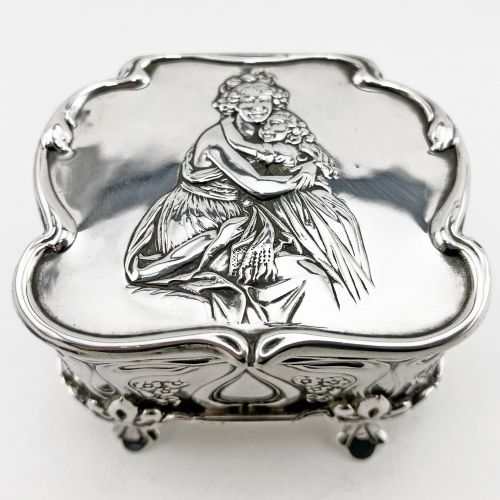
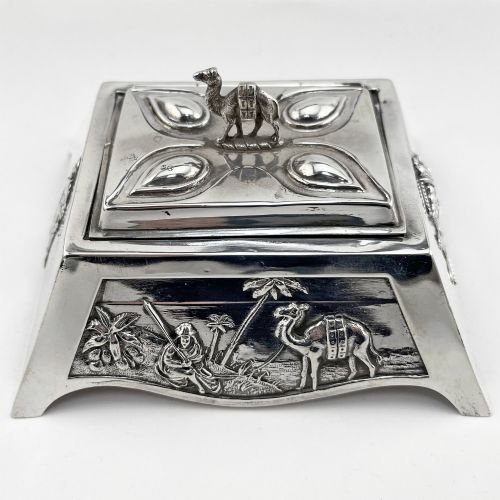
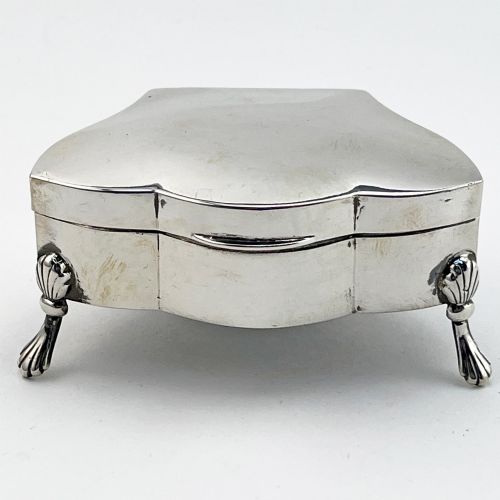
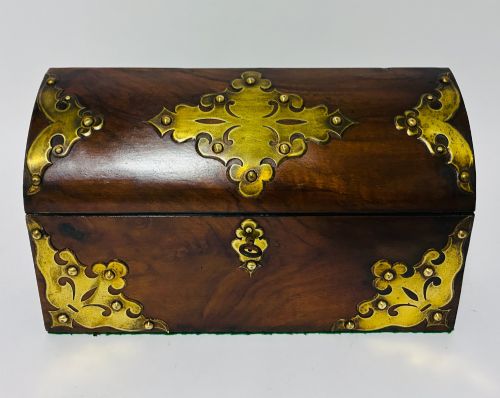
Construction relies on traditional cabinet-making timbers like mahogany, walnut, rosewood, and oak, often paired with brass mounts or intricate marquetry. Silver workers utilised sterling silver for hinged trinket boxes, frequently incorporating tortoiseshell, guilloche enamel, or mother-of-pearl inlays.
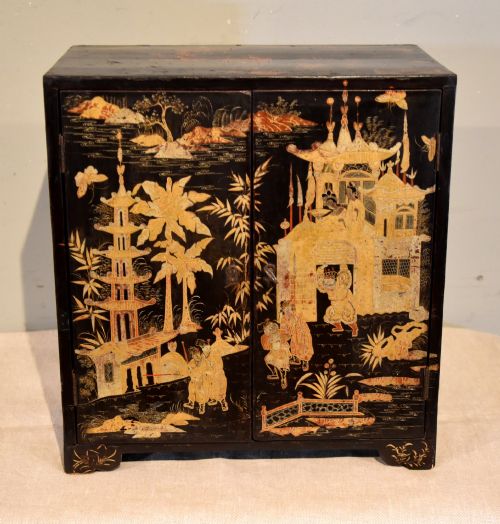
Lacquerwork and Chinoiserie finishes demonstrate specialised Asian and European decorative techniques applied to wooden foundations. Leather and crocodile skin coverings also protect structured wooden frameworks intended for travel and daily use.
Antique Jewellery in Box Retail Price Guide 2026
Typical asking prices for jewellery in box among the pieces listed under this phrase on Sellingantiques today, from the lower quarter to the upper quarter. They describe what is for sale here now, not the wider market.
Items span the 18th, 19th, and early 20th centuries, including Victorian and Edwardian periods.
What varies in quality
Distinction across the range lies in the precision of the joinery, the thickness of the silver gauge, and the intricacy of decorative surface work. Finer examples display meticulous hand-carving, delicate micro-mosaic panels, or well-preserved tortoiseshell sections without warping.
Internal fittings also indicate standard, where original silk linings, functional locks with matching keys, and signed maker marks elevate the piece. Plain or mass-produced containers sit lower down the scale compared to bespoke artisan creations.
Mappin & Webb·Deakin & Francis·Ollivant & Botsford·Tahan·Susse Freres·J C Vickery
The Antique Jewellery in Box Glossary
- Trinket Box
- A small container designed specifically for holding rings, pins, and minor personal ornaments. These often feature hinged lids and lined interiors.
- Tortoiseshell
- The mottled brown and amber shell of certain sea turtles, used historically as a decorative veneer on silver boxes. It is frequently paired with piqué silver inlay.
- Guilloche Enamel
- A decorative technique where geometric patterns are machine-engraved into metal and covered with translucent enamel. This finish appears frequently on Edwardian silver dressing table boxes.
- Apprentice Piece
- A miniature item of furniture demonstrating the skill required for a craftsman to join a guild. These small chests often double as jewellery storage.
- Marquetry
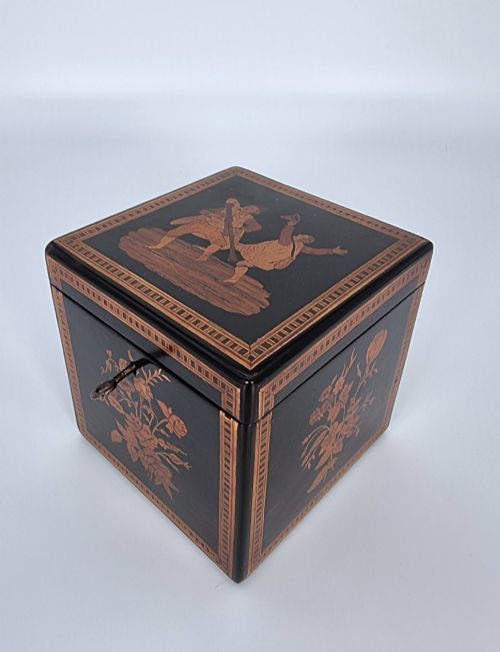
- The art of applying pieces of veneer to a structure to form decorative patterns. Sorrento examples often utilise this method to depict architectural scenes.
Antique Jewellery in Box: Frequently Asked Questions
What fits inside an antique trinket box?
These small containers suit rings, brooches, cuff links, and delicate necklaces. Their velvet or silk linings protect fragile metalwork from scratches.
Larger versions accommodate pocket watches and multiple pairs of earrings within partitioned trays or padded compartments.
How do I care for wooden jewellery boxes?
Keep wooden surfaces away from direct sunlight and steady heat sources to prevent timber from splitting. Apply appropriate furniture wax sparingly to maintain the finish.
Check interior linings regularly for dust, using a soft brush rather than liquid cleaners to preserve antique fabric.
How are silver jewellery boxes dated?
Sterling silver items usually carry British hallmark stamps indicating the assay office, metal purity, and date letter. These marks pinpoint the exact year of manufacture.
Pieces lacking silver hallmarks rely on stylistic clues, timber choice, and construction methods to determine their approximate period.
Were miniature chests used for jewellery?
Miniature chests of drawers and apprentice pieces served both as display items and practical receptacles for small valuables. Their scaled-down drawers kept loose ornaments organised.
Their sturdy wood construction made them durable enough for daily desktop use over many generations.