




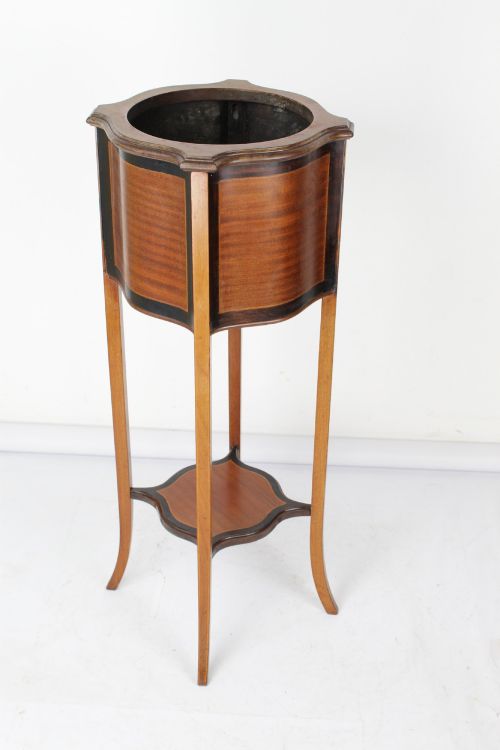
Antique Jardiniere Pedestal
An antique jardiniere pedestal elevates indoor foliage and display vessels, combining structural timber or metal with ornamental ceramic or stone pots.
Antique Jardiniere Pedestal
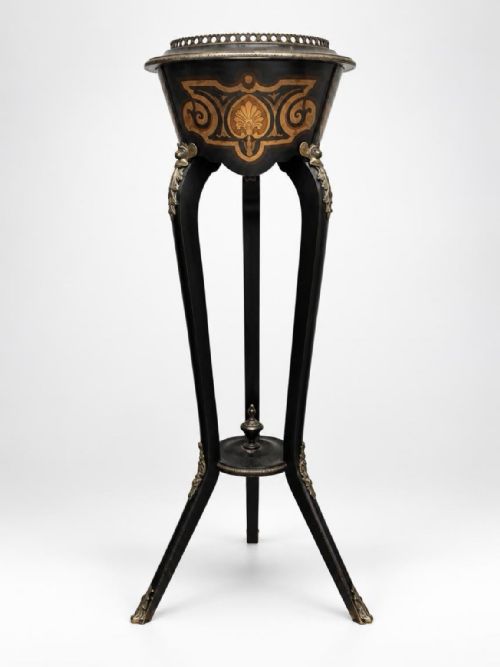
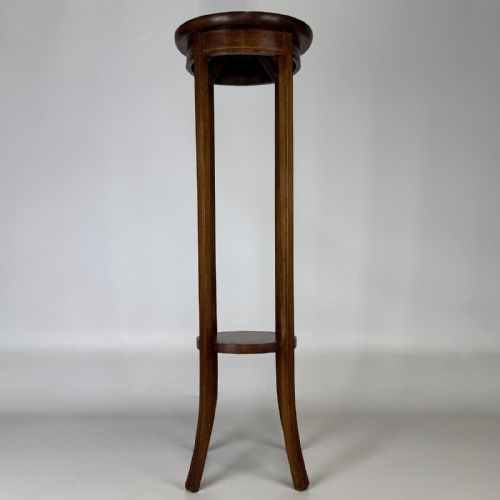
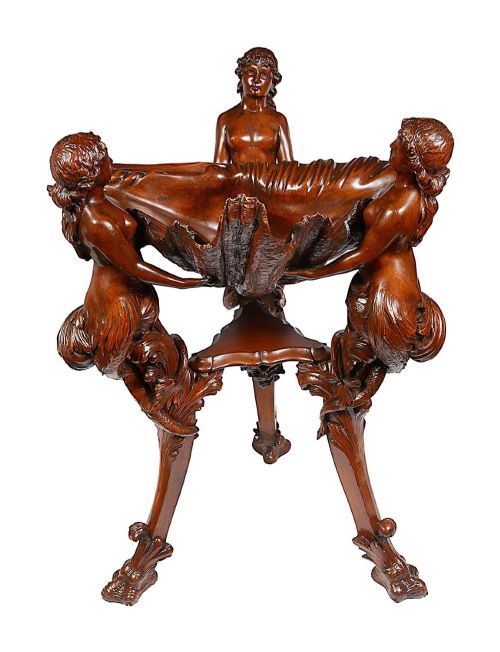
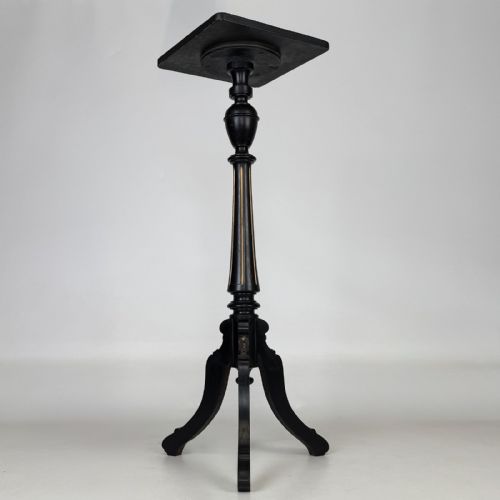
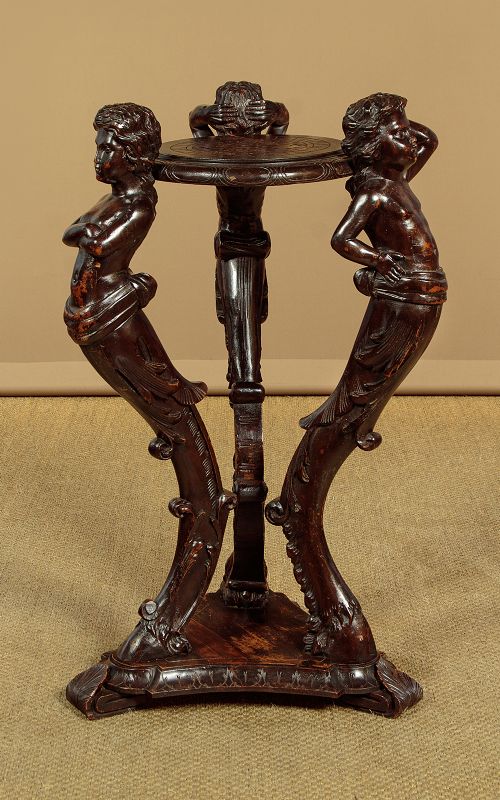
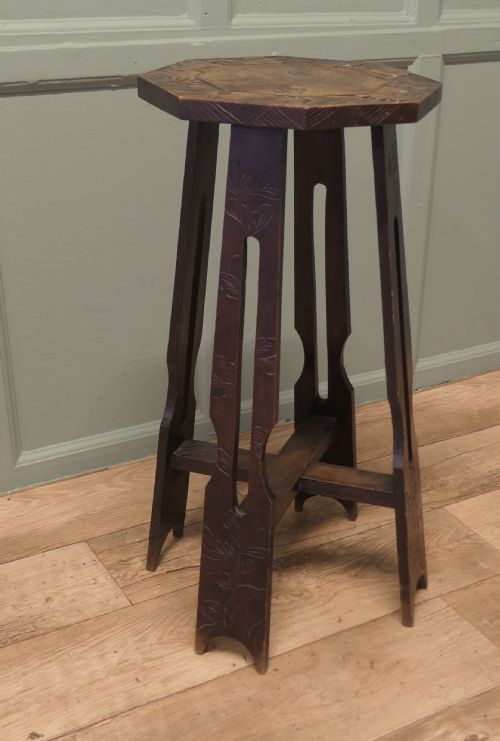
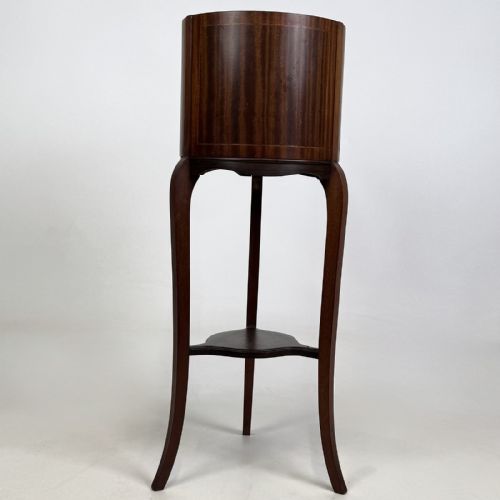
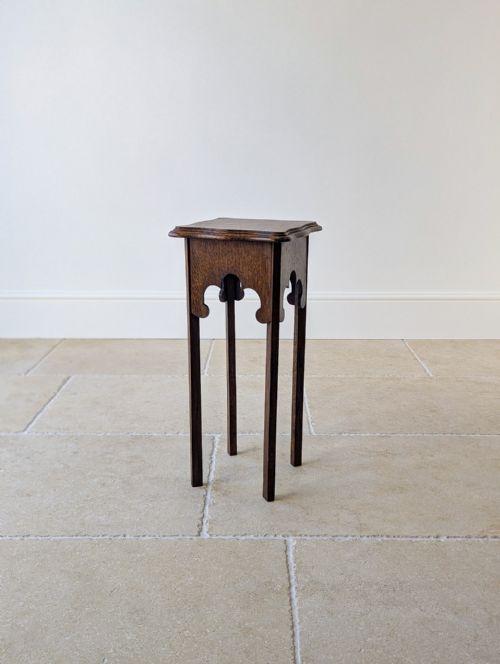
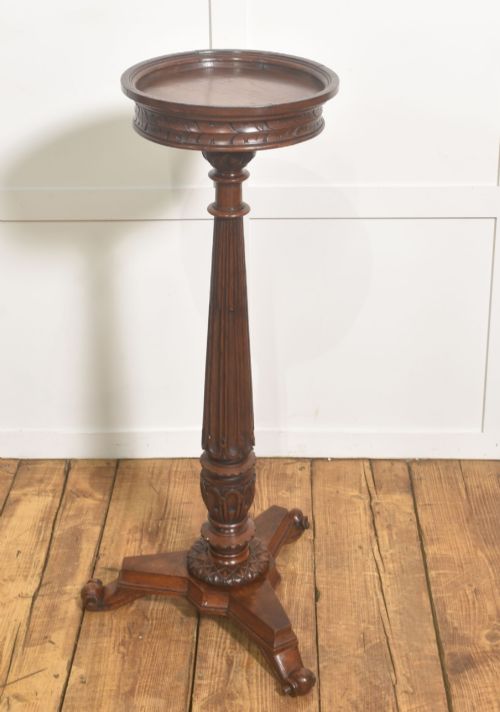
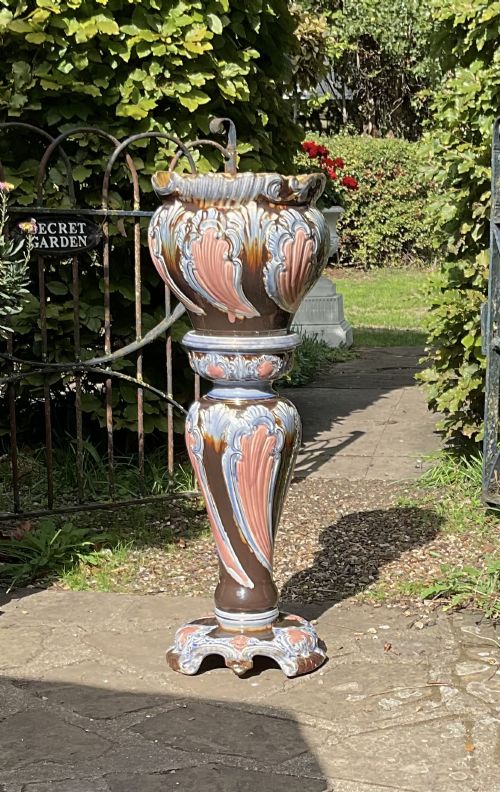
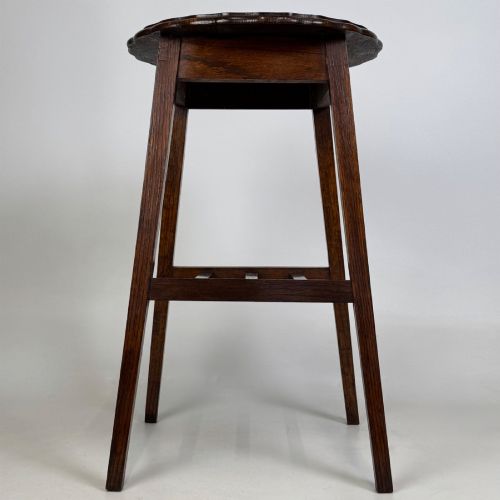
When searching for an antique jardiniere pedestal, buyers encounter plant stands, torchères, and dedicated planter bases dating from the Victorian and Edwardian eras back to the Georgian period. The versions most commonly met on this page include tall mahogany or oak plant stands alongside marble-top oriental stands and glazed ceramic planters.
Makers and workshops constructed these pieces to support heavy terracotta, majolica, or cast-iron vessels indoors and in conservatories. Surviving examples incorporate separate stands paired with brass, bronze, or ceramic bowls as well as unified pedestals designed specifically for botanical display.
Materials and construction
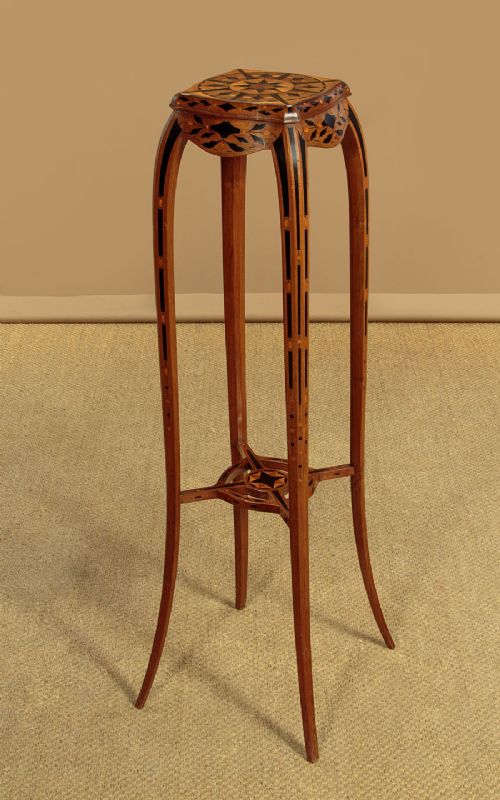
Cabinetmakers utilised dense timbers such as mahogany, walnut, oak, and satinwood, frequently employing inlay and marquetry for surface decoration on Edwardian and Georgian pieces. Metal versions rely on cast iron, brass, bronze, and dinanderie embossed techniques.
Stone and ceramic elements define a significant portion of these supports, featuring inset marble tops, majolica glazed earthenware, and terracotta bodies. Artisans combined these rigid materials with sturdy tripod bases or columnar plinths to bear substantial weight.
Antique Jardiniere Pedestal Retail Price Guide 2026
Typical asking prices for jardiniere pedestal among the pieces listed under this phrase on Sellingantiques today, from the lower quarter to the upper quarter. They describe what is for sale here now, not the wider market.
Materials span hard woods, satinwood inlay, cast iron, marble, and hand-carved oriental timbers.
Judging execution and finish
Quality rests in the crispness of hand carving, the precision of satinwood inlay, and the structural integrity of joints connecting tall shafts to heavy bases. Pieces featuring original paint surfaces, untouched patination, or signed bronze mounts command greater admiration from collectors.
The integration between the top surface and the supporting column distinguishes standard utility stands from finer decorative works. Superior examples maintain balance and stability despite slender proportions and heavy stone or ceramic loads.
Liberty of London·Burmantofts Art Pottery·A Moreau
The Antique Jardiniere Pedestal Glossary
- Jardiniere
- An ornamental pot or stand designed to hold a plant or flower arrangement. They appear in ceramic, brass, and majolica.
- Torchere
- A tall, slender stand originally intended to support a lamp or candle, frequently utilised today as a plant pedestal.
- Majolica
- A type of earthenware glazed with tin-opacified lead glaze, popular during the nineteenth century for colourful garden urns and planters.
- Dinanderie
- An alloy of brass or copper associated with medieval and later European metalwork, often embossed with intricate decorative motifs.
- Marquetry
- Decorative veneer applied to furniture in geometrical patterns or pictorial designs using various coloured woods.
Antique Jardiniere Pedestal: Frequently Asked Questions
What is an antique jardiniere pedestal used for?
These pieces serve primarily to elevate potted plants, ceramic bowls, and decorative urns off the floor to display them effectively.
Historically, they placed greenery within domestic drawing rooms, entrance halls, and glass conservatories to protect flooring and catch drainage.
How do I date an antique plant stand?
Dating relies on examining the timber species, construction joints, and decorative styles such as Arts and Crafts or French Rococo Revival.
Victorian and Edwardian pieces often display machine-assisted milling alongside hand finishing, whereas Georgian items show entirely hand-wrought joinery.
Can these stands support heavy pots?
Most antique pedestals were built specifically to bear the substantial weight of damp soil, terracotta, and water-filled ceramic vessels.
Stands featuring tripod bases or wide marble tops offer exceptional stability for larger architectural plants and heavy planters.
Where should I place a pedestal at home?
They fit naturally in corners, empty hallways, or beside windows where potted foliage receives adequate natural light.
Pairing a timber or marble-top stand with a contrasting ceramic jardiniere creates a balanced focal point in a traditional interior.