





Antique Japanese Sword
An antique japanese sword brings centuries of forging tradition and samurai history straight to your study, offering steel and lacquer of remarkable pedigree.
Antique Japanese Sword
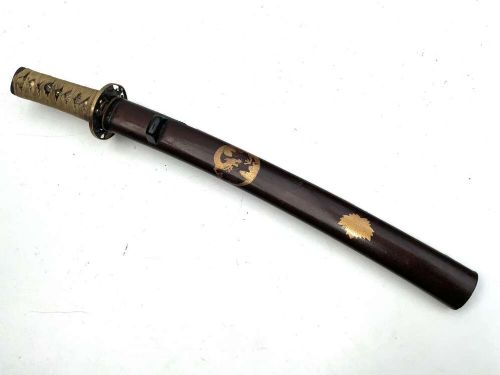
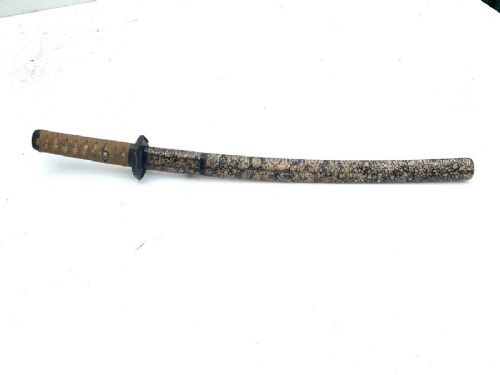
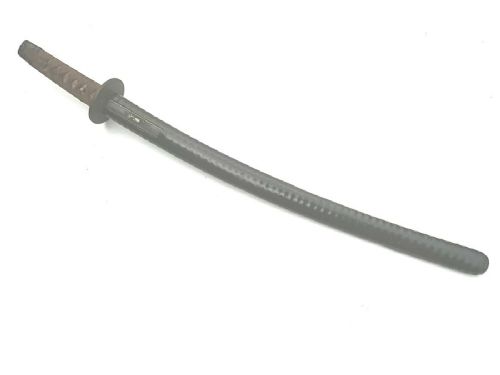
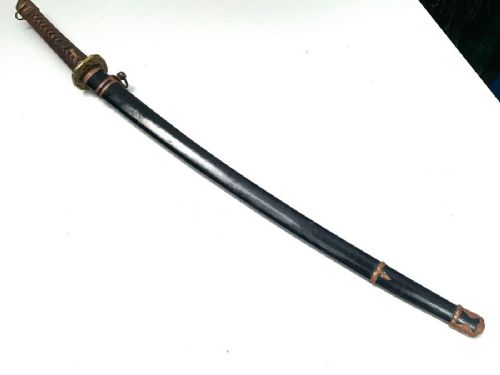
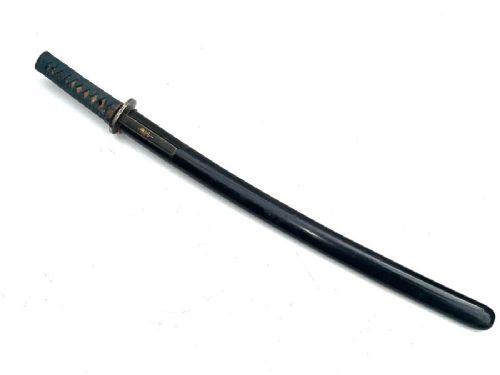
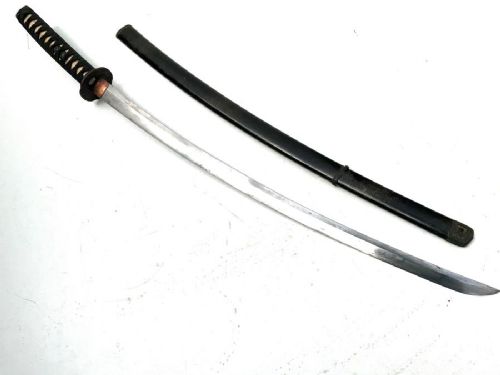
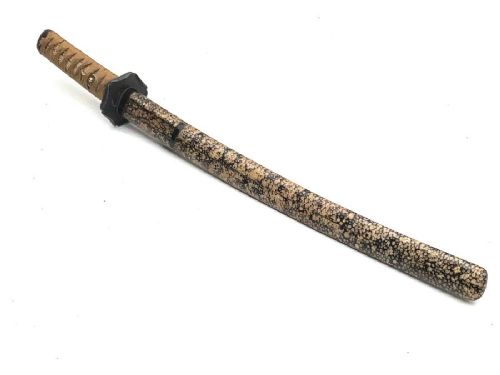
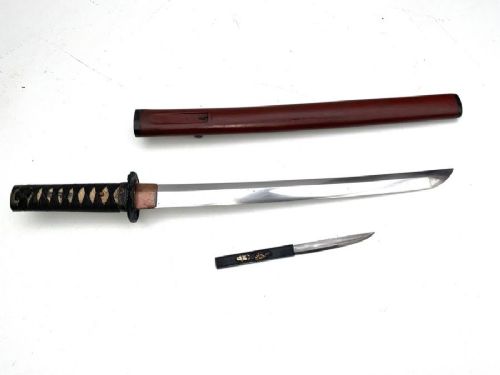
When you search for an antique japanese sword, you encounter edged weapons spanning from pre-sixteenth century blades up to mid twentieth century military pieces. The selection includes long tsuba guards, wakizashi short swords, and katana forms originating across the Muromachi, Edo, Meiji, and Showa periods.
Most examples you meet on this page comprise traditional samurai arms alongside protective mounts and decorative guards. These artefacts reflect distinct historical eras, ranging from early feudal koto work to later military productions.
Materials and construction methods
Blades are forged from steel, paired with mounts utilising wood, lacquered wood, and iron. Artisans incorporated ray skin and rayskin alongside brass components to finish the handles and scabbards.
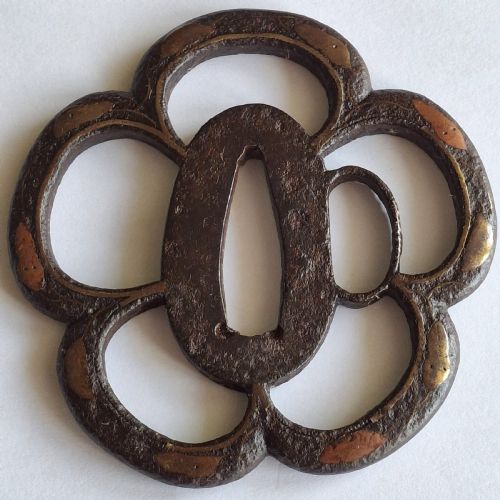
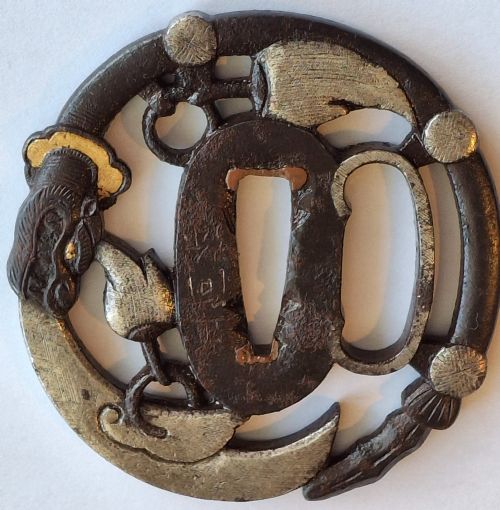
Guards demonstrate metalworking expertise through iron tsuba construction, incorporating copper inlay, cloisonne enamel, and bronze overlays with silver details. These techniques combine structural strength with intricate artistic relief.
Listings feature items spanning from pre sixteenth century swords up to Showa period military pieces.
Factors separating different examples
Quality rests upon the preservation of the steel blade and the complexity of the mountings. Early koto pieces and verified signatures by makers like Yukihiro distinguish top tier examples from later military issues.
Artistry in the furniture matters greatly, seen in iron guards featuring high relief dragon motifs and detailed folklore carvings. The integration of copper, bronze, and silver inlay elevates the refinement of individual mountings.
Yukihiro
The Antique Japanese Sword Glossary
- Wakizashi
- A traditional Japanese short sword carried by samurai warriors, often paired with a longer katana. It served as a secondary weapon and symbol of status.
- Tsuba
- The guard situated at the base of the blade on Japanese swords, protecting the hand. These iron or bronze pieces frequently display elaborate carving and metal inlay.
- Katana
- A long, curved single edged sword traditionally utilised by samurai. This form represents the quintessential edged weapon of feudal Japan.
- Tachi
- An earlier style of Japanese sword worn suspended edge downwards from the waist. It typically possesses more curve than the later katana.
- Koto
- A term designating swords forged prior to the new sword period of the late sixteenth century. These older blades are prized for their historical antiquity.
Antique Japanese Sword: Frequently Asked Questions
How do I identify periods?
Dating relies on blade geometry, smith signatures, and mounting styles associated with eras like the Edo or Muromachi periods.
Examining the iron tsuba and lacquer work provides further clues to the exact manufacturing century.
What is a wakizashi?
A wakizashi is a traditional short sword worn by samurai alongside a longer blade as part of the daisho pair.
These pieces were kept indoors and utilised for close quarters combat.
How were tsuba guards used?
The tsuba functioned primarily to protect the user's hand from sliding forward onto the edge during a strike. It also provided essential balance to the weapon.
Many examples doubled as miniature canvases for metalworkers to display artistic skill through carvings of dragons and folklore.
Can I display these safely?
Displaying these items requires secure wall brackets or dedicated horizontal stands designed for edged weapons. Proper support protects both the blade and the lacquered wood scabbard.
Maintaining stable humidity prevents corrosion on the exposed steel and protects organic elements like ray skin.