

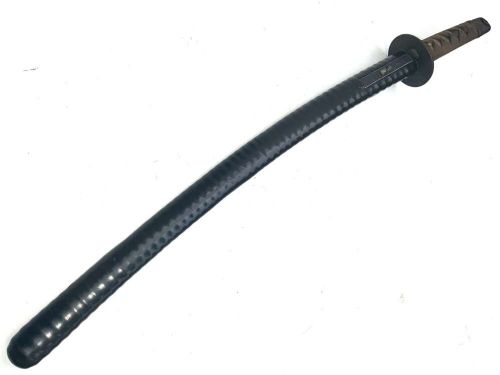
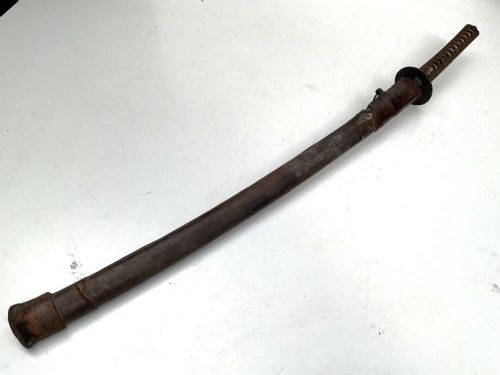
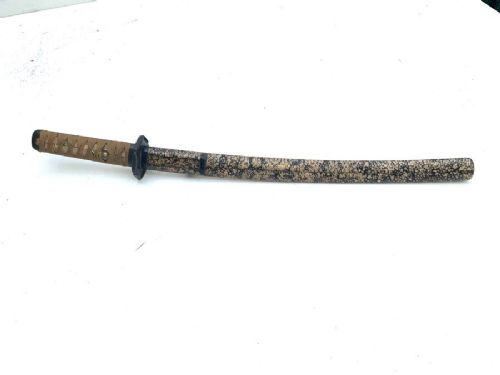
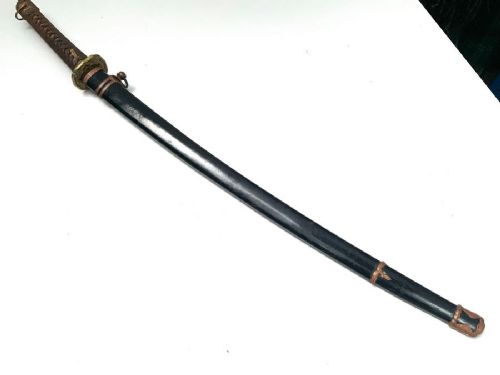




Japanese Katana Sword
A Japanese katana sword carries centuries of steel tradition, designed for balance and combat before becoming an item for collectors.
Japanese Katana Sword
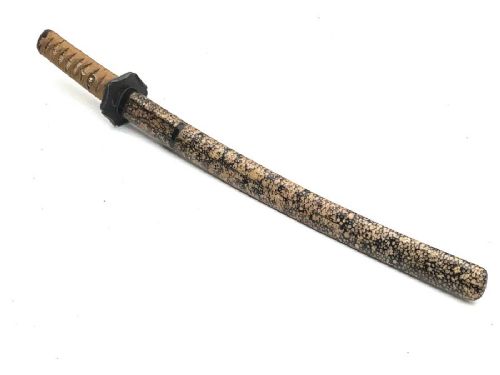
When you search for a Japanese katana sword, you encounter edged weapons and fittings spanning from the Muromachi period through to the Showa period. The selection includes complete samurai swords, older tachi blades, and specific military examples from the twentieth century.
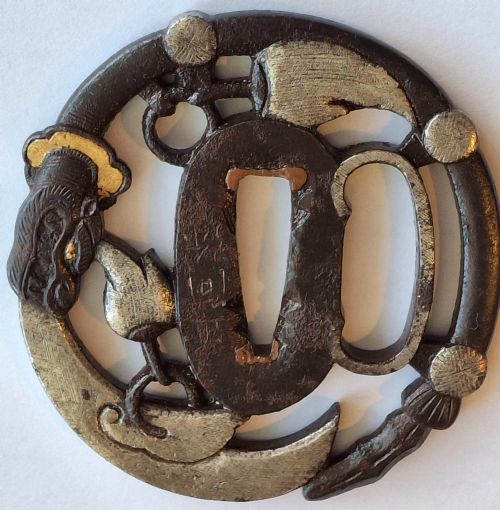
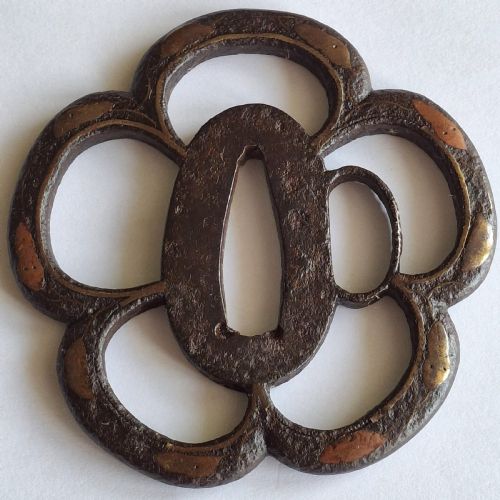
You are most likely to meet pieces originating from the Edo period and World War II era, alongside individual components such as tsuba guards made of iron and bronze. These objects range from fighting weapons to highly decorated ceremonial pieces.
The materials visible across these items reflect traditional craftsmanship, utilising steel, iron, wood, ray skin, lacquer, brass, and silver. Each sword or guard tells a story of its specific period of manufacture and functional use.
How they were made
Blades were forged from folded steel, creating complex grain patterns along the cutting edge. Smiths combined hard and soft metals to ensure the weapon held a sharp edge while remaining resilient against shock.
Mountings and guards involved specialised metallurgy, combining iron, bronze, and copper inlay. Artisans shaped ray skin and lacquered wood for the handles, securing them with intricate wrapping techniques.
Surface decoration frequently incorporated high relief carving, enamel work, and silver overlay. Signed works indicate individual smiths or metalworkers who specialised in particular stylistic traditions.
Japanese Katana Sword Retail Price Guide 2026
Typical asking prices for japanese katana sword among the pieces listed under this phrase on Sellingantiques today, from the lower quarter to the upper quarter. They describe what is for sale here now, not the wider market.
Artisans frequently hid tiny mythological figures, dragons, and herons inside the metalwork of sword guards.
What varies in quality
The distinction between ordinary and superior pieces lies in the refinement of the blade's forged steel and the complexity of its temper line. Master smiths achieved disciplined geometry and balance that lesser workshops could not replicate.
Fittings such as tsuba guards demonstrate varying degrees of artistic ambition, moving from utilitarian ironwork to detailed copper inlay and cloisonne enamel. Signed works and deep relief carving elevate the status of individual components.
Preservation of the original materials, including the lacquer on the scabbard and the ray skin on the grip, determines the integrity of the piece. Intact signatures and historical provenance further separate standard military issues from master-grade swords.
The Japanese Katana Sword Glossary
- Katana
- A traditional Japanese long sword designed for slashing, characterised by a curved, single-edged blade. It is worn edge-up in the sash.
- Tsuba
- The guard located between the grip and the blade of a Japanese sword, protecting the hand. These metal plates often display intricate carving, inlay, or enamel work.
- Tachi
- An earlier style of Japanese sword that is longer than a katana and worn suspended from the belt with the edge facing down. They date back to the Muromachi period and earlier.
- Koto
- A term denoting old swords forged before the Muromachi period. These blades are prized by collectors for their historical significance and specific forging characteristics.
- Gunto
- A Japanese military sword produced for officers and enlisted personnel during the twentieth century, particularly the Showa period. They combine traditional blade shapes with Western-influenced military mountings.
Japanese Katana Sword: Frequently Asked Questions
How do I identify a genuine samurai sword?
Examine the construction of the blade, the presence of a temper line, and any signatures on the tang beneath the handle. Authentic pieces display folded steel grain and traditional mounting materials like ray skin and lacquer.
Consult reference guides or specialists to interpret maker signatures and historical periods accurately. Be aware of modern reproductions that mimic antique patinas.
What is the difference between a katana and a tachi?
A katana is worn through the belt with the edge facing upwards, while a tachi is suspended from cords with the edge facing downwards. Tachi swords are typically older and often associated with the Muromachi period and earlier.
Blade curvature and mounting styles also help distinguish between the two forms. Each weapon was designed for specific styles of combat and horseback use.
How should I care for antique sword steel?
Keep the steel clean and lightly oiled with traditional mineral oil to prevent oxidation and rust. Avoid touching the blade directly with bare skin, as natural oils can damage the metal surface.
Store the sword in a stable environment away from extreme humidity and direct sunlight. Proper mounting care preserves the lacquer and ray skin components.