



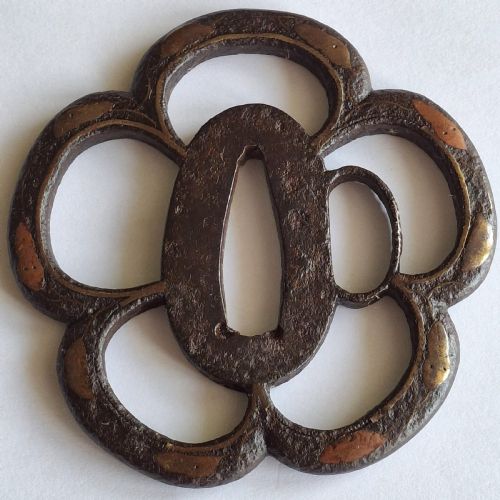

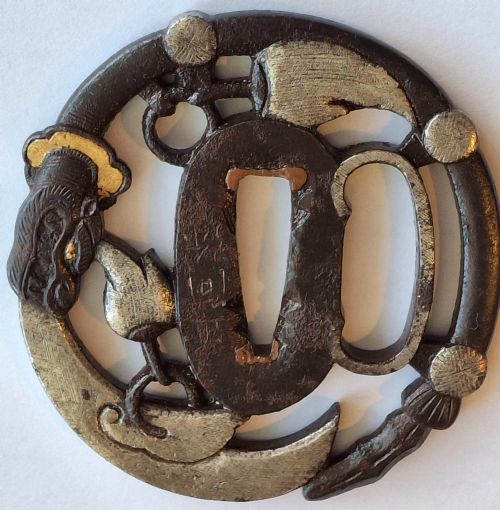

Tsuba Samurai Sword
These tsuba samurai sword pieces are functional guards and complete edged weapons carrying centuries of Japanese metallurgy, offering collectors tangible links to samurai history.
Tsuba Samurai Sword
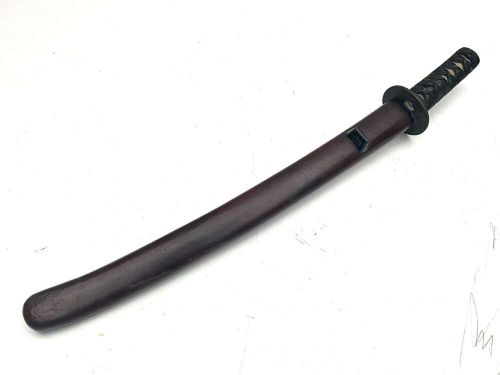
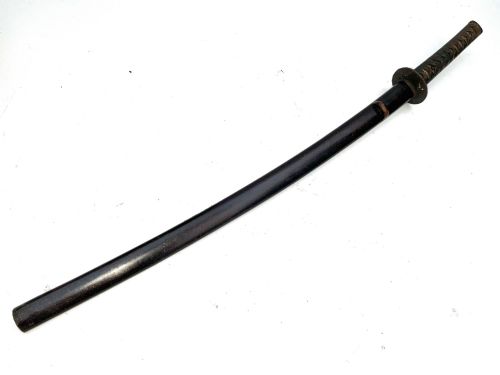
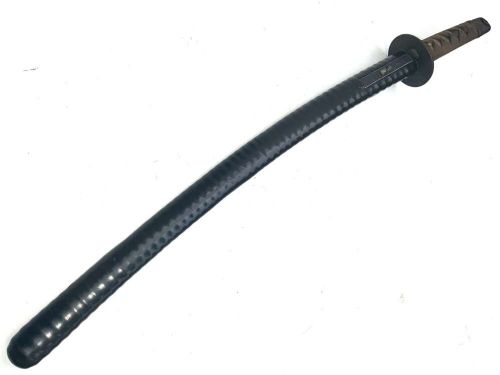
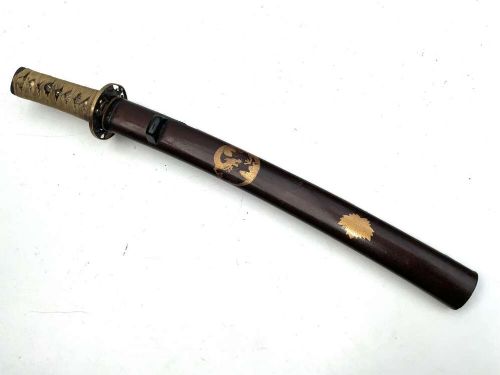
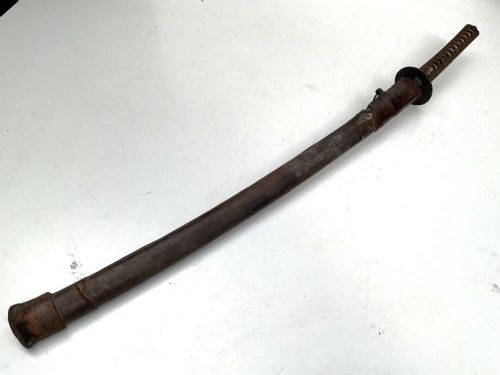
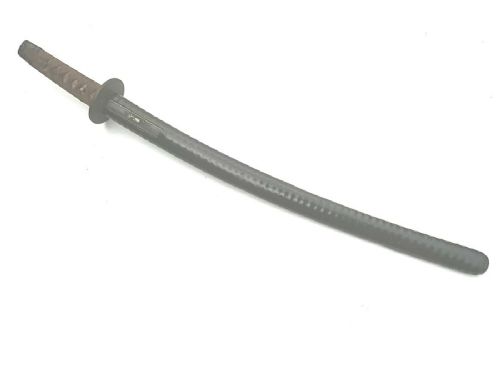
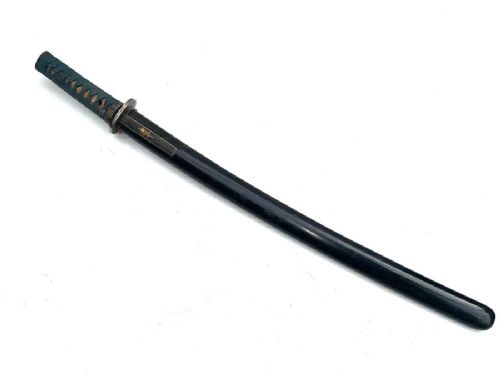
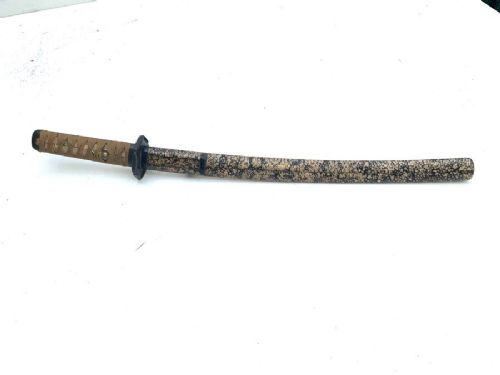
A tsuba samurai sword search covers everything from individual decorative sword guards to complete wakizashi and katana blades housed in traditional mountings. You will regularly encounter iron guards alongside eighteenth-century short swords and twentieth-century military mountings.
The objects span pre-sixteenth century ironwork up to the Meiji period and twentieth-century military pieces, reflecting shifts in Japanese craftsmanship over hundreds of years. Most items on this page concentrate on Edo period creations and mid-twentieth century military hardware.
Form follows function across these edged weapons and fittings, with guards designed to protect the hand while balancing the blade. Collectors find both utilitarian military issues and highly decorative civilian fittings bearing intricate metalwork.
Materials and construction
Iron and steel form the structural core of these blades and guards, forged by metalsmiths who folded and hammered the metal to create resilient structures. Copper alloy, bronze and brass frequently appear as inlay materials or distinct guard plates.
Surface decoration relies on skilled metalworking techniques including high relief carving, silver overlay and delicate copper inlay to depict traditional motifs. Organic elements such as wood, lacquer, leather and rayskin wrap the handles and mountings for grip and protection.
Tsuba Samurai Sword Retail Price Guide 2026
Typical asking prices for tsuba samurai sword among the pieces listed under this phrase on Sellingantiques today, from the lower quarter to the upper quarter. They describe what is for sale here now, not the wider market.
Listings span from pre-sixteenth century ironwork through Edo period craftsmanship to twentieth-century military hardware.
Judging the quality
Quality rests upon the precision of the forging and the depth of the carving in the metalwork, distinguishing standard military production from master metalsmith output. A well-executed guard shows crisp lines in high relief and secure, seamless metal inlay.
The preservation of original surface finishes, patination on iron and bronze, and the integrity of rayskin and lacquer wrappings dictate the standing of a piece. Finer examples retain clear signatures from makers and balanced proportions that demonstrate functional elegance.
The Tsuba Samurai Sword Glossary
- Tsuba
- The Japanese sword guard placed between the blade and handle to protect the hand. It serves as a primary canvas for decorative metalwork and carving.
- Wakizashi
- A traditional Japanese short sword carried by samurai, often paired with a longer katana. These blades date across multiple centuries of feudal history.
- Katana
- A long, curved single-edged Japanese sword designed for slashing, typically used by samurai warriors. Military variants appear in twentieth-century contexts.
- Edo Period
- The historical epoch in Japan lasting from 1603 to 1867, noted for stable governance and flourishing arts. Many guards and mountings originate from this era.
- Meiji Period
- The era spanning 1868 to 1912 marked by the opening of Japan to Western trade and shifts in traditional swordsmanship. Craftsmanship during this time embraced intricate enamel and mixed metals.
- Rayskin
- The skin of stingrays or sharks used traditionally to wrap sword handles beneath silk cords for a secure grip. It provides durable texture on historical mountings.
Tsuba Samurai Sword: Frequently Asked Questions
What is a tsuba guard?
A tsuba is the disk-shaped guard mounted at the base of a Japanese sword blade. Its primary purpose is to shield the user's hand from an opponent's weapon.
Beyond utility, these guards evolved into significant works of art. Smiths decorated them with metal inlay, carving and diverse alloys.
How do I care for iron tsuba?
Iron tsuba require a stable environment with low humidity to prevent rust and degradation. Keeping the metal clean and lightly oiled helps preserve the historic patina.
Avoid abrasive cleaners or modern polishes which can strip away centuries of oxidation. Gentle handling ensures the surface remains undisturbed.
How are periods identified?
Dating relies on stylistic clues, construction methods, metal patination and known signatures of smiths. Edo period pieces often display distinct ironworking techniques and traditional motifs.
Twentieth-century military items feature standardised mounts and factory markings associated with wartime production. Comparing structural details helps narrow the era of origin.
Can guards be removed?
Guards are secured between the hilt and blade using a retaining peg called a mekugi. Removing a tsuba requires taking apart the sword mounting carefully.
Collectors generally leave historical mountings intact unless professional conservation is required. Altering antique fittings can damage the structural integrity of the piece.