

Antique Japanese Metal
Antique japanese metal encompasses vessels, figures, and architectural fittings produced in bronze, copper, and enamel during the Meiji and Edo periods.
Antique Japanese Metal
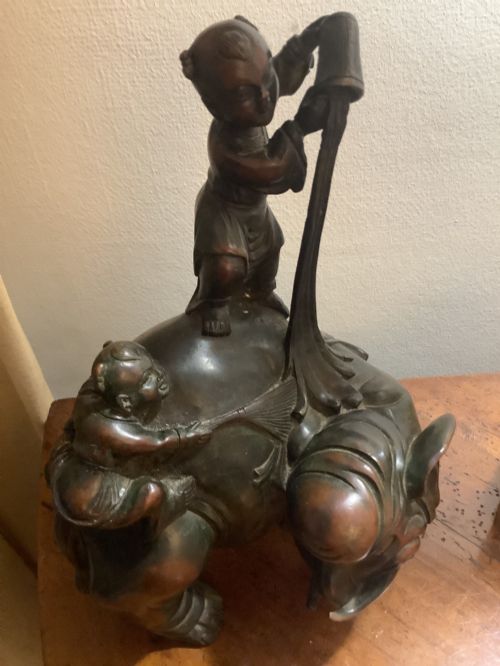
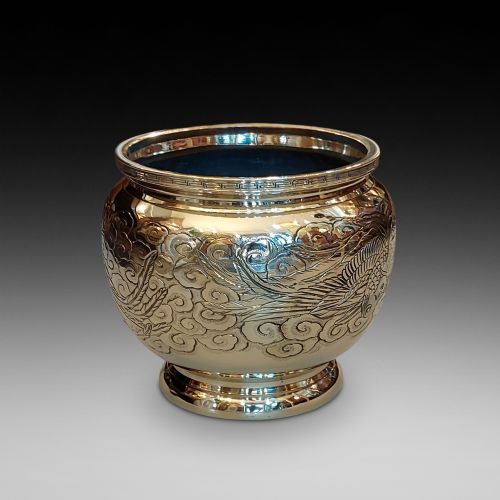
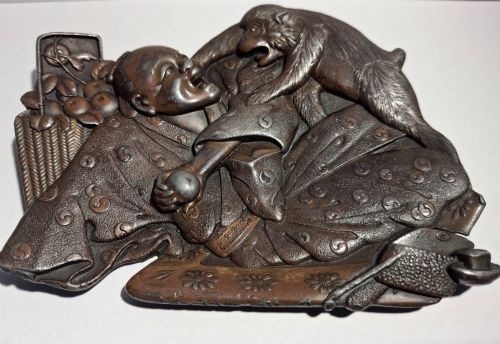
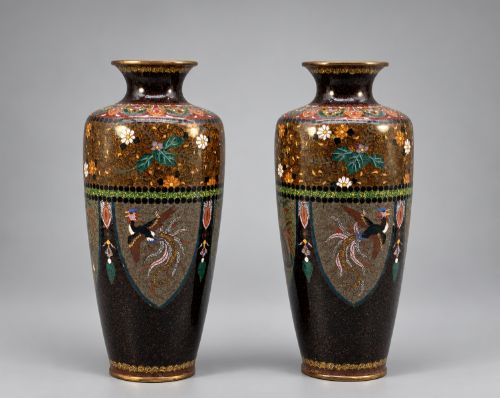
When searching for antique japanese metal, buyers encounter a wide array of objects spanning utility and ornamentation. Vases, decorative chargers, and bronze sculptures dominate the selection, often originating from the Meiji period.
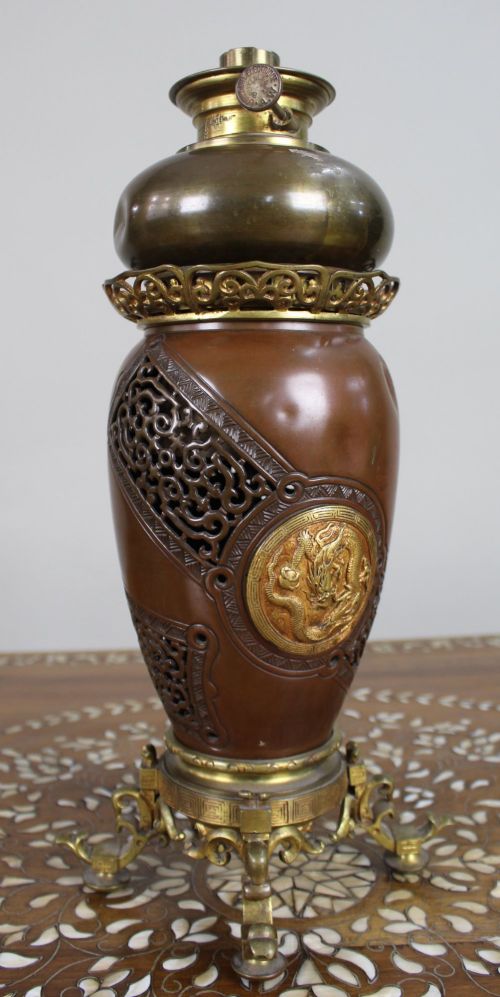
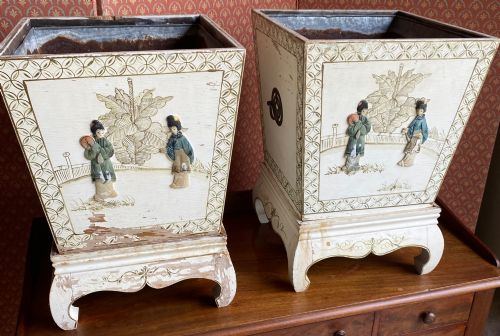
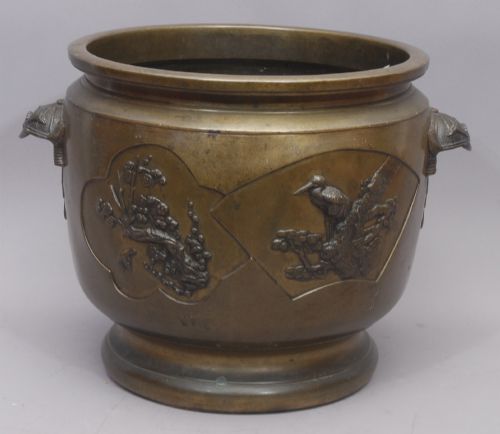
Functional items also appear within this category, including door handles, table lamps, and hibachi jardinières. These works demonstrate the versatility of traditional metalworking techniques applied to everyday interior elements.
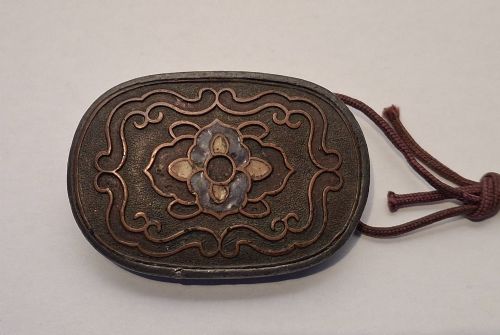
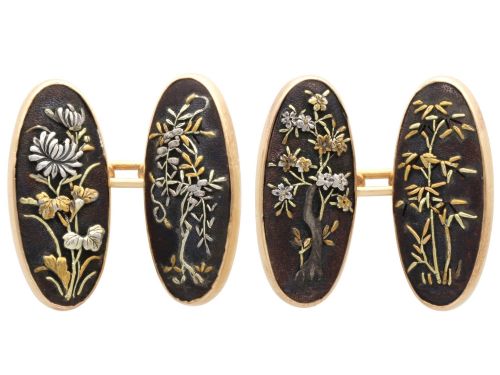
Smaller personal accessories such as ashtrays, netsuke, and cufflinks represent a more intimate side of the craft. Pewter, brass, and silver support intricate surface decoration across these varied forms.
How they were made
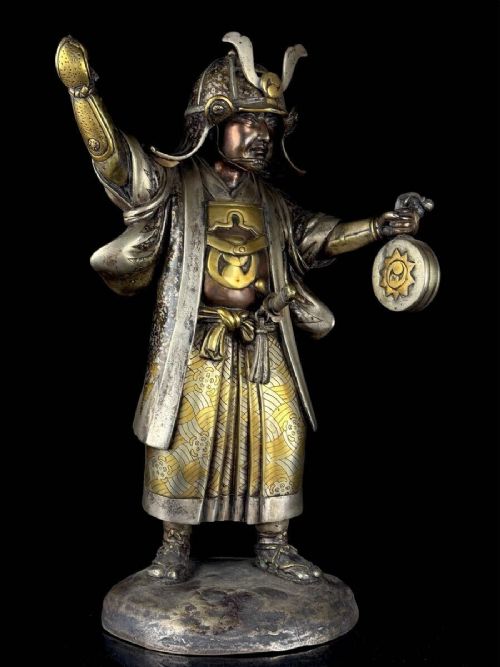
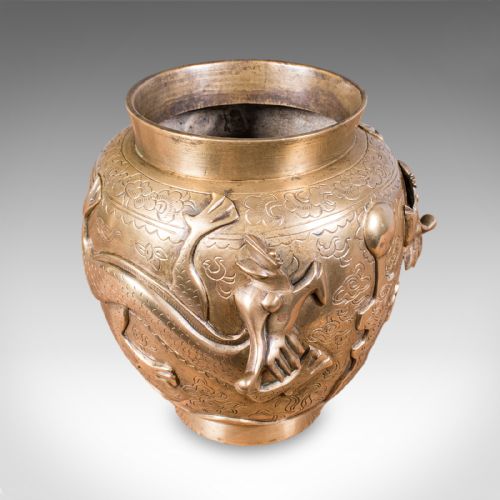
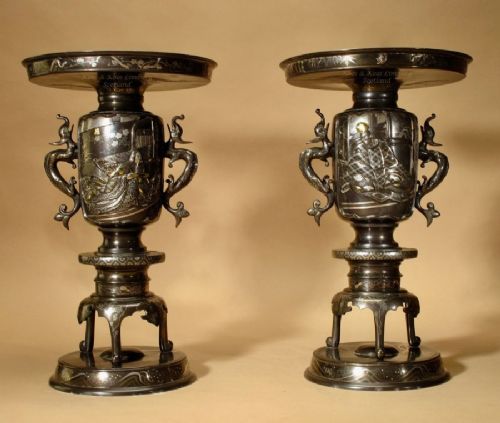
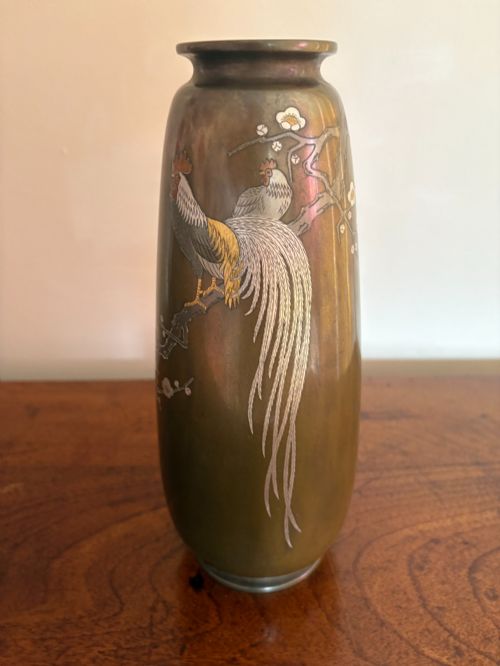
Bronze forms the primary structural foundation for many pieces, shaped through casting and finished with deliberate patination. Artisans frequently applied mixed-metal elements, combining gold, silver, and copper to create contrast on the surface.
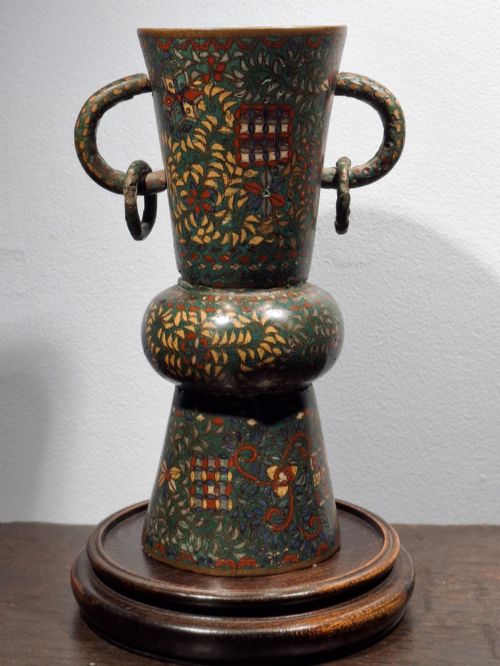
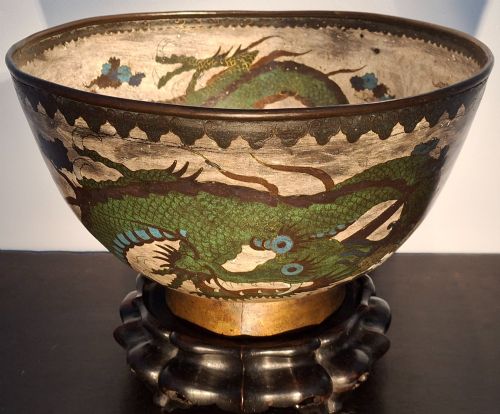
Cloisonne and champleve enamel techniques introduce vibrant colour through glass pastes fired within metal partitions or recesses. These vitreous layers sit flush against bronze or copper bodies, depicting flora, fauna, and narrative scenes.
Antique Japanese Metal Retail Price Guide 2026
Typical asking prices for japanese metal among the pieces listed under this phrase on Sellingantiques today, from the lower quarter to the upper quarter. They describe what is for sale here now, not the wider market.
Listings feature bronze, copper, brass, and cloisonne enamel across both the Meiji and Edo periods.
What varies in quality
The definition and depth of the metal inlay indicate the level of craftsmanship invested in an object. Precision in wire placement for enamel work and the crispness of chased details separate standard production from masterworks.
Signature marks from known artists and workshops elevate certain pieces, reflecting historical attribution. The integrity of the original patina and the absence of structural repair also influence the standing of an item.
Tsukamoto Hikokichi·KANASAWA·Tsunemitsu·Shosai
The Antique Japanese Metal Glossary
- Cloisonne enamel
- A technique where thin metal wires are soldered to a metal base to create compartments filled with coloured glass paste. These cells are then fired and polished to a smooth finish.
- Patinated bronze
- Metal treated with chemical solutions or heat to produce a controlled, aged surface colour. This process enhances the visual depth of cast figures and vessels.
- Okimono
- A standalone Japanese display sculpture intended for placement on a shelf or in a decorative alcove. These figures frequently depict animals, deities, or historical figures in detailed metalwork.
- Hikite
- A recessed door pull handle found on traditional sliding doors. They are often cast in bronze or brass with high-relief ornamentation.
- Shakudo
- A traditional Japanese billon alloy of copper and a small percentage of gold, treated to produce a deep blue-black patina. It provides a dark ground for contrasting gold and silver appliqués.
Antique Japanese Metal: Frequently Asked Questions
How do I identify a Meiji period piece?
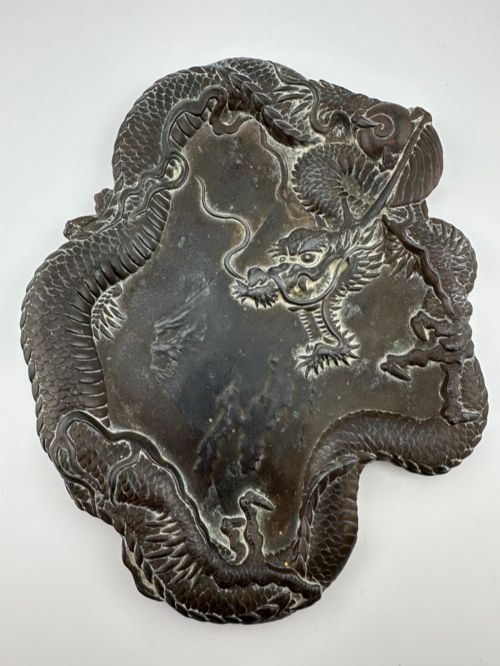
Meiji period metalwork often exhibits high levels of technical complexity, particularly through mixed-metal inlay and detailed patination. Many pieces from this era incorporate natural motifs such as birds, dragons, and blossoming flowers.
Makers' signatures and specific casting marks can also help pinpoint the production era, reflecting the opening of Japanese craft to international markets after eighteen sixty-eight.
Where were these pieces used in the home?
Larger bronzes such as vases, urns, and jardinières served as prominent focal points in reception rooms and halls. Smaller items like door handles and trays integrated artistic metalwork into daily architecture and interior fittings.
Table lamps and oil lamps adapted traditional forms for lighting, while okimono figures sat quietly on display surfaces as contemplative ornaments.
How should I care for antique bronze and enamel?
Bronze and patinated metal surfaces require gentle dusting with a soft, dry cloth to prevent the accumulation of abrasive particles. Avoid commercial cleaning liquids, which can strip away the historical patina that accumulates over centuries.
Enamel sections should be kept away from direct sunlight and extreme temperature fluctuations to protect the vitreous paste from stress and discolouration.