


Antique Japanese Fruit Bowl
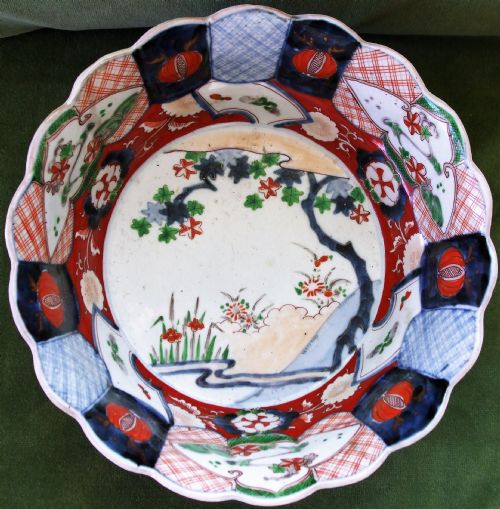
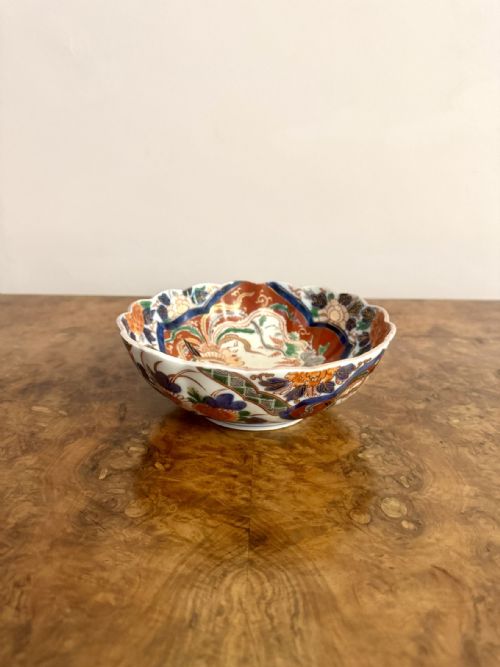
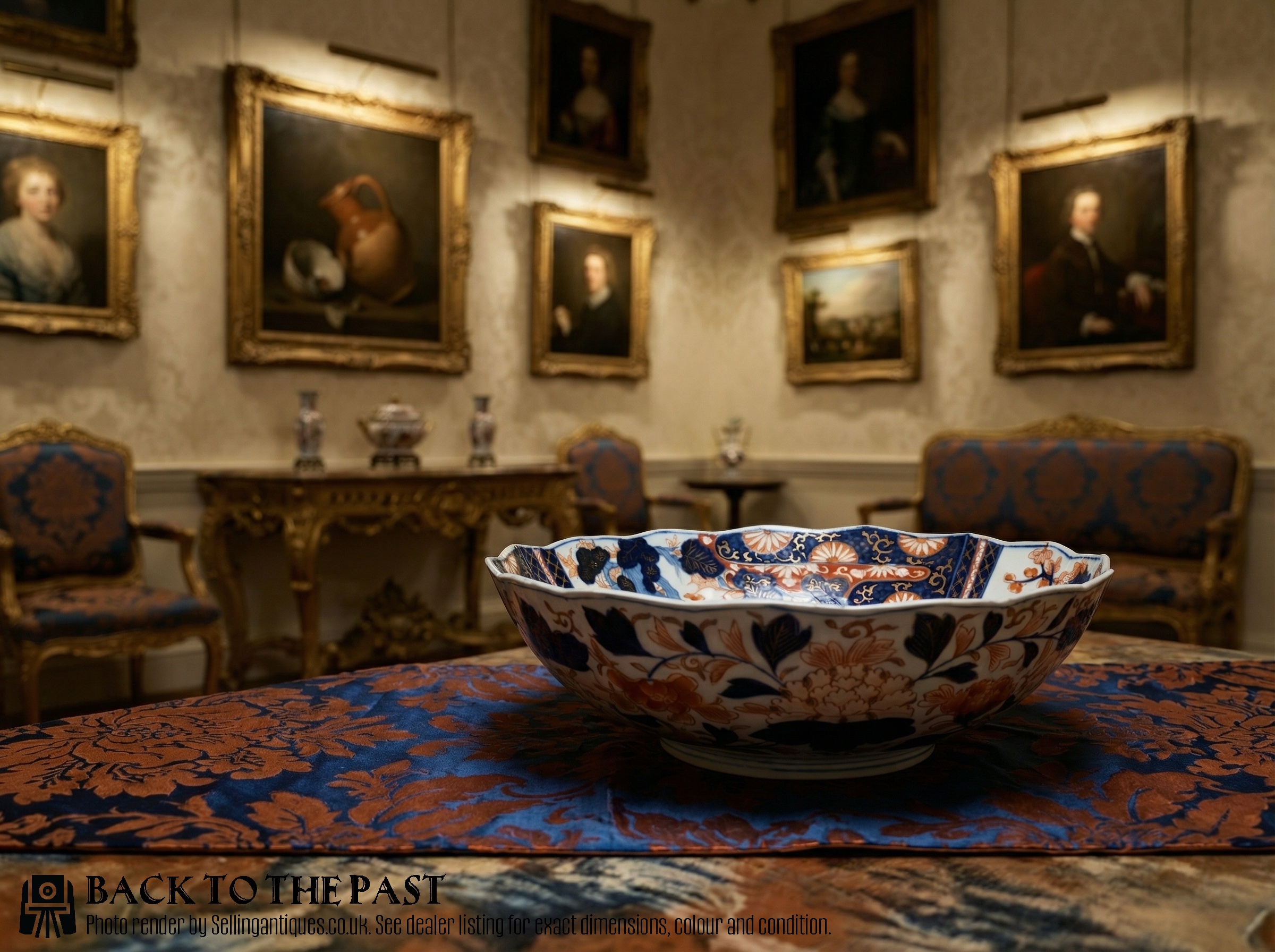
An antique japanese fruit bowl brings rich Meiji period colour and intricate Imari patterns directly to the dining table or cabinet.
Antique Japanese Fruit Bowl
When you search for an antique japanese fruit bowl, you are looking at decorative porcelain and earthenware vessels originating mainly from the late nineteenth century and around nineteen hundred. These pieces span traditional Japanese Imari styles, Meiji period centrepieces, and European Japonisme interpretations.
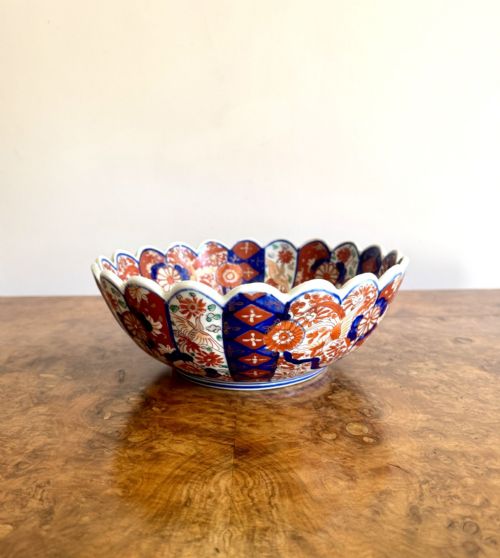
The most common examples on this page are Japanese Imari bowls featuring scallop-shaped or fluted edges. They arrive in various sizes, from everyday decorative bowls to large presentation centrepieces intended for display.
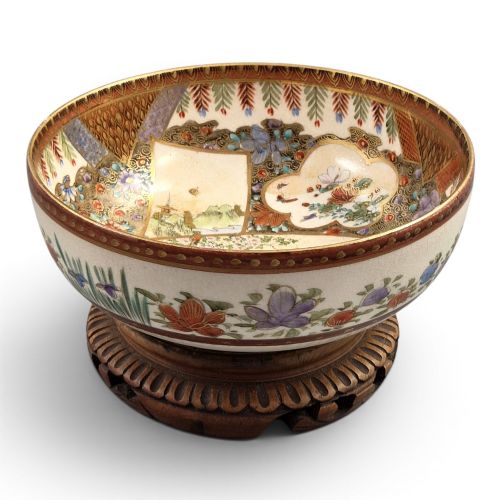
Alongside porcelain Imari ware, you will also encounter Satsuma earthenware and cloisonné enamel vessels decorated with birds and traditional motifs. These diverse forms reflect both domestic Japanese tastes and the intense nineteenth-century European enthusiasm for Eastern design.
What separates the finest examples
Quality in these bowls rests on the precision of the hand-painted brushwork and the vibrancy of the enamel and cobalt blue pigments. Crisp detailing in scalloped edges and well-defined floral or avian motifs distinguish superior production.
Signatures by recognised makers add significant interest, as do pieces retaining intact gilding and unblemished glaze surfaces. The weight, balance, and structural integrity of the porcelain or enamel body complete the assessment.
Some bowls feature large bird decorations peering out from intricate floral branches.
Kozan·Baccarat
The Antique Japanese Fruit Bowl Glossary
- Imari
- A traditional style of Japanese porcelain decorated in underglaze blue, iron red, and gold. This palette creates a rich, decorative surface popular throughout the Meiji period.
- Meiji Period
- The era in Japanese history spanning from eighteen sixty-eight to nineteen twelve. Pieces from this time often exhibit exceptional technical mastery and vibrant ornamentation.
- Cloisonne
- A technique where enamel paste is applied within compartments created by soldered metal wires on a base. This method produces intricate, multi-coloured pictorial designs.
- Japonisme
- A nineteenth-century European art movement influenced by Japanese aesthetics. French and other Western makers produced bowls adopting these distinctive Eastern forms and motifs.
Antique Japanese Fruit Bowl: Frequently Asked Questions
How do I care for my bowl?
Wash porcelain and enamel bowls gently by hand using lukewarm water and mild soap. Avoid harsh scrubbers, dishwashers, and prolonged soaking to protect delicate glazes and gilding.
Display the bowl away from direct sunlight and extreme temperature changes. Use a stable, padded surface if placing heavier fruit inside.
Can I use it for fruit?
These decorative vessels serve well for holding lighter fruits like apples or citrus. Ensure the fruit is clean and dry before placing it inside glazed porcelain or cloisonne.
Avoid acidic foods directly touching older earthenware surfaces for extended periods. Most owners choose to display them empty or filled occasionally.
How do I date Imari bowls?
Examine the quality of the paste, the depth of the cobalt blue, and the hue of the iron red enamel. Nineteenth-century pieces often show specific potting characteristics and brushwork habits.
Look for collector labels, base marks, and stylistic clues that align with the Meiji period or turn-of-the-century production methods.
What is Japonisme?
Japonisme describes Western interpretations of Japanese art and design during the late nineteenth century. European makers adopted Japanese motifs, asymmetry, and forms for their own decorative objects.
This movement bridged Eastern craftsmanship with Western luxury goods, resulting in distinct cross-cultural decorative pieces.