



Scalloped Porcelain Display Bowl
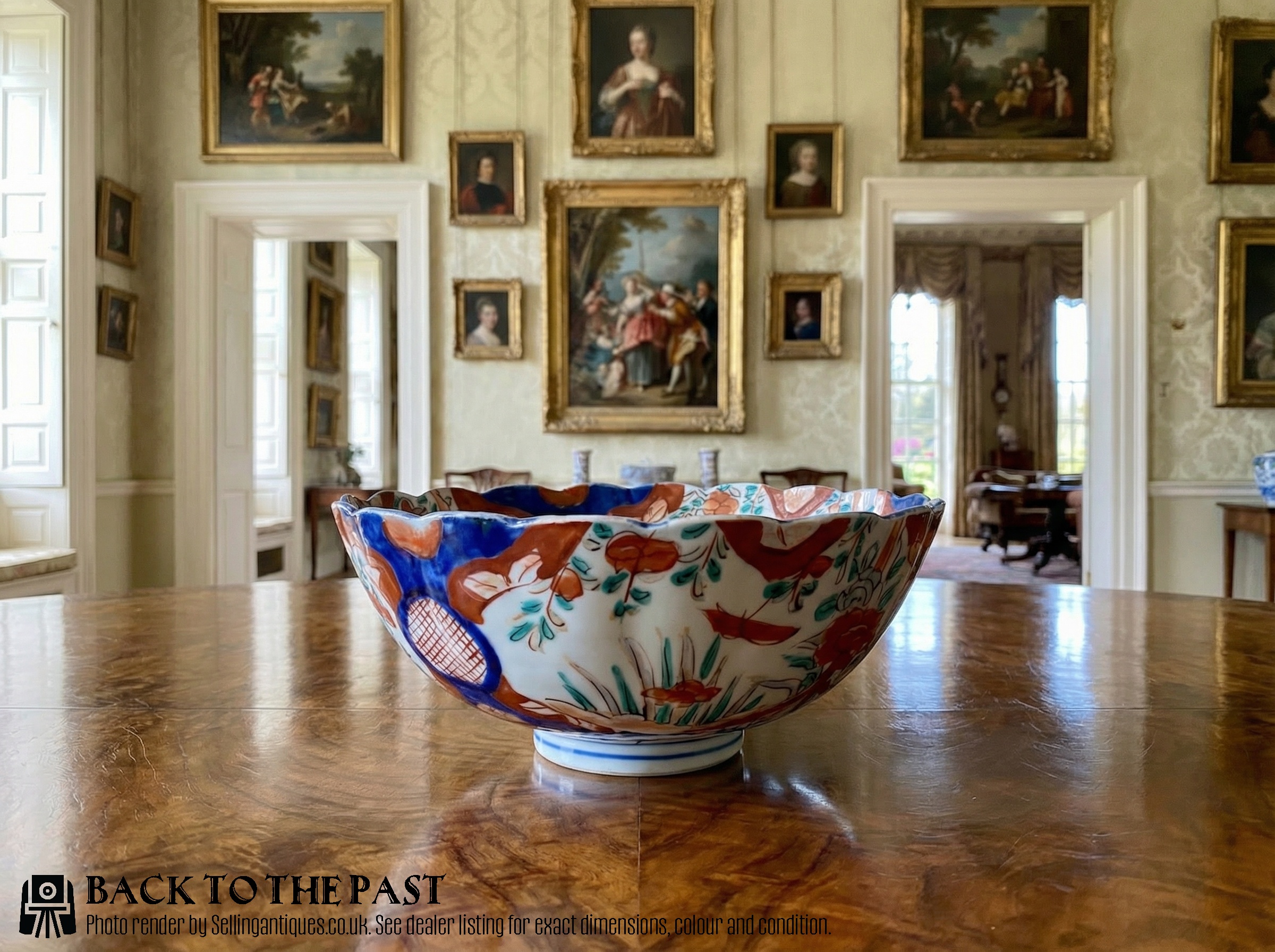
A scalloped porcelain display bowl brings striking form to a room, offering rich glaze and intricate pattern from centuries past.
Scalloped Porcelain Display Bowl
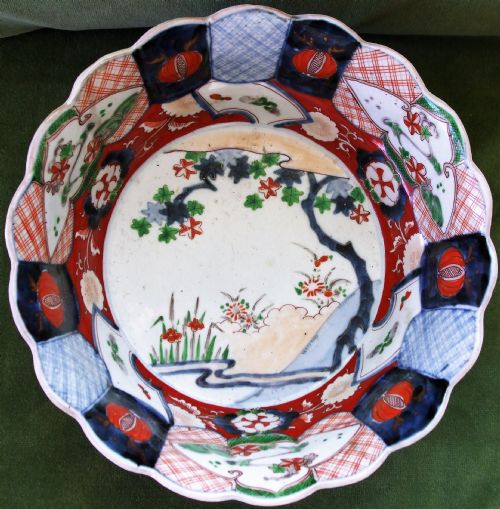
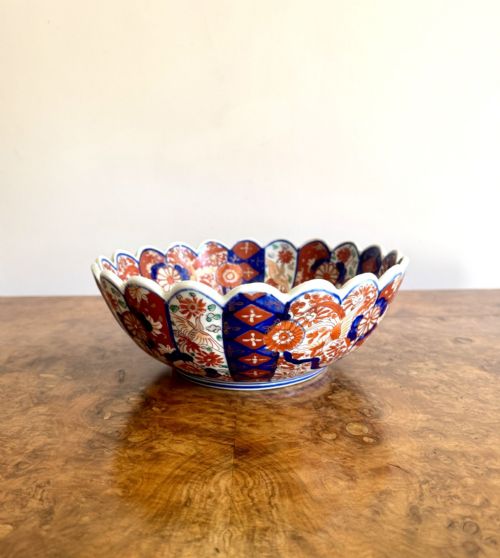
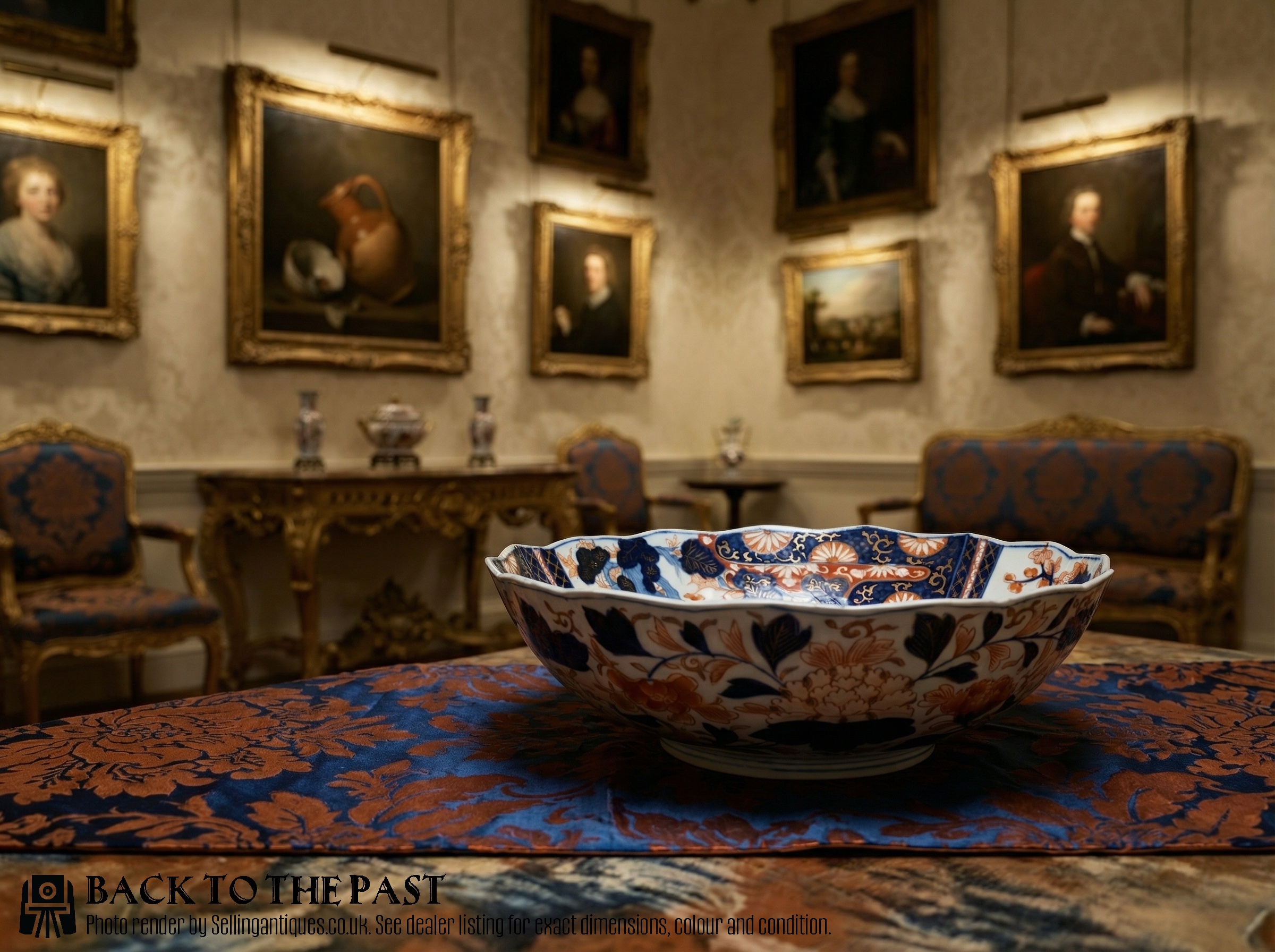
A scalloped porcelain display bowl is a decorative vessel defined by its wavy, curved edge and ceramic body. When you search for a scalloped porcelain display bowl, you encounter pieces designed primarily for presentation rather than daily service.
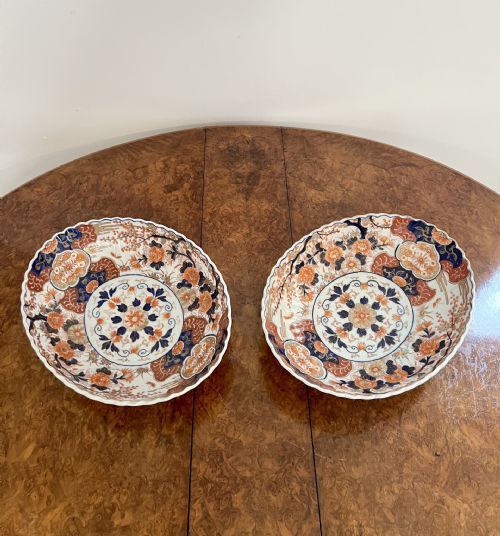
The selection here is dominated by Japanese Imari wares from the nineteenth century and the Meiji period, alongside traditional English ceramic pieces. These items take the form of decorative bowls, display plates, and cabinet plates.
Most examples date from nineteen hundred or the nineteenth century, showing traditional styles with distinctive shaped edges. You will also find mid-twentieth century English pieces such as the Royal Worcester rope edge plate.
How they were made
These items are constructed from porcelain and ceramic, shaped with characteristic scalloped edges and finished with fired glaze. Makers applied enamel and gold leaf to decorate the surfaces with intricate patterns.
Techniques combine traditional throwing or moulding with detailed hand-painting and gilding. The application of gold leaf and enamel creates the layered visual depth seen across Japanese Imari and English pieces.
Several bowls feature edges so enthusiastically wavy they resemble floating flower petals rather than dinnerware.
What varies in quality
Quality in these pieces is dictated by the crispness of the scalloped edge and the precision of the hand-painted enamel work. Finer examples display meticulous control in the application of gold leaf and glaze.
The depth of colour and the clarity of the underlying ceramic body distinguish standard production from exceptional output. Pieces bearing artist signatures, such as J Smith, demonstrate individual craftsmanship.
The Scalloped Porcelain Display Bowl Glossary
- Scallop edge
- A decorative border shaped into a series of curves resembling a scallop shell. This form softens the profile of a plate or bowl.
- Imari
- A traditional style of Japanese porcelain featuring distinctive iron-red, cobalt blue, and gold decoration. It originated in the town of Arita.
- Meiji Period
- The era in Japanese history spanning from eighteen sixty-eight to nineteen twelve. Pieces from this time often show refined decorative techniques.
- Cabinet plate
- A decorative ceramic plate intended for display in a cabinet or on a wall rather than for dining use. These items frequently feature elaborate painted designs.
- Gilding
- The application of gold leaf or gold powder to the surface of porcelain. This technique highlights rims and decorative motifs.
Scalloped Porcelain Display Bowl: Frequently Asked Questions
What is a scalloped porcelain display bowl?
A scalloped porcelain display bowl is a ceramic vessel featuring a curved, wavy rim designed for visual presentation. These items serve as decorative objects rather than functional tableware.
Most examples in this category originate from nineteenth-century Japan and incorporate traditional Imari patterns with enamel and gold leaf.
How do I display a decorative bowl?
These bowls and plates are suited for placement on tables, sideboards, or within display cabinets. Cabinet plates often utilise stands to showcase their painted surfaces upright.
The distinct edges and rich glazes allow these pieces to function as focal points in traditional or eclectic interiors.
How do I identify Imari porcelain?
Imari porcelain is recognised by its specific palette, typically combining underglaze cobalt blue with iron-red enamel and gold leaf. The designs often feature complex floral or geometric motifs.
Originating in Japan, this style was widely produced during the Meiji period and the nineteenth century for both domestic and export markets.
What is the difference between a bowl and a plate?
Bowls possess deep, curved walls designed to contain objects or liquids, though display pieces are held primarily for ornament. Plates present a flatter surface area.
Both forms appear with scalloped edges in this collection, serving similar decorative functions within a room.