
Antique Japanese Art
Antique japanese art brings together woodblock prints, lacquered carvings and metalwork that capture centuries of craftsmanship.
Antique Japanese Art
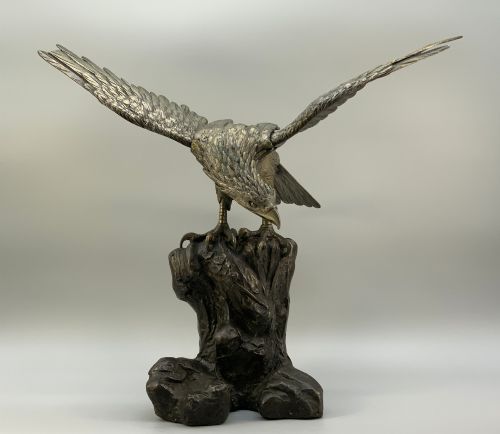
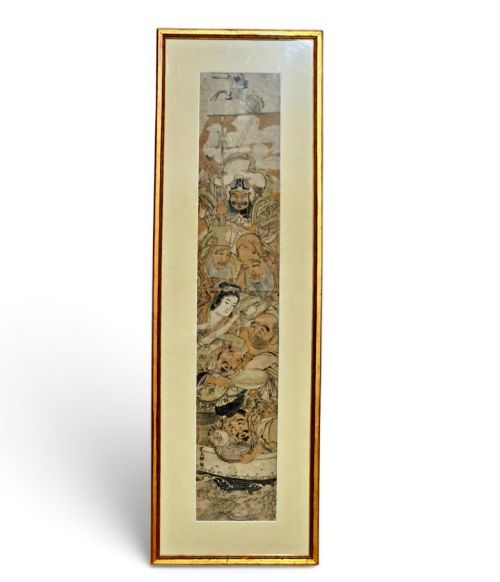
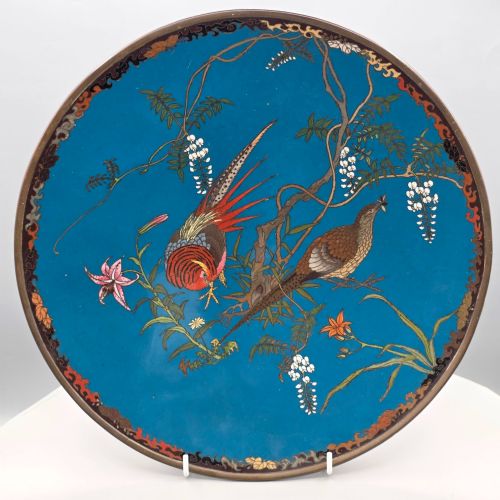
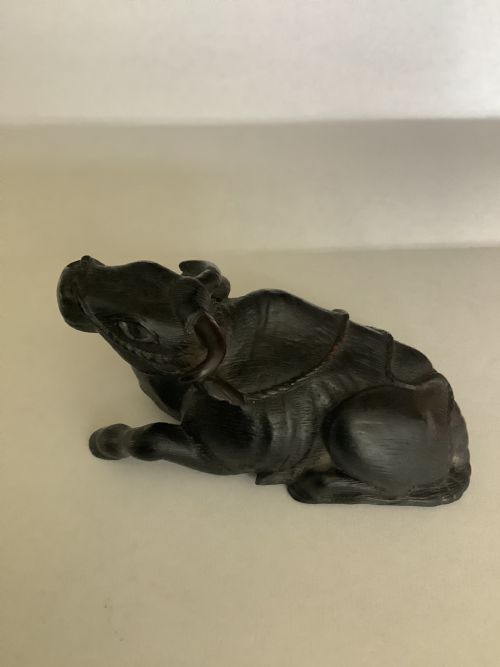
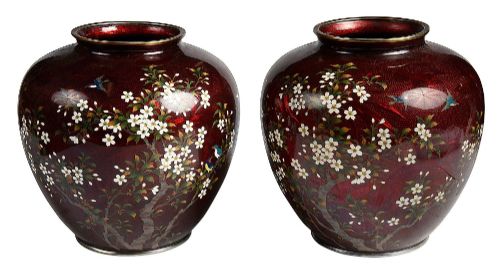
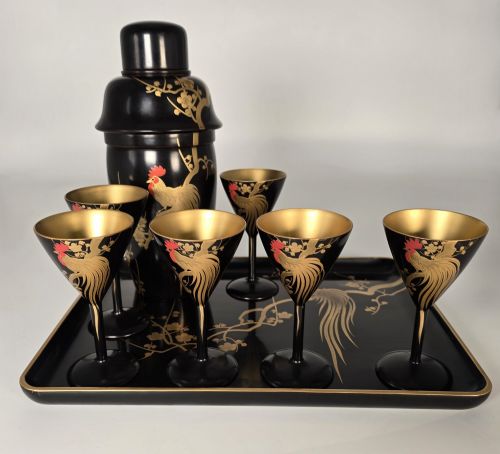
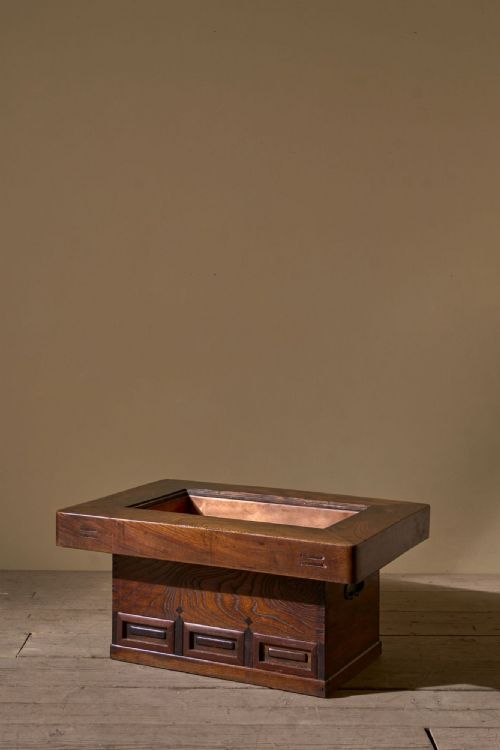
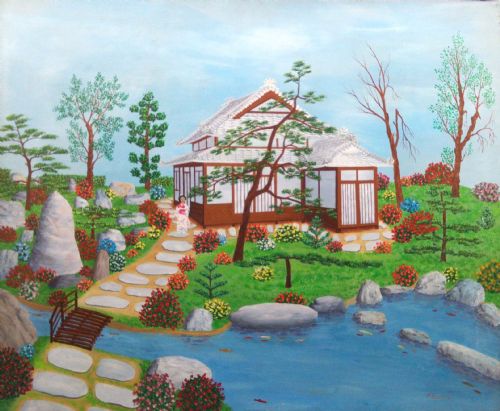
Antique japanese art encompasses woodblock prints, framed panels, watercolours and sculptural objects created across the nineteenth century and into nineteen hundred. These pieces range from framed Edo period ukiyo-e prints on paper to Meiji period lacquer okimono and mixed metal sculptures.
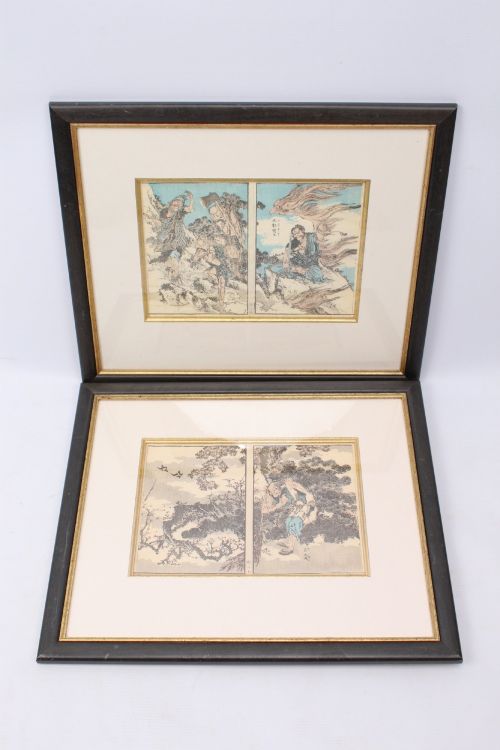
Buyers frequently encounter framed woodblock prints complete with silk brocade mounts and rosewood frames alongside decorative panels and sculptural objects. The selection reflects both traditional visual arts and functional decorative items from various historical periods.
Materials and construction
Items incorporate traditional materials such as paper, wood, glass, lacquer, mother-of-pearl and metal, alongside rosewood and silk. Artisans employed specialised techniques for woodblock printing, delicate lacquering and metalwork.
Framed works utilise silk brocade mounts and rosewood frames to protect and display paper prints and watercolours. Three-dimensional objects combine materials like metal and lacquer to achieve intricate surface details.
Antique Japanese Art Retail Price Guide 2026
Typical asking prices for japanese art among the pieces listed under this phrase on Sellingantiques today, from the lower quarter to the upper quarter. They describe what is for sale here now, not the wider market.
Assessing quality
Quality rests in the precision of the carving, the clarity of the print and the sophistication of the materials utilised. Pieces displaying refined lacquer work or detailed metal articulation demonstrate a higher tier of workmanship.
The integrity of the mounting materials, including rosewood frames and silk brocade, contributes to the overall standard of the piece. Preservation of the original surface finish and delicate details distinguishes finer examples from simpler items.
Kitagawa Utamaro·Haruyama Shunzan
The Antique Japanese Art Glossary
- Ukiyo-e
- Pictures of the floating world, denoting a genre of Japanese woodblock prints and paintings depicting scenes of everyday life and nature.
- Okimono
- A standalone decorative object or carving designed for display on a shelf or in a traditional alcove.
- Moriage
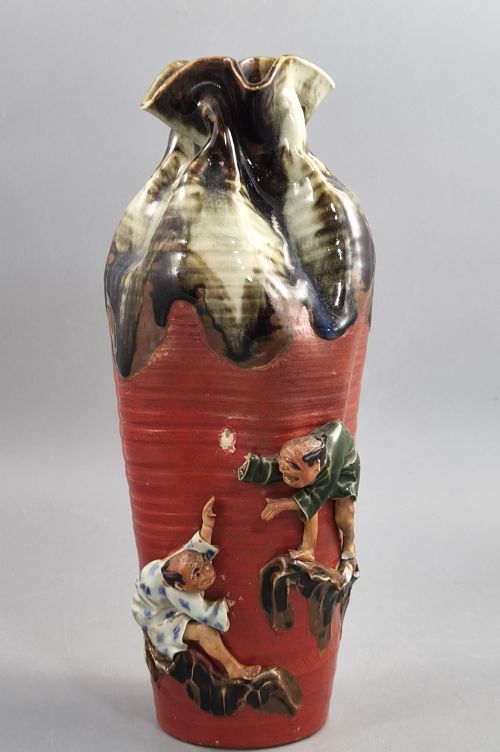
- A type of slip earthenware decoration where liquid clay is applied to create raised patterns on pottery.
- Brocade
- A class of richly decorative shuttle-woven fabrics, frequently utilised here for framing and mounting prints.
- Jizai
- Articulated metal figures constructed with moveable segments to mimic real creatures.
Antique Japanese Art: Frequently Asked Questions
How are antique woodblock prints framed?
Woodblock prints often feature bespoke presentation using materials like silk brocade mounts and rosewood frames. These traditional housings protect the delicate paper while enhancing the visual display.
Buyers should ensure the mounting materials complement the period of the print. Proper framing preserves the integrity of the paper and prevents environmental damage over time.
What materials are common in Meiji period works?
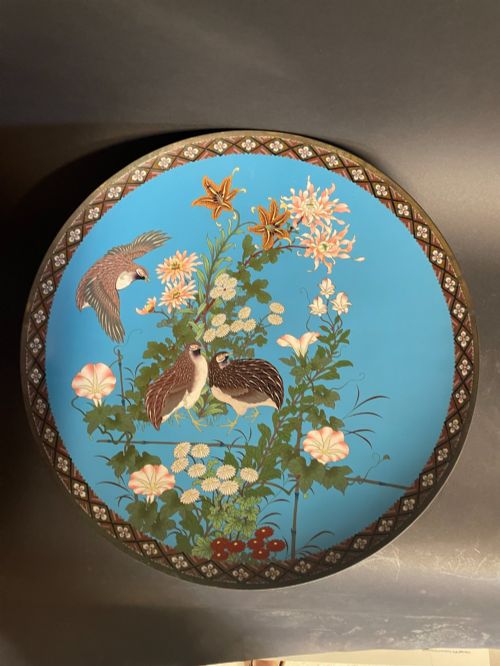
Meiji period items frequently utilise lacquer, bronze, copper and mother-of-pearl. Artisans combined these substances to create detailed sculptural pieces and decorative panels.
The use of mixed metals and intricate lacquering defines the output of this era. Each material requires specific care to maintain its original finish and structural stability.
How do I care for silk mounts?
Silk brocade mounts require protection from direct sunlight and excessive moisture to prevent fading and degradation. Displaying pieces in stable indoor environments helps preserve the fabric.
Dusting should be performed gently with a soft brush to avoid snagging the threads. Regular inspection ensures the mount continues to support the artwork safely.
What defines a lacquer okimono?
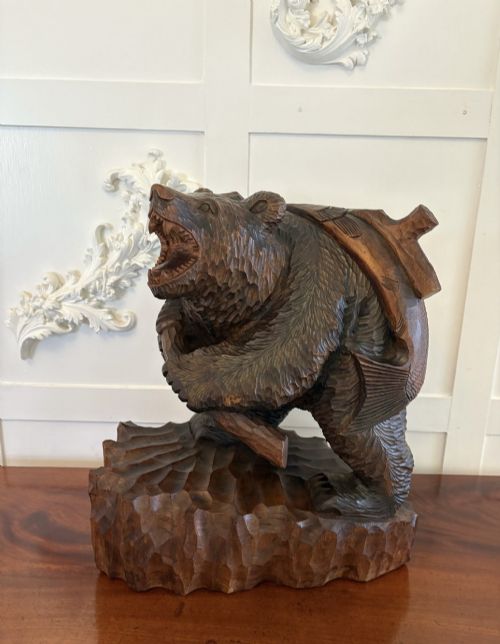
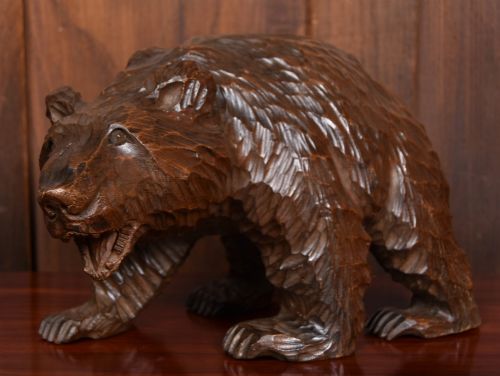
A lacquer okimono is a carved decorative object made using traditional lacquering techniques. These pieces often depict animals or figures with fine surface detailing.
The construction involves applying multiple layers of tree sap resin over a core material. This process creates a durable, glossy finish that highlights the sculptor's precision.