
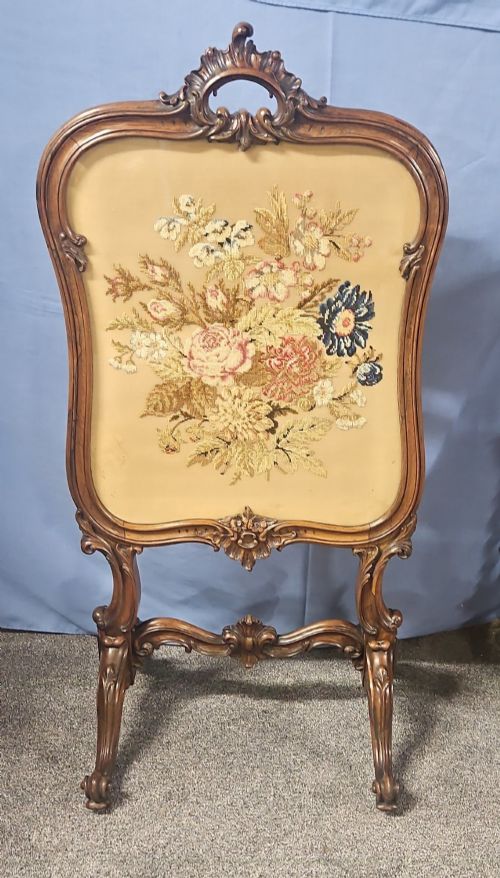
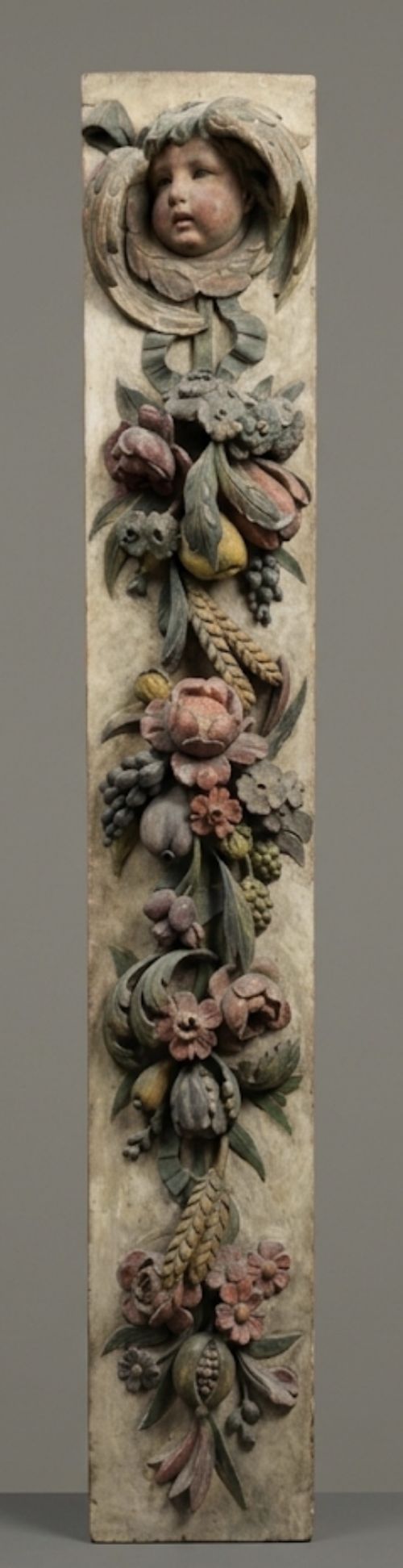
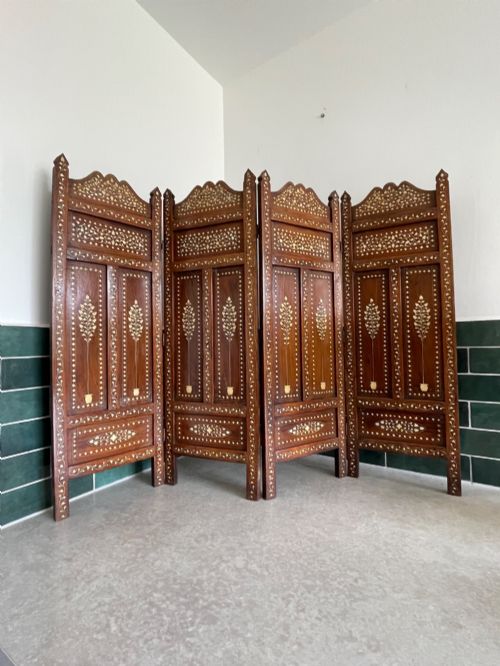
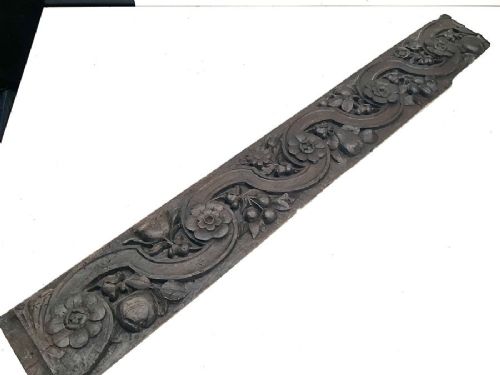


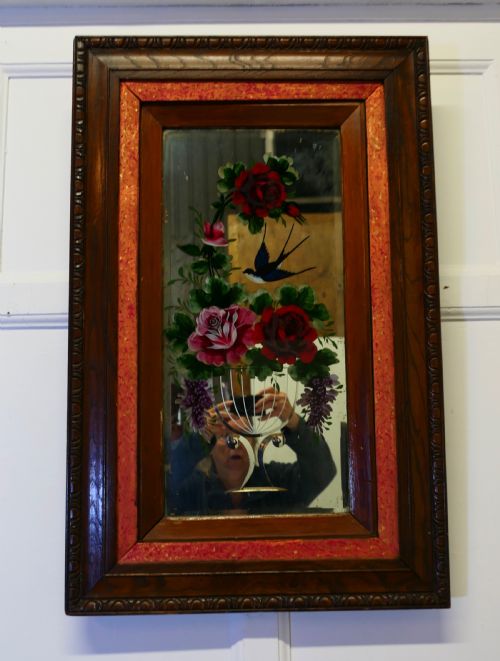
Carved Wood Floral Panel
When you search for a carved wood floral panel, you are looking at tactile botanical relief work shaped by centuries of regional hands.
Carved Wood Floral Panel
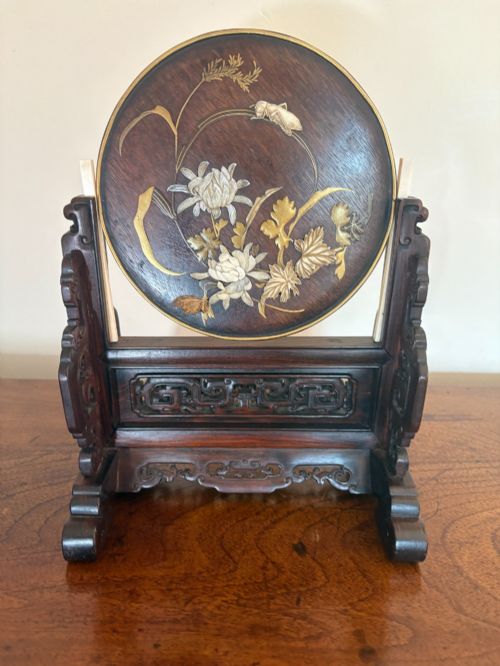
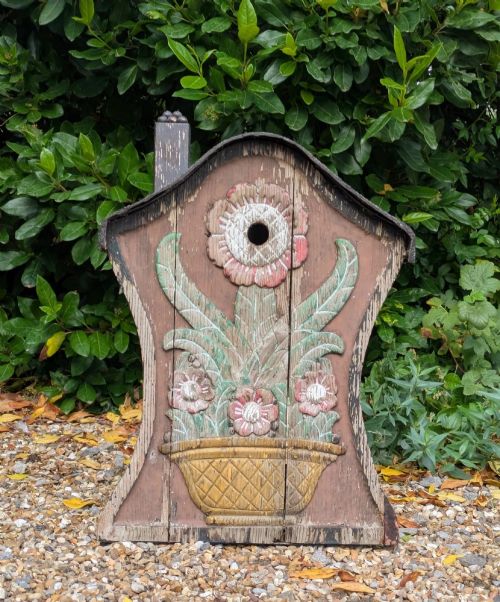
A carved wood floral panel brings botanical motifs into domestic spaces through architectural salvage, wall reliefs, and decorative screens. These items span periods from the sixteenth century through the Victorian era and into the early twentieth century, originating from English, French, Italian, Scandinavian, Chinese, and Japanese workshops.
The version most commonly met on this page is a nineteenth-century or Victorian architectural fragment or wall decoration, frequently fashioned from walnut, mahogany, or oak. Such pieces range from structural door panels and furniture insets to decorative wall art designed to be hung independently.
Makers and artisans utilised natural timber properties to render flowers, leaves, and water plants with varying depths of relief. Buyers select these items to introduce historic texture and organic form into traditional or contemporary interiors.
Measures of quality
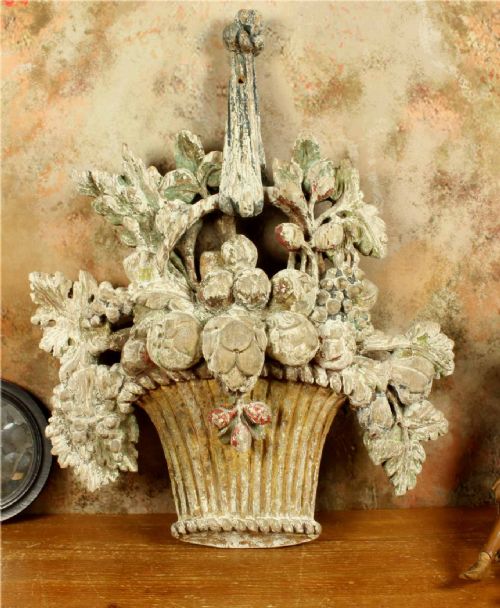
Quality rests upon the depth, sharpness, and biological accuracy of the carving rather than the mere presence of floral motifs. Superior examples display undercut petals and leaves that appear to lift away from the background timber, showing confident tool control by the carver.
The integrity of the wood and the preservation of the original surface finish dictate the standing of a piece. Finer panels retain their crisp edges and uncompromised relief work, whereas lesser items suffer from softened details or heavy over-finishing.
The listings on this site span materials from walnut and oak to brass and glass, across periods from the eighteenth century to the early twentieth century.
The Carved Wood Floral Panel Glossary
- Relief
- Sculpture technique where elements project from a background plane. Carved floral panels rely on this method to create three-dimensional botanical scenes.
- Polychrome
- Decoration of objects in a variety of colours. Some wooden panels feature this painted surface treatment to highlight floral details.
- Architectural salvage
- Building elements rescued from structures slated for demolition. Many decorative panels originate from doors, walls, or cupboards of older buildings.
- Pole screen
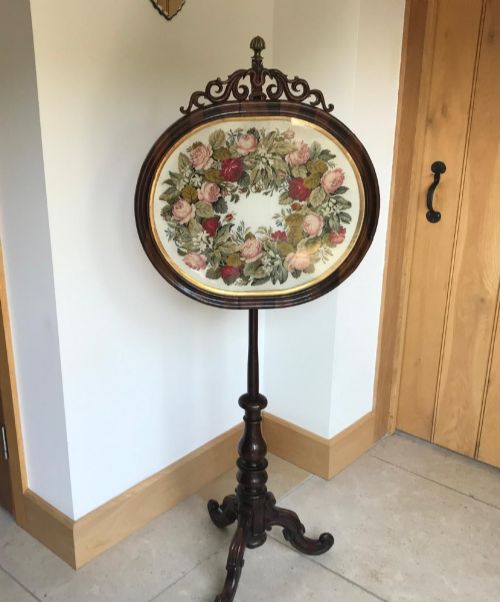
- A freestanding screen with an adjustable panel mounted on a vertical pole. These Victorian accessories protected faces from fireplace heat.
Carved Wood Floral Panel: Frequently Asked Questions
How were carved floral panels used?
These panels functioned primarily as architectural elements set into walls, doors, or furniture, bringing decorative botanical art into domestic rooms.
Over time, many were removed from their original settings to be mounted as standalone wall art or incorporated into screens.
What woods were used for carving?
Carvers selected dense hardwoods such as oak, walnut, mahogany, and limewood because they accepted fine chisel work without splitting.
Softer or exotic timbers also appear depending on the geographic origin and period of the workshop.
How do I date a wooden panel?
Dating relies on tool marks, timber selection, joinery methods, and the specific stylistic conventions of the carving.
Comparing the botanical motifs to known period designs helps place the piece within a century or specific artistic movement.
Can these panels be hung on walls?
Most panels designed as wall art or architectural salvage can be mounted securely using appropriate fixings for their weight.
Heavier structural fragments require professional hanging to support the mass of the dense hardwood.