




Japanese Wall Panels
Japanese wall panels bring texture and traditional craftsmanship into a room, offering striking works from various periods and materials.
Japanese Wall Panels
When you search for Japanese wall panels, you encounter a varied selection of items designed for display, including textile art, framed pictures, and architectural elements. The pieces span several eras, from the Edo period and Meiji period through to the Showa period, reflecting a rich history of decorative arts.
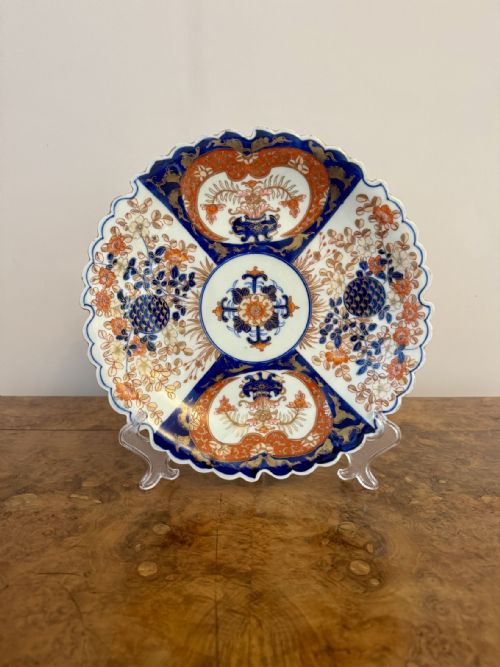
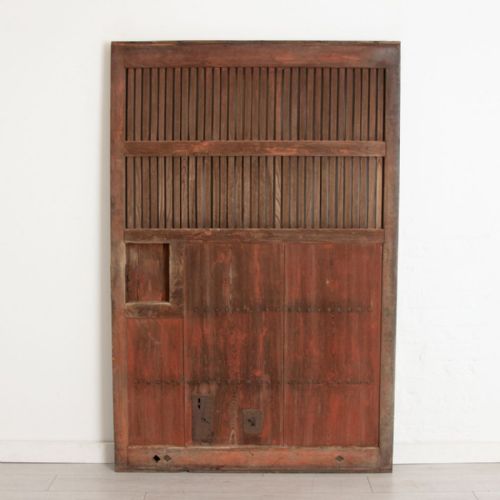
The objects on this page range from large silk textile panels depicting geese in flight to lacquered roundels and bronze plaques. You will also find Imari plates and chargers utilised as wall decoration, alongside substantial items like storehouse doors and overmantel mirrors influenced by the Aesthetic Movement.
Materials vary widely across these items, combining wood, lacquer, porcelain, enamel, glass, gold leaf, mother of pearl, bone, and silk. Each form demonstrates distinct regional techniques and period styles, offering multiple ways to introduce historic Japanese craftsmanship to an interior.
How they were made
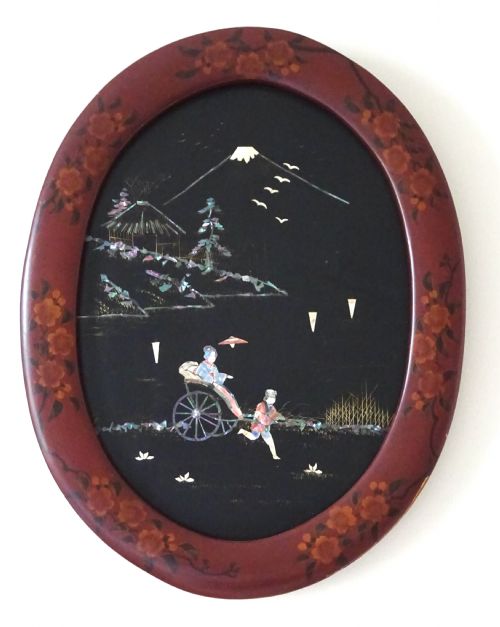
The construction of these pieces relies on traditional craftsmanship, often combining wood, lacquer, and delicate inlays of mother of pearl and abalone within red lacquered frames. Textile works employ fine silk threads, capturing detailed imagery such as birds in flight.
Metalwork and ceramics are equally prominent, featuring bronze plaques and porcelain Imari plates decorated with enamel and gold leaf. Architectural pieces like storehouse doors utilise heavy timber construction, showcasing the robust joinery of the period.
Listings feature items spanning the Edo period, Meiji period, and Showa period, alongside Aesthetic Movement pieces.
What varies in quality
The standard of a piece is determined by the precision of its execution, whether in the fine detailing of silk textile art or the depth and finish of red lacquer frames. Finer examples display meticulous inlay work using mother of pearl and bone.
Material selection also defines the tier of an object, with genuine gold leaf and high-grade bronze elevating a work. The complexity of the design, from simple Imari chargers to intricate Shibayama or calligraphic panels, sets the more ambitious items apart.
Iida Takashimaya Company
The Japanese Wall Panels Glossary
- Imari
- A style of Japanese porcelain named after the port from which it was shipped, characterised by underglaze blue and overglaze red, gold, and green colours.
- Meiji Period
- The era in Japanese history lasting from 1868 to 1912, marked by significant artistic output and opening to Western trade.
- Shibayama
- A technique of inlaying delicate materials such as mother of pearl, ivory, and tortoiseshell into a lacquered or wooden base.
- Edo Period
- The period between 1603 and 1868 in Japan, governed by the Tokugawa shogunate and known for economic growth and strict social order.
- Charger
- A large decorative plate intended for display on a wall or sideboard rather than for dining use.
Japanese Wall Panels: Frequently Asked Questions
What materials are used in Japanese wall panels?
The materials span wood, lacquer, porcelain, enamel, glass, gold leaf, mother of pearl, bone, and silk.
Items range from textile wall art and bronze plaques to lacquered roundels and heavy wooden storehouse doors.
How do I date a Japanese wall panel?
Dating relies on identifying period styles such as the Edo, Meiji, and Showa eras, alongside stylistic markers like Aesthetic Movement influences.
Materials and framing techniques also provide clear indicators of when a piece was produced.
Were these panels always meant for walls?
Many items were created specifically for display, while others, such as Imari plates and architectural doors, were adapted for decorative wall mounting over time.
Textile art and framed pictures were typically designed from inception for hanging.
How should I hang a heavy wooden panel?
Substantial pieces like storehouse doors or overmantel mirrors require secure fixings into structural wall studs to bear the weight safely.
Consulting a professional installer ensures the hardware matches the specific weight and material of the panel.