


Antique Italian Table Lamp
An antique italian table lamp brings classical form and warm illumination into a room, drawing on centuries of craftsmanship from Italian workshops.
Antique Italian Table Lamp
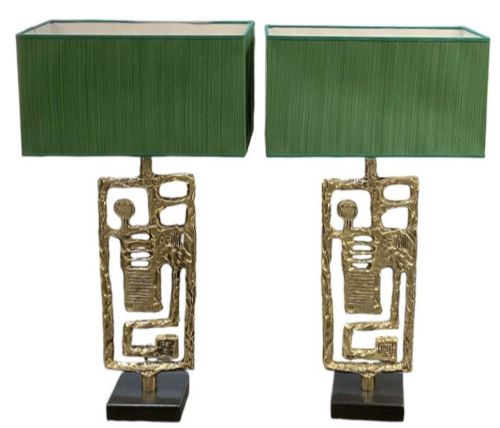
When you search for an antique italian table lamp, you encounter pieces that often began life as candlesticks, pricket sticks or oil lamps before later conversion to electricity. These fixtures reflect historic styles ranging from Neoclassical and Italian Baroque to the Grand Tour taste and Hollywood Regency.
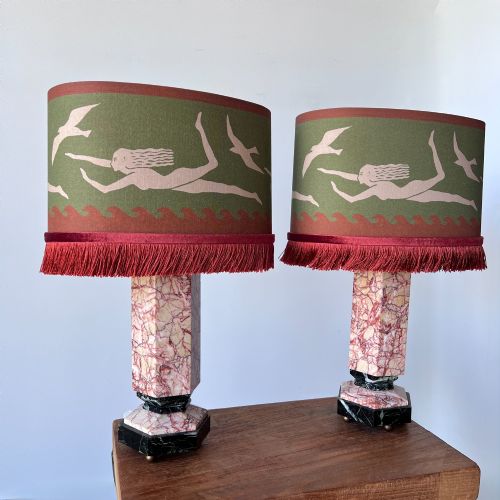
The selection includes carved wood bases, gilded urns, marble columns and ceramic majolica bodies. Many items date from the nineteenth century, alongside examples from the early decades of the twentieth century.
Conversions sit alongside purpose-made bases, demonstrating how older lighting mechanisms and altar utensils adapted to domestic interiors over time. The materials span traditional regional timbers, carved stone and cast metals.
Materials and Techniques
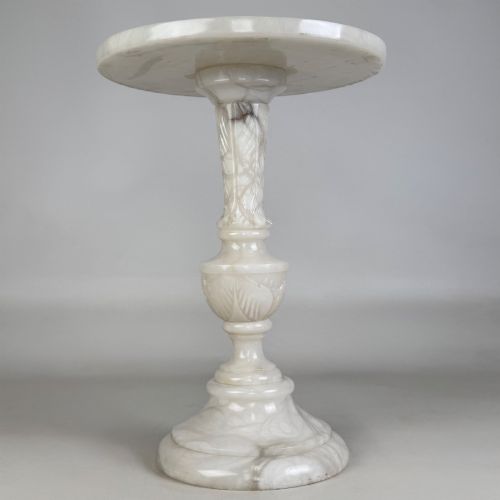
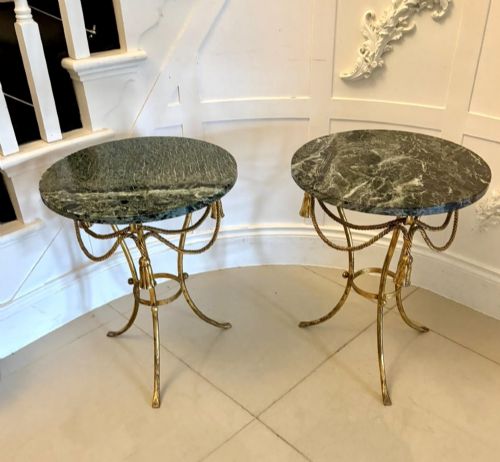
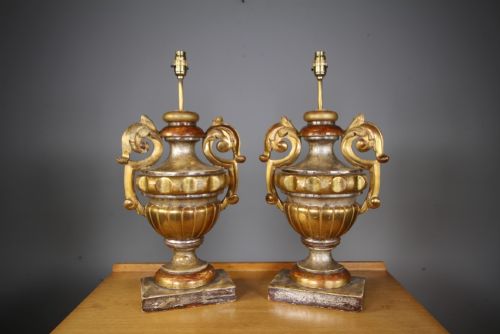
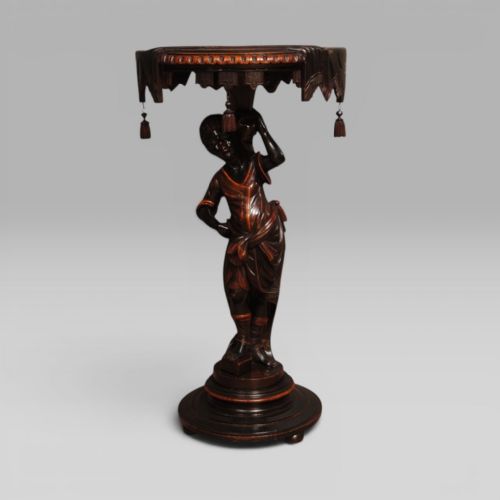
Carvers and gilders applied gesso and gold leaf to pine and walnut to create rich reflective surfaces on wooden bases. Stoneworkers shaped alabaster, verde marble and local Italian stone into columns and urns, sometimes mounting them with cast brass or ormolu mounts.
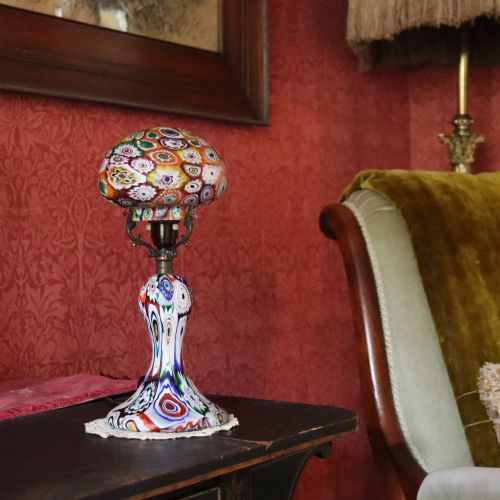
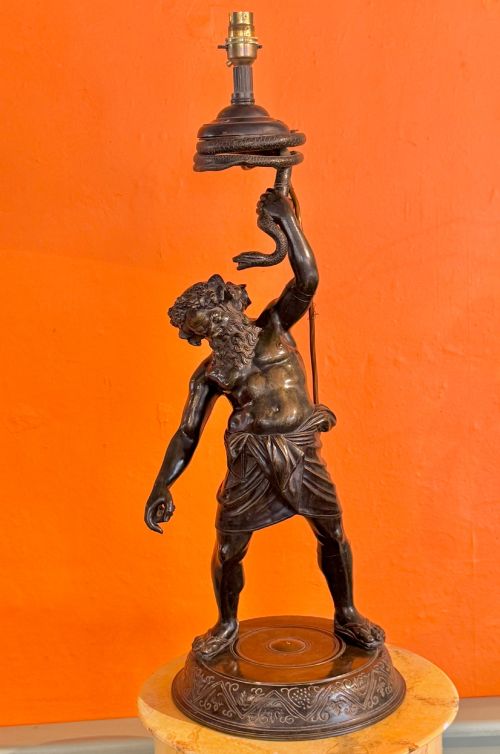
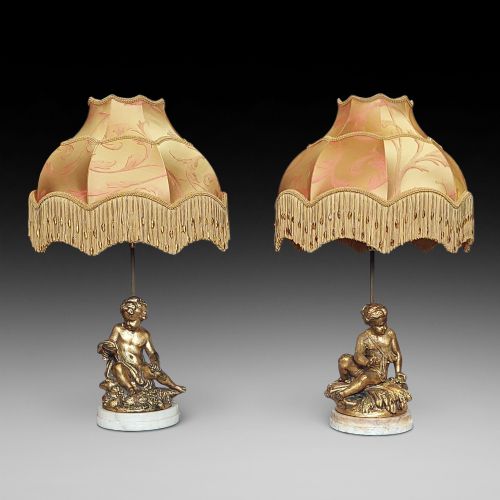
Potters and glassmakers contributed majolica earthenware and Murano glass elements, employing traditional firing, painting and millefiori techniques. Metalworkers cast bronze and brass components, finishing them with classical masks, cherubs and scrollwork.
The site listings demonstrate a strong presence of nineteenth-century craftsmanship, alongside early twentieth-century pieces utilising carved wood, brass and marble.
Standards of Craftsmanship
Quality rests on the crispness of the hand carving and the depth of the original gilding or surface finish. Finer pieces display careful detailing in cast mounts and well-preserved marquetry or bone inlay.
The integrity of the conversion work matters greatly, particularly how cleanly electrical fittings integrate with historic candlesticks or oil lamp bodies. Original patination and untouched surface finishes elevate a piece above later repaintings or heavy restorations.
Fratelli Toso·G Amodio Naples
The Antique Italian Table Lamp Glossary
- Pricket stick
- A candlestick featuring an upright spike designed to secure a candle, frequently converted into a lamp base.
- Majolica
- Tin-glazed Italian earthenware noted for vibrant polychrome painted decoration.
- Grand Tour
- The cultural journey undertaken by wealthy Europeans that inspired souvenirs and classical decorative arts.
- Ormolu
- Gilded bronze used for decorative mounts and fittings on furniture and lighting.
- Gesso
- A plaster mixture applied to wood surfaces as a preparation for gilding or painting.
Antique Italian Table Lamp: Frequently Asked Questions
How do I safely rewire an antique lamp?
Older lamps often retain outdated wiring that requires replacement for modern domestic safety. A qualified electrician can install contemporary cordsets and internal fittings while preserving the historic base.
Take care to protect original surface finishes and fragile elements such as gilding or marble during any rewiring process.
Are these lamps converted from candlesticks?
Many examples began as altar candlesticks, pricket sticks or oil lamps before receiving electrical wiring in the twentieth century. This adaptive reuse is standard for period lighting.
Look for evidence of former oil burners or candle spikes to understand the original function of the piece.
How do I clean a gilded wood base?
Giltwood and gesso surfaces require gentle dusting with a soft, dry brush to remove accumulated particles. Avoid commercial cleaning liquids or abrasive cloths that can strip the delicate gold leaf.
Moisture can damage older wood and plaster grounds, so keep cleaning strictly dry and gentle.
How do I identify a Grand Tour piece?
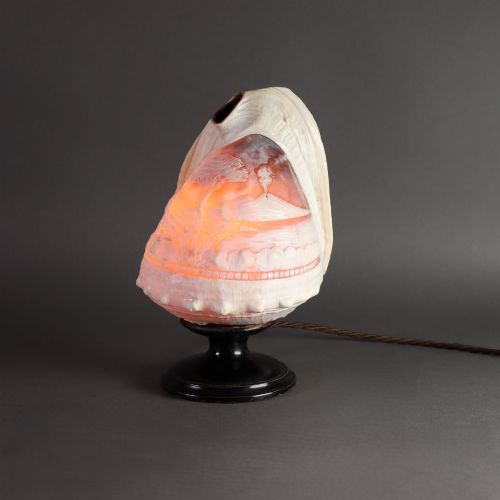
Grand Tour items often feature classical motifs, bronze casts of famous antiquities, or carved shell cameos depicting Italian scenes. These objects date mainly from the nineteenth century.
They reflect the artistic tastes of travellers collecting souvenirs across Italy.