
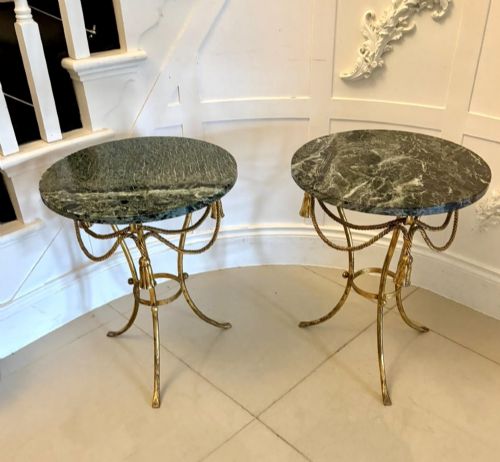


Antique Italian Standing Lamp
An antique italian standing lamp brings dramatic southern European presence to a room, trading quiet restraint for rich carving and luminous gilt surfaces.
Antique Italian Standing Lamp
An antique italian standing lamp encompasses grand floor-standing lighting, tall torcheres, and figural standards designed to illuminate large spaces with theatrical flair. These pieces emerge from periods spanning the nineteenth century through the interwar decades, reflecting enduring craftsmanship rooted in classical traditions.
The most frequent examples encountered on this page take the form of tall wooden standards, often pairing slender shafts with substantial carved bases. Makers frequently drew upon baroque and Renaissance revivals, producing works intended to command attention in high-ceilinged drawing rooms and hallways.
Alongside dedicated lighting, the selection includes related forms such as figural supports and tall stands originally conceived to hold candles or oil reservoirs. Each piece demonstrates the distinct decorative vocabulary associated with workshops across Venice, Florence, and wider Italian artistic centres.
How they were made
Carvers shaped solid timber foundations, frequently employing softwoods or walnut to achieve intricate acanthus scrolls, fluted columns, and figural anatomy. These wooden carcases received layers of gesso to create a smooth, responsive ground capable of holding crisp architectural and organic relief.
Surface ornamentation relied heavily on the application of gold leaf and metallic gilt, which was burnished to catch ambient candlelight or early electric illumination. Polychrome paint and painted marble effects further enhanced the decorative depth, often combining deep blacks with vibrant highlights.
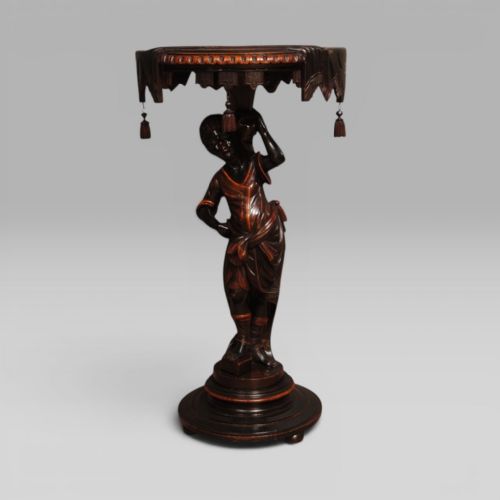
Several stands double as aristocratic stagehands, featuring carved figures holding aloft your lighting.
What varies in quality
The distinction between ordinary and exceptional standards lies in the crispness and depth of the hand-carved detail across the wooden structure. Superior pieces exhibit confident, fluid lines in their foliage and figures, whereas lesser examples rely on shallower carving and heavier, less articulate gesso applications.
The integrity of the original gilt and polychrome surfaces dictates much of the visual success of a standing lamp. Finishes that retain their historic layering without heavy modern overpainting offer a truer reflection of period artistry and material depth.
The Antique Italian Standing Lamp Glossary
- Giltwood
- Timber that has been coated with gold leaf over a prepared gesso ground. This technique provides a brilliant reflective surface resistant to tarnishing.
- Gesso
- A plaster-like mixture applied to wood to create a smooth surface for gilding or painting. It allows carvers to achieve sharp, detailed relief work.
- Torchere
- A tall ornamental stand originally designed to carry a single candle or torch. In later periods, many were adapted to hold electric lamp fittings.
- Polychrome
- Painted in several distinct colours. This surface treatment often brings life to figural carvings and architectural details.
- Baroque Style
- An ornate aesthetic characterised by dynamic movement, exaggerated motion, and dramatic contrast. It heavily influenced Italian furniture and lighting design through multiple centuries.
Antique Italian Standing Lamp: Frequently Asked Questions
Where should I place a standing lamp?
These tall fixtures suit corners or large seating areas where their height can balance substantial furniture and architectural proportions.
They function effectively as statement pieces in reception rooms or hallways, providing ambient upward illumination.
Are these lamps wired for modern use?
Many examples arrive with modern electrical wiring adapted for contemporary sockets while preserving the historic body.
Buyers should consult a qualified electrician to inspect older components before regular daily use.
How do I clean a giltwood lamp?
Dusting requires only a very soft, dry brush to prevent delicate gold leaf from lifting off the gesso ground.
Moisture and chemical cleaners must be avoided entirely to protect the historic surface integrity.
What defines Venetian baroque design?
Venetian baroque pieces emphasise theatrical drama, rich polychrome finishes, and exuberant carved forms inspired by coastal opulence.
This aesthetic often incorporates figural elements and complex scrollwork that sets it apart from simpler regional styles.