

Antique Italian Landscape
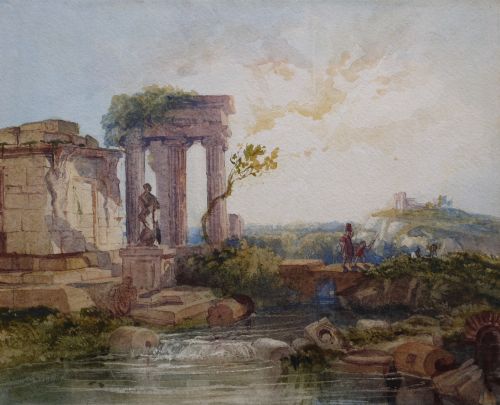
An antique italian landscape brings the warmth of southern light, classical ruins and pastoral vistas straight into a room through oil and watercolour.
Antique Italian Landscape
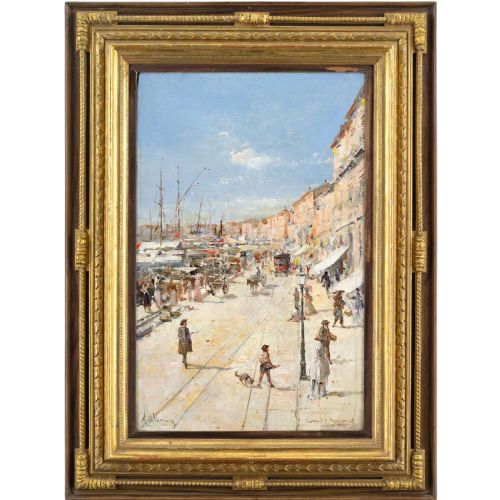
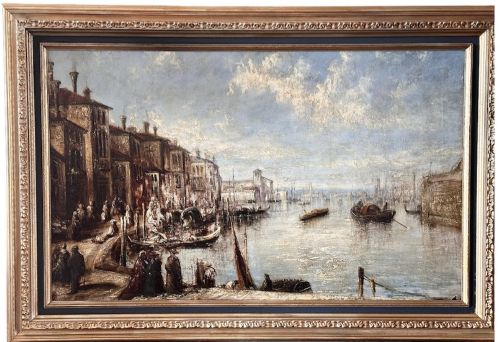
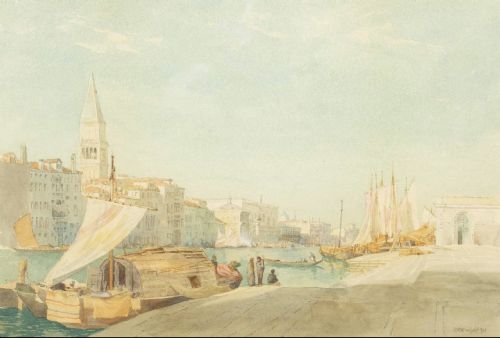
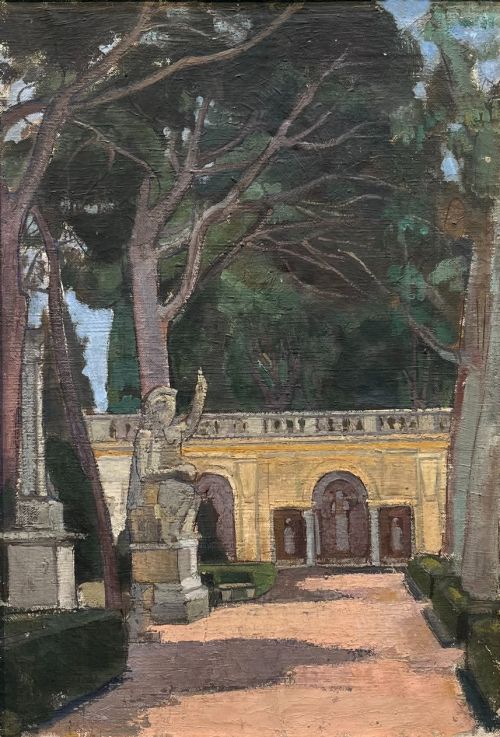
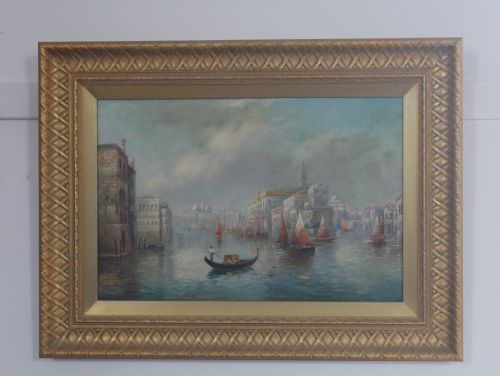
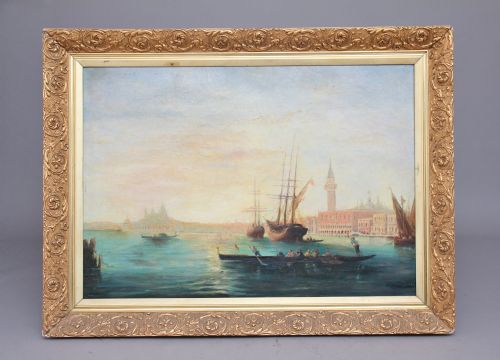
An antique italian landscape captures the topography, ruins and pastoral scenes of Italy through works originating from the seventeenth century onwards. Buyers encounter oil paintings on canvas, delicate watercolours on paper and architectural prints recording views from Venice to Rome.
Many examples emerge from the Grand Tour tradition, created for travellers recording their journeys across the continent. Others stem from native Italian schools or foreign artists painting in Rome and the surrounding countryside.
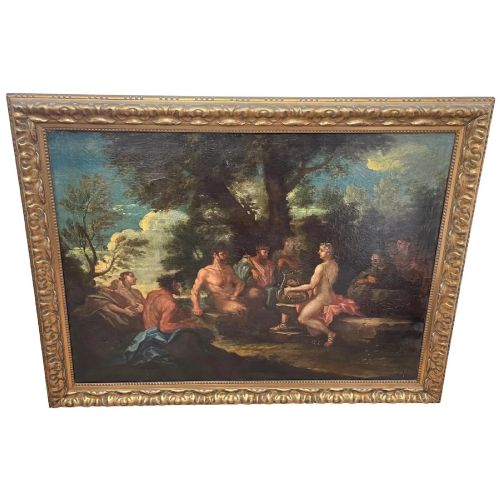
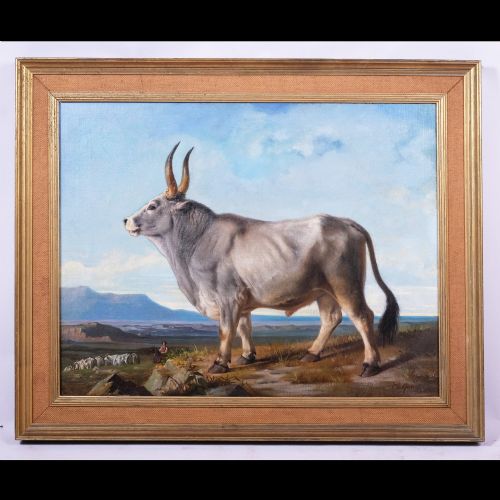
The subjects range from tranquil lakes and coastal lagoons to bustling city canals and rugged mountain valleys populated by figures and cattle. These works serve as windows into historic geography interpreted through romantic or realist lenses.
How They Were Made
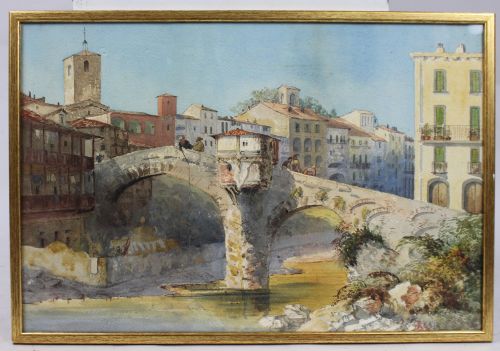
Artists built oil paintings using pigments applied to stretched canvas, wooden panels or paper, often framing them in gilded wood or carved gesso surrounds. Watercolours relied on transparent washes layered over paper or embossed card to capture Mediterranean sunlight.
Draftsmanship underpinned both mediums, beginning with pencil or ink underdrawings that mapped out classical architecture, figures and waterways before colour was applied.
Several depictions include observant cattle quietly supervising historic cavalry skirmishes and mythological disputes among classical ruins.
What Varies in Quality
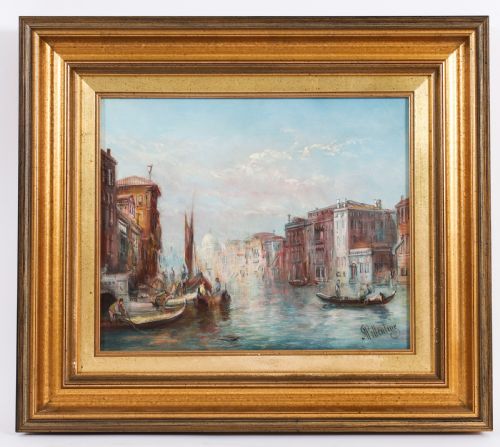
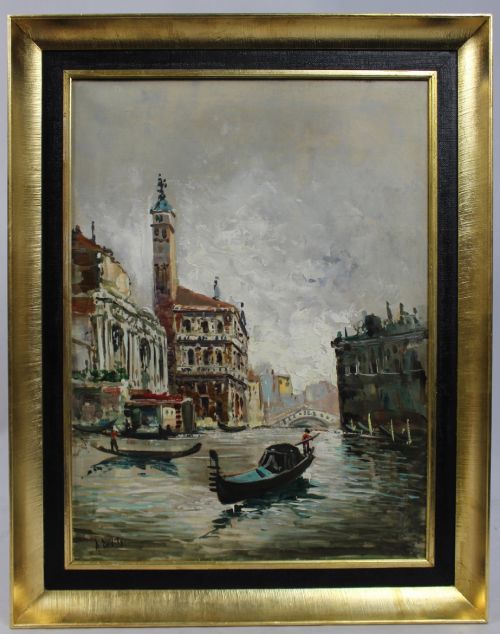
Quality rests in the handling of light and atmosphere, where skilled brushwork distinguishes a lively Venetian canal scene from a stiff, formulaic copy. The precision of architectural rendering in ruins and palazzos separates master compositions from ordinary studio output.
The integrity of the original surface, including visible artist changes known as pentimenti, adds depth and historical weight to certain canvases.
Angelo Maria Crivelli·Alfred Pollentine·Francis Moltino·Franz Knebel·Claude Jousset
The Antique Italian Landscape Glossary
- Grand Tour
- A traditional journey through Europe undertaken by upper-class Europeans, resulting in the acquisition of art and antiquities.
- Capriccio
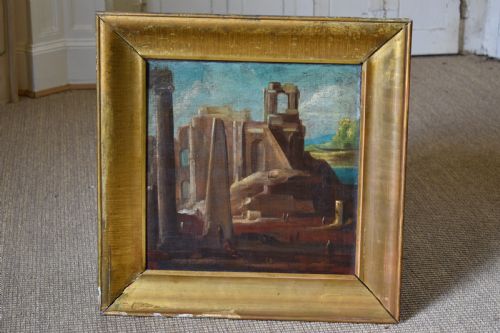
- An architectural fantasy placing together buildings, ruins and other architectural elements in a fictional and pleasing combination.
- Pentimento
- A visible trace of earlier painting beneath a layer or layers of paint, showing a change of design by the artist.
- Giltwood
- Wood that has been covered with a thin layer of gold leaf or gold paint, frequently seen on period frames.
- Pietra Dura
- An artistic technique using cut and fitted, highly polished coloured stones to create images.
Antique Italian Landscape: Frequently Asked Questions
What is a Grand Tour painting?
A Grand Tour painting is a souvenir artwork purchased by travellers exploring the cultural sites of Italy during the eighteenth and nineteenth centuries.
These pieces typically depict famous monuments, classical ruins or scenic lakes to document the journey.
How do I identify a Venetian canal scene?
Venetian scenes are identified by characteristic architecture including gothic palazzos, the Grand Canal, gondolas and the distinct play of light over water.
Artists frequently focused on landmarks such as the Rialto or the lagoon to anchor the view.
Are watercolours as durable as oil paintings?
Watercolours on paper require careful framing away from direct sunlight to prevent fading compared to robust oil on canvas works.
Both formats survive centuries when protected behind glass or kept in stable environmental conditions.
What subjects appear besides Venice?
Artists painted Roman ruins, the Campagna, Lake Como, Naples and Sicilian coastal towns alongside pastoral countryside views.
These compositions often include figures resting by ancient aqueducts or cattle grazing near rustic farmhouses.