





Classical Ruin Wall Art
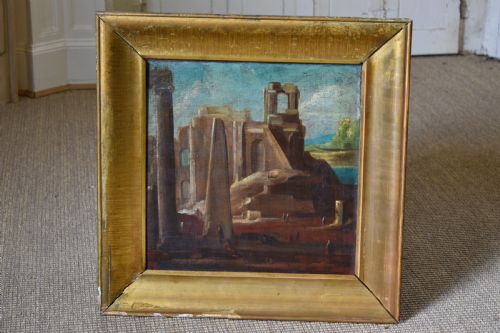
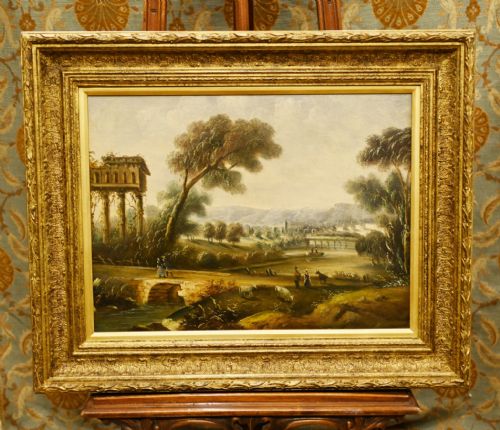
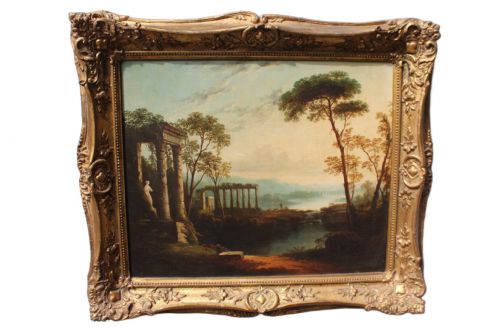
Classical ruin wall art brings historical Italian landscapes and architectural fragments into interiors through oil paintings, watercolours and woven tapestries.
Classical Ruin Wall Art
When you search for classical ruin wall art, you encounter framed artwork that captures historic architecture and pastoral Italian scenery. These pieces span the eighteenth and nineteenth centuries, reflecting enduring artistic fascination with antiquity and the Grand Tour.
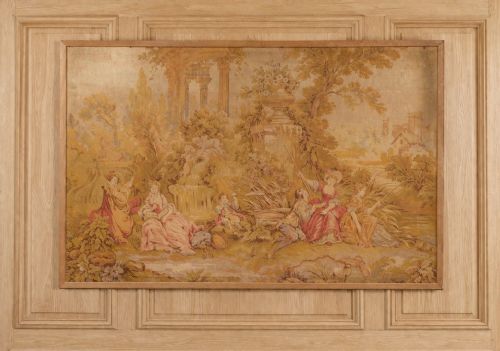
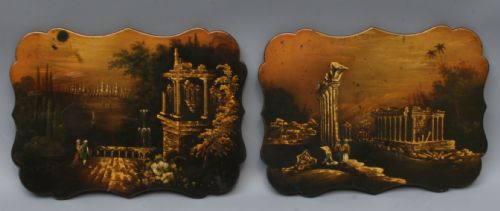
The selections available here are most likely to include oil paintings and watercolours depicting Italianate classical landscapes. You also find larger decorative panels, such as French woven tapestries and papier mache wall plaques, capturing the romantic decay of ancient structures.
How they were made
Artists created these works primarily using oil on canvas or watercolour on paper, often framing them in wood, giltwood, or gold leaf. The application of paint captures fine architectural details and atmospheric skies characteristic of Italianate classical landscapes.
Alternative forms utilise textile techniques, seen in large framed French woven tapestries. Others involve papier mache panels, demonstrating the diverse media employed to render these ancient architectural subjects.
Classical Ruin Wall Art Retail Price Guide 2026
Typical asking prices for classical ruin wall art among the pieces listed under this phrase on Sellingantiques today, from the lower quarter to the upper quarter. They describe what is for sale here now, not the wider market.
Some nineteenth-century travellers preferred to buy portable watercolours of the Forum rather than lugging entire oil paintings back across the Alps.
What varies in quality
Quality rests upon the skill of the brushwork and the precision with which architectural elements are rendered. Works linked stylistically to known artistic circles or specific destinations like Pompeii and Rome often display superior composition.
Materials also differentiate the range, from simple framed paper watercolours to large oil paintings on canvas and substantial woven tapestries. The integrity of the original framing, whether wood or giltwood, contributes to the overall presence of the piece.
Giovanni Paolo Panini·Claude Lorrain·Francesco Guardi·William Crouch
The Classical Ruin Wall Art Glossary
- Grand Tour
- A traditional trip of Europe undertaken by upper-class European young men of sufficient means. It strongly influenced the creation of landscape paintings and watercolours bought as souvenirs.
- Capriccio
- An architectural fantasy placing together imagined and actual buildings, archaeological ruins and other architectural elements in a fictional compositional arrangement.
- Giltwood
- Wood that has been treated with gold leaf or a gold-coloured finish. It frequently surrounds eighteenth and nineteenth century oil paintings and watercolours.
- Papier mache
- A composite material consisting of paper pieces or pulp, sometimes reinforced with textiles, bound with an adhesive. It forms the base for Victorian wall panels.
Classical Ruin Wall Art: Frequently Asked Questions
What periods do these artworks come from?
The available pieces predominantly date from the eighteenth and nineteenth centuries, with occasional later interpretations. This spans eras from the seventeen hundreds through to Victorian production and mid-twentieth century works.
Such dating reflects the persistent popularity of classical themes and the heritage of European travel among artists and collectors over multiple centuries.
How were these pieces used historically?
These artworks served as sophisticated wall decoration in domestic interiors, often brought back by travellers returning from European journeys. They reflected an owner's classical education and cultured tastes.
Large tapestries and oil paintings filled substantial wall spaces in formal rooms, while watercolours and smaller panels offered intimate views of ancient sites like Pompeii and Rome.
How do I hang a large tapestry panel?
Large woven tapestry panels require secure wall mounting methods that distribute the weight evenly across the structure of the textile. Using a dedicated hanging rod or batten system prevents sagging and protects the fabric.
Ensure the piece hangs away from direct sunlight to protect the threads and pigments from fading over time in domestic settings.
What is the difference between oil paintings and watercolours here?
Oil paintings on canvas offer rich textures and deep colour palettes, typically presented in substantial wood or giltwood frames. They suit prominent display locations where their presence commands the room.
Watercolours on paper provide a lighter, more delicate depiction of architectural subjects, protected beneath glass. They capture the bright light of Italian landscapes with translucent washes.