





Terracotta Architectural Painting
Terracotta architectural painting brings together fired clay objects and painted works capturing buildings, offering distinct glimpses into structural forms and historic structures.
Terracotta Architectural Painting
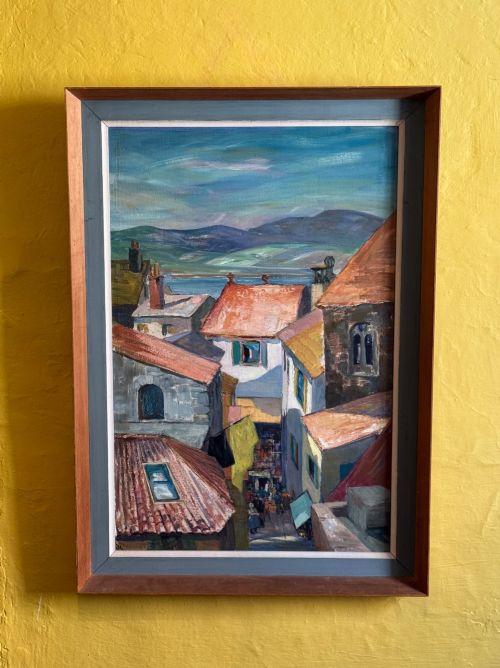
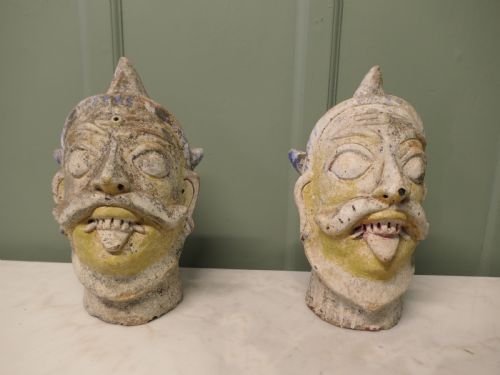
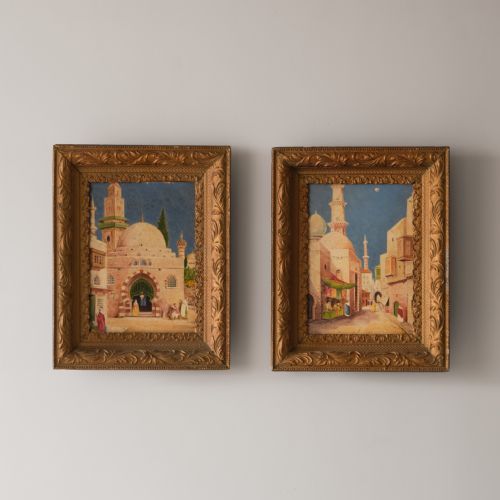
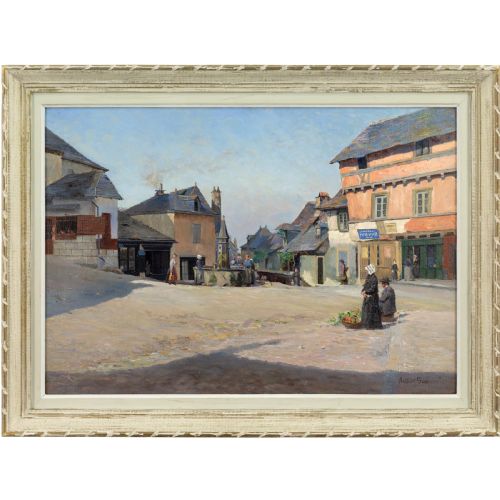
When you search for terracotta architectural painting, you encounter a diverse group of items spanning nineteenth-century garden pedestals, clay chimney pots, and painted depictions of historic structures. The listings combine three-dimensional fired clay pieces with watercolours, oils, and mixed media works showing cityscapes, Venetian lagoons, and architectural facades.
The selection ranges from nineteenth-century terracotta display columns and nineteenth-century painted terracotta lions masks to twentieth-century oil paintings of European cityscapes and detailed architectural pen drawings. Buyers meet both physical clay artefacts and framed paintings documenting historic buildings and ancient sites.
Origins stretch from British village scenes and Dutch guildhalls to Roman gardens and Venetian canals, reflecting both domestic craftsmanship and Grand Tour subjects. The material palette moves fluidly between the reddish-brown ceramic mediums and the painted canvases depicting them.
Materials and technique
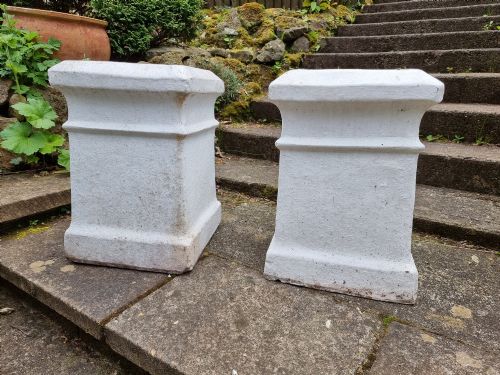
Physical pieces utilise fired clay and terracotta, shaped into pedestals, chimney pots, planters, columns, and masks, occasionally finished with paint to highlight relief details. These ceramic objects demonstrate traditional moulding and firing techniques suited to both garden display and architectural ornament.
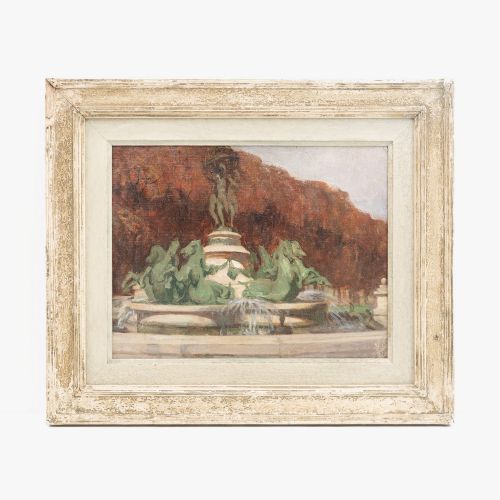
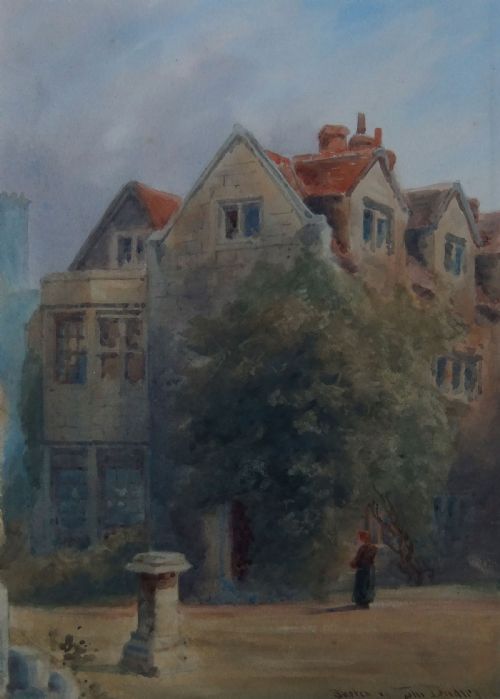
Painted works employ oil paint, watercolour, ink, and impasto on canvas, paper, wood, and glass surfaces. Artists build up cityscapes and architectural studies using layered brushwork, delicate pen lines, and mixed media applications to capture stonework and light.
Terracotta Architectural Painting Retail Price Guide 2026
Typical asking prices for terracotta architectural painting among the pieces listed under this phrase on Sellingantiques today, from the lower quarter to the upper quarter. They describe what is for sale here now, not the wider market.
The inventory spans Victorian, Mid-Century Modern, Impressionist, Naive Art, and Post-Impressionist styles.
Factors of quality
Quality in the physical terracotta objects rests on the crispness of the moulding, the stability of the fired clay, and the preservation of any applied surface paint or detail work. Finer examples show sharp relief in elements like masks and capitals without structural compromise.
In the painted works, distinction lies in the precision of architectural perspective, the handling of light on stone surfaces, and the dexterity of brushwork across watercolours and oil paintings. Superior pieces capture spatial depth and structural detail with distinct artistic control.
Arthur Gué·Alexander Jamieson·Armand Guillaumin·Jack Merriott·David Law·Peter Toft·Tom Dudley·Christiaan Pieter Snyders·John Thirttle
The Terracotta Architectural Painting Glossary
- Terracotta
- A porous, brownish-red fired clay utilised for sculptural ornaments, pedestals, and architectural elements. It serves both structural and decorative roles in gardens and interiors.
- Impasto
- A paint application technique where pigment is laid onto a canvas or board in thick strokes, standing visibly above the surface. This method adds tactile dimension to architectural elements and cityscapes.
- Grand Tour
- A traditional travel itinerary through Europe undertaken by upper-class Europeans in the eighteenth and nineteenth centuries. It generated a wealth of topographical watercolours and paintings of classical sites.
- Watercolour
- A painting method where water-soluble pigments are suspended in a water-based solution, typically applied to paper. It achieves translucent effects ideal for architectural studies and landscapes.
- Oil on Canvas
- Pigment mixed with an oil medium applied to stretched woven fabric. This combination allows for rich colour blending and durable finishes seen in period cityscapes.
Terracotta Architectural Painting: Frequently Asked Questions
What is terracotta architectural painting?
Terracotta architectural painting encompasses physical fired clay objects like pedestals and masks alongside painted artworks depicting buildings and historic structures.
The category bridges three-dimensional ceramic ornaments and flat visual art documenting European streetscapes and classical ruins.
How were terracotta pedestals used?
Nineteenth-century terracotta pedestals and columns served as sturdy supports for garden urns, sculptures, or display pieces.
They functioned both outdoors in gardens and within domestic interiors to elevate decorative objects.
What subjects appear in the paintings?
The paintings feature cityscapes, Venetian lagoons, classical Roman ruins, Dutch guildhalls, and English village churches.
Artists recorded these architectural subjects during travels or through detailed topographical studies.
How do I care for terracotta items?
Terracotta requires protection from freezing moisture if kept outdoors, as trapped water can cause the fired clay to crack.
Indoor pieces need gentle dusting with a dry cloth to preserve the porous surface and any applied paint.
What periods do these pieces represent?
The pieces span from the eighteenth and nineteenth centuries through the mid-twentieth century, including Victorian and mid-century modern eras.
This timeline captures both historical Grand Tour watercolours and later twentieth-century abstract cityscapes.