



Antique Italian Buffet
An antique italian buffet brings grand storage and regional carving into a dining room or hall.
Antique Italian Buffet
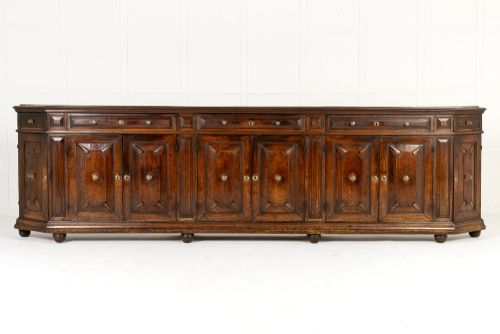
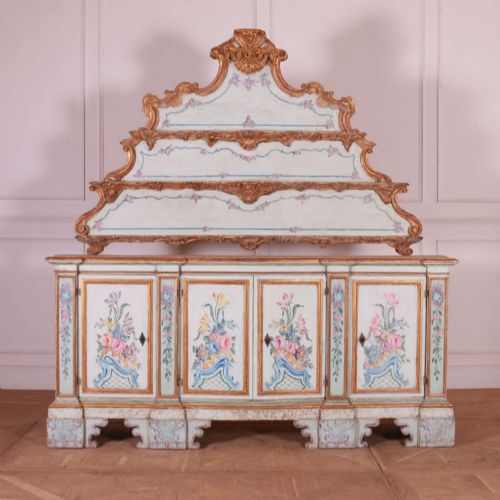
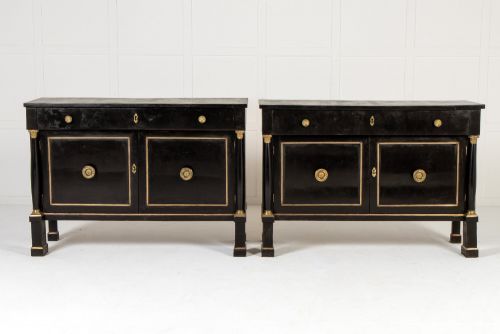
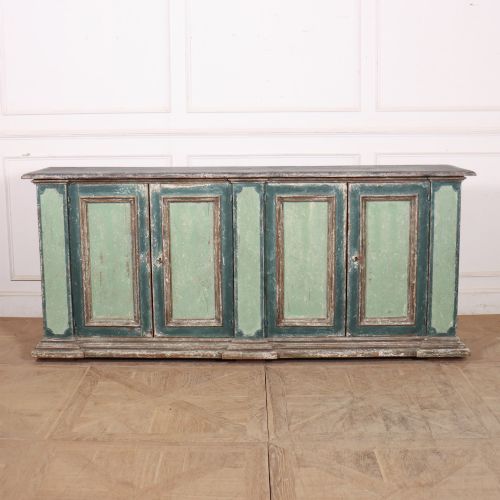
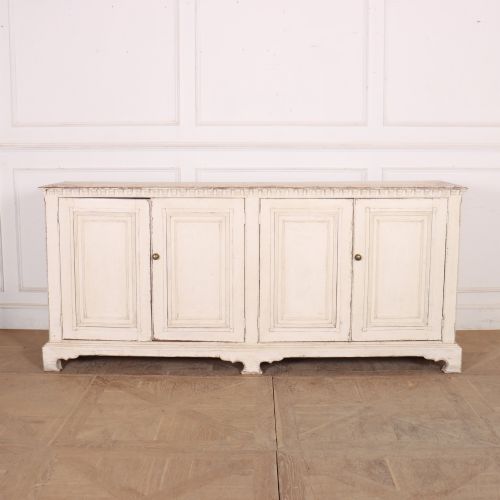
When you search for an antique italian buffet, you encounter large serving pieces, side cabinets, enfilades, and credenzas originating from various periods and regional styles. The forms range from monumental 18th-century walnut pieces to painted Venetian buffets and later provincial iterations.
You are most likely to meet walnut sideboards and painted wood cabinets spanning the 18th and 19th centuries on this page. These sturdy storage pieces function practically while displaying distinct Italian regional design characteristics.
Materials and construction
Carpenters constructed these pieces primarily using solid walnut, softwood, and painted wood, often applying rich marquetry, mahogany, ebonised finishes, or parcel gilt details. Metal, iron, and brass hardware provide functional structural support and decorative accents.
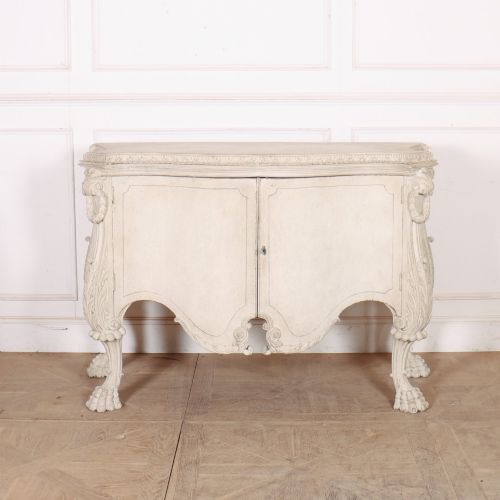
The decorative schemes rely heavily on carved wood elements, painted surfaces, and serpentine forms. Artisans shaped these cabinets with traditional joinery, integrating tiered structures and specialised compartments suited for dining room service.
Antique Italian Buffet Retail Price Guide 2026
Typical asking prices for italian buffet among the pieces listed under this phrase on Sellingantiques today, from the lower quarter to the upper quarter. They describe what is for sale here now, not the wider market.
One extraordinary fantasy buffet exists here sculpted entirely by wood carver Valentino Panciera Bessarel.
Assessing quality
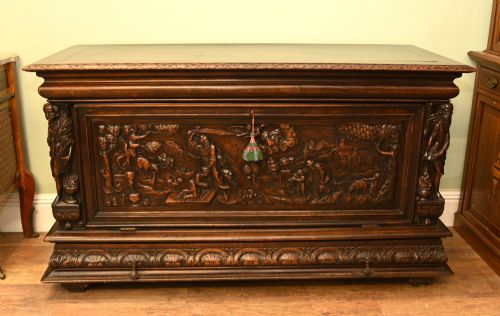
The distinction between standard provincial pieces and high-end examples lies in the execution of the carving and the integrity of the painted or ebonised surfaces. Master carvers produced deeply articulated relief work that elevates the presence of the furniture.
Original painted finishes and period-appropriate hardware contribute significantly to the character of a piece. The selection of timber, particularly figured walnut and intricate marquetry work, separates utilitarian storage from exceptional decorative art.
The Antique Italian Buffet Glossary
- Enfilade
- A long sideboard or cabinet designed for serving food and storing dining ware. These grand pieces often feature multiple doors spanning a wide front.
- Credenza
- A sideboard or buffet used traditionally for displaying plate and serving food. Italian examples often display heavy carving and substantial walnut construction.
- Marquetry
- The art of applying pieces of veneer to a structure to form decorative patterns. Craftsmen utilised various woods to create pictorial designs on cabinet doors and tops.
- Serpentine
- A furniture front characterised by a curving line that bends outward at the centre and inward at the sides. This fluid shape appears frequently on Venetian buffets.
Antique Italian Buffet: Frequently Asked Questions
What is an antique italian buffet?
An antique italian buffet is a substantial storage and serving piece originating from Italy, encompassing sideboards, credenzas, and enfilades. These pieces serve practical dining room functions while displaying regional stylistic traits.
They appear in various forms, from walnut sideboards to painted Venetian buffets, spanning several centuries of craftsmanship.
How do I identify an 18th century piece?
Eighteenth-century pieces typically feature solid walnut construction, hand-carved details, and period-specific joinery methods. They often exhibit regional Italian styles such as Baroque or Rococo.
Examining the interior construction, wear patterns, and hardware helps distinguish these older examples from later revival works.
Where should I place a buffet?
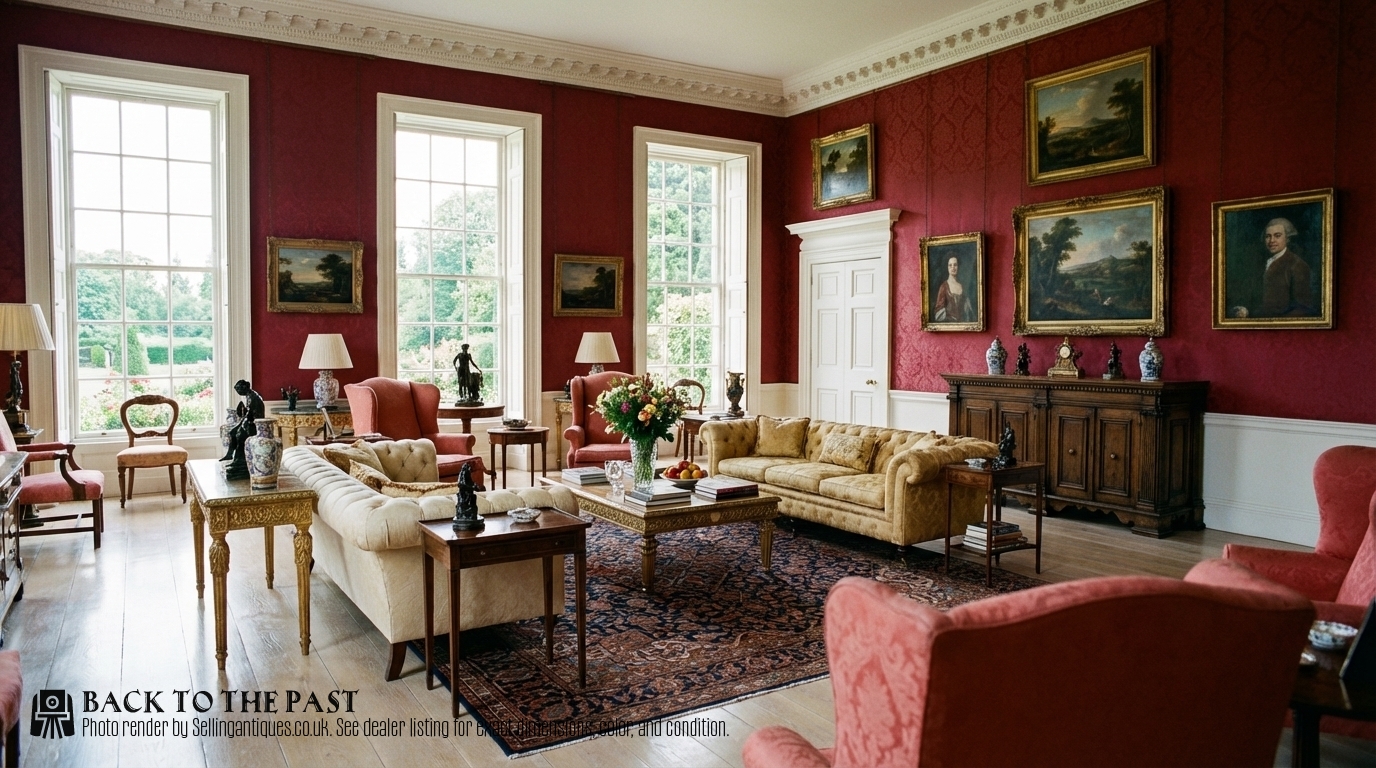
These large storage cabinets suit dining rooms, grand hallways, or living spaces where they can function as focal points and practical servers. Their generous proportions require adequate wall space.
Ensure the room can accommodate the depth and width of pieces like enfilades or monumental credenzas before placement.
What materials are commonly used?
Makers relied heavily on solid walnut, softwood, and painted wood surfaces for the primary structure. Decorative elements often include brass hardware, giltwood, and iron accents.
Some examples incorporate mahogany veneer, marquetry, and ebonised finishes to achieve specific aesthetic effects.