


Antique Italian Box
When you search for an antique italian box, you discover centuries of craftsmanship ranging from grand walnut cassoni to delicate Sorrento marquetry.
Antique Italian Box
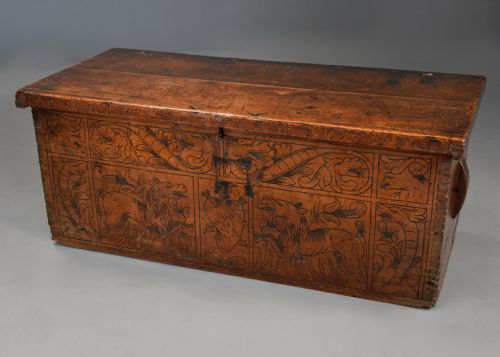
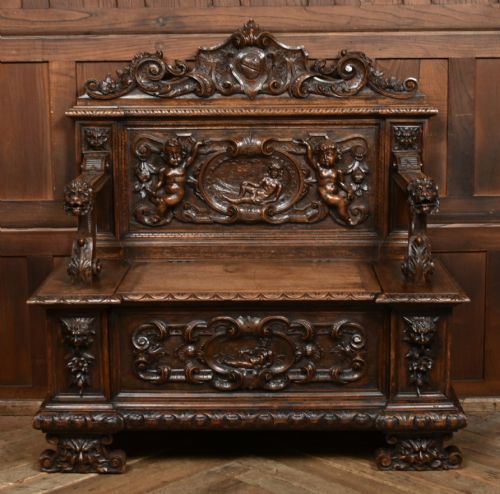
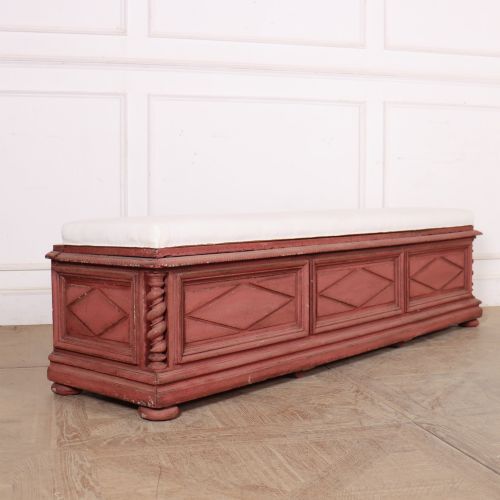
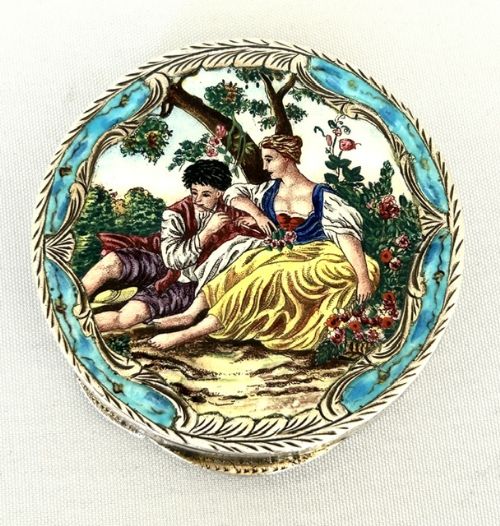
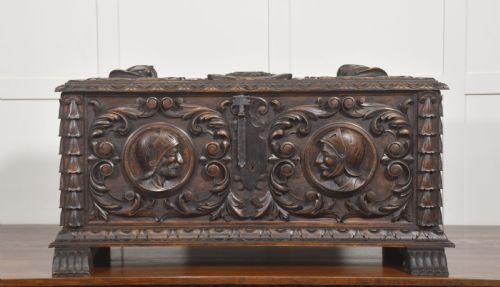
The antique italian box encompasses a diverse array of domestic and decorative containers, spanning from heavy seventeenth-century cedar and walnut coffers to intricate nineteenth-century Sorrento olive wood caskets. Buyers encounter everything from monumental marriage chests and grand tour marble souvenirs to small porcelain table boxes and silver powder compacts.
Earlier examples frequently manifest as substantial storage chests displaying Renaissance revival styles, while later nineteenth and twentieth-century pieces shift toward intricate tabletop vanity cases, marquetry workboxes, and inlaid folding travel mirrors.
The domestic scale of these objects varies dramatically, accommodating intimate personal keepsakes like jewellery and snuff as well as linens and municipal documents.
Materials and construction
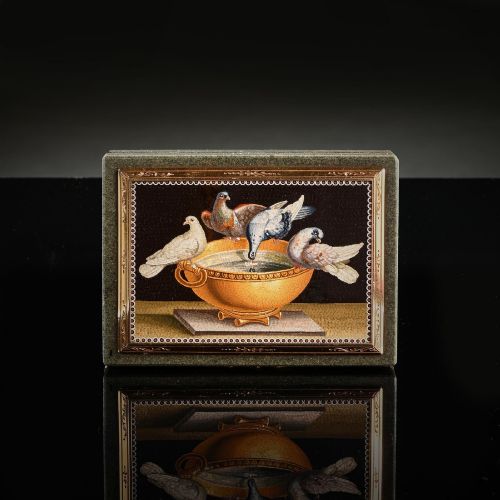
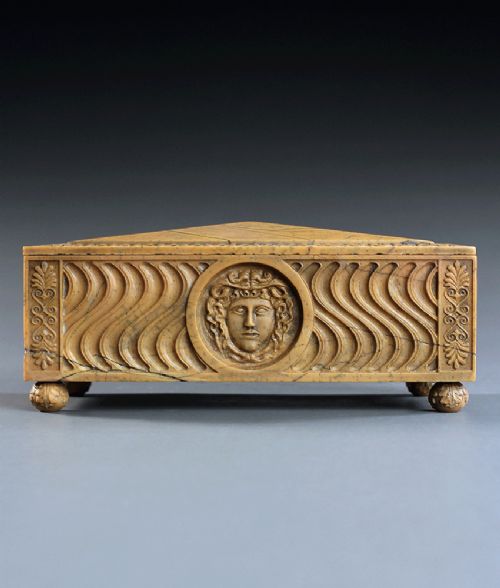
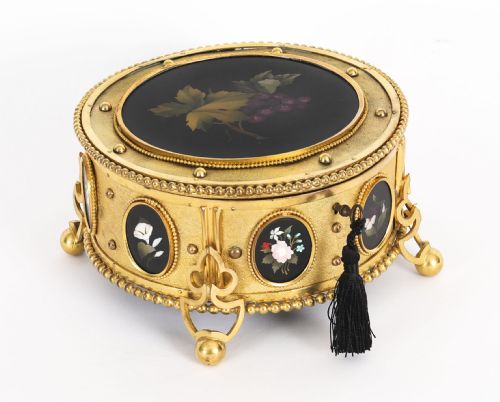
Makers utilised dense timbers such as walnut, cypress, cedar, and olive wood, frequently embellishing surfaces with fruitwood, ebony, and bone marquetry or intricate geometric inlays. Stone and mineral elements also dominate significant pieces, with craftsmen employing Siena marble, prato verde marble, and pietra dura mosaic panels set into wood or gilt metal frames.
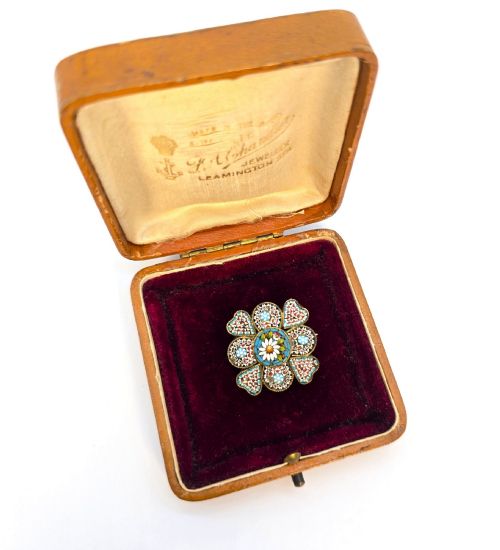
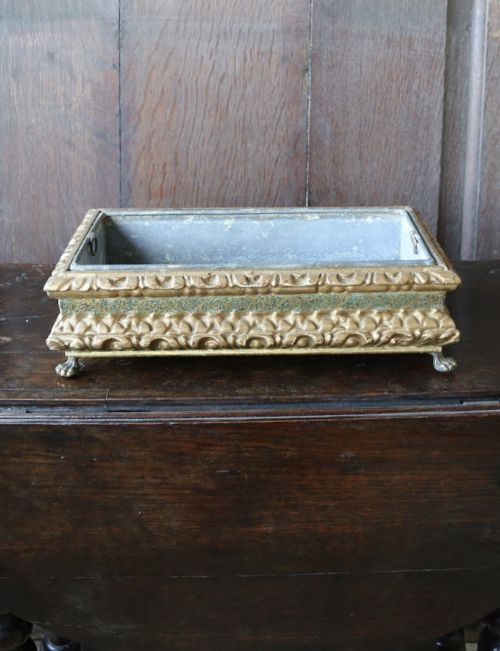
Surface ornamentation relied on specialised artisan techniques, including micro mosaic assembly, hand-painted porcelain from Capodimonte, cast ormolu mounts, and vitreous enamel applied to silver or gilt bases.
Several boxes double as games containers, housing miniature components for historic pastimes.
Markers of distinction
Quality rests upon the precision of the joinery and the complexity of the decorative medium, such as the tightness of Sorrento wood tesserae or the minute detail within micro mosaic and pietra dura panels. Superior pieces retain their original patinated surfaces and structural integrity without aggressive modern intervention.
The distinction between standard utility items and masterwork pieces often depends on the provenance of specialised materials, the inclusion of precious metal mounts, and the artistry of hand-carved figural medallions or painted scenes.
Gioacchino Barberi·Giuliano Spinelli·Richard Ginori
The Antique Italian Box Glossary
- Cassone
- A large Italian chest or coffer traditionally used for storing marriage dowry linens. These substantial containers often display carved walnut or gilded decoration from the seventeenth century onward.
- Pietra dura
- An artistic technique utilising cut and fitted polished-stone insertions to create pictorial designs. Artisans employed this method on marble and ebony tabletops and jewellery caskets.
- Micromosaic
- A detailed form of mosaic assembled from tiny glass rods called tesserae to form miniature figurative scenes. These adorn nineteenth-century brooches and snuff boxes.
- Sorrento ware
- Woodwork decorated with marquetry and inlay originating from the town of Sorrento. Olive wood and fruitwood provide the contrasting tones for these folding mirrors and caskets.
- Grand Tour
- A cultural journey undertaken by wealthy young Europeans visiting historical sites on the continent. Souvenirs included marble sarcophagus caskets and lava intaglios.
Antique Italian Box: Frequently Asked Questions
What is an antique italian box used for?
These containers served numerous domestic and personal functions across different centuries, from storing valuable marriage documents and textiles in large wooden chests to holding jewellery, letters, and cosmetics in tabletop caskets.
Smaller variants accommodated luxury goods like snuff, tea leaves, or personal writing implements, reflecting the changing daily habits of affluent households.
How do I identify a Sorrento ware box?
Sorrento pieces are distinguished by their pale olive wood bodies decorated with contrasting geometric or pictorial marquetry inlay depicting landscapes, buildings, or floral motifs.
Makers from the Italian coastal region produced these keepsake cases, writing boxes, and folding mirrors primarily during the nineteenth and early twentieth centuries.
How should I care for antique wood and mosaic boxes?
Maintain these objects in stable environmental conditions away from direct sunlight and extreme humidity fluctuations to prevent the wood from warping and the tiny mosaic tesserae from loosening.
Dust gently with a dry, soft cloth and avoid chemical polishes or excessive moisture that might damage delicate surface finishes and old patinas.